
0 ITEMS

Company Valuation EBITDA: A Simplified Guide

Company valuation using EBITDA provides a clearer picture of a business’s operational profitability by excluding non-operational expenses.
- EBITDA stands for Earnings Before Interest, Taxes, Depreciation, and Amortization and helps compare companies across industries.
- It focuses on a company’s core earnings to assess its true earning potential.
- Valuation multiples like EV/EBITDA are key tools in estimating a company’s market value.
- Adjusting EBITDA for non-recurring items ensures a more accurate and meaningful valuation.
- Understanding EBITDA’s benefits and limitations supports better investment and acquisition decisions.
This article explains how EBITDA-based valuation works and how to interpret it effectively.
Introduction To Company Valuation
Figuring out what a company is worth can seem tricky. Company valuation tells us this value. It’s like a price tag for the entire business. This guide helps make sense of the puzzle.
Understanding The Basics Of Company Valuation
Company valuation is a process. It determines how much a company’s worth. People use it for many reasons like selling a business. Different methods can show different values. Valuation is a key tool to understand a business’s health.
- Assets: What the company owns.
- Profitability: How much money it makes.
- Market: Its place among competitors.
The Importance Of EBITDA In Valuation
EBITDA stands for Earnings Before Interest, Taxes, Depreciation, and Amortization. It’s a way to look at profits. It shows how much money a company makes from its business alone. It does not include taxes or loan costs.
EBITDA is key because it gives a clean picture of performance. Investors and buyers look at EBITDA closely. It helps them compare different companies fairly.
Comparing EBITDA To Other Valuation Metrics
EBITDA isn’t the only way to value a company. There are others like P/E ratios and revenue. Each one gives a different view. But why pick EBITDA over others?
| Metric | Use | Why EBITDA |
|---|---|---|
| EBITDA | Profit without loans or taxes | Clear look at operating performance |
| P/E Ratio | Company’s stock price to earnings | Good for public companies |
| Revenue | Money earned | Doesn’t show profit or cost |
EBITDA often wins because it shows real business success. Unlike revenue, EBITDA factors in costs. It’s a sturdier metric for comparison. This makes it a favorite in many valuations.
EBITDA Explained
Understanding a company’s value is like solving a puzzle. The key piece is called EBITDA. EBITDA stands for Earnings Before Interest, Taxes, Depreciation, and Amortization. It shows how much money a company makes. It does not count some expenses. Let’s dive into what EBITDA means and how it helps in finding out a company’s worth.
Defining EBITDA And Its Components
Breaking down EBITDA helps us see the company’s performance. Earnings are the profits. Interest is the cost of borrowing money. Taxes are what the company pays to the government. Depreciation is when things the company owns lose value over time. Amortization is similar but for special things like patents.
The Pros And Cons Of Using EBITDA For Valuation
EBITDA can be a handy tool, but it has both upsides and downsides.
- Pros:
- Makes it easy to compare companies.
- Focuses on day-to-day business money-making power.
- Helps investors spot potential in a company.
- Cons:
- Does not show actual cash flow.
- Ignores the cost to replace old things.
- Can hide debt problems.
Calculating EBITDA: A Step-by-step Process
- Start with net income, the total money made.
- Add back interest paid on money borrowed.
- Add back taxes paid to the government.
- Add back depreciation, the value lost on things owned.
- Add back amortization of special things like patents.
Now you get the EBITDA. It’s a big number that tells us how well a company does without some costs.
https://www.youtube.com/watch?v=OS9baoaEQRg
Applying EBITDA In Valuation
Understanding a company’s value is crucial before making investment decisions. EBITDA stands for Earnings Before Interest, Taxes, Depreciation, and Amortization, and it’s a powerful tool used in assessing a company’s performance and valuation. Below, we explore how to apply EBITDA when determining the value of a business.
Valuation Multiples And Benchmarking With EBITDA
Valuation multiples are ratios that compare a company’s value to its EBITDA. These are essential in valuing businesses. The most common multiple is the EV/EBITDA, where EV is the Enterprise Value. This ratio helps buyers understand how long it might take to earn back their investment.
- The lower the EV/EBITDA ratio, the more attractive the company is for purchase.
- Industry average EV/EBITDA helps in benchmarking and determining if a company is over or undervalued.
Case Studies: EBITDA In Real-world Valuations
Reviewing case studies of real-world valuations can illustrate EBITDA in action. Examples include:
- How a tech startup’s EBITDA margin attracted a major buyer
- EBITDA adjustments in the valuation of a family-owned manufacturing firm
- The impact of EBITDA on the sale price of a retail chain
These case studies show EBITDA’s role in negotiations and final sale price determination.
Adjusting EBITDA For Accurate Company Valuation
Adjusting EBITDA is critical for an accurate valuation. It involves normalizing earnings to remove any one-time gains or costs:
- Remove non-operational income like litigation proceeds or asset sales.
- Exclude non-recurring expenses such as rebranding costs or disaster recovery.
- Adjust for owner-operated expenses to reflect a market-based management expense.
These adjustments provide an EBITDA figure that more accurately reflects the company’s operational earnings.
Beyond EBITDA: Other Valuation Considerations
While EBITDA is a key metric in company valuation, it doesn’t paint the full picture. A thorough valuation also considers factors such as synergies, risks, growth prospects, the blend of debt and equity, and the impact of market trends and economic environments. These elements can significantly alter a company’s worth.
Synergies, Risks, And Growth Prospects In Valuation
Synergies refer to potential benefits from combining businesses. These could relate to cost savings or revenue boosts. They vary considerably and can dramatically impact valuation.
Risks are diverse. They include market competition, regulatory changes, and operational challenges. A high-risk company may have a lower valuation. On the contrary, firms that manage risks well can gain value.
Growth prospects envision a company’s future. High potential for growth can increase a company’s appeal, boosting its valuation.
The Role Of Debt And Equity In Company Value
The balance of debt and equity is critical in understanding a company’s financial health. High debt levels can be risky. A strong equity base can imply stability. Investors assess this mix to gauge a business’s sustainable growth potential.
Integrating Market Trends And Economic Factors
Market trends shape industry landscapes. They guide consumer demands and competitive dynamics. Recognizing these trends is necessary for an accurate valuation.
Economic factors such as inflation rates, unemployment data, and GDP growth influence business operations. They affect investment prospects and valuation.
Frequently Asked Questions
How Do You Value A Company Based On EBITDA?
To value a company using EBITDA, multiply the EBITDA amount by a chosen industry-specific multiple. This multiple reflects varying risk levels and growth prospects. For greater accuracy, compare the result against similar companies’ valuations.
What Is A Good EBITDA Multiples For Valuation?
Good EBITDA multiples for valuation typically range from 4x to 10x, depending on the industry, company size, and market conditions.
How Is EBITDA Calculated For Dummies?
EBITDA is calculated by adding earnings back to interest, taxes, depreciation, and amortization expenses. Start with net income, then add interest expense, tax expense, and depreciation/amortization expenses together to find the EBITDA value.
Is 20% EBITDA Good?
A 20% EBITDA margin is generally considered strong for most industries, signaling healthy earnings and operational efficiency.
Conclusion
Understanding company valuation through EBITDA demystifies financial analysis. It’s a vital tool for investors and business owners alike. By embracing this simplified guide, you’re equipping yourself with the knowledge to make informed decisions. Harness these insights, and navigate the complexities of valuation with confidence.
Your financial acumen just took a leap forward.


The Solar Energy Financial Model Spreadsheet Template in Excel assists you in preparing a sophisticated financial forecast for a utility-scale solar p... read more

The Mobile App Financial Plan Template in Excel allows you to develop financial projections when launching a new business centered around an app insta... read more


The Private Equity Fund Cashflows Model helps LPs and GPs analyze fund cash flows, returns, and distributions across investor, manager, and portfolio ... read more
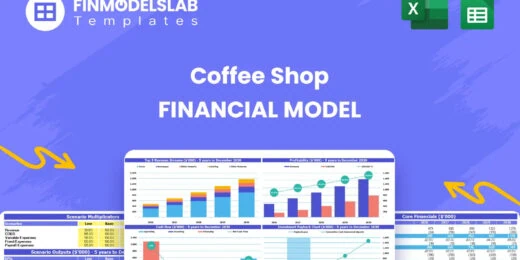

The Coffee Shop Financial Model helps entrepreneurs, founders, business owners, consultants, and analysts turn a cafe concept into a structured financ... read more

This Discounted Cash Flow (DCF) valuation calculator template projects a three-statement model that allows users to value a company based on the net p... read more
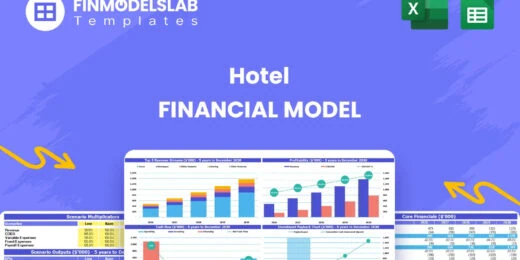
The Hotel Financial Model helps users build a structured financial forecast for a hotel business using the revenue drivers that matter most in hospita... read more

The Upstream Oil & Gas Project Financial Model Template in Excel empowers you to project and dissect your impending Oil and Gas drilling ventures. Pre... read more
This Project Plan Template in Google Sheet allows you to quickly develop a project plan and plot a Gantt chart. Enjoy all the benefits of Google Docs ... read more

We are introducing our 4-Tier Waterfall Profit Distribution Model. The waterfall profit distribution model template aims to support a thorough analysi... read more


Dynamic 10-Year Financial Model, suitable for any type of business, supporting strategic planning, investment decisions, and business valuation.

This green hydrogen financial model template builds a multi-year financial plan to analyze the financial feasibility and profitability for the product... read more

Investors can assess the viability of setting up and investing in gasoline stations with a charging station by downloading a financial model for their... read more
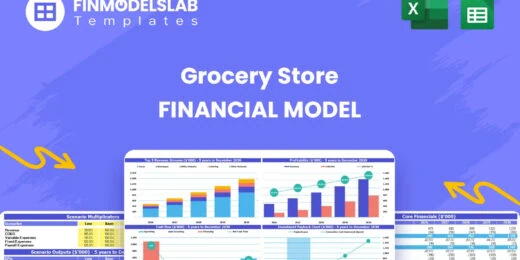
The Grocery Store Financial Model helps entrepreneurs, founders, consultants, analysts, and retail business owners build a structured financial foreca... read more
The Outpatient Clinic Financial Model helps users turn a clinic business concept into a structured, editable financial forecast. Instead of relying on... read more

The beverage manufacturing industry is a dynamic and rapidly growing sector that caters to a diverse market ranging from soft drinks and juices to alc... read more

Highly-sophisticated and user-friendly financial model for Startup Companies providing a 5-Year advanced financial forecast.
The Bakery Financial Model helps entrepreneurs, bakery owners, consultants, analysts, and business plan writers turn a bakery concept into a structure... read more


Average rating:Submit Rating
Model for in depth understanding of high level profit and loss and revenue analysis. Big-4 like checklist of due diligence analyses. This Financial Du... read more
The Cafe Financial Model is a ready-to-use financial model template designed to help entrepreneurs, cafe owners, founders, consultants, and analysts b... read more
The Clothing Store Financial Model helps turn a retail apparel concept into a structured financial forecast that can be used for planning, funding, bu... read more

The Poultry Farming Financial Model helps users turn a poultry farm concept into a structured, lender-ready financial forecast. It is designed for pla... read more
The Online Clothing Store Financial Model helps founders, entrepreneurs, business owners, consultants, and analysts turn an apparel e-commerce idea in... read more
The Dental Clinic Financial Model helps users turn a dental practice concept, launch plan, or expansion strategy into a structured five-year financial... read more
This poultry financial model template in Excel provides a framework to determine the financial feasibility of a new poultry project for producing bro... read more


Start Up Solar Farm Excel Model presents the business case of an investment in the construction of a solar farm and the sale of the energy generated f... read more

Launching a manufacturing startup can be complex, and securing financing requires a solid financial plan. Our Manufacturing Startup Financial Feasibil... read more
The Spa Financial Model helps entrepreneurs, spa owners, consultants, analysts, and business planners turn a wellness concept into a structured five-y... read more

!! Kindly use the latest Microsoft Excel Version before purchasing the model, otherwise, the dynamic dashboard will NOT work.!! Inventory Dashboard Mo... read more
The Boutique Hotel Financial Model Financial Model Template helps entrepreneurs, hotel owners, consultants, analysts, and founders turn a boutique hos... read more

This chicken egg farming model aims to plan the operations, financial feasibility, and profitability of a new poultry egg farming business. This Start... read more
The Nail Salon Financial Model Financial Model Template helps entrepreneurs, salon owners, consultants, analysts, and business plan writers turn a nai... read more


This excel template is great for those wanting a professional-looking forecast 10 years of financial statements, those starting out as an entrepreneur... read more

This coffee farm financial feasibility model template prepares a financial plan for your next coffee growing project! Figure out the expected incomes ... read more
The Fintech Startup Financial Model helps founders, analysts, consultants, and business planners turn a fintech lending concept into a structured five... read more
The Medical Practice Financial Model helps users turn a clinic concept, expansion plan, or healthcare service idea into a structured five-year financi... read more
Average rating:Submit Rating
The Digital Marketing Agency Financial Model helps agency founders, business owners, consultants, and analysts build a structured financial forecast f... read more
Average rating:Submit Rating
The Solar Panel Manufacturing Financial Model helps users turn a solar factory concept into a structured, investor-ready financial forecast. It is des... read more
The Travel Agency Financial Model helps entrepreneurs, founders, consultants, analysts, and business owners build a structured financial forecast for ... read more
" The Restaurant Financial Model helps users turn a restaurant concept into a structured, editable financial forecast without building complex spreads... read more
The Pizza Restaurant Financial Model Template helps entrepreneurs, restaurant owners, consultants, analysts, and founders turn a pizza restaurant conc... read more

The Personal Budgeting App Financial Model Financial Model Template helps founders, entrepreneurs, consultants, analysts, and business planners turn a... read more

The Real Estate Portfolio Financial Model Template forecasts the financial performance when building a real estate portfolio. The model allows simulat... read more
The Resort Financial Model Financial Model Template helps resort developers, hospitality entrepreneurs, business owners, consultants, and analysts tur... read more
The Beauty Salon Financial Model helps entrepreneurs, salon owners, consultants, analysts, and founders turn a salon business idea into a structured f... read more
The Fish Farming Financial Model template helps entrepreneurs, aquaculture founders, business owners, consultants, and analysts build a structured for... read more
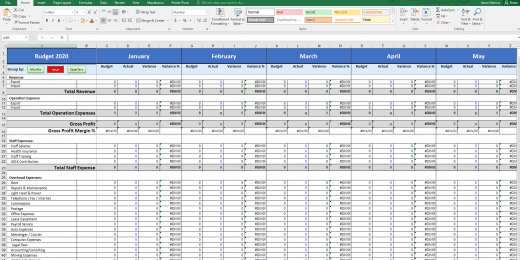

The Budget vs. Actual financial model is used to measure actual results against the budget projected for the financial period.

Project Finance Model for a Solar (PV) Power Plant projecting revenue, operating costs, and cash flow based on installed capacity, solar irradiance, p... read more
The Insurance Agency Financial Model helps entrepreneurs, agency owners, consultants, analysts, and business planners build a structured financial for... read more

The Mergers & Acquisition (M&A) Model provides a projection for a company looking to potentially merge or acquire another company. This model runs... read more


A professional template to budget payroll expenses


Average rating:Submit Rating
Financial model template for a high-level real estate brokerage firm that facilitates the buying and selling of real estate properties between buyers ... read more
The Food Truck Financial Model helps entrepreneurs, founders, business owners, consultants, and analysts turn a mobile food business idea into a struc... read more

Distilleries, with their rich history of crafting spirits, have experienced a resurgence in popularity, driven by consumer interest in artisanal and l... read more

Advanced 10-year financial model for a Software as a Service (SaaS) business providing a solid financial foundation to evaluate scalability, optimize ... read more

Our Net Present Value Calculator in Excel helps you quickly assess the profitability of your investments by simplifying complex financial calculations... read more


User-friendly Excel model intended for the preparation of a Cost-Benefit Analysis to determine the financial viability for a proposed project or inves... read more
The Barber Shop Financial Model Financial Model Template helps entrepreneurs, business owners, consultants, and analysts turn a barber shop concept in... read more

Setting up a biodiesel manufacturing plant requires a comprehensive and executed business strategy. To assess biodiesel production's financial sustain... read more

Best practice model for a complete Price Volume Mix (PVM) analysis on revenue and on gross profit by product.

The Cannabis Business Financial Model is a ready-to-use financial model template designed to help entrepreneurs, founders, consultants, analysts, and ... read more

The Clinical Laboratory Financial Model helps users turn a diagnostic lab concept into a structured five-year financial forecast. It gives entrepreneu... read more
The Clothing Manufacturing Financial Model helps users turn a garment production concept into a structured, editable financial forecast. It is built f... read more
The Skin Care Clinic Financial Model helps entrepreneurs, clinic owners, consultants, analysts, and business planners turn a skin care or aesthetic cl... read more
The Flower Shop Financial Model helps entrepreneurs, florists, business owners, consultants, and analysts turn a floral retail concept into a structur... read more

With this comprehensive 5- or 10-year monthly tool, investors can assess the viability of setting up and investing in an EV charging station business ... read more
The Bar Financial Model Financial Model Template helps entrepreneurs, bar owners, consultants, analysts, and founders turn a bar, pub, lounge, or nigh... read more

The Green Hydrogen from Wind Financial Model aims to comprehensively forecast a horizon of 40 years of the financial feasibility and profitability of ... read more
The Healthcare Clinic Financial Model helps founders, clinic owners, consultants, analysts, and business planners turn a healthcare clinic concept int... read more

Shopping Mall Financial Model presents the case of an investment into a shopping mall and its operation. The model generates the three financial state... read more

Financial Model providing a 10-year financial plan for a startup or operating Subscription Business.
The Catering Service Financial Model helps users turn a catering business plan into a structured, editable financial forecast. Instead of relying on r... read more

5-year financial model for a hair and beauty salon providing revenue forecasts, cost analysis, and insights to support growth and profitability.
The Physiotherapy Clinic Financial Model helps founders, clinic owners, consultants, analysts, and business plan writers turn a physiotherapy clinic c... read more

Average rating:Submit Rating
Financial Modeling Tutorial guides user via step by step approach on how to build financial models with DCF valuation


This Hotel / Holiday Resort Development Model will take you through a 20-year period of Three Statement Analysis and provide you with key valuation da... read more
The Vegetable Farming Financial Model helps users turn a farming concept, expansion plan, or funding proposal into a structured financial forecast. In... read more
The Juice Bar Financial Model helps entrepreneurs, founders, consultants, analysts, and business owners turn a juice bar or beverage service concept i... read more
User-friendly Excel model intended for the preparation of a 3 statement (Income Statement, Balance Sheet and Cashflow Statement) financial projection ... read more

Average rating:Submit Rating
3 statement 5 year rolling financial projection Excel model for a startup /existing manufacturing business

Average rating:Submit Rating
Electric Vehicle (EV) charging Station FM helps user asses financial viability of setting up and operating a charging station.

The Food Manufacturing Financial Model helps entrepreneurs, founders, consultants, analysts, and business owners turn a food production concept into a... read more
Average rating:Submit Rating
The SaaS Business Financial Model helps founders, entrepreneurs, consultants, analysts, and business owners build a structured financial plan for a so... read more

Financial model presenting a Crop Farm business scenario.
The Candy Store Financial Model helps entrepreneurs and planners turn a retail confectionery concept into a structured financial forecast. Instead of ... read more

Take this opportunity and get a discount by getting the Renewable Energy Bundle where you get Solar, Wind and Bio Gas Plant Financial Model Templates!

This is a collection of financial model templates for businesses in the Agriculture Industry and its related sectors.
The Bed and Breakfast Financial Model is a ready-to-use financial model template built to help entrepreneurs, inn owners, consultants, analysts, and b... read more

Our Mini-Storage Financial Model Template is your all-in-one solution for building a profitable and scalable storage business. Featuring a Detailed 10... read more

Financial Model presenting a business scenario of a corporation engaged in granting loans from its own capital funds or from funds sourced by investor... read more
The Urgent Care Center Financial Model helps users turn a walk-in clinic concept into a structured financial forecast that can support planning, budge... read more

The purpose of this Bundle of Business Forecasting and Financial Models is to assist Business Owners and Consultants with a consistent approach to for... read more

This Car Rental Business Financial Model Template in Excel offers an ideal basis for developing a business plan for a car rental company. The template... read more

This comprehensive 40-year tool aid investors in evaluating potential risks and returns and assess the viability of setting up and investing in the pr... read more

The objective of the Geothermal Energy financial feasibility model template is to analyze a new Geothermal Energy project in quite some detail in orde... read more

The digital product marketplace model prepares a financial plan in Excel for online marketplace Startup businesses similar to concepts such as Themefo... read more

Average rating:Submit Rating
Financial model that performs a DCF & Relative valuation on Mining Company.

A collection of user-friendly Project Finance Models in the Renewable Energy Sector offered at a discounted price you can’t miss!

The E-Commerce Business Financial Model Template helps founders, online store owners, consultants, analysts, and business planners turn an e-commerce ... read more
The Hemodialysis Center Financial Model helps users evaluate the financial feasibility of launching, funding, or expanding a dialysis clinic with a st... read more

Average rating:Submit Rating
The toolkit is an essential resource for any organization, providing a comprehensive collection of tools and templates designed to streamline financia... read more
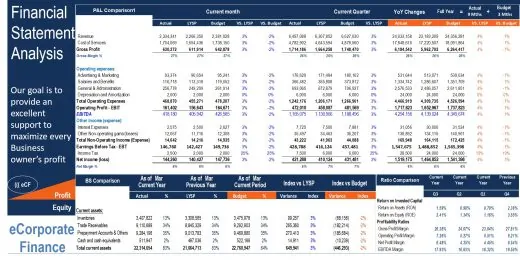
The main purpose of the model is to allows user to easily compare the financial performance result from one period to the next or between actual and b... read more
The Pharmacy Financial Model template helps entrepreneurs, pharmacy owners, consultants, analysts, and business plan writers turn a retail pharmacy co... read more
The Veterinary Clinic Financial Model Financial Model Template helps entrepreneurs, clinic owners, consultants, analysts, and business planners turn a... read more

The Liquor Store Financial Model helps entrepreneurs, store owners, consultants, analysts, and business plan writers turn a retail alcohol business co... read more

The goal of this model is to assist you with starting or buying a coffee farm. The financial spreadsheet templates assist in analysing and forecasting... read more
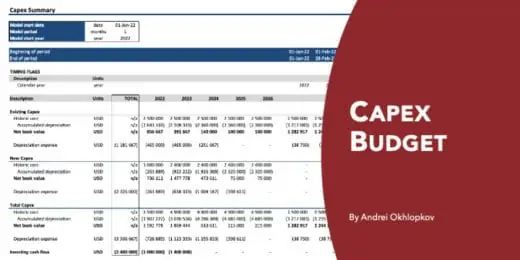
A professional template to budget investing cashflow, fixed asset book values and depreciation

Highly versatile and user-friendly Excel model for the preparation of a rolling 3 statement (Income Statement, Balance Sheet and Cash flow Statement) ... read more


Average rating:
Fully-Vetted Comprehensive Youtube Content Creator Financial Model + Video Series + eBook

The Daycare Center Financial Model helps entrepreneurs, childcare founders, consultants, analysts, and business owners turn a daycare concept into a s... read more
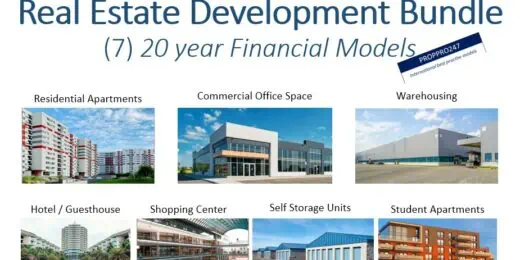
This Real Estate Development Bundle is a collection of real estate calculators or tools in MS Excel that will help with real estate development proje... read more

Budgeting & Forecasting Template suitable for either a Trade or Service company in any type of industry.


Real Estate Financial Model to evaluate a development project, with Equity Waterfall and Advanced Scenarios Modeling


Abacus is a bankable, easy-to-use, debt-sculpting financial model for use in renewable (solar, wind, etc.) energy as well as PPP transactions.
The Ophthalmology Clinic Financial Model is a ready-to-use financial model template designed to help founders, clinic owners, consultants, analysts, a... read more

The Nightclub Financial Model helps users turn a nightlife business concept into a structured financial forecast that can be used for planning, budget... read more

The Rice Farming Financial Model enables rice farmers and investor to evaluate an investment into a rice farming operation via Discounted Free Cash Fl... read more

A collection of templates suitable for various types of businesses/industries, covering major accounting, financial analysis, business valuation, and ... read more

Average rating:Submit Rating
3 statement 5 or 8 year rolling financial projection Excel model for an investment holding company holding investments in up to 8 portfolio companies ... read more

The Gift Shop Financial Model helps users build a structured financial forecast for a retail gift store without starting from a blank spreadsheet. It ... read more

The Purpose of the 4 Step Budget Analysis Spreadsheet Template is to offer a user-friendly solution to track your budget on a monthly basis. The budge... read more

3-Statement 5 year rolling financial projection Excel model with valuation for existing/startup Asset Management business managing customer investment... read more
The Tea Room Financial Model helps entrepreneurs, operators, consultants, and business planners turn a tea room concept into a structured financial fo... read more

The Financial Business Plan Template for starting a Nail Salon was developed to obtain a comprehensive view on the economics and financial prospects o... read more

Average rating:Submit Rating
Cash Flow Projection Template Highlights One-year Cash Flow Projection template is a useful tool for cash flow forecasting and for effectively plannin... read more

The Dairy Farm Valuation Model forecasts the expected financials for a dairy farm and calculates the resulting DCF value.

Average rating:Submit Rating
3 statement 5 year rolling financial projection Excel model for a startup /existing business engaged in construction or engineering projects

The Preschool Financial Model helps entrepreneurs, childcare founders, preschool owners, consultants, and financial analysts turn an early childhood e... read more
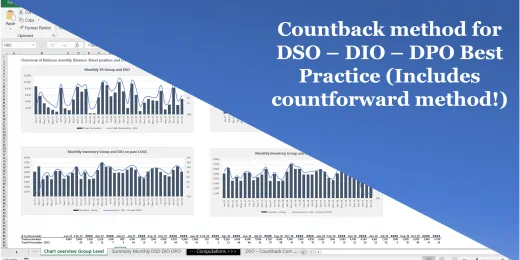
The right way to compute DSO DIO DPO - Using the countback method, fully automated!

Toll Road Build and Operate financial model is a project finance model for construction and operations of a toll concession

The forestry financial model is a comprehensive financial model in Excel which allows to calculate the financial viability (IRR, NPV, ROI multiple) f... read more

Average rating:Submit Rating
One Excel file for this bundle of Valuation and Financial forecasting models. Storage Parks, Hotels, Commercial Office Buildings, Retail Shopping Cent... read more

Average rating:
A detailed and user friend financial model that captures 5 years of Historical + 1 Year of Budget + 5 Years of the forecast period.

Average rating:Submit Rating
Financial model presenting a development scenario for a Hotel including construction, operation, and valuation phases.

Average rating:
User-friendly 3 statement 5 year rolling financial projection Excel model for existing/startup healthcare business

A Project-Level Financial Model to assess the financial feasibility of setting up and operating a Green Hydrogen Gas Production Plant with detailed NP... read more

The Daycare Center Financial Model helps entrepreneurs, childcare founders, consultants, analysts, and business owners turn a daycare concept into a s... read more


This financial report explained the trend in quantity sold, sales per day, number of pax, average spending per person, and customer turnover for the r... read more

Financial Model providing a dynamic up to 10-year financial forecast for a startup Manufacturing Company.

The Social Media Agency Financial Model helps users turn an agency concept, launch plan, or growth strategy into a structured five-year financial fore... read more
The SaaS Business Financial Model helps founders, entrepreneurs, consultants, analysts, and business owners build a structured financial plan for a so... read more

The Private Equity Acquisition Model provides a business valuation of a target company for investment. The Private Equity Acquisition Model allows for... read more

Average rating:Submit Rating
A fundamental and professional budget / business plan

Average rating:Submit Rating
Financial Model providing a dynamic up to 10-year financial forecast for a startup or existing Car Wash Business.
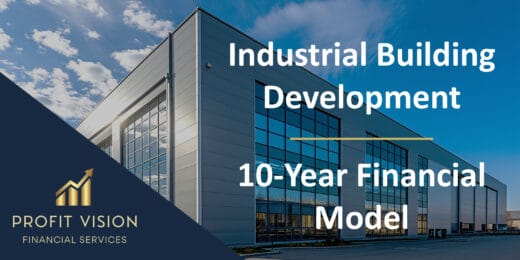
Financial model presenting a development scenario for a Multi-Tenant Industrial Building including construction, operation, and valuation phases.
Professional Realtors need a professional Toolkit which allows them to operate at a higher level. The ALL-IN-ONE Quintessential Real Estate Toolkit in... read more

This banana tree plantation financial model serves as a financial planning tool for evaluating a banana farm's financial feasibility and fundraising p... read more
Average rating:
Highly versatile and user-friendly Excel model for the preparation of a rolling 3 statement (Income Statement, Balance Sheet and Cash flow Statement) ... read more

This detailed, yet easy to use three statement financial model will allow you to calculate your business' profit and loss, build a balance sheet and c... read more

The Fruit Farming Financial Model helps users turn a fruit farm concept, orchard expansion, or agricultural investment plan into a structured financia... read more
The Hair Salon Chain Financial Model helps entrepreneurs, salon owners, consultants, analysts, and business planners create a structured financial for... read more
You might also like:
- 10 Tips to Develop a First Class Business Valuation Report
- Understanding the Debt Service Coverage Ratio: An Essential Metric for Financial Analysis
- Financial Ratios Analysis and Its Importance
- Finding a Valuation Model for Your Business
- 10 Main Elements of a Business Plan
- Unlocking The Full Potential of Meal Prep Business Plan PDF
- How to Value a Business Using a Discounted Cash Flow Model
- 10-Step Financial Planning Checklist for Smart Executives
- How to Build a Capitalization Table
- The Essential Guide to Calculating the Cap Rate for Real Estate Valuations
- Financial Modeling for Small Businesses
- 12 Funding Sources for Businesses and Startups
- Commercial Real Estate Valuation Methods: Helping Investors in Taking Informed Decisions
- Financial Planning for Small Business Owners – Taking an SBA Loan
- Finding Fair Market Value: A Quick Guide to Real Estate Valuation
- Why Financial Forecasting Models Are Vital for Your Business
- Financial Forecasting Models by eFinancialModels
- Top 10 Mistakes in DCF Valuation Models
- Simple Capitalized Earnings Business Valuation Model
- Developing a 5 Year Financial Projection Template
- Key Financial Ratios

eFinancialModels Team
Content Manager
The eFinancialModels Team showcases the combined expertise of seasoned professionals in financial modeling, valuation, and business analysis. Our goal is to share practical knowledge, insights, and best practices drawn from real-world experience across industries such as renewable energy, real estate, SaaS, manufacturing, and finance.
Through our articles and templates, we aim to make complex financial modeling concepts accessible and actionable—helping entrepreneurs, investors, and finance professionals make smarter business decisions.


