
0 ITEMS

Intangible Assets
Here is a collection of financial model templates that includes intangible assets. Basically, financial models which involve the calculation of assets that are not physical in nature such as Goodwill, brand recognition and intellectual property, etc.


🔥 Premium Tokenomics & Web3 Token Launch Financial Model A…

The Data Center Development Financial Model by PDMM is a…


Investment-banking style M&A merger model built for fast deal screening…


The Discounted Cash Flow (DCF) method isn't just a valuation…


This NVIDIA Financial Model Template in Excel has been built…


Highly versatile and investor-ready Excel model designed to assess the…

Comprehensive AI-Native Platform 5-Year financial projection model offering subscriptions and/or…


AIaaS (AI as a Service) Fundraising Financial Model provides a…


This financial model is specifically designed for grocery store businesses,…

A versatile and advanced Financial Forecasting Model built to suit…
This Beverage Manufacturing Company Financial Model Template has been built…

A fully comprehensive Financial Forecasting Model, suitable for all types…

This Enterprise Resource Planning (ERP) SaaS Financial Model Template has…
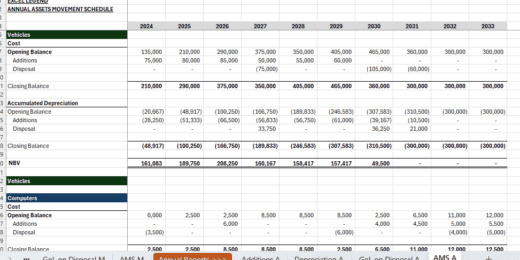

This model provides a detailed monthly and annual report of…


Our comprehensive financial model for infrastructure construction projects offers detailed…

Introducing our Solar Project Finance Model – a comprehensive tool…

Highly Dynamic and Easy-to-Navigate Excel Financial Projections Model that allows…


Welcome to the Hospitality (Hotel) Company Financial Model and Valuation,…

This Excel model is a highly adaptable and user-friendly tool…


LBO Excel Template for Private Equity Investors. Simple to follow,…

Discover the CPG Company Financial Model and Valuation, an essential…

Discover the eCommerce - Online Retail Company Financial Model and…

An integrated and comprehensive Blue Ammonia Production Plant Model that…

An integrated and comprehensive Blue Hydrogen Production Plant Model that…

Our sophisticated merger financial model is a versatile and powerful…

The financial model for a car wash business is a…

User-friendly financial model to project and analyse the financial outcomes…
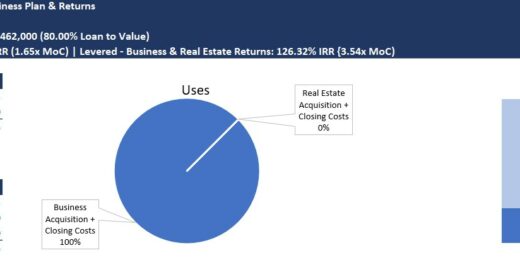

Pro Forma Models created this model to analyze the financial return…


A modelling template that covers every aspect of the vast…


The Simple Retail Chain Rollout Financial Model simulates the rollout…
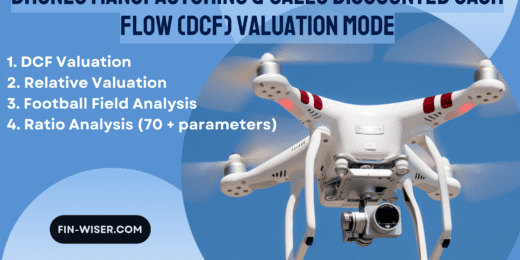
The financial model that performs a DCF & Relative valuation…
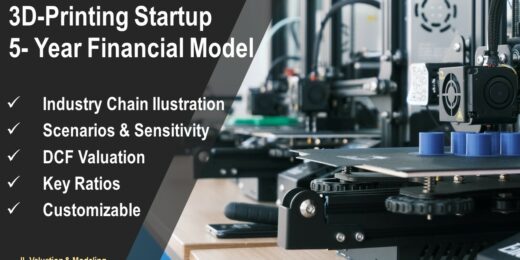

This model provides a full 5-year financial model for a…
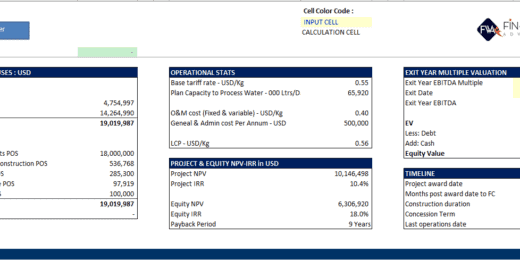
The Perfect tool to assess the financial feasibility, proposal to…
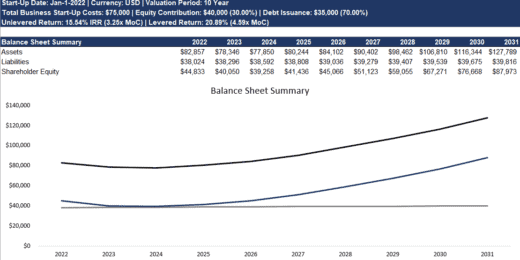
This model can be used to analyze the financial return…


Financial Model analyzing operations and performing valuation for a Commercial…

A financial model that performs a DCF valuation on Storage…




This financial model provides a comprehensive financial plan template for…


Merger and Acquisition Model template consists of an excel model…

Fully-Vetted Comprehensive Cloud Services Financial Model + Video Series +…
Fully-Vetted Comprehensive Online classified Financial Model + Video Series +…
Fully-Vetted Comprehensive Data Sales Financial Model + Video Series +…

Fully-Vetted Comprehensive Video Streaming Financial Model + Video Streaming Guide…
Fully-Vetted Comprehensive Online Marketplace Financial Model + Video Series +…

3 statement 5 year rolling financial projection Excel model for…

Fully-Vetted Comprehensive eCommerce Financial Model + Video Series
Fully-Vetted Comprehensive Coworking Financial Model + Video Series + eBook

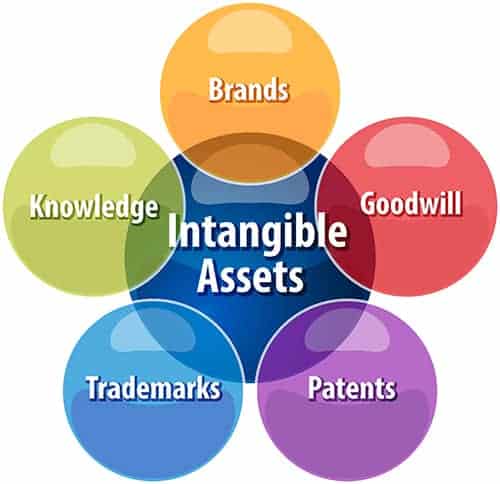

Intangibles are defined as “non- physical assets such as franchises,…
Building Financial Plans for Success in Intangible Assets

In today's rapidly evolving global economy, intangible assets have emerged as pivotal elements that can substantially alter an organization's value. Unlike physical assets such as machinery or buildings, intangible assets are non-physical resources that often encompass intellectual property (IP), trademarks, patents, brand equity, and goodwill. These assets, though invisible, are frequently the backbone of modern businesses, offering a competitive edge and driving innovation. Financial planning for intangible assets has, therefore, become critical for enterprises aiming to capitalize on these inherently valuable resources.
Crafting an effective financial plan requires more than merely recognizing the existence of intangible assets; it involves diligently evaluating their potential contributions to a company's growth and sustainability. Conventional valuation methods that work seamlessly for tangible assets often falter when applied to intangible ones. As such, understanding these nuances is essential for investors, business leaders, and financial planners alike. This article delves into the essence of intangible assets, key performance indicators for assessing their value, and the role of strategic financial planning to unleash their true potential.
Understanding Intangible Assets: Definition and Importance
Intangible assets, by definition, are identifiable non-monetary assets without physical substance. They include a wide array of items that hold economic value and contribute to future benefits for the owning entity. Intellectual property like patents and copyrights not only safeguard inventions but also generate revenue through licensing or commercialization. Trademarks and brand equity enhance the market visibility of businesses, engendering customer loyalty and repeating sales. Goodwill, though a bit abstract, represents the reputational capital of a company, often considered during mergers and acquisitions.
The importance of intangible assets has grown exponentially with the advent of the knowledge economy. In sectors such as technology, pharmaceuticals, and media, intangible assets can form the majority of a company's market value. As they become increasingly significant, businesses face challenges in appraising them accurately. Unlike tangible assets, the value of intangible assets isn't always visible on the balance sheet, and their worth can fluctuate significantly, influenced by market perceptions, technological advancements, and legal considerations.
These valuation complexities arise because intangible assets often lack a direct market comparison, or their benefits may stretch far into the future, making traditional assessment techniques inadequate. Moreover, the risk intrinsic to the unpredictability of their useful life adds another layer of complexity. Hence, determining the precise financial value of intangible assets demands sophisticated financial models and keen insights into market trends and business strategies.
Key Performance Indicators (KPIs) for the Intangible Asset Industry
Financial planning in the intangible asset sector utilizes specialized KPIs to appreciate the nuances of these non-physical elements. Understanding these indicators provides businesses with a comprehensive overview of how their intangible assets contribute to broader organizational objectives.
Valuation multiples, including price-to-earnings ratios, are foundational for quantifying intangibles. These multiples help align intangible asset valuation with market standards, reflecting their potential revenue contributions over time. An analysis of intellectual property lifespan further aids in planning by estimating the remaining economic life of these assets, allowing businesses to strategize around patent expiration or trademark renewals.
Return on Investment (ROI) in intangible assets requires a nuanced approach, focusing on the specific returns these assets generate. Traditional ROI calculations might not capture the long-term value produced from brand loyalty or proprietary technology. Brand equity metrics, on the other hand, help evaluate the financial impact of a brand’s reputation and customer perceptions, directly affecting revenue and market share.
Incorporating these KPIs into financial modeling can significantly enhance the strategic planning process. They offer insights into potential risks and returns, helping leaders make data-informed decisions that align with the company's goals and market realities.
Elements of Financial Planning in the Intangible Asset Sector
A robust financial plan for intangible assets must consist of several core components, each addressing different facets of asset management and strategic foresight. Foremost among these is revenue projection. Predicting income streams from intangible assets demands a deep understanding of market dynamics, consumer behavior, and technological trajectories.
Cost structure analysis is equally crucial. It involves deciphering the costs involved in creating, maintaining, and enhancing intangible assets, which may include R&D expenses, legal fees for patent protection, and marketing expenditures for brand strength. Recognizing these costs enables businesses to allocate resources efficiently and maintain competitive advantage.
Risk management in the intangible asset domain requires particular attention, given the volatility and uncertainty associated with these resources. Companies must identify potential threats, such as legal disputes, IP infringement, or obsolescence, and develop strategies to mitigate these risks effectively.
For firms looking to attract investors, financial models that clearly articulate the value and growth potential of intangible assets can be particularly enticing. Fundraising strategies need to convey the promise of these assets' future performance, leveraging well-articulated projections and substantiated valuations.
A long-term strategic outlook is indispensable, with financial plans built around anticipated market trends and evolving consumer expectations. By aligning intangible asset management with these broader business objectives, firms can sustain growth and innovation in increasingly complex markets.
The Case for MS Excel Spreadsheet Templates in Financial Planning
Microsoft Excel remains a formidable tool in financial modeling, especially within the context of intangible assets. Excel templates boast several advantages that cater to the intricate demands of this sector.
Customization stands out as a key benefit, allowing users to tailor models to fit specific industry requirements or company parameters. Whether it's adjusting for sector-specific valuation methods or mapping unique branding strategies, Excel’s flexibility makes it ideal.
Data visualization in Excel facilitates the transformation of complex KPI data into intuitive charts and graphs, promoting clearer understanding and communication of financial insights. Additionally, Excel's capability for scenario planning enables users to test various business assumptions and explore alternative financial outcomes, crucial for strategic decision-making.
Efficiency is another hallmark of Excel templates, streamlining the financial analysis process, reducing errors, and saving valuable time. Real-world examples frequently illustrate how Excel has successfully supported financial planning efforts in the realm of intangible assets, confirming its efficacy.
Conclusion: Fueling Success Through Informed Financial Decisions
In the intangible asset industry, specialized financial planning and insightful KPI assessment are indispensable for sustained success. These tools enable businesses to harness the full potential of their intangible assets, ensuring competitive advantage and long-term profitability. MS Excel, with its versatile templates, remains a pivotal force in achieving these objectives, facilitating precise modeling and informed investment choices.
We invite you to explore eFinancialModels’ extensive selection of high-quality financial model spreadsheet templates, specifically tailored to the intangible assets sector. By leveraging these specialized resources, you can pave the way for strategic financial planning success and secure your organization's place in the modern economy's ever-evolving landscape.
Frequently Asked Questions about Financial Planning in Intangible Assets
- What defines intangible assets? Intangible assets are non-physical resources like intellectual property, trademarks, and brand equity, which hold economic value and contribute to a company's future benefits.
- Why are intangible assets important? In the knowledge economy, intangible assets are critical as they can substantially outweigh tangible assets, particularly in technology, pharmaceuticals, and media sectors.
- How is the value of intangible assets assessed? Unlike tangible assets, intangibles require sophisticated financial models and market insights due to valuation complexity from factors like lack of direct market comparison and long-term benefits.
- What are the key performance indicators for intangible assets? KPIs include valuation multiples, intellectual property lifespan analysis, ROI specific to intangible assets, and brand equity metrics to assess value and impact.
- How can MS Excel assist in financial planning for intangible assets? MS Excel offers customization, data visualization, scenario planning, and efficiency, making it a powerful tool for financial modeling in this sector.
You might also like: