
0 ITEMS

Dairy Farming
Financial model templates for dairy farming provide a structured framework for farmers to project and analyze the financial performance of their operations. These templates typically include sections for income statements, cash flow projections, balance sheets, and key financial ratios. They help dairy farmers forecast milk sales revenues, account for feed, labor, veterinary services, and equipment costs, and evaluate profitability and liquidity. Farmers can make informed decisions about scaling their operations, managing expenses, and securing financing using these templates, ultimately leading to more sustainable and profitable dairy farming practices.
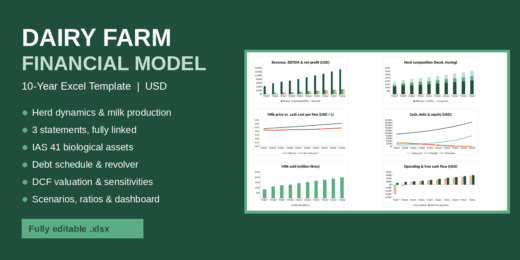

A complete, fully linked Excel financial model for dairy farms,…
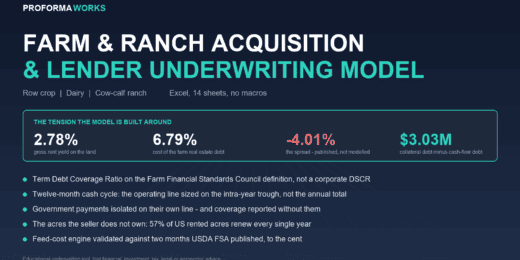

The collateral will support a loan this big - can…

Dynamic and investor-focused 10-year financial model, designed to evaluate the…
Financial Model providing a dynamic up to 10-year financial forecast…


Purchase Dairy Farming Financial Projection. Sources & Uses, Profit &…


This is a collection of financial model templates for businesses…
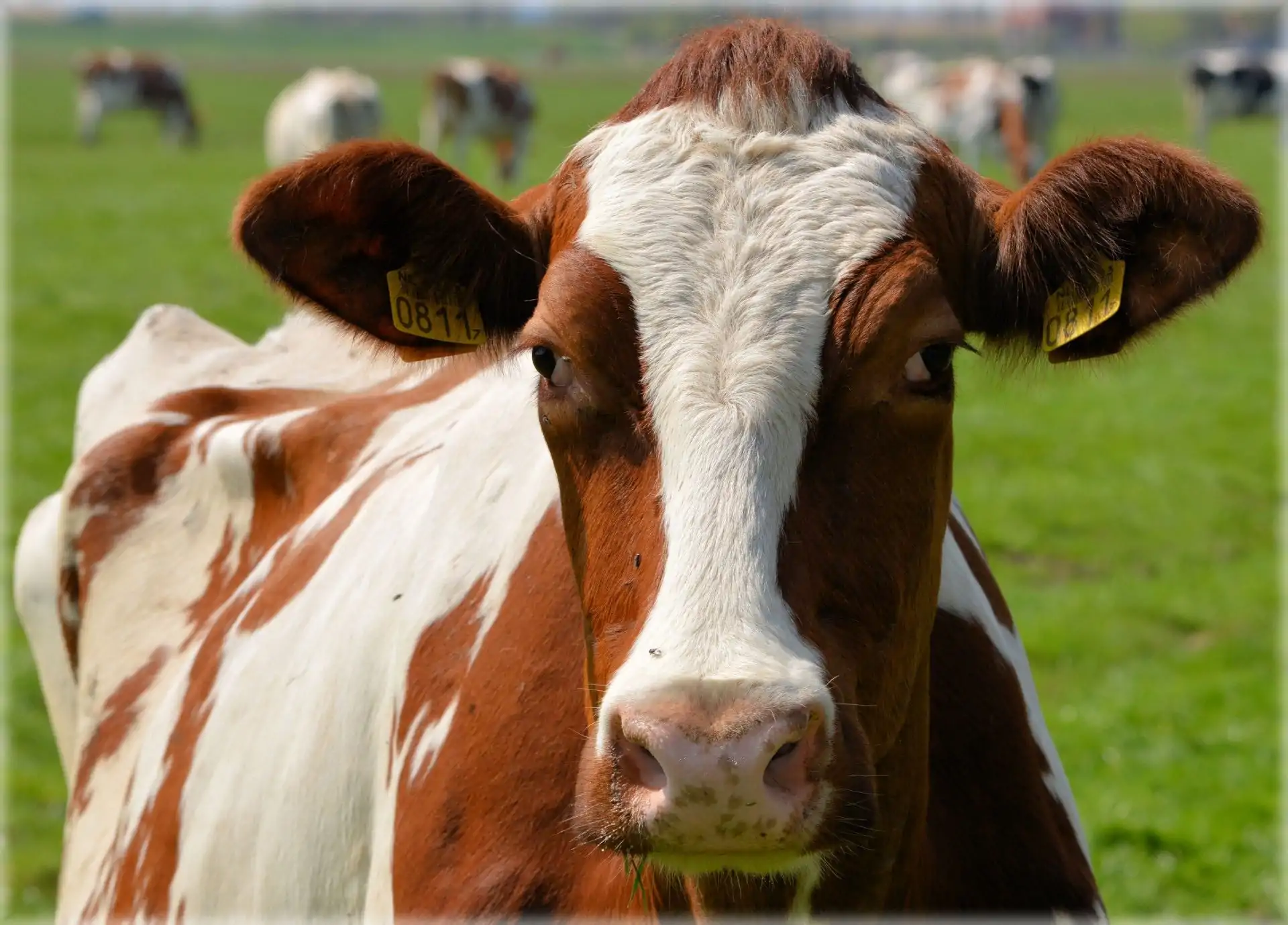
Dairy Farming Industry Explained: Everything You Need to Know

The dairy farming industry is a pillar of the agricultural sector, responsible for producing milk and various dairy products worldwide. When you wake up in the morning, what does your breakfast usually contain? What are the staples in your fridge and pantry? The dairy farming industry plays a significant role in global nutrition and rural economies. Production of milk and dairy products provides essential nutrients like calcium, protein, and vitamins as well as supports millions of livelihoods, particularly in rural areas where dairy farming is a primary source of income. As an entrepreneur looking to tap into the agricultural sector, dairy farming presents a robust and lucrative opportunity. This article explores various aspects of dairy farming, including the global dairy farming industry, financial modeling, sustainable dairy farming practices, essential equipment, and more. By understanding these aspects, we can recognize the significance of dairy farming, the necessity for sustainable practices, and how to make informed decisions to establish a successful dairy farming business.
Milking the Economy: The Global Dairy Farming Industry
The global agricultural economy is a stage for the dairy farming industry, covering the production, processing, and distribution of dairy products. Countries like the United States, India, China, and Brazil are leading producers of milk. Europe also plays a significant role, with countries like Germany and France being major contributors. Millions of jobs worldwide are tied to the dairy farming industry, from farm workers to those involved in processing and distribution. It also contributes to rural economies and ensures food security. The industry's economic impact is profound, providing a steady income for farmers, and generating tax revenues for governments. This means that the industry is contributing to the overall gross domestic product (GDP) of many countries. Like any other industry, dairy farming has stakeholders that play a critical role in maintaining the industry's health. This ensures a continuous supply of dairy products to markets worldwide. These include farmers, dairy cooperatives, processors, retailers, consumers, government agencies, and non-profit organizations. It’s undeniable that the dairy farming industry offers a pathway to economic growth and stability. So, understanding the importance of these stakeholders is crucial for building a successful dairy business. It might be tempting to jump into the dairy train, but the industry is not without challenges. Milk prices are often regulated or subsidized by governments, meaning it's not a free market at all. Dairy producers frequently find themselves less powerful than supermarket chains. How so? These giants dominate the pricing and sales dynamics. Take Switzerland as an example, many small dairy farms are closing because the milk price does not cover their costs, illustrating the financial difficulties faced by smaller operations. This analysis proves that the size of the farm is crucial for the profitability of dairy farming. Large farms can benefit from economies of scale, making it easier to run a profitable operation. While small farms, on the other hand, often struggle to break even. Notable large dairy farms include Al Marai in Saudi Arabia, which has thousands of cows producing milk in air-conditioned stables, showcasing how scale and technology can enhance productivity.Maximizing Profitability of Dairy Farming
The profitability of dairy farming is highly influenced by the size and scale of the operation. As mentioned earlier, larger farms often enjoy economies of scale. It allows them to spread costs over a greater volume of production, leading to higher profit margins. However, size is not the only path to profitability. Dairy farmers can explore several additional revenue streams to boost their financial outcomes. To maximize the Profitability of dairy farming, dairy farmers can explore additional revenue streams beyond traditional milk sales:- Cheese Production: By processing milk into cheese, farmers can add value to their raw product, creating higher-margin goods that can be sold at premium prices. This not only diversifies income but also reduces dependency on fluctuating milk prices.
- Biogas Production: Manure from cows can be used to produce biogas, a renewable energy source. By investing in biogas plants, farmers can monetize cow excretions and sell biogas at premium prices, especially to companies seeking to offset their carbon emissions. This sustainable practice not only generates additional income but also contributes to environmental conservation efforts.
From Pasture to Table: Defining Dairy Farming
The practice of dairy farming dates back to around 8,000 BCE in the Middle East. Dairy farming by definition, involves the raising and management of cattle, primarily cows, for the production of milk. This milk can be consumed directly or processed into products like cheese, butter, yogurt, and more. Over the millennia, it spread to different civilizations, evolving with advances in breeding methods and agricultural techniques. For instance, selective breeding has led to cows that produce more milk, and innovations in animal nutrition have improved overall herd health. Let’s quickly go over the key concepts in dairy farming:- Milking: the process of extracting milk from dairy cows
- Herds: groups of dairy cows
- Pasture: refers to land covered with grass and other low plants suitable for grazing animals.
Selecting the Right Cows: Understanding Dairy Breeds and Their Yields
The type of cow you choose for your dairy farming operation can significantly impact your productivity and profitability. Different breeds are suited to various climate zones, and understanding their characteristics is crucial for optimizing milk production.- Climate Adaptation: Some cow breeds are better suited to specific climates. For instance, Holstein cows, known for their high milk yield, thrive in temperate climates, while Jersey cows, which also produce high-quality milk, can adapt well to hotter climates.
- Production Focus: Dairy cows are bred for either milk or meat production. While dairy cows like Holsteins and Jerseys are optimized for milk production, some breeds, like the dual-purpose Brown Swiss, are suitable for both milk and meat. Male calves from dairy breeds are often raised for beef production.
- Milk Yield: The milk yield per cow varies significantly between breeds. Below is a comparison of average milk yields by breed based on Official - Supervised records in Canada for 2023:

Selecting the right cow breed for your farm's climate and production goals is essential for maximizing efficiency and profitability. By understanding these factors, you can better plan and manage your dairy farming operations for optimal outcomes.
Milk Consumption Trends: Understanding Market Demand
Understanding market demand and selecting the right dairy breeds are critical steps in entering the dairy farming industry. Detailed analysis of these factors can significantly influence your farm's strategic positioning and operational success. Market demand analysis is a systematic approach to understanding the demand for a product or service within a specific market. In dairy farming, a market demand analysis might reveal trends such as increased consumer interest in organic and grass-fed dairy products. Understanding these preferences can guide dairy farmers to adopt sustainable practices and market their products to health-conscious consumers, thereby maximizing profitability and market share. Market demand analysis usually reveals the following:- Per Capita Consumption: In the United States, per capita milk consumption is notably high. Americans consume an average of 18 gallons of milk per person annually, reflecting a strong domestic demand for dairy products. This high consumption rate indicates a robust market, providing opportunities for dairy farmers to capitalize on consistent consumer demand.
- Trends and Influences: Several trends influence market demand for dairy products. Health trends, such as increased awareness of the nutritional benefits of milk, drive consumption. Additionally, the popularity of dairy alternatives and plant-based milk can impact market dynamics. Understanding these trends helps tailor your production and marketing strategies to meet consumer preferences and demand.
- Regional Differences: Market demand can vary significantly by region. In some countries, dairy consumption is deeply ingrained in cultural and dietary practices, while in others, dairy products are less prevalent. Identifying regions with high growth potential can guide expansion and marketing efforts.
Green Pastures: The Path to Sustainable Dairy Farming
Ensuring long-term viability, protecting the environment, and improving animal welfare are key to sustainable dairy farming. Practices that ensure the long-term viability of dairy operations, protect the environment, and improve animal welfare are growing increasingly important in dairy farming. These practices include:- Organic Dairy Farming: Organic dairy farming focuses on natural ways of maintaining cow health and milk quality. This method avoids synthetic chemicals like pesticides, fertilizers, and antibiotics. Instead, they use organic feed, pasture grazing, and natural treatments to keep cows healthy. For example, herbal treatments and homeopathy can be used to treat cattle ailments without using pharmaceutical drugs. Organic certification assures that dairy products follow particular requirements, which appeals to consumers who seek natural and environmentally friendly products.
- Grass-Fed Dairy Farming: Cows in grass-fed dairy farming are predominantly fed pasture. This considerably increases the nutritious value of the milk produced. Grass-fed milk includes more essential fatty acids, such as omega-3s and Conjugated Linoleic Acid (CLA), and vitamin E. This strategy enhances cow health and is consistent with consumer preferences for natural, nutritious dairy products. An example is the dairy farms in New Zealand, which allow cows to graze on lush pastures all year. This results in high-quality milk that is in high demand around the world.
- Rotational Grazing: Rotational grazing includes moving animals between pastures to promote grass growth and soil health. Farmers use cow rotation to prevent overgrazing, reduce soil erosion, and enhance biodiversity. This approach keeps the pasture healthy and enhances the cows' diet, resulting in healthier, more productive animals. For example, a farmer may divide his land into multiple paddocks and rotate the herd every few days. This strategy may also eliminate the requirement for additional feed, cutting total expenditures and environmental effects.
- Environmental Benefits:
- Reduces pollution
- Improves soil health
- Enhances biodiversity
- Economic Benefits:
- Leads to higher profits due to premium pricing
- Lowers input costs
- Social Benefits:
- Improves animal welfare
- Provides better working conditions for farm workers
- Entrepreneurial Benefits:
- Enhances brand reputation
- Opens new market opportunities

Tools of the Trade: Essential Equipment in Dairy Farming
How do larger farms manage to be efficient? Larger farms manage to be efficient by leveraging essential equipment and advanced technology. Here are the key factors that contribute to their efficiency:- Milking Machines: Automate the process of extracting milk, increasing efficiency. These machines can milk multiple cows simultaneously, reducing labor costs and time.
- Feed and Water Systems: Ensure cows receive adequate nutrition and hydration, which is critical for their health and milk production.
- Manure Management Equipment: Helps manage waste to reduce environmental impact, turning potential pollutants into valuable fertilizers.
- Cooling and Storage Systems: Maintain the quality and safety of milk until it is processed, ensuring that the milk remains fresh and free from contaminants.
- Automated Milking Systems: Allow cows to be milked as needed, improving efficiency and cow comfort.
- Precision Farming Tools: Use data to optimize feeding, milking, and health management.
- Animal Health Monitoring Devices: Track health indicators to provide timely care and improve overall herd health.
Navigating Dairy Farming Finances: Building a Solid Financial Model
A dairy farming financial model is a critical tool for entrepreneurs and investors to evaluate the economic viability and profitability of dairy operations. This involves creating detailed projections of revenue, expenses, cash flows, and potential financial outcomes based on various scenarios and assumptions. Key components of a dairy farming financial model include:
Initial Capital Investments: Starting a dairy farm requires significant upfront investments in various areas. These initial expenditures are crucial for establishing the infrastructure and operations necessary for a productive and efficient dairy farm. Here are things to consider in your initial capital investments:
- Land Acquisition: The process of purchasing or leasing farmland is a significant upfront cost. This land provides the space necessary for grazing and housing livestock. For example, acquiring a large parcel of land allows for rotational grazing, improving pasture health and cow productivity.
- Equipment Purchases: Investing in essential equipment such as milking machines, feed systems, and manure management equipment is vital for efficient dairy operations. Milking machines, for instance, automate the milking process, saving labor and time while ensuring consistent milk quality.
- Livestock Procurement: Acquiring healthy dairy cows is crucial, as the quality and productivity of the herd directly impact milk production levels. For instance, purchasing high-yield breeds like Holsteins can significantly boost milk output, enhancing overall farm profitability.
- Feed and Nutrition: Providing adequate nutrition for cows is a major ongoing cost. High-quality feed ensures cows remain healthy and productive. For example, investing in a balanced diet with a mix of silage, hay, and concentrates can improve milk yield and quality.
- Labor Costs: Hiring skilled labor to manage daily farm operations is essential. This includes tasks like feeding, milking, and maintaining equipment. Effective labor management can lead to more efficient farm operations and better animal care.
- Veterinary Care: Regular veterinary services are necessary to maintain herd health and prevent disease outbreaks. Preventative care, vaccinations, and prompt treatment of illnesses are crucial for sustaining high milk production levels.
- Milk Sales: The primary source of income for dairy farms is selling raw milk to processors or directly to consumers. Establishing contracts with local dairies can provide a steady and reliable income stream. For example, partnering with a local dairy processor can ensure a consistent market for your milk. Doing so will reduce the uncertainties associated with fluctuating demand.
- Sales of Other Dairy Products: You can generate additional revenue by producing and selling value-added products like cheese, butter, and yogurt. These products often command higher prices, improving overall profitability. For instance, a farm can invest in a small-scale creamery to process and market its dairy products. This will allow them to cater to niche markets such as organic or artisanal dairy products. Not only does this diversify income, but also builds a unique brand identity that can attract a loyal customer base.
- Price Fluctuations: Dairy product prices can vary due to market demand, supply chain dynamics, and economic conditions. For example, fluctuations in global milk prices can affect local farm revenues. This makes it important to stay informed about market trends. Changes in season, international trade policies, and consumer preferences can also impact prices. Farmers must develop strategies to cope with these fluctuations. Some ways to do so are diversifying their product range or securing fixed-price contracts.
- Productivity Rates: Milk production efficiency and yield per cow have a substantial impact on farm productivity and profitability. Monitoring and improving cow productivity through better feed, breeding practices, and health care can boost farm performance. For instance, implementing precision farming techniques can optimize feed ratios and improve overall herd health, leading to higher milk yields. Regular performance evaluations and adapting best practices from high-yield dairy operations can also enhance productivity.
- Disease Outbreaks: Health issues such as mastitis or foot-and-mouth disease can severely affect herd productivity and increase veterinary costs. Implementing biosecurity measures and regular health monitoring can mitigate these risks. Maintaining good hygiene standards, vaccinating the herd, and isolating sick animals as soon as possible can all help to avoid disease transmission. It's also important to invest in wearable sensors that track cow health parameters, which can also provide early warning of potential epidemics.
- Regulatory Changes: Compliance with new agricultural regulations or changes in food safety standards may incur additional operational costs or adjustments. Staying updated with regulatory requirements and investing in compliance measures is essential for smooth operations. For instance, adhering to environmental regulations may require investments in waste management systems or adjustments in farming practices to reduce emissions. Engaging with industry associations and taking part in regulatory consultations can help farmers stay informed and prepared for upcoming changes.
Embracing Financial Modeling for a Sustainable Dairy Farming Future
Dairy farming is essential for global nutrition and economies, but it faces sustainability and environmental challenges that require innovative solutions. Advances in technology and sustainable practices will shape the future of dairy farming, ensuring its viability and reducing its environmental footprint. Innovations in breeding, feed efficiency, and waste management, along with better land use practices, will help mitigate the industry's impact on the environment. A dairy farming financial model is crucial for navigating these challenges and opportunities. By providing detailed projections and analyzing various scenarios, financial modeling enables dairy farmers to make informed decisions, optimize resource allocation, and implement sustainable practices effectively. This strategic approach not only enhances profitability but also secures long-term sustainability by identifying potential risks and opportunities for improvement. Embracing sustainability is critical for the long-term success of the dairy farming industry, benefiting the environment, economy, and society. By prioritizing sustainable practices and leveraging financial modeling, the dairy farming industry can ensure that it continues to provide essential nutrition and economic benefits while preserving the planet for future generations. Financial modeling is an indispensable tool that helps align economic goals with environmental stewardship, paving the way for a more resilient and responsible dairy farming sector.You might also like: