
0 ITEMS

Car Dealer
Listed here are financial model templates designed for businesses in the industry of car dealing and its related sectors.


A professional Excel and Google Sheets financial model built for…
A professional Excel and Google Sheets financial model built for…

A professional Excel and Google Sheets financial model built for…


A comprehensive editable, MS Excel spreadsheet for tracking an EV…

A comprehensive editable 3 3-statement MS Excel spreadsheet for tracking…


Welcome to the Car Dealership Company Financial Model and Valuation,…


This Financial Model Template provides an advanced 5-year financial plan…

Financial Model providing a dynamic 10-Year Financial Plan for a…


Lifetime access to all future templates as well! Here is…


The Retail Financial Plan is an all-inclusive financial planning template…


Online Car Rental Platform Business Plan Model is a perfect…

This is a tool designed to help car salespeople. The…
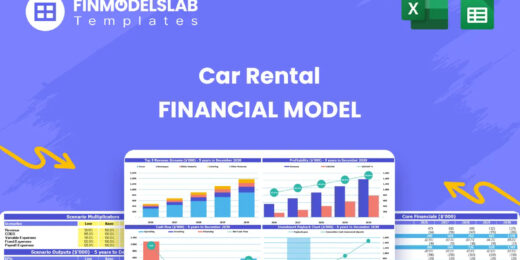

The Car Rental Financial Model helps entrepreneurs, founders, business owners,…


This is simple and easy to understand Discounted Cash Flow…

Build a 5-year financial projection for a used car lot…
Boosting Profitability Through Effective Car Dealer Financial Planning

In the fast-moving world of the automotive industry, car dealers stand at the intersection of consumer needs, economic trends, and technological advancements. The challenge of maintaining a profitable car dealership requires more than just a keen eye for operational efficiencies and customer preferences. It demands a sophisticated approach to financial planning that can navigate the complexities of market shifts and economic conditions. This article will delve into effective car dealer financial planning, exploring the unique financial landscape of the industry, identifying key financial metrics, and providing strategic insights to boost profitability.
Car dealerships operate within a distinctive financial framework influenced by various industry-specific factors that require careful navigation to sustain and grow profitability. This article synthesizes these complexities and provides actionable insights into how financial metrics and strategic planning can play pivotal roles in boosting profitability. By understanding and leveraging these components, car dealers can enhance their financial operations and drive growth.
Navigating the Unique Financial Landscape of the Car Dealer Industry
The automotive industry is continuously evolving, with market dynamics playing a crucial role in shaping the financial performance of car dealers. As consumer preferences fluctuate, economic conditions shift, and technology advances, dealers must stay ahead of the curve to maintain profitability. For instance, the electric vehicle (EV) trend has prompted dealerships to adapt their inventories and strategies. Market segmentation also plays a vital role, with dealerships needing to differentiate their approaches between luxury and budget cars. Tailoring strategies to distinct consumer segments can significantly affect sales and margin performance.
Key financial metrics are essential for car dealers to monitor as they directly impact business success. Metrics such as turnover ratios, gross and net profit margins, and the relatively obscure but vital Days to RoD (Receive or Deliver) provide insights into the efficiency and profitability of a dealership. Inventory turnover ratios measure how effectively a dealership manages its stock, while receivables turnover indicates the efficiency of credit sales collection. Understanding these metrics enables dealers to optimize their operations and make informed decisions.
External factors, including regulatory changes and interest rates, also heavily influence financial planning. Regulatory shifts can affect the cost of compliance and sales operations, while fluctuating interest rates impact the cost of financing. Staying informed about these changes enables dealers to adjust their strategies proactively, preserving profitability amidst evolving external conditions. Dealers must incorporate these elements into their financial strategies to maintain a competitive edge and ensure resilient operations.
Key Components of Strategic Financial Planning for Car Dealers
Strategic financial planning for car dealerships involves several critical components designed to optimize the operational and financial health of the business. Sales forecasting is the foundation of any strategic financial plan. Techniques for accurate forecasting involve analyzing historical sales data, assessing seasonal trends, and conducting comprehensive market research. Differentiating between new and used car sales within forecasts can provide a clearer picture of revenue streams and assist in setting realistic sales targets, allowing dealers to better align their operations with market demands.
Identifying and managing operating expenses is another vital component. Understanding the breakdown of fixed versus variable costs, such as rent, utilities, salaries versus commissions, and marketing allows dealerships to implement effective cost control measures. Fixed costs remain constant regardless of sales volume, while variable costs fluctuate with sales activity. By identifying inefficiencies and utilizing strategic cost control strategies, dealerships can minimize expenses and maximize profitability.
Cash flow management is imperative for maintaining liquidity and operational stability. Cash flow projections, including management of Days Sales Outstanding (DSO), help dealers anticipate cash inflows and outflows. Moreover, understanding the effects of financing options, like floor planning and dealership financing, on cash flow ensures that a dealership can sustain its operations without liquidity constraints. Disciplined cash flow management supports the financial health and growth potential of the business.
Enhancing Profitability Through Performance Analysis
Performance analysis is key to unlocking the full profitability potential of a car dealership. Sales mix optimization is an essential aspect that delves into understanding the sales contribution from various models, including new, used, and service sales. Analyzing the product mix helps dealers identify profitable segments and align their offerings with market demands, ultimately maximizing profitability through targeted sales strategies.
Customer relationship management (CRM) metrics are also integral in evaluating a dealership’s performance. By assessing the lifetime value of customers specifically to car sales, dealerships can implement strategies to enhance customer retention and drive repeat business. Effective follow-up and customer engagement can foster brand loyalty and increase incremental sales, providing a substantial boost to overall revenues.
Utilizing financial ratios for strategic decisions is crucial for informed performance evaluation. Key ratios such as return on equity (ROE) and return on assets (ROA) offer insights into a dealership's efficiency and profitability. These ratios guide decision-making processes related to potential expansions, inventory purchases, and staffing, ensuring that strategic initiatives align with the financial goals of the dealership.
Utilizing Financial Modeling for Improved Decision-Making
Financial modeling is an indispensable tool for decision-making within car dealerships. MS Excel is a preferred platform for financial planning due to its flexibility and robustness. Excel models can be customized based on specific dealership needs, integrating multiple data sources for comprehensive financial analysis. They allow dealers to project future performance, assess financial outcomes, and navigate the complexities of financial planning with confidence.
Quick analysis and scenario planning in Excel enable dealers to explore different scenarios, such as best-case and worst-case outcomes. Sensitivity analysis helps in understanding the impact of changes in key assumptions on a dealership’s financial performance. This capability is vital for strategic planning as it allows dealers to explore potential outcomes and make proactive decisions to navigate challenges effectively.
eFinancialModels offers a suite of pre-built financial modeling templates specifically designed for car dealers. These templates provide user-friendly interfaces, professional designs, and ease of use, enhancing the financial planning processes of dealerships. By leveraging these templates, dealers can streamline their financial management, leading to improved financial outcomes and strategic growth.
Conclusion: Achieving Greater Profitability in Car Dealership Operations
Effective financial planning is crucial to navigating the complex financial landscape of the car dealership industry. By focusing on industry-specific metrics, strategic planning, and leveraging financial modeling tools, car dealers can enhance operational efficiencies, optimize sales strategies, and ultimately boost profitability. Understanding the impact of market dynamics, external factors, and customer relationships plays a pivotal role in achieving desired financial outcomes.
The strategic use of key performance indicators, financial ratios, and scenario analysis provides invaluable insights into a dealership’s financial health and future potential. For car dealers keen on enhancing their financial planning efforts, exploring the financial model spreadsheet templates available at eFinancialModels can be an excellent step toward achieving greater profitability. Embracing advanced financial planning tools and techniques is paramount for dealerships aiming to stay competitive and drive sustainable growth in the evolving automotive landscape.
Encouraging car dealers to integrate these templates into their operations can lead to more informed decision-making, efficient financial management, and ultimately, the successful realization of their business goals. Ready to take your car dealership to new heights? Visit eFinancialModels.com to start transforming your financial planning process today.
FAQ: Understanding Financial Planning for Car Dealers
- What is the importance of financial planning in the car dealership industry? Financial planning is critical as it helps car dealers navigate the industry’s complexities, optimize operations, maximize profitability, and adapt to market changes.
- How do external factors impact car dealer financial planning? External factors such as regulatory changes and interest rate fluctuations affect compliance costs, sales operations, and the cost of financing, necessitating strategic adjustments to maintain profitability.
- What financial metrics should car dealers monitor? Car dealers should monitor turnover ratios, profit margins, and Days to RoD, as these metrics provide insights into operational efficiency and profitability.
- What role does sales forecasting play in strategic financial planning? Sales forecasting provides a foundation for setting realistic sales targets, aligning operations with market demands, and optimizing revenue streams.
- How can financial modeling improve decision-making for car dealers? Financial modeling facilitates comprehensive financial analysis, scenario planning, and sensitivity analysis, aiding in informed and strategic decision-making processes.
- Where can car dealers find financial modeling templates? Car dealers can explore pre-built financial modeling templates at eFinancialModels, which offer customizable and user-friendly solutions for enhanced financial planning.