
0 ITEMS

Wind
Financial model templates and financial business planning tools for wind park projects in the renewable energy sector
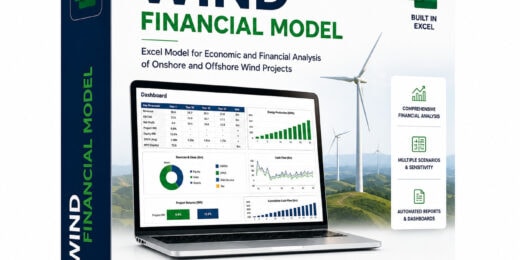

If you develop, advise on or finance utility-scale onshore wind…


Download this ready-to-use Renewable Energy Financial Model—expertly built by an…
A dynamic, ready-to-use Excel template for Battery Energy Storage System…

Project Finance Model for a development and operating scenario of…

Financial Model providing a dynamic up to 10-year financial forecast…

A comprehensive editable, 20-year 3-statement MS Excel spreadsheet for tracking…


Our Solar Power Plant Financial Model is a comprehensive tool…

A comprehensive editable, MS Excel spreadsheet for tracking Solar Energy…

Comprehensive financial model designed for analyzing renewable energy projects, such…

This comprehensive 40-year tool aid investors in evaluating potential risks…


This green hydrogen financial model template builds a multi-year financial…

The Green Hydrogen from Wind Financial Model aims to comprehensively…


User-friendly 3 statement yearly rolling financial projection Excel model for…

A collection of user-friendly Project Finance Models in the Renewable…

Project Finance Model for a Wind Farm projecting revenue, operating…


The Renewable Energy Project Finance model is used to provide…


A self-made Modeling Test with a solution for Onshore Wind…


Advanced financial model in Excel format for project finance simulations…


Abacus is a bankable, easy-to-use, debt-sculpting financial model for use…

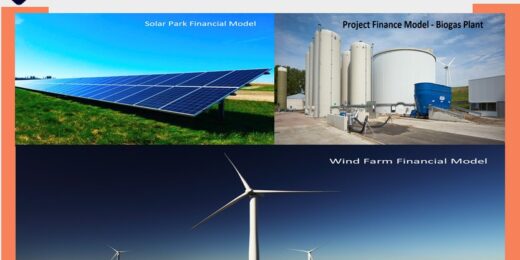

Take this opportunity and get a discount by getting the…

Wind Farm FM is a Project Finance Model for construction…
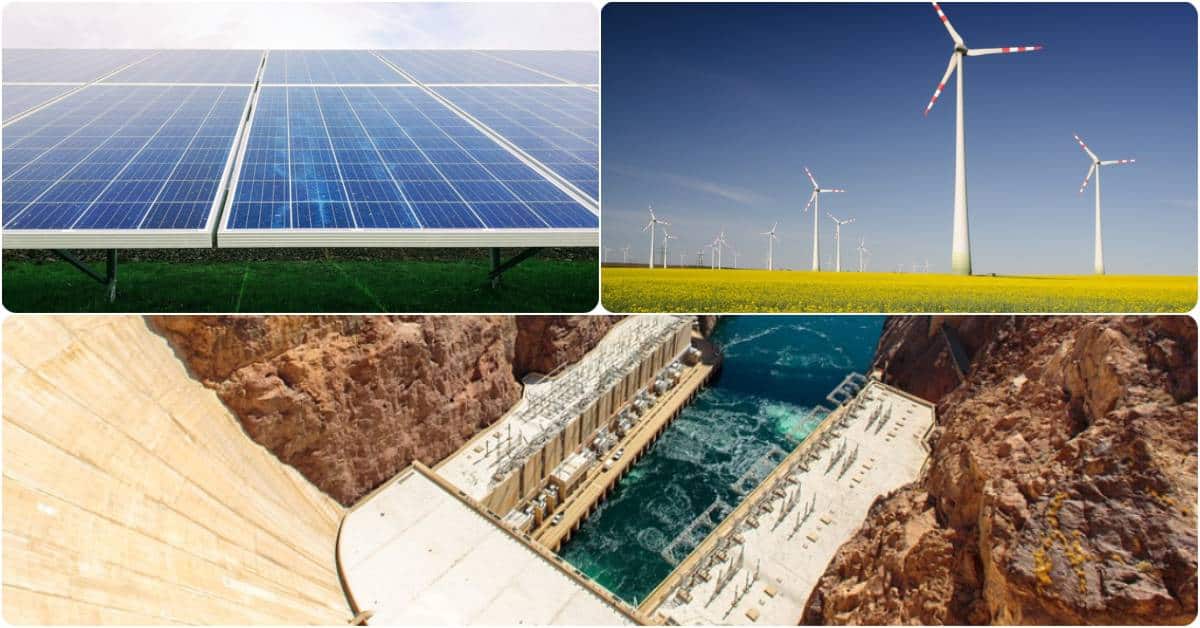
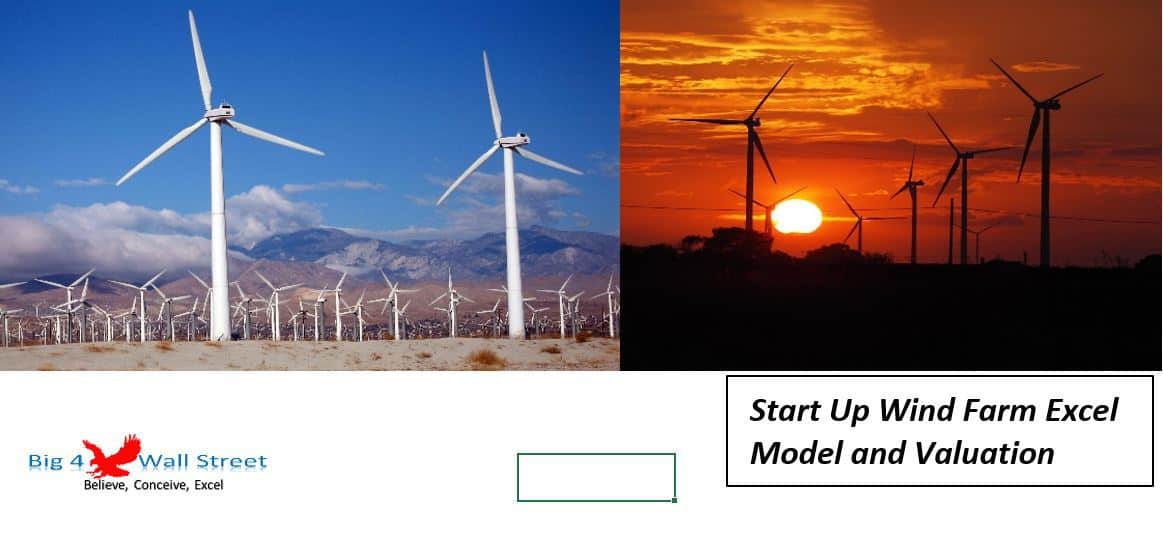

Start Up Wind Farm Excel Model presents the business case…

This is a collection of financial model templates for projects…

The Wind Farm Financial Model provides a powerful 40-year forecast,…
Maximizing ROI Through Effective Financial Planning in the Wind Industry

Renewable energy is no longer the future; it is current reality, rapidly transforming the global energy landscape. Central to this green revolution is the wind industry, which has experienced unprecedented growth over the past few decades. As the sector matures, financial planning becomes increasingly critical to maximizing returns on investment (ROI) and sustaining competitive advantage. In this comprehensive exploration, we delve into key aspects of effective financial planning within the wind industry and highlight the tools and strategies designed to ensure optimal financial performance. The wind industry stands as one of the most promising sectors in renewable energy, characterized by ambitious growth trajectories, technological advancements, and supportive policy landscapes. Global installed wind capacity has risen dramatically, fueled by declining costs and increasing demand for clean energy. Prominent industry players, including multinational corporations and specialized renewable energy firms, play a pivotal role in driving this momentum forward alongside policymakers, regulators, and financiers. The regulatory environment profoundly influences financial planning. Government policies such as tax incentives, feed-in tariffs, and renewable energy mandates are vital drivers of project viability and profitability, offering developers a more predictable investment landscape. For detailed insights on how to leverage financial models in this context, explore our range of financial model templates.
Exploring the Global Wind Industry Landscape
The global wind industry is characterized by robust expansion and dynamic growth trends. Over recent years, the sector has experienced exponential increases in capacity and technological efficiency, making it an integral component of the global energy transition. Countries worldwide are investing heavily in renewable energy solutions, with wind power being a cornerstone of their strategies. As a result, key players in the wind industry ecosystem—manufacturers, project developers, and energy producers—are exerting considerable influence over energy markets. Government policies and incentives play a crucial role in the viability and financial planning of wind projects. Subsidies, tax breaks, and renewable energy targets established by nations have facilitated an environment conducive to wind energy expansion. These measures have not only made projects more economically viable but also attracted substantial investments from both public and private sectors. Investors and developers must navigate these regulatory landscapes knowledgeably to optimize their financial planning strategies, ensuring compliance while capitalizing on available benefits. For assistance in navigating these regulations, our Excel templates can be a valuable resource.Key Financial Performance Metrics for Wind Energy Projects
This section elaborates on notable financial metrics that play a crucial role in measuring the performance of wind energy projects, assisting stakeholders in making informed decisions.Capacity Factor
The capacity factor is a fundamental metric that quantifies how efficiently a wind project converts available wind resources into electricity. This measure is pivotal to revenue generation as it determines the potential output of a wind farm relative to its maximum capacity. Site assessment and wind resource evaluation are critical stages in maximizing capacity factors, as they help in identifying optimal locations with consistent wind patterns. Through thorough analysis, developers can enhance project performance by selecting high-potential sites, leveraging our scenario analysis templates for effective evaluations.Levelized Cost of Energy (LCOE)
LCOE is a vital financial metric used to assess the feasibility and competitiveness of wind projects. It represents the average cost of producing electricity over the lifetime of a project, considering all direct and indirect costs. Comparing LCOE across various energy sources allows stakeholders to evaluate the cost-effectiveness of wind energy against traditional fossil fuels and other renewable options. The declining LCOE of wind power, attributed to technological advancements and economies of scale, underscores its financial attractiveness. For insights into reducing LCOE through efficient financial modeling, consider our financial modeling services.Return on Investment (ROI)
ROI remains a key indicator for evaluating the financial attractiveness of wind projects. It measures the profitability of an investment by comparing net profit to the initial cost. Emphasizing both long-term and short-term ROI considerations is essential, as wind projects typically involve significant upfront costs followed by stable, long-term revenue streams. Sustained returns are best achieved through strategic financial planning that accounts for project lifecycles, market conditions, and policy shifts. Using financial planning tools can significantly enhance ROI analysis.Payback Period
The payback period provides insights into the time required for a wind project to recover its initial investment, playing a pivotal role in cash flow analysis. Factors influencing this metric in the wind industry include technological advancements, operational efficiencies, and market conditions. Projects with shorter payback periods are generally preferred by investors, as they offer quicker returns, mitigating risks associated with rapidly changing policy landscapes and energy markets. For a deeper dive into cash flow considerations, check our cash flow projection templates.Crucial Elements for Robust Financial Planning in Wind Industry
In this section, we examine the essential components that drive effective financial planning within the wind industry, ensuring sustainable project success.Project Financing Structures
Effective financial planning in the wind industry is closely tied to the choice of project financing structures. Commonly utilized mechanisms include equity, debt financing, and public-private partnerships, each offering unique advantages and challenges. Selecting the right financing mix is crucial to optimizing ROI, as it balances risk and reward while ensuring capital availability for project execution. Utilize our comprehensive financial analysis tools to evaluate your options effectively.Budgeting for Operations and Maintenance
Operations and maintenance (O&M) costs significantly impact the financial sustainability of wind projects. A detailed understanding of these expenses, coupled with flexible budgeting strategies, is necessary to accommodate unforeseen operational uncertainties. Efficient budget management in O&M areas such as turbine maintenance and infrastructure support can enhance overall project profitability, and our budgeting templates can streamline this process.Sensitivity Analysis and Scenario Planning
Sensitivity analysis and scenario planning are indispensable tools for realizing robust financial outcomes. By exploring how variations in key variables, such as energy prices and policy changes, affect project performance, developers can craft resilient financial models. Excel-based scenario modeling offers a practical avenue for testing diverse financial scenarios, helping stakeholders develop informed and adaptable investment strategies. For more details, refer to our guide on scenario planning tools.Advantages of Excel Spreadsheet Templates for Financial Planning
This section outlines the benefits of utilizing Excel spreadsheet templates specifically designed for financial planning in the wind industry, enhancing analysis and decision-making processes.Tailored Financial Models for the Wind Industry
Excel spreadsheets offer highly customizable templates developed to address industry-specific KPIs, including capacity factors and LCOE. These models enable users to input unique project data, facilitating tailored financial planning that aligns with specific objectives and conditions. Pre-built templates save time and resources, enabling faster decision-making and enhancing project analysis capabilities. Explore our selection of Excel templates designed specifically for the wind industry.User-Friendly Interface
The intuitive design of Excel templates ensures accessibility for both financial analysts and project managers. Users can efficiently track metrics, compare financial scenarios, and generate comprehensive reports, promoting transparency and informed decision-making across project lifecycles.Enhanced Collaboration and Reporting
Excel templates facilitate seamless collaboration among teams and stakeholders through shareable models. They easily integrate data from multiple sources, providing a holistic view of financial outcomes. This capability not only enhances communication but also supports comprehensive planning efforts across diverse project stakeholders.Conclusion: Strategies for Maximizing Returns on Investment
Effective financial planning is indispensable for success in the wind industry, empowering stakeholders to navigate complex landscapes and optimize investments. By leveraging industry-specific KPIs and strategic financial metrics, decision-makers can enhance project feasibility and achieve superior ROI. Utilizing specialized Excel templates further refines this process, offering tailored solutions that streamline financial modeling efforts. As the global push for renewable energy continues to gain momentum, exploring eFinancialModels’ tailored financial modeling templates can provide stakeholders with the insights needed to excel in the dynamic world of wind energy. Maximizing returns is not merely about achieving financial success but also contributing to a sustainable energy future.Frequently Asked Questions
- What is the significance of financial planning in the wind industry? Effective financial planning is crucial for optimizing returns on investment and navigating the complex regulatory landscape in the wind industry. It enables stakeholders to achieve sustained profitability and competitive advantage.
- How do Excel templates benefit financial planning in wind projects? Excel templates provide industry-specific models that streamline analysis, offer customization, and enhance collaboration, leading to better decision-making and improved financial performance.
You might also like: