
0 ITEMS

Shrimp Farming
Listed here are financial model templates designed for shrimp farming businesses and related sectors


The Shrimp Farming Financial Model helps entrepreneurs, aquaculture operators, consultants,…


This is a collection of financial model templates for businesses…
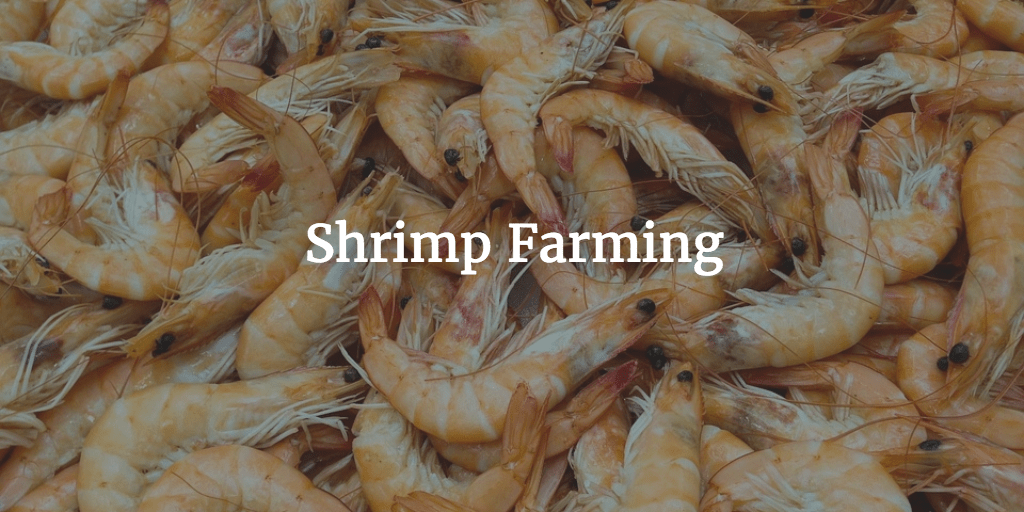
Profit Projections in Shrimp Farming Financial Planning

Shrimp farming has been steadily gaining traction as a lucrative venture within the aquaculture industry. Farmers and entrepreneurs are increasingly turning to sophisticated financial planning to maximize their returns in this dynamic field. Profit projections in shrimp farming financial planning play a crucial role in navigating the complexities of this industry. By leveraging comprehensive financial models, shrimp farmers can optimize operations, manage risks, and drive profitability. Understanding the industry landscape and employing strategic financial planning tools are essential for creating a successful shrimp farming venture. The shrimp farming market is influenced by several trends and factors. Growing global demand for seafood, advancements in farming technologies, and the rising awareness of health benefits associated with shrimp consumption are contributing to the industry's growth. Key regions dominating shrimp production include Southeast Asia, India, and Latin America, where favorable climatic conditions and rich water resources support intensive farming practices. Sustainability and environmental considerations have become paramount in this sector. Shrimp farming operations are increasingly focusing on adopting eco-friendly practices and adhering to stringent environmental regulations to minimize their impact on ecosystems.
Understanding the Shrimp Farming Industry Landscape
In recent years, the shrimp farming industry has witnessed significant developments, with a focus on increasing production efficiency and sustainability. Current trends in shrimp farming are driven by the growing consumer preference for seafood and the expansion of shrimp farming infrastructure globally. Technological advancements such as biofloc technology and recirculating aquaculture systems have further propelled the industry's growth, enabling farmers to enhance production while maintaining environmental balance. Key regions leading shrimp production include China, Thailand, Ecuador, India, and Vietnam. These regions benefit from optimal climatic conditions, abundant water resources, and favorable government policies supporting aquaculture development. However, the industry faces challenges such as disease outbreaks and biosecurity risks, which can drastically affect shrimp yield and profitability. Biosecurity measures and disease management practices are critical to ensuring a healthy shrimp stock and minimizing losses. You can find specific financial models related to biosecurity costs that provide insights into these areas. Regulatory frameworks also play a significant role in shrimp farming operations. Stricter regulations on water quality management, waste disposal, and sustainable farming practices have been imposed by governments worldwide. Compliance with these regulations is essential for shrimp farmers to maintain their operations and market access. Additionally, competition from wild-caught shrimp and other aquaculture sources presents a market challenge, requiring shrimp farmers to differentiate their products through quality and sustainable practices.Key Performance Indicators (KPIs) for Shrimp Farming Financial Planning
Effective shrimp farming financial planning hinges on the identification and monitoring of key performance indicators (KPIs). These metrics provide valuable insights into the efficiency and profitability of farming operations. One crucial KPI is the growth rate of shrimp stock, which directly impacts production volume and revenue. Monitoring shrimp growth and implementing appropriate strategies to optimize growth conditions can significantly enhance yield. The Feed Conversion Ratio (FCR) is another vital KPI, as it measures the efficiency with which feed is converted into shrimp biomass. Lower FCR values indicate better feed utilization and cost efficiency, directly influencing profitability. Additionally, survival rates are paramount in shrimp farming, as higher survival rates translate to increased yield and revenue. Implementing effective disease management and biosecurity measures can significantly improve survival rates. Production costs per kilogram of shrimp are a key metric that informs financial decision-making. By analyzing these costs using our financial modeling templates, farmers can identify areas for cost optimization and allocate resources effectively. Successful monitoring and analysis of these KPIs allow shrimp farmers to make informed strategic decisions, optimize operational efficiency, and drive profitability. Case studies of successful KPI tracking can serve as valuable examples for newcomers to the industry.Crafting a Comprehensive Financial Model for Shrimp Farming
Developing a comprehensive financial model is crucial for accurate profit projections in shrimp farming. A robust model encompasses various factors that influence revenues and costs. Revenue forecasting methods specific to shrimp farming take into account factors such as market demand, shrimp prices, and production volume. Accurate forecasting enables farmers to anticipate revenues and plan their operations accordingly. Understanding variable and fixed costs unique to the industry is fundamental to financial modeling. Feed costs, labor expenses, equipment maintenance, and energy consumption are some of the key cost components in shrimp farming. By identifying and categorizing these costs, farmers can construct a detailed financial model that outlines potential expenses and helps optimize resource allocation. For detailed templates on these aspects, refer to our financial modeling tools. Scenario analysis plays a crucial role in financial planning, allowing farmers to assess risks and uncertainties. Shrimp farming operations are susceptible to risks such as disease outbreaks, natural disasters, and market price fluctuations. By employing flexible financial models, farmers can simulate different scenarios and develop contingency plans to mitigate potential disruptions.The Advantages of Using MS Excel Spreadsheet Templates in Financial Planning
MS Excel remains the preferred tool for financial planning in the shrimp farming industry due to its accessibility and ease of use. Agricultural entrepreneurs favor Excel because it offers a customizable platform that can be tailored to suit various farming operations and scales. The ability to create automated calculations and formulas simplifies complex financial modeling processes. Financial modeling templates in Excel come equipped with key features that facilitate effective financial planning. Pre-built formulas for common calculations, such as payback period and net present value (NPV), streamline the modeling process. Additionally, Excel templates often include dashboards for visualizing KPIs and performance metrics, enabling farmers to monitor progress and make data-driven decisions. Collaboration and accuracy are enhanced when using shared Excel models within a team. Team members can access and update the model, promoting feedback loops and collective decision-making. Version control and data integrity are also crucial considerations, ensuring that all stakeholders work with the most up-to-date information.Conclusion: Advancing Your Shrimp Farming Venture with Effective Financial Planning
Tailored financial models are essential tools for successful shrimp farming operations. By adopting a strategic approach to financial planning utilizing KPIs and scenario analysis, farmers can navigate industry challenges and optimize profitability. Comprehensive financial models provide the insights needed to make informed decisions, manage risks, and adapt to changing market conditions. To advance your shrimp farming venture and unlock its full potential, consider incorporating specialized financial model spreadsheet templates from eFinancialModels. These templates are designed to streamline financial planning processes, enhance operational efficiency, and drive profitability. Embrace the power of effective financial planning today and position your shrimp farming business for success in the competitive aquaculture industry.Frequently Asked Questions (FAQs) About Shrimp Farming Financial Planning
- What are the most important KPIs for shrimp farming? Key Performance Indicators such as growth rate, Feed Conversion Ratio (FCR), and survival rates are crucial for assessing and managing farming operations.
- How do shrimp farmers benefit from using financial models? Financial models enable shrimp farmers to project profits, understand costs, optimize operations, and make informed strategic decisions.
- Why is scenario analysis important in shrimp farming? Scenario analysis helps shrimp farmers evaluate risks and uncertainties, allowing them to prepare for diseases, natural disasters, and market price fluctuations.
- Can Excel spreadsheets be used effectively for shrimp farming financial planning? Yes, Excel spreadsheets are favored for their accessibility and capability to create automated calculations, making them ideal for financial modeling in shrimp farming.
- What are the benefits of sustainable shrimp farming practices? Sustainable practices minimize environmental impact, comply with regulations, and can enhance the marketability and quality differentiation of shrimp products.
You might also like: