
0 ITEMS

Uses and Sources of Funds
Understanding the uses and sources of funds is crucial for investors as it assures them that their capital is deployed efficiently and not wasted on luxury or unnecessary expenses. Investors want to see management prioritize capital allocation effectively, ensuring funds are directed toward growth and value creation. Furthermore, the funding structure reveals whether the capital raised needs to be repaid (debt) or not (equity). Debt financing requires repayment, which could lead to financial strain or necessitate another funding round if there are insufficient cash flows. Therefore, a transparent and prudent approach to fund utilization and sourcing is essential for maintaining investor confidence and ensuring sustainable growth.
efinancialModels.com offers financial model templates as tools and gateways to a transparent and prudent approach to fund utilization and sourcing. These templates provide a structured framework for businesses to plan and manage their financial resources meticulously. By leveraging these models, companies can demonstrate their commitment to efficient capital deployment and sound financial management and involve investors in the planning process. The templates cover various funding scenarios, ensuring that both debt and equity financing are comprehensively analyzed for potential risks and returns. With efinancialModels.com, businesses can confidently showcase their strategic planning capabilities, fostering investor trust and promoting sustainable growth.


A clean, fully unlocked leveraged buyout model of a mid-market…

15-year financial model for a tea farm providing forecasts, profitability…
10-year financial model for a Wave Energy plant providing forecasts,…

15-year financial model for a sustainable aviation fuel plant providing…
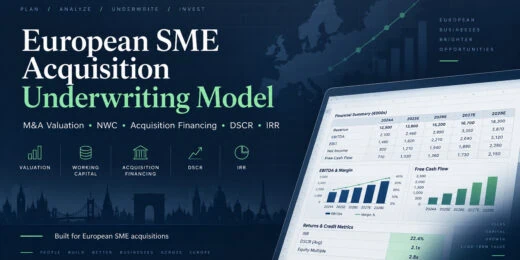

A practical Excel-based acquisition underwriting model designed for European SME…
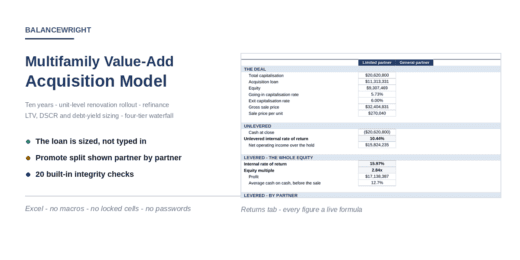

Underwrite an apartment value-add deal end to end. The loan…

Underwrite a small-business acquisition the way a lender will: SBA…


AI Data Center Power Procurement & Behind-the-Meter Generation Model ⚡…
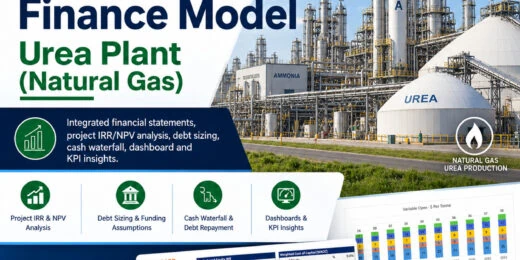

A detailed, institutional-grade urea plant financial model for a natural…
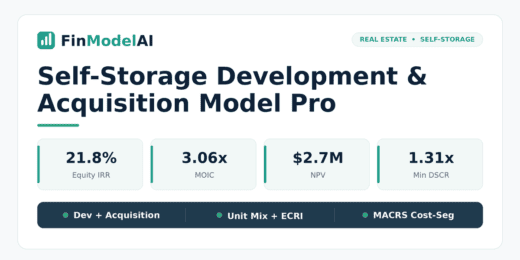

The Self-Storage Development & Acquisition Model Pro is an institutional-grade…

An institutional, lender grade Excel model for a temperature controlled…
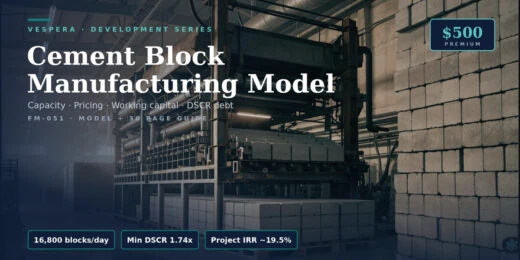
An institutional, lender grade Excel model for a concrete block…

An institutional, lender grade Excel model for a seawater reverse…

An institutional, lender grade Excel model for an urban bus…

🔥 Premium AI / LLM Company Valuation Financial Model A…
10-year financial model for a biomethane RNG plant providing forecasts,…
15-year financial model for a rice farm providing forecasts, profitability…


A ready-to-use Battery as a Service (BaaS) Financial Model Template…
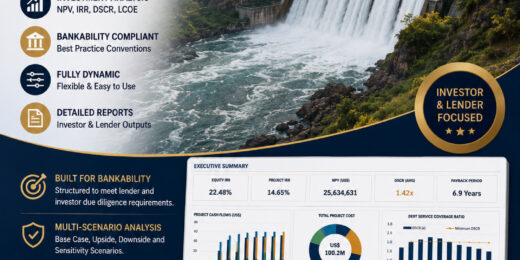

Small Hydropower Bankable Financial Model — Summary This is a…

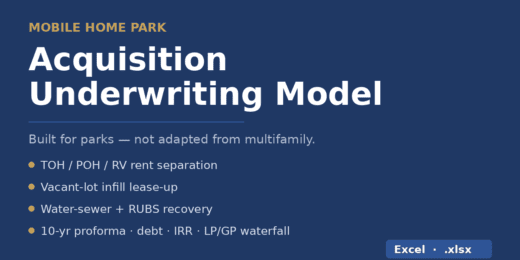

Underwrite a mobile home park deal in minutes: a model…

Plan and forecast your film production business with a ready…
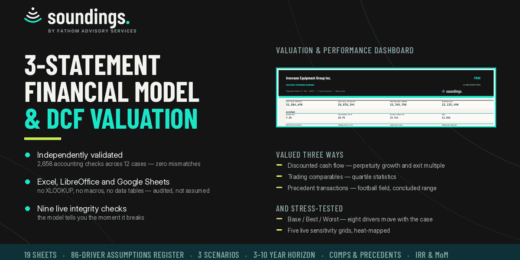

An integrated three-statement operating model valued three ways: discounted cash…

Download a ready-to-use Tennis Club Financial Model Template built for…

Premium Private School & University Financial Model designed for integrated…

Premium 30-year Oil & Gas Upstream and Downstream Financial Model…

🔥 Premium Tokenomics & Web3 Token Launch Financial Model A…

Premium Green Hydrogen Production Levelized Cost of Hydrogen model for…

🚀 Premium eVTOL / Urban Air Mobility Financial Model A…
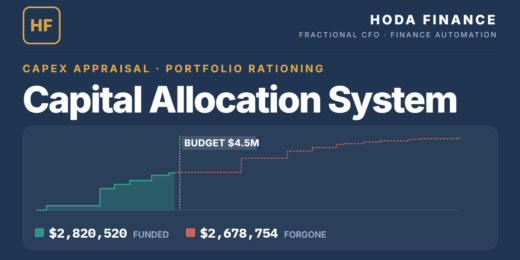

A 26-tab capital allocation system: 20 projects over 25 years,…

10-year financial model for a meat processing facility providing forecasts,…

10-year financial model for a Yacht & Sailing club providing…


A Solar + BESS template is a pre-built Excel financial…
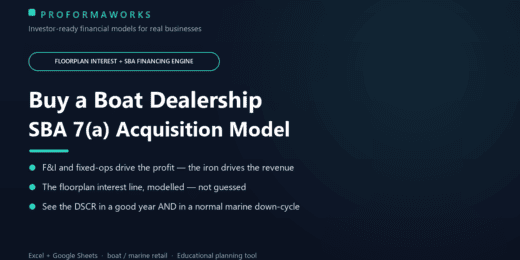

A professional Excel and Google Sheets financial model built for…
A professional Excel and Google Sheets financial model built for…
A professional Excel and Google Sheets financial model built for…

A professional Excel and Google Sheets financial model built for…

A professional Excel and Google Sheets financial model built for…

A professional Excel and Google Sheets financial model built for…

10-year financial model for a ski resort development providing forecasts,…

10-year financial model for a surf club providing forecasts, profitability…
15-year financial model for a cassava farm and processing plant…

Professional oil and gas modeling bundle with two fully editable…

A professional Excel financial model for residential building development projects…

The Data Center Development Financial Model by PDMM is a…

🚀 A professional Private Equity Buy-and-Build Roll-Up M&A Financial Model…

This Excel model is built for a hybrid P2P +…

A complete, editable Veterinary Clinic Financial Model Pro built for…

Plan, forecast and value a full-service events company with this…

FinModelAI Solar + BESS Project Finance Model Pro is an…


A bankable, institutional-grade LBO & acquisition model in Excel —…
Fin-Wiser’s Solar Off-Grid Hybrid & BESS Financial Model helps users…

Poultry Farm Financial Model – 10-Year Forecast, Valuation, Feasibility &…

🚀 AI GPU-as-a-Service / AI Compute Data Center Financial Model…


The main objective of this model is to develop a…

A premium Excel financial model bundle created by PDMM for…

Plan, finance, and optimize an EV fleet depot charging project…
A professional PFAS Water Treatment & Remediation Financial Model created…

Direct Air Capture Financial Model – Carbon Removal Credits, MRV, Offtake, Storage & Project Finance
A professional Direct Air Capture financial model built for durable…

10-year financial model for a convention center or expo hall…
Understanding Sources and Uses of Funds

Careful fund allocation is crucial for sustaining growth and ensuring long-term business success. For instance, a tech startup seeking to expand its operations must decide how to allocate its limited resources. Additionally, making strategic decisions about availing funds is pivotal for a company’s success. Consider a retail company planning to open new stores across several cities. The business must carefully choose between different funding sources to finance this expansion. Making smart decisions about the uses and sources of funds among businesses ensures the company can capitalize on growth opportunities while maintaining financial stability.
Exploring the uses and sources of funds among businesses is vital for understanding how companies sustain and grow their operations. By delving into this topic, one can uncover businesses' strategic decisions in allocating their financial resources, balancing operational expenses, and investing in future growth opportunities. Examining the diverse funding sources reveals how businesses navigate the economic landscape to secure the necessary capital. This exploration provides insights into effective financial management practices and highlights businesses' challenges and trade-offs in achieving monetary stability and growth. Join us in this comprehensive examination to better appreciate the economic strategies that drive business success.
Top Business Funding Sources to Fuel Your Growth
Understanding business funding sources is crucial for fueling growth and ensuring long-term success. Whether you're a startup looking to get off the ground or an established company aiming to expand, knowing where and how to secure funding can make all the difference. Different business funding sources offer unique advantages and challenges. By comprehensively understanding these options, businesses can strategically plan their financial future, optimize resource allocation, and effectively manage risks. This knowledge empowers entrepreneurs and provides a solid foundation for sustainable growth and innovation.Equity
Equity financing involves raising capital through the sale of shares in a company. This process can attract a range of investors, from private individuals (angel investors) to professional entities like private equity (PE) firms and venture capitalists (VCs). Private investors typically provide capital in exchange for ownership stakes, often with less rigorous due diligence than institutional investors. They can be high-net-worth individuals or business associates looking for investment opportunities. On the other hand, PE and VC firms bring capital, strategic guidance, and industry connections. They generally seek high-growth potential companies and are more involved in the management and strategic direction of the business. This type of financing is often essential for startups and companies in their growth phases, as it provides the necessary funds without the immediate pressure of repayment that comes with debt.Grants
Grants are non-repayable funds governments, foundations, and other organizations provide to support specific projects or initiatives. These funding sources are typically awarded based on a competitive application process, where applicants must demonstrate the feasibility, impact, and alignment of their projects with the grantor's goals. Grants can be a vital funding source for non-profit organizations, research institutions, and businesses engaged in innovative or socially beneficial activities. The primary advantage of grants is that they do not require repayment, making them an attractive option for funding projects that may not generate immediate financial returns but have significant long-term benefits.Equipment Leasing
Equipment leasing is a financing option allowing businesses to use equipment without a significant upfront investment. Instead of purchasing the equipment outright, businesses lease it from a leasing company for a specified period, paying regular installments. This arrangement can be particularly advantageous for companies that require expensive machinery, technology, or vehicles but prefer to preserve cash flow for other operational needs. Leasing agreements can be flexible, with terms that range from short-term leases to long-term arrangements, often including options to upgrade or purchase the equipment at the end of the lease term. One of the main benefits of equipment leasing is the ability to access the latest technology and equipment without the financial burden of ownership. It can be crucial for businesses in industries where technology rapidly evolves, ensuring they remain competitive without the risk of obsolescence. Additionally, leasing can offer tax advantages, as lease payments are often deductible as business expenses.Bank Financing
Bank financing involves obtaining funds from banks through loans or lines of credit to support business operations, expansion, or capital investments. This traditional form of financing requires businesses to undergo a rigorous application process, demonstrating their creditworthiness through financial statements, business plans, and sometimes collateral. Banks offer various loan products, including term loans, which provide a lump sum repayable over a fixed period, and revolving credit lines, which allow businesses to borrow, repay, and reborrow up to a predetermined limit. Bank loans can provide substantial funding and are often used for significant investments like property, equipment, or expansion projects. One of the main advantages of bank financing is the structured repayment plan, which allows businesses to manage their cash flows predictably. Interest rates on bank loans can be relatively lower than other financing forms, especially for companies with solid credit ratings. However, accessing business funding sources through bank financing can take time and effort, and bank loans often require collateral.
Use of Funds Example for Efficient Capital Allocation
Maximizing the use of business funds is essential for achieving sustainable growth and profitability. Strategic allocation of resources involves investing in areas that yield the highest returns, such as research and development, marketing, and equipment upgrades. Efficient cash flow management ensures that capital is available for critical initiatives, while cost-control measures help optimize operational efficiency. Companies can enhance their competitive edge and drive long-term success by meticulously planning and executing these financial strategies. Here are some use of funds example to maximize your investments:Equipment
Investing in equipment is crucial for many businesses, directly impacting production efficiency and product quality. This use of funds ensures that a company can maintain or increase its production capacity, reduce downtime, and improve overall operational efficiency. High-quality, modern equipment can also lead to cost savings in the long run by reducing maintenance costs and energy consumption. To maximize growth, use business funds for equipment that enhances productivity, reduces operational costs, and supports scaling, increasing overall efficiency and profitability.Inventory
Prioritizing inventory is not just important, it's a lifeline for businesses that sell physical products. Maintaining adequate inventory levels ensures that a company can meet customer demand promptly, avoid stockouts, and maintain sales momentum. By investing in inventory, businesses cannot only take advantage of bulk purchasing discounts and reduce lead times but also increase customer satisfaction by providing reliable product availability, a key factor in building customer loyalty. To maximize growth, use business funds to invest in high-demand inventory that ensures product availability, meets customer demand promptly, and reduces stockouts, boosting sales and customer satisfaction.Operations
Funding operations are vital to keeping the business's day-to-day activities running smoothly. These include salaries, utilities, rent, and other overhead costs. Prioritizing operational funding ensures the company can continue functioning without interruptions, maintain employee morale, and deliver consistent customer service or product quality. To maximize growth, allocate business funds to streamline operations, improve process efficiencies, and invest in technology and skilled personnel, enhancing overall productivity and enabling scalable expansion.Marketing
Prioritizing marketing is essential for business growth and brand awareness. Effective marketing strategies can attract new customers, retain existing ones, and increase overall sales. By investing in marketing, businesses can expand their reach, enter new markets, and create a strong brand presence, which is crucial for staying competitive in today's market. To maximize growth, use business funds for targeted marketing campaigns that increase brand awareness, attract new customers, and drive sales, ensuring a high return on investment.Networking Capital
Networking or working capital is the difference between a company's current assets and liabilities. Prioritizing working capital ensures a business has sufficient liquidity to meet its short-term obligations and operate effectively. Adequate working capital allows businesses to manage cash flow, invest in growth opportunities, and handle unexpected expenses without financial strain. To maximize growth, use business funds for working capital to maintain smooth cash flow, meet short-term obligations, and invest in opportunities that drive business expansion and stability.Property
Investing in property, whether through purchasing or leasing, provides a stable physical location for the business. Prioritizing this use of funds example ensures that the company has a suitable and strategically located place to operate, which can enhance brand image, improve customer accessibility, and provide a conducive environment for employees. Owning property can also be a long-term investment that appreciates. To maximize growth, use business funds to invest in property that enhances operational capacity, provides rental income, and appreciates, contributing to long-term financial stability and expansion opportunities.Research and Development
Investing in research and development (R&D) is critical for innovation and staying ahead of the competition. Prioritizing R&D enables businesses to develop new products, improve existing ones, and explore new technologies and processes. This investment can lead to significant competitive advantages, opening new revenue streams and ensuring long-term sustainability and growth. To maximize growth, use business funds for R&D to innovate new products, improve existing offerings, and stay competitive, driving long-term profitability and market share.By understanding and prioritizing these use of funds example, businesses can strategically enhance their operations, increase profitability, and achieve long-term success.

A Closer Look at the Sources and Uses of Funds Statement
Equity capital is considered expensive because it requires giving away a portion of ownership in the company. Therefore, raising only the necessary amount and allocating it efficiently is crucial. To ensure investors understand the efficiency of this allocation, they typically request a Sources and Uses of Funds Statement. This table details how the raised capital will be spent, assuring investors that the money will be used for the company's growth rather than for unnecessary expenses or personal gain by shareholders. When a company raises capital, investors expect it to be reinvested into the business to drive its success.The Sources and Uses of Funds Statement is a comprehensive roadmap detailing how an organization will finance its activities and allocate its resources. This statement breaks down the various origins of funds and pairs them with specific expenditures. By delineating these elements, the statement ensures that all financial aspects are transparently planned and accounted for and aids in aligning financial strategies with organizational goals, thereby providing stakeholders with a clear understanding of the organization's funding dynamics and fiscal responsibility. A Sources and Uses of Funds Statement is commonly used in budgeting, financial planning, and when seeking investments or loans.
The Sources and Uses of Funds Statement has three critical sections: Uses of Funds, Sources of Funds, and the Funding Required. Collectively, these sections provide a comprehensive overview of a project or business initiative's financial strategy.
Items Under the Uses of Funds Section
- Capital Expenditures (CAPEX) refers to the funds used by a company to acquire, upgrade, and maintain physical assets such as property, industrial buildings, or equipment. This expenditure is crucial for expanding the company's operational capacity and improving efficiency. For example, CAPEX could include costs for new machinery, renovations of existing facilities, or purchasing new technology. It is a significant use of funds because it directly impacts the company's long-term operational capabilities and asset base.
- Networking Capital is the difference between a company's assets and liabilities. It represents the short-term liquidity of a business and its ability to cover its short-term obligations. Uses of funds in this category typically include purchasing inventory, paying accounts payable, and covering other short-term liabilities. Maintaining adequate networking capital ensures smooth day-to-day operations and avoids liquidity crises.
- Operational Expenses include the day-to-day costs necessary to keep the business running. This category encompasses salaries and wages, rent, utilities, marketing, and administrative costs. These recurring expenses are crucial for sustaining the business's activities and generating revenue. Effective management of operational costs is vital for profitability and overall financial health.
- A Cash Reserve is a safety net of liquid assets for unexpected expenses or financial emergencies. It ensures that the company can continue operating smoothly during financial stress or unforeseen events. It can also be used to take advantage of sudden investment opportunities. A cash reserve is a prudent financial management practice that provides stability and flexibility.
Items Under the Sources of Funds Section
- Debt financing involves borrowing money that must be repaid over time with interest. This source can include bank loans, bonds, and other forms of credit. Debt financing is a common way for businesses to raise capital without diluting ownership. However, it also introduces fixed obligations in the form of interest and principal repayments, impacting cash flow and financial risk.
- Equity financing involves raising capital by selling the company's shares to investors. It can be done in various stages, each targeting different types of investors and capital needs. The seed stage is the initial funding used to start the business and often comes from the founders, friends, family, and angel investors. Series A funding, typically from venture capital firms, is used to optimize the product, user base, and business model. Series B financing helps a company grow past the development stage. It supports building the business on a larger scale, increasing market reach, and expanding the team. Series C funding aims to scale the company further, often preparing it for an initial public offering (IPO) or significant expansion into new markets.
Calculation of the Funding Required
The Sources and Uses of Funds Statement differs from traditional financial statements. Financial statements like the balance sheet and income statement provide a historical snapshot of a company's financial health. In contrast, the Sources and Uses of Funds Statement is a forward-looking financial plan. It projects a company's future cash inflows and outflows to estimate funding needs.You can use the cumulative peak minimum of free cash flow projections to calculate the most precise funding required. Free cash flow (FCF) represents the cash available after accounting for a company's operating expenses and capital expenditures.
Calculating the cumulative sum of FCF projections is straightforward. Imagine you have a list of FCF projections for each year. Start with the FCF for year one. In year two, add the year two FCF to the year one FCF to get the running total. Continue this process each year, adding the current year's FCF to the previous cumulative sum. It will give you a new total representing the combined cash flow up to that point in your forecast.
Calculating the cumulative sum of FCF projections shows how cash flow builds over time. The cumulative peak minimum then identifies the lowest point in that cash flow buildup, considering both positive and negative cash flow (losses). This point represents the maximum funding the company might need to cover any shortfalls between cash inflow and outflow.

Sample Sources and Uses of Fund Statement
Here’s a sample Sources and Uses of Funds Statement for a distillery business:
The "Uses of Funds" section details how the capital will be allocated: $4,298,800 for capital expenditures (CAPEX), $612,305 for net working capital, and $414,820 for cash reserves, offset by a negative $1,406,768 in operational adjustments, leading to a total use of $3,919,158. The "Sources of Funds" section shows the origin of the capital: $1,000,000 from debt financing and $2,919,158 from equity, ensuring the total sources match the total uses of $3,919,158. This balance gives the business a clear plan for efficiently utilizing the invested funds.
A Sources and Uses of Funds Statement generally provides a comprehensive overview of how a company plans to raise and spend its capital. It helps stakeholders understand the financial strategy and ensures adequate funds are available for the company's growth and operational needs.
Discover the Benefits of the Sources and Uses of Funds Statement
Understanding the uses and sources of funds is crucial for effective financial management and decision-making within an organization. It provides a clear picture of how funds are generated and where they are allocated. These can ensure that resources are utilized efficiently and that the organization can meet its financial obligations. They also aid in planning, controlling cash flow, and making strategic decisions that align with the organization's financial goals and objectives.Financial modeling can significantly enhance growth and maximize investment by leveraging insights about the uses and sources of funds. A sources and uses of funds statement is a financial document that outlines the origins of an organization's funds and details how those funds are allocated or spent over a specific period. It allows stakeholders to see exactly where the organization's money comes from and how it is being spent. A source and use of funds statement offers several benefits, including enhanced financial transparency and accountability. It helps identify potential areas of inefficiency, forecast future financial needs, and make informed decisions regarding budgeting, investment, and financing. Clearly delineating the inflow and outflow of funds supports compliance with financial regulations and improves trust with investors and creditors.
Through accurate financial modeling, organizations can project future financial performance on the different uses and sources of funds. It helps optimize the allocation of resources, identify the best sources of financing, and plan for sustainable growth. By using a sources and uses of funds statement, financial modeling enables organizations to strategically plan their uses and sources of funds strategically, ensuring they can capitalize on opportunities and mitigate risks effectively.
You might also like: