
0 ITEMS

Rice Farming
The global rice farming industry feeds billions and drives rural economies across Asia, Africa, and Latin America. It thrives on high demand, especially in growing populations. However, it faces rising costs, unpredictable weather, and shifting trade policies. Modern tech, such as smart irrigation and disease-resistant seeds, is helping farmers boost yields and stay competitive. The future of rice farming lies in balancing tradition with innovation.
Rice farming financial models help farmers and investors plan better. These tools forecast profits, costs, and break-even points using real data. They simplify decisions on land use, labor, and equipment. These models allow users to compare scenarios, prepare for risks, and attract funding. They turn rice farming into a more predictable and scalable business.

15-year financial model for a rice farm providing forecasts, profitability…


A dynamic, ready-to-use Excel template for Vertical Farming and Hydroponic…

Financial model presenting a Crop Farm business scenario.
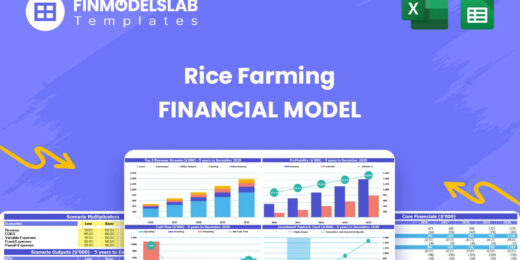

The Rice Farming Financial Model helps turn a rice cultivation…


This is a collection of financial model templates for businesses…

5 Essential Tips for Successful Rice Farming

Rice is not just a staple food for billions of people worldwide—it's also a potentially profitable agricultural venture for those who plan wisely. However, transforming rice farming into a sustainable business requires more than knowing how to grow the crop. Success depends heavily on strategic financial planning and operational efficiency.
From grasping the fundamentals of the rice farming cycle to evaluating climate and soil conditions, every decision counts. Investing in the right equipment, budgeting for operational costs, and drafting a detailed rice farming business plan that attracts funding and ensures profitability is vital. These 5 essential tips will help ensure your rice farming venture thrives in the field and on your balance sheet.
Is Rice Farming Profitable?
Before diving into the five essential tips for successful rice farming, let us identify if the sector is profitable. Rice is the world's third most-produced cereal crop after corn and wheat. It feeds over half of the global population, making demand consistently high. Statista shows that over 530 million metric tons of milled rice are harvested yearly, mostly in developing countries, which produce and consume around 95% of global output. This strong demand and steady consumption create opportunities for profitability, especially in regions with favorable growing conditions, access to markets, and efficient farming practices.
In general, rice farming can be profitable. Demand is strong because rice feeds over half the world's population. Most rice is grown and eaten in developing countries, where it's a daily staple. With the right land, tools, and knowledge, farmers can grow large yields. When market prices are stable, and costs are controlled, profits follow. Success depends on smart financial planning and efficient use of resources.
Tip No. 1: Understand the Rice Farming Process
The rice farming process is an intricate journey that comprises several critical stages. Each phase requires specific techniques and timing and carries financial implications.
- Land Preparation: Farmers start by clearing, plowing, and leveling the land. This process improves water control and seedbed quality. It usually takes weeks before planting and may involve machinery or animal power. Costs include fuel, labor, and equipment rental, which can make up a large part of capital investment.
- Planting: Rice is planted using broadcasting, transplanting, or direct seeding. Timing depends on the climate but usually falls just before or during the rainy season. Transplanting is labor-intensive but improves yield, while direct seeding saves time and cost. Seed quality and method affect future productivity and profit.
- Irrigation & Growing: Fields are flooded and drained in cycles to control weeds and boost growth. Farmers must monitor water levels, apply fertilizers, and protect against pests. These tasks happen over 3–6 months. Water fees, chemical use, and labor contribute significantly to operating costs during this stage.
- Harvesting: When rice turns golden and grains harden, it’s time to harvest. This usually happens 3–5 months after planting. Farmers use sickles, threshers, or combine harvesters. Delays or poor technique can lead to grain loss. Costs include equipment, labor, and possible drying expenses.
- Milling & Storage: After drying, rice is milled to remove husks and polish the grains. It must be stored in cool, dry areas to prevent spoilage. Milling reduces volume but adds market value. Storage affects future sales price: equipment maintenance, storage facilities, and packaging increase post-harvest costs.

The cost of land preparation and planting usually involves significant early-season cash outflows for fuel, labor, and seeds. Irrigation and pest control require continuous investment throughout the growing season, while harvesting and drying involve labor and machinery expenses. Understanding this process helps farmers appropriately allocate budgets and time their cash flows, ensuring that funds are available when needed.

The assumption table above is from our Rice Farming Financial Model. It helps farmers succeed by laying out clear, detailed cost and operational metrics for each stage of rice farming. It breaks down expenses—like seed, fertilizer, pest control, and harvesting—per hectare and by crop type (rainfed or irrigated), allowing better budgeting and efficient planning. With fixed inflation rates, lease values, and depreciation periods also listed, farmers can forecast costs, profits, and cash needs over five years. It even includes yield estimates, tax rates, and financing terms, making it easier to run financial simulations, manage risks, and attract investors. This structured approach sets a solid foundation for profitable, well-managed rice farming.
Tip No. 2: Evaluate Ideal Rice Growing Conditions
When it comes to successful rice farming, evaluating ideal rice growing conditions is fundamental. Rice is a crop that thrives in specific climatic niches; therefore, understanding its requirements is vital for maximizing yields. The primary climatic factors include temperature, rainfall, and sunlight. Rice typically prefers a warm climate, with optimal temperatures ranging between 70°F to 100°F (21°C to 38°C). Additionally, rice requires substantial water, often necessitating consistent rainfall or irrigation systems to maintain the flooded conditions essential for young plants. Farmers must assess local weather patterns and anticipate variations, as inconsistent rainfall or temperature extremes can significantly impact crop viability and yield.
Equally important is the quality of the soil in which rice is cultivated. Soils loamy with good drainage capabilities tend to produce better yields as they retain adequate moisture while allowing excess to escape. Poor soil conditions, on the other hand, may necessitate additional expenditures in fertilizers and other amendments to promote conducive growing conditions. Moreover, choosing the right location for rice farming can have profound financial implications; sites prone to adverse weather events such as drought or flooding can lead to significant financial risks.
Thus, rice farmers should include a financial component in their environmental assessments—considering the costs associated with soil remediation or the establishment of irrigation systems and planning for contingency funds to mitigate losses from unforeseen weather changes. Incorporating risk mitigation strategies into an overall farming strategy keeps operational costs in check and solidifies a farmer's ability to make informed decisions, ultimately aligning their agricultural outputs with financial objectives. Those who invest time and resources into understanding their ideal growing conditions set the stage for productive seasons and resilient financial health in their rice farming ventures.

The table above supports successful rice farming by showing how costs evolve across five years based on rice growing conditions. It helps farmers track and manage rising expenses. It includes detailed forecasts for planting, farming, harvesting, and land lease costs for rainfed and irrigated crops. By factoring in cost inflation and land lease price trends, farmers can plan smarter budgets and avoid financial surprises. The clear cost breakdown per crop type and period makes comparing performance and adjusting strategies easier. This data-driven view helps farmers stay profitable and make informed decisions every season.
Tip No. 3: Invest in the Right Rice Farming Equipment
Investing in the right rice farming equipment is paramount to maximizing productivity and ensuring the financial viability of your rice farming operations. Modern rice farming requires mechanization to increase efficiency and productivity. Essential equipment includes:
- Tractors and plows are vital for land preparation, enabling timely and efficient soil cultivation.
- Seed drills or transplanters automate the planting process, ensuring optimal spacing and depth for seeds, which can lead to improved yields.
- Irrigation systems or water pumps help manage water supply in regions with inconsistent rainfall, a crucial requirement for healthy rice growth.
- Combine harvesters and drying equipment to minimize losses and enhance the quality of the harvested crop.

Choosing between buying and leasing equipment depends on the farm’s size, available capital, and long-term goals. While purchasing may offer tax benefits and asset value, leasing provides flexibility and lower upfront costs. When budgeting for equipment, don’t forget to include maintenance, repairs, fuel, and labor for operation. A depreciation schedule should also be part of your financial plan to understand how the value of your assets will change over time. Smart equipment investment streamlines operations and adds long-term value to your business.

The rice farming equipment schedule above provides a clear breakdown of capital expenditures, asset values, and depreciation over time, helping farmers plan smarter. It tracks investments in machinery, trucks, buildings, irrigation systems, and other tools—along with how long each lasts and how fast they lose value. This lets rice farm owners manage costs and budget for future upgrades and ensure their assets work efficiently. By showing net asset value each year, the schedule makes it easy to assess financial health and make informed decisions that support long-term growth and productivity.
Tip No. 4: Know How Much It Costs to Run a Farm
Understanding the full cost of running a rice farm is essential for maintaining profitability. Typical expenses include:
- Startup costs: Land acquisition or lease, equipment, infrastructure setup.
- Recurring costs: Seeds, fertilizers, pesticides, labor, water, fuel, and machinery maintenance.
- Hidden costs: Interest on loans, depreciation, taxes, insurance, and miscellaneous supplies.
For small-scale rice farms, startup costs may range from $10,000 to $50,000, while larger operations could exceed $200,000 depending on the level of mechanization. Operating costs per hectare can vary widely based on geography and farming practices, but a rough estimate ranges between $1,000 and $2,500 per growing cycle.
Effective financial planning involves setting up a cost-tracking system and reviewing financial performance regularly. Monitoring cash flow helps ensure you can cover expenses during low-income periods, while accurate budgeting enables better decision-making and financial forecasting.

The table above shows the typical costs to run a farm. It gives rice farmers a clear picture of where their money goes—planting, farming, harvesting, and leasing land—broken down by crop type and year. It factors in inflation and tracks cost changes for each cycle, helping farmers spot trends and plan ahead. With this table, rice farmers can compare rainfed vs. irrigated costs, control spending, and optimize operations for better profit. It’s a practical tool for managing resources wisely and building a more efficient, cost-aware rice farming business.
Tip No. 5: Create a Strong Rice Farming Business Plan
Creating a strong rice farming business plan is foundational for novice and experienced farmers looking to ensure profitability and sustainability. Such a plan serves as a roadmap for operations and a tool to attract potential investors and lenders. In developing a comprehensive business plan, the core elements—ranging from an executive summary to detailed financial projections—must clearly articulate the vision and operational framework of the rice farming enterprise.
Creating a business plan financial model to simulate different scenarios—yield fluctuations, market price changes, or climate risks—helps you prepare for the unexpected. Financial projections are crucial in setting and measuring goals. This kind of forward-thinking plan improves your chances of long-term success and increases your credibility when seeking external funding through loans or grants.

The rice farming financial chart above helps farmers make smarter decisions by showing how much the farm is expected to earn and spend over time. It highlights key numbers- revenue projections, EBITDA, cash flow projections, and profit per hectare—so farmers can see which crops make the most money. It also tracks investment returns and capital needs, clearly showing business growth and profitability. With this chart, rice farmers can plan better, manage risks, and build a solid path to long-term success.
Secure Your Harvest with Smart Financial Tools
Success in rice farming starts with smart choices. Learn every step of the rice farming process and the conditions rice needs to thrive. Choose the right tools to boost efficiency and manage your farm's daily needs. Understand your costs to avoid surprises and keep your finances in check. Most importantly, create a solid business plan to guide your farm to growth and profit.

Protect your harvest by using smart financial tools. A solid rice farming business plan keeps your goals clear and your budget on track. Financial modeling helps you predict profits, manage risks, and make better decisions. With the right tools, you stay in control and grow with confidence.
- 10 Ideas to Increase Average Revenue Per User
- 5 Best Practices for Managing Days Receivables
- 5 Practical Tips to Help Raise Funds For Startups
- Financial Model Templates Easy to Use
- 5 Steps to Create a Drop Down List Using Data Validation in Excel
- Financial Modeling for Startups and Small Businesses
- A Step-By-Step Guide to Economic Profit Calculation
- Irr vs Npv in the Context of Financial Decision-Making
- Commercial Real Estate Valuation Methods: Helping Investors in Taking Informed Decisions
- Business Valuation Services
- Agriculture
- Financial Statements – Definition, Uses, Contents and Templates
- Funding Sources for Businesses and Startups
- Financial Planning for Small Business Owners - Taking an SBA Loan
- Scenario Analysis
- Financial Analysis
- Cash Flow Statement: Streamline Financial Success
- Free Simple Restaurant Financial Plan Template
- Rice Farming Financial Model
- Financial Modeling for a Gold Mining Investment
- Top 5 Risks of Wind Energy Parks