
0 ITEMS

Banking
Banks have a certain degree of trust from their clients. Imagine all people trust to keep their money on banking institutions without a single doubt. There are various services offered by banks that require certain valuations. These valuations have to be 100% accurate. Hence, here's a selection of user-friendly financial models for your banking requirement. Get in touch with us should you wish to have custom-made templates.


A decision-focused payment-fraud economics model for banks, fintechs, payment processors,…


This comprehensive workbook models the intricate flow of funds unique…


A bankable, institutional-grade LBO & acquisition model in Excel —…

🚀 Premium DAO Treasury & Protocol Revenue Sustainability Financial Model.…
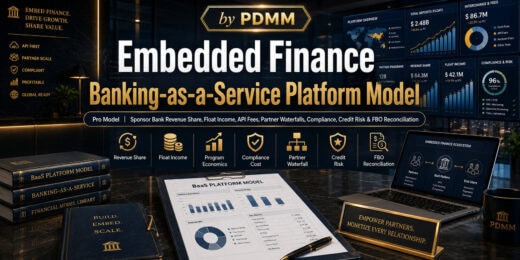
🚀 Premium Embedded Finance / Banking-as-a-Service Platform Financial Model. A…


This fully unlocked 5 Year, 12-tab institutional-grade Excel template is…

A professional Excel financial model suite for banking and financial…

A fully dynamic, granular banking 5 Years Quarterly financial model…


Download this dynamic, ready-to-use Private Equity Waterfall Distribution Model Template…

This Crypto Trading Platform - App Financial Model is designed…

Optimize your fintech payment business’s financial planning with our Fintech…


Highly versatile PSP 5-Year financial projection model with revenue from…


Simple Bookkeeping for Business & Personal Use with Multiple Accounts…

A comprehensive editable 20-year 3-statement, MS Excel spreadsheet for tracking…

Comprehensive editable, 20-year 3-statement MS Excel spreadsheets for tracking Commercial…

Mortgage, Loan, and HELOC Amortization Spreadsheet. This comprehensive Excel sheet…

The Ultimate Income and Expense Tracker Spreadsheet is designed to…


The CMBS/ABS Securitization Excel Model is a powerful tool designed…


The Comprehensive financial model for Banking is an interactive, flexible,…


A cutting-edge crypto token valuation model, designed to provide comprehensive…


LBO Excel Template for Private Equity Investors. Simple to follow,…


Financial Model presenting an advanced 5-year financial plan for a…

Financial Model providing an advanced 5-year financial plan for a…


The model is designed to evaluate a make-whole calculator for…
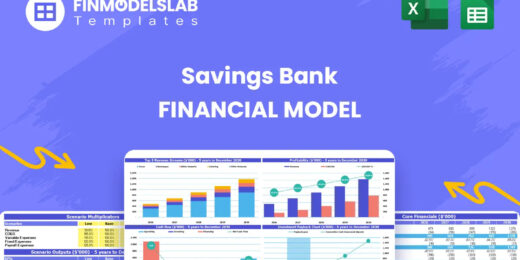

The Savings Bank Financial Model helps entrepreneurs, bank founders, consultants,…
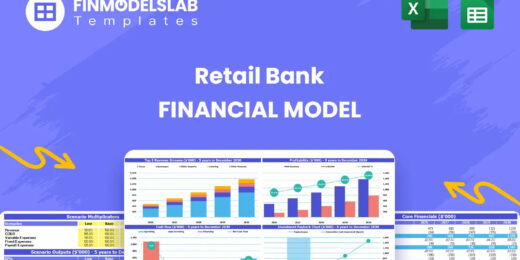
The Retail Bank Financial Model Financial Model Template helps users…
The Financial Model Template helps founders, banking entrepreneurs, consultants, analysts,…
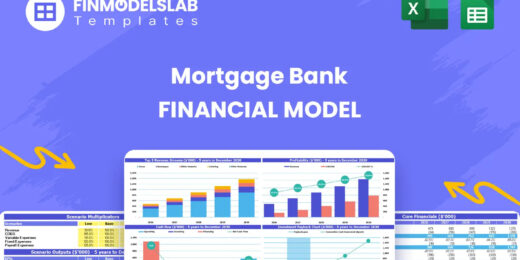
The Mortgage Bank Financial Model helps users turn a mortgage…
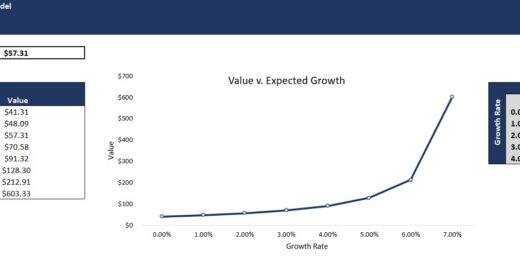

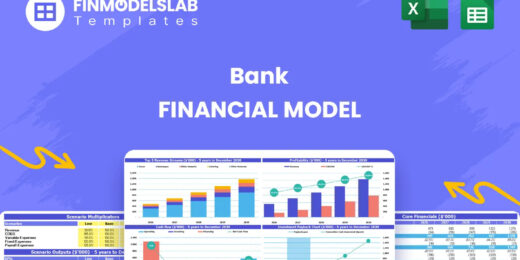
The Bank Financial Model Financial Model Template helps founders, banking…
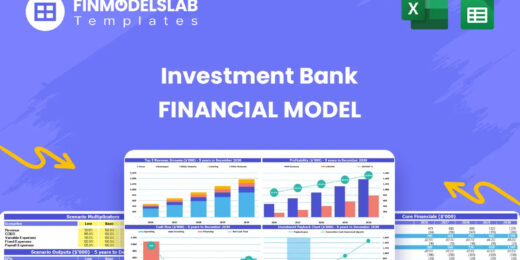
The Investment Bank Financial Model Template helps users build a…
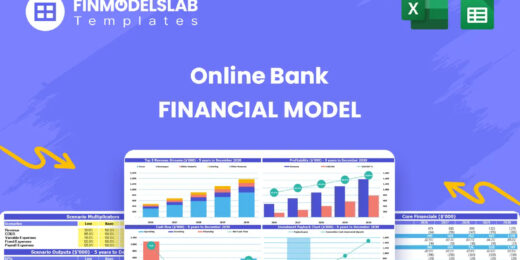
The Online Bank Financial Model Financial Model Template helps founders,…
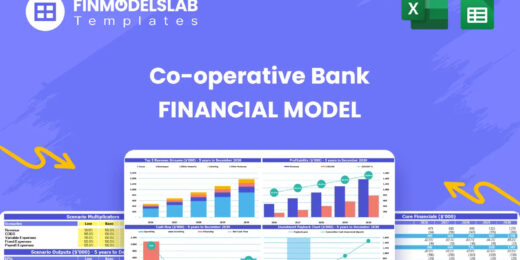
The Co-operative Bank Financial Model is a ready-to-use financial model…



3 Statement 5 year rolling financial projection Excel model for…

Financial Model analyzing operations and performing valuation for a Commercial…


Alternative Investment Company Valuation: All-In-One Model for Private Equity, Asset…

The Legal Services Financial Model Financial Model Template helps entrepreneurs,…
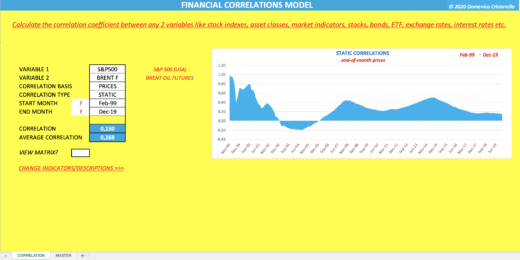

Calculate the correlation coefficient between any two variables, whether they…

The Online Bank Financial Model Financial Model Template helps founders,…


Financial model that performs a DDM & NAV based valuation…
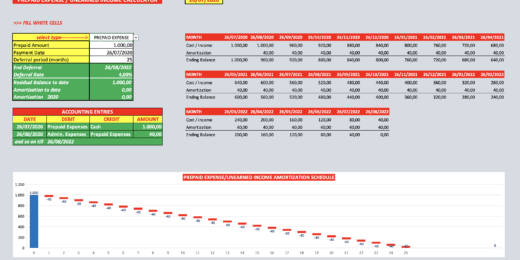
Prepaid Expense and Unearned Income amortization calculator with accounting entries
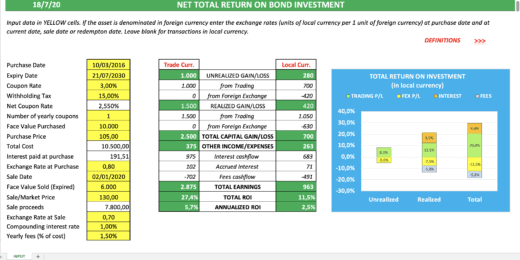
CALCULATE NET TOTAL RETURN ON BOND INVESTMENT DENOMINATED IN ANY…
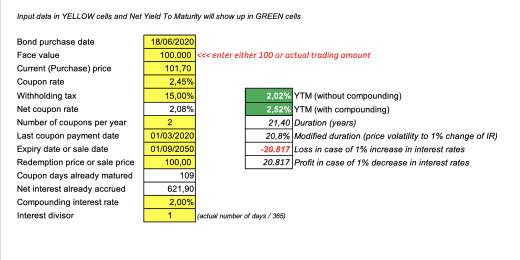
CALCULATE THE EFFECTIVE NET YIELD-TO-MATURITY (OR TO SALE DATE) OF…
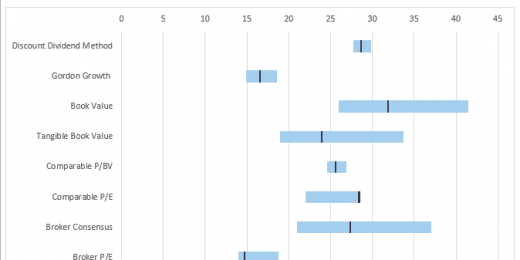

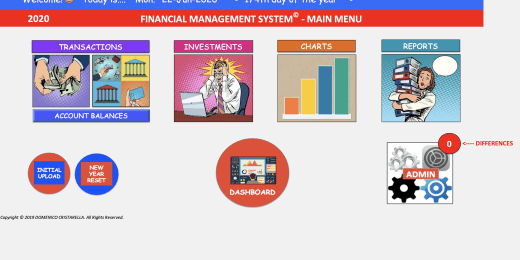
FULLY FLEDGED FINANCIAL MANAGEMENT AND ACCOUNTING SYSTEM, DEVELOPED ENTIRELY IN…


Commercial Banking Financial Model presents the case of a commercial…
Aligning Risk and Growth for Effective Banking Financial Plans

In the ever-evolving financial landscape, banks serve as pivotal players, ensuring the smooth flow of capital across economies worldwide. As financial intermediaries, banks not only facilitate savings and investments but also drive monetary transactions crucial to economic stability. However, with increasing challenges and regulatory requirements, financial planning in banking has gained paramount importance. Robust financial planning is vital for banks to navigate these complexities, ensuring resilience and sustainability.
Understanding the Unique Financial Landscape of the Banking Sector
The banking industry is the backbone of any economy, enabling transactions that facilitate growth and development. It serves as a medium for potential investments, offering a plethora of financial services that cater to individuals and corporations alike. The economic significance of banks cannot be overstated; their ability to provide credit underpins business expansion, consumer spending, and overall economic vitality. However, this crucial role also exposes banks to unique challenges and extensive regulatory oversight designed to prevent crises like the global financial downfall witnessed in 2008.
Regulatory requirements in banking are stringent, aimed at maintaining financial stability and protecting consumers. Legislations like Dodd-Frank in the United States or the Basel Accords globally ensure banks adhere to minimum capital and liquidity standards, influencing their financial policies and planning processes. These regulations impose significant compliance costs and necessitate a robust risk management framework within financial planning to safeguard against legal and operational risks. The challenges facing banks extend beyond regulation; interest rate volatility and credit risk remain perennial concerns. Fluctuations in interest rates impact the cost of borrowing and lending, affecting a bank's profitability margins. Similarly, the risk of borrower default necessitates stringent credit assessments and provisions for potential loan losses.
Unique financial metrics help in understanding the performance and risk levels inherent in banking operations. Metrics such as the Net Interest Margin (NIM) gauge how effectively a bank manages its borrowing costs versus what it earns from lending. Return on Assets (ROA) measures the efficiency of asset utilization in producing returns, while Loan Loss Provisions indicate the financial padding set aside for potential loan defaults, highlighting the bank's risk management acumen. Mastery of these metrics is essential for creating financial plans that bolster a bank's resilience.
Key Financial Planning Elements for Modern Banks
Effective financial planning for modern banks hinges on several core components, each addressing potential vulnerabilities and enhancing operational robustness. Liquidity management is paramount, ensuring that banks can meet their short-term obligations without distress. Employing stress testing scenarios—simulative exercises—enables banks to assess their capacity to withstand adverse economic conditions, providing crucial insights into liquidity management strategies.
Asset-Liability Management (ALM) is another indispensable aspect of financial planning in banks. This practice involves coordinating the maturities and interest rate sensitivities of assets and liabilities, minimizing risks related to interest rate movements and liquidity discrepancies. The financial implications of ALM are profound, impacting profitability and risk exposure simultaneously.
Capital adequacy planning, particularly in the context of the Basel III framework, is critical for maintaining a bank's solvency. Basel III requires banks to hold a minimum capital amount relative to their risk-weighted assets, fortifying their ability to endure financial strains. Capital planning ensures that banks have sufficient funds to cover unexpected losses, maintaining confidence among stakeholders and regulators alike.
Integrating risk management within financial planning ensures potential threats are proactively identified and mitigated. This involves crafting strategies that address credit, market, liquidity, and operational risks systematically. Scenario analysis, a key tool in risk management, allows banks to simulate various economic conditions and strategize accordingly, ensuring agility in decision-making and resilience in operations.
Industry-Specific Key Performance Indicators (KPIs)
Key Performance Indicators (KPIs) in banking serve as crucial barometers of financial health and operational efficiency. A comprehensive understanding of these metrics aids in strategic planning and objective evaluation of a bank's performance against its peers.
Net Interest Margin (NIM) is a fundamental profitability metric, calculated by subtracting interest expenses from interest income and then dividing by average earning assets. NIM reflects how well a bank manages its interest rate spread, an essential determinant of profitability. A high NIM suggests effective interest rate management, contributing to robust financial outcomes.
Return on Equity (ROE) assesses the efficiency with which a bank uses shareholders' equity to generate earnings. As a measure of financial performance, ROE offers insights into potential shareholder returns, informing strategic decisions on capital deployments and market positioning.
Cost-to-Income Ratio provides a measure of operational efficiency, calculated by dividing operating costs by operating income. A lower ratio indicates better efficiency, reflecting prudent cost management relative to income generation. Effective financial planning aims to optimize this ratio, enhancing profitability without compromising service quality.
Loan to Deposit Ratio (LDR) is crucial for assessing a bank's liquidity and credit management policies. This ratio, calculated by dividing total loans by total deposits, illustrates how well a bank utilizes depositor funds for lending activities. While a higher LDR suggests optimal fund utilization, it can also signal heightened risk if not managed prudently.
Benchmarking these KPIs against industry averages is vital for contextual interpretation and strategic insights. It enables banks to identify performance gaps, leverage strengths, and address weaknesses proactively, underpinning strategic growth and financial resilience.
The Benefits of Using MS Excel Templates for Financial Planning
The use of MS Excel for financial planning in banking is widespread, given its flexibility and advanced capabilities. Excel offers an accessible platform for financial professionals to develop intricate financial models tailored to specific banking needs. Its ease of use, combined with powerful analytical tools, makes it an indispensable application for financial analysis.
Excel's customizability allows for modeling diverse financial scenarios, accommodating the unique requirements of banking operations. With advanced functions, financial experts can perform complex analyses that incorporate multiple financial metrics and assumptions, aiding in comprehensive decision-making processes.
At eFinancialModels, we provide a range of ready-to-use Excel templates specifically designed to meet banking needs. These templates streamline processes such as budgeting, forecasting, and financial analysis, ensuring efficiency and accuracy in financial planning. Our structured templates also facilitate regulatory compliance, enhancing effective risk management and operational resilience.
By leveraging Excel templates from eFinancialModels, banks can simplify their financial planning processes, focusing on strategic growth and resilience in an increasingly complex financial environment.
Conclusion: Building a Resilient Banking Future with Effective Financial Planning
In summary, robust financial planning is indispensable for enhancing resilience in the banking sector. By understanding the unique challenges and regulatory landscape, banks can craft effective financial strategies that address potential risks and optimize performance. Employing industry-specific KPIs and embracing advanced financial modeling tools like those offered by eFinancialModels, banks are better equipped to navigate the evolving financial terrain.
We invite banking professionals to explore our Excel templates, designed to aid strategic financial planning and analysis. By adopting a systematic approach to financial management, banks can enhance informed decision-making, drive strategic growth, and build a resilient future.
Frequently Asked Questions About Financial Planning in Banking
- What makes financial planning critical for banks?
Financial planning in banks is vital due to the complex regulatory requirements, market dynamics, and associated risks. A robust financial plan ensures stability, resilience, and sustainability in operations amidst challenges. - How do regulations influence financial planning in banks?
Regulations like Dodd-Frank and Basel Accords impose minimum capital and liquidity standards, influencing financial policies and necessitating a comprehensive risk management framework within financial planning. - Why are KPIs important in the banking sector?
KPIs like Net Interest Margin (NIM), Return on Equity (ROE), and Loan to Deposit Ratio (LDR) gauge profitability, efficiency, and risk management, aiding in strategic decision-making and performance benchmarking.