
0 ITEMS

Accounting
Financial model templates included here are related to accounting and professional services businesses. The goal of these models is to prepare the business and financial plans for small and more significant accountancy firms and become more apparent how the financial prospects can be expected to look like. Accounting agency most rely on the know-how and personal network of the founders and can be started smoothly.
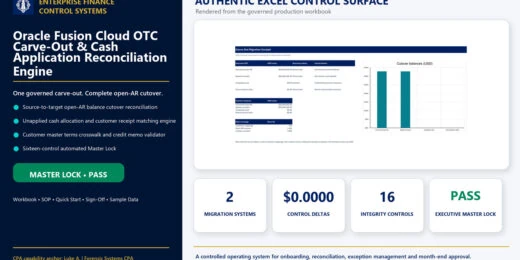

Review Oracle Fusion Cloud OTC carve-out rehearsals through customer mappings,…
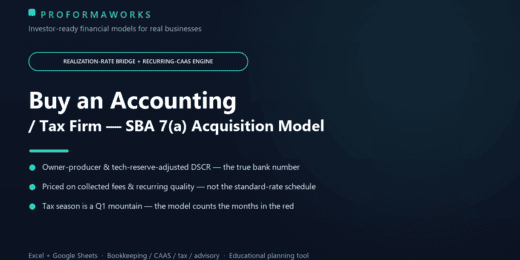

A 5-year, SBA-lender-ready model for buying an independent accounting /…
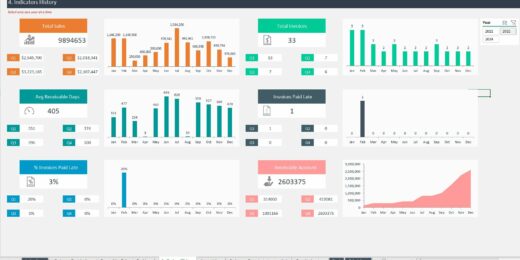

Enhance Accounts Receivable Management with Excel Spreadsheet Template


This Accounting Firm Financial Model is a dynamic Excel-based tool…


The Consulting Firm Financial Model Template is a comprehensive Excel…


Comprehensive editable, 20-year 3-statement MS Excel spreadsheets for tracking Commercial…


The CMBS/ABS Securitization Excel Model is a powerful tool designed…

A comprehensive editable, MS Excel spreadsheet for tracking Bookkeeping services…


This is an easy financial statement creator based on various…


The Tax Preparation Service Financial Model helps users turn a…

Lifetime access to all future templates as well! Here is…
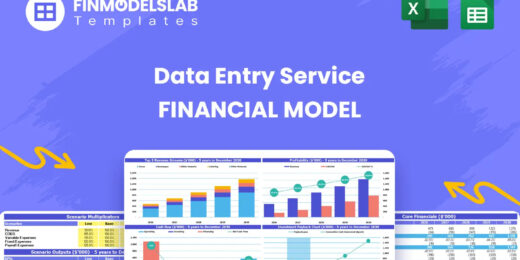
The Data Entry Service Financial Model helps users turn a…


10-year financial model for an accounting firm providing forecasts, profitability…

The Auditing Firm Financial Model helps founders, consultants, analysts, and…

The Financial Advisor Financial Model is a ready-to-use financial model…


Excel has a powerful set of tools to perform statistical…


This template enables users to compile comprehensive monthly management accounts…
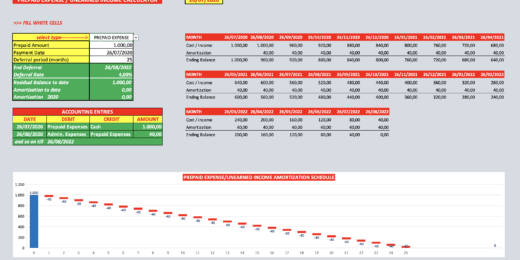

Prepaid Expense and Unearned Income amortization calculator with accounting entries
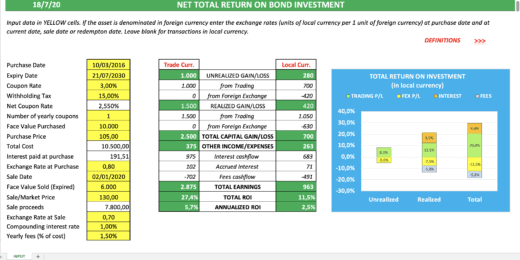
CALCULATE NET TOTAL RETURN ON BOND INVESTMENT DENOMINATED IN ANY…

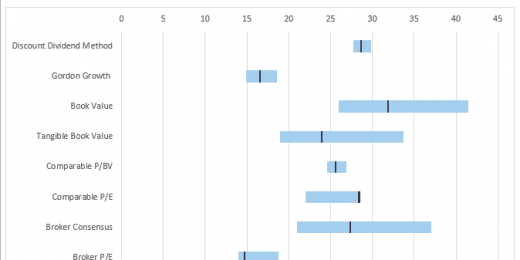
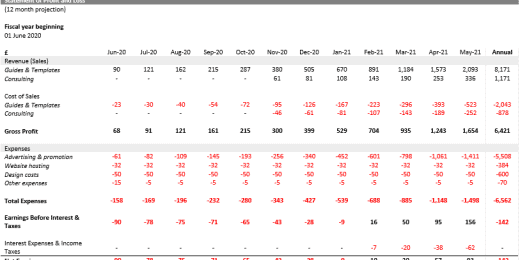

This excel template is great for those starting out as…

The Accounting Software Financial Model helps founders, entrepreneurs, consultants, analysts,…
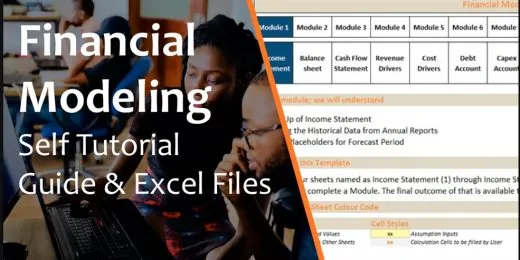

Financial Modeling Tutorial guides user via step by step approach…
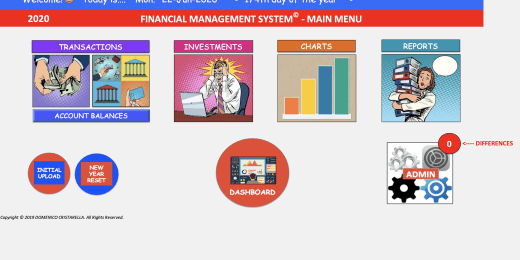
FULLY FLEDGED FINANCIAL MANAGEMENT AND ACCOUNTING SYSTEM, DEVELOPED ENTIRELY IN…


User-friendly 3 statement 5 year rolling financial projection Excel model…

The Accounting Firm Financial Model Template helps founders, practice owners,…
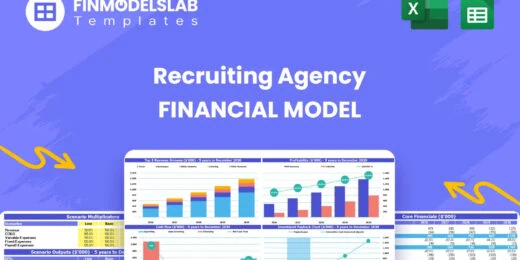
The Recruiting Agency Financial Model helps founders, agency owners, consultants,…


Best practice model for a complete Price Volume Mix (PVM)…

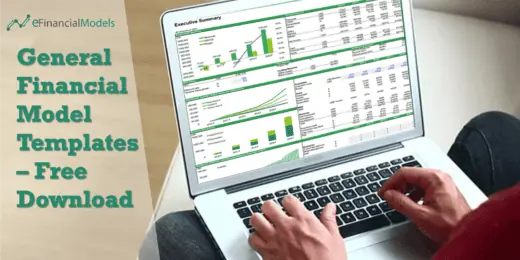

Take advantage of these free, high-quality Excel financial model templates…


This is a Google Sheets version of the financial model…

This is a financial model template for SaaS business models…

Enter your expected annual budget by month and compare that…

Smart Financial Planning for Success in the Accounting Industry

In the dynamic landscape of the accounting industry, financial planning stands as the bedrock of sustainable success. As firms navigate through competitive markets and evolving client expectations, embedding strategic financial planning into their operations becomes not just beneficial but imperative. This is where understanding and utilizing key performance indicators (KPIs), leveraging financial models, and adopting effective budgeting techniques become essential. With tools like MS Excel templates streamlining these processes, accounting firms can enhance their strategic efforts and operational efficiency. By exploring financial planning for accounting firms, this article delves into critical areas accounting professionals must focus on to achieve success.
As accounting firms strive for operational excellence, understanding and implementing robust financial planning strategies anchored by KPIs, financial modeling, and efficient budgeting techniques becomes crucial. This article examines how these elements, aided by user-friendly tools such as MS Excel, can optimize accounting practices, enabling firms to meet their financial goals. Through a comprehensive exploration of these practices, we aim to underscore the significance of strategic financial planning in the accounting industry.
Understanding Key Performance Indicators (KPIs) in Accounting
Key performance indicators (KPIs) are essential tools that provide measurable values reflecting how effectively a business is achieving its key objectives. In the accounting profession, KPIs play a pivotal role by enabling firms to gauge their productivity, profitability, and client satisfaction levels. By identifying which metrics are most critical, accounting firms can maintain a strategic focus on their performance, ensuring they remain competitive while delivering exceptional client service.
For accounting firms, several core KPIs prove particularly insightful. The Client Retention Rate measures how many clients a firm retains over a specific period, serving as a vital indicator of client satisfaction and loyalty. A high retention rate implies that clients value the services provided, while a lower rate might signal potential issues in service quality or client relationship management. The Realization Rate, which compares billable hours worked to hours recorded, helps firms assess how effectively they are converting work into revenue. Similarly, the Utilization Rate, which is the percentage of total hours worked that are billable, can reflect an accountant's efficiency and how well resources are being used. Evaluating the Average Billing Rate offers insights into market positioning by revealing the average rate charged to clients and indicating if a firm needs to adjust pricing strategies.
By consistently monitoring these KPIs, accounting firms can engage in proactive financial planning, identifying areas that require improvement and making informed operational adjustments. This enables firms to not only enhance their current processes but also plan strategically for future growth.
The Role of Financial Modeling in Strategic Planning
Financial modeling, an indispensable tool in strategic planning, involves creating a representation of a company's financial performance to guide decision-making. In the accounting industry, financial models help firms gain insights into their financial health and future performance, which aids in formulating strategies that drive growth and resilience.
Accountants benefit from various types of financial models. The Cash Flow Forecasting Model helps in understanding cash inflows and outflows, providing a thorough overview of liquidity and potential cash shortfalls. This model is crucial for maintaining adequate cash levels to meet obligations. The Budgeting Model assists in setting financial targets for different departments or services, ensuring that the firm's financial objectives align with its operational goals. Similarly, a Scenario Analysis Model allows accountants to simulate different business situations, aiding in strategic planning for varying market conditions and client needs. It empowers firms to prepare for uncertainties by evaluating potential risks and opportunities.
Scenario modeling, in particular, holds significant value in risk management within a fluctuating economic environment. By anticipating potential outcomes and devising corresponding strategies, firms can build resilience and make data-driven decisions that safeguard their financial stability.
Budgeting Techniques Tailored for Accounting Firms
Effective budgeting is a cornerstone of robust financial planning, allowing accounting firms to allocate resources efficiently while exercising financial control. Tailored budgeting techniques can significantly enhance financial discipline within accounting practices, ensuring that firms not only meet their financial obligations but also position themselves for long-term success.
Zero-Based Budgeting is one approach that encourages organizations to justify all expenses rather than merely adjusting based on historical spending. By evaluating each expense from scratch, this technique fosters a culture of cost-consciousness and promotes resource allocation based on necessity and strategic priorities. Alternatively, Rolling Forecasts ensure that firms keep their forecasts updated based on the latest performance data, allowing for continuous adjustment of plans as circumstances change. This adaptability ensures that strategies remain relevant in a dynamic business environment. Activity-Based Budgeting, another useful technique, allocates costs based on actual activities rather than past data, providing a more accurate reflection of resource utilization and helping firms identify key cost drivers.
These budgeting techniques offer valuable insights into resource allocation decisions, improving financial control and promoting efficiency. By aligning budgets with actual activities and strategic goals, accounting firms can enhance their financial planning efforts and ensure resources are directed toward achieving the most impactful outcomes.
Advantages of Using MS Excel Templates for Financial Planning
Microsoft Excel remains a formidable tool in financial planning within the accounting industry, celebrated for its versatility and widespread familiarity among professionals. Utilizing Excel templates offers several advantages, streamlining the financial planning process while providing flexibility and precision.
One of Excel's standout features is its User-Friendly interface, which most accounting professionals are already comfortable navigating. This familiarity reduces the learning curve and increases adoption rates among teams. Additionally, Excel templates are highly Customizable, allowing firms to tailor them to fit specific needs and client requirements, ensuring that the financial models remain relevant and actionable.
Excel also supports Dynamic Analysis, enabling quick simulations of different financial scenarios and facilitating real-time model refinement based on current data. This capability proves invaluable in adapting to changes and making informed strategic decisions promptly. Moreover, Excel's Integration Capabilities with other software enhance data accuracy and consistency, providing a comprehensive view of financial performance across various platforms.
At eFinancialModels, we offer a diverse array of Excel templates that streamline the financial planning process for accounting professionals. From comprehensive budgeting frameworks to cash flow forecasting tools, these templates are designed to simplify complex financial tasks, enabling accountants to focus on strategic analysis and value-added activities.
Conclusion: Embracing Smart Financial Planning for Enhanced Success
To thrive in the competitive accounting industry, firms must leverage smart financial planning anchored by KPIs, robust financial models, and tailored budgeting techniques. By systematically monitoring performance metrics, employing sophisticated models for strategic insights, and adopting agile budgeting strategies, firms can enhance their operations and achieve financial success.
Efficient tools, such as the MS Excel templates available from eFinancialModels, play an indispensable role in optimizing these efforts. These tools facilitate streamlined financial planning processes, empowering accounting firms to operate with precision, agility, and foresight.
We encourage accounting professionals to explore our diverse range of financial modeling templates at eFinancialModels. By integrating these tools into your practices, you can bolster your strategic financial planning and position your firm for sustained success in the ever-evolving accounting landscape.
Frequently Asked Questions (FAQ) on Financial Planning in Accounting
- What are the key KPIs for accounting firms? Key KPIs for accounting firms include Client Retention Rate, Realization Rate, Utilization Rate, and Average Billing Rate. These metrics help firms assess client satisfaction, efficiency, and market position.
- How does financial modeling support strategic planning in accounting? Financial modeling aids strategic planning by providing insights into financial health and future performance. It includes cash flow forecasting, budgeting models, and scenario analysis to guide decision-making and risk management.
- What are some effective budgeting techniques for accounting firms? Effective budgeting techniques include Zero-Based Budgeting, Rolling Forecasts, and Activity-Based Budgeting. These approaches enhance financial control and align resources with strategic priorities.
- Why is Microsoft Excel preferred for financial planning in accounting? Microsoft Excel is preferred for its user-friendly interface, customizability, dynamic analysis capabilities, and integration features. It supports efficient and precise financial planning through tailored templates.
- How can accounting firms benefit from using Excel templates from eFinancialModels? Excel templates from eFinancialModels streamline financial tasks, offering comprehensive frameworks for budgeting and cash flow forecasting. They enhance strategic analysis, enabling firms to focus on value-added activities.