
0 ITEMS

Oil & Gas
The oil and gas industry, often described as the backbone of the modern economy, plays a pivotal role in shaping global energy landscapes. This sector not only fuels the majority of the world's transportation and powers countless industries but also faces immense challenges and scrutiny due to environmental concerns. As the industry pivots towards renewable energy and seeks efficiency gains, incorporating new data and metrics to remain relevant and insightful plays a crucial role in shaping the strategic landscape of the Oil & Gas sector.
Financial model templates for the Oil and gas industry are indispensable tools designed to navigate the complexities and volatility of the energy sector. These robust models facilitate in-depth project viability analysis, financial health, and risk assessment, accommodating variables like fluctuating oil prices, regulatory changes, and operational costs. By simulating different economic scenarios and forecasting financial performance, these templates empower stakeholders to make informed investment decisions, optimize cash flows, and strategize for long-term sustainability.
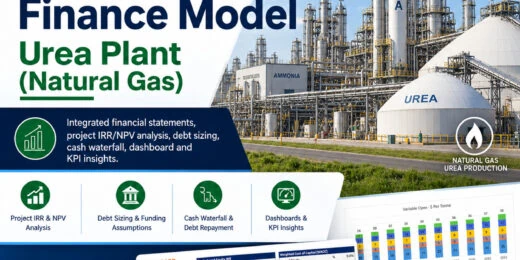

A detailed, institutional-grade urea plant financial model for a natural…

Build accurate, bank-ready financial projections for your Midstream Oil Refinery.…

Premium 30-year Oil & Gas Upstream and Downstream Financial Model…
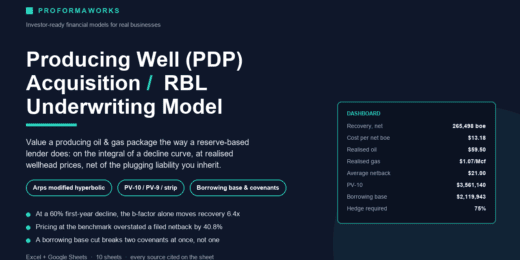

Underwrite a producing oil and gas package the way a…

Professional oil and gas modeling bundle with two fully editable…

A professional 8-12 MTPA Liquefied Natural Gas (LNG) Financial and…

A professional Excel financial model suite for solar energy projects,…


Value an upstream E&P company the way the market does…


Financial Model providing a dynamic up to 10-year financial forecast…


This model is a 500MMSCFD integrated gas monetization model which…


Unlock financial clarity with our customizable 3-Statement Excel Template, designed…
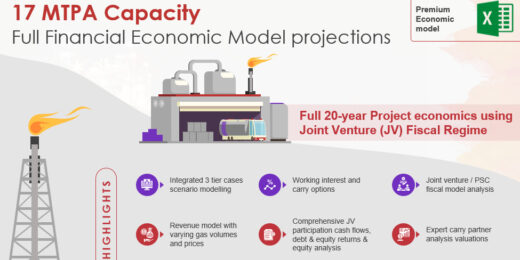
This LNG distribution economics tool presents full economics valuation modelling…


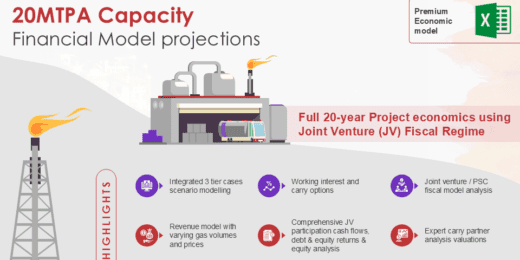
Here is a comprehensive model for evaluating project viability for…
A very comprehensive, editable 20-year MS Excel spreadsheet for tracking…
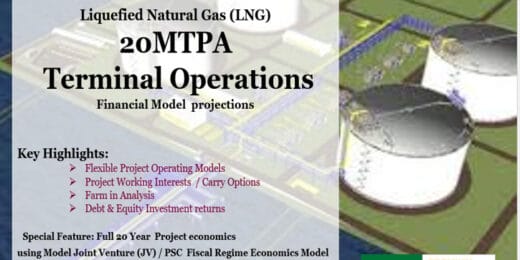

This model is used to provide a robust economic analysis…


This Student Bundle includes financial model templates from various industries…

Project Finance Model providing forecast and profitability analysis for a…
This model is used to provide a robust economic analysis…

Project Finance Model providing forecast and profitability analysis for a…

Project Finance Model providing forecast and profitability analysis for an…

This model addresses project portfolio asset in the oil and…

This is a 6,000bpd financial model for refinery producing Diesel…

The Oil and Gas financial model with DCF (Discounted Cash…


Comprehensive financial model for an oil & gas company. Flexible…


This model is adaptable and useful for a Gas Station,…
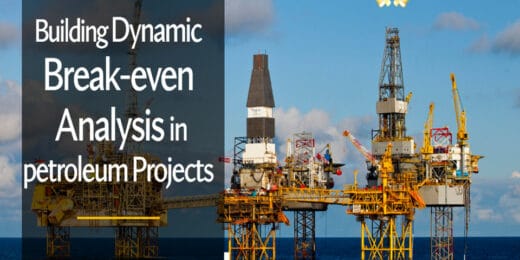
The main purpose of the model is to enable users…


This model calculates financial oil derivative positions for Put Options,…
A detailed and user friend financial model that captures 5…


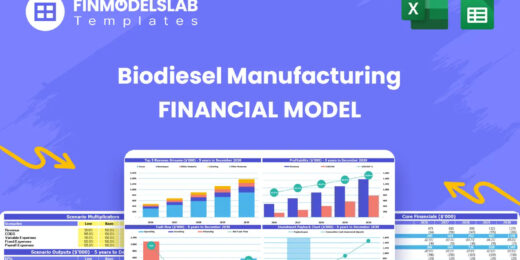

The Biodiesel Manufacturing Financial Model helps entrepreneurs, founders, business owners,…
Hydrogen Gas Sales & Tolling Business Plan and Valuation Model…

20-year financial model for an upstream Oil & Gas project…

The Private Equity Oil and Gas Financial Model evaluates the…
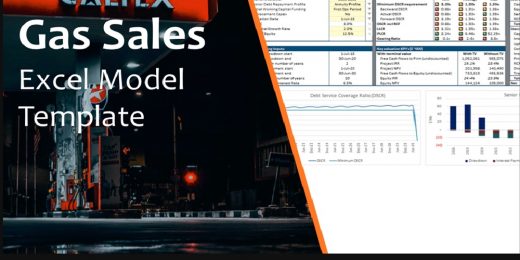
Project Finance - Gas Distribution is a project finance model…
Financial model that performs a DCF valuation on Oil and…

Oil and Gas Industry Success: Key Strategies

What Is the Role of the Oil and Gas Industry?
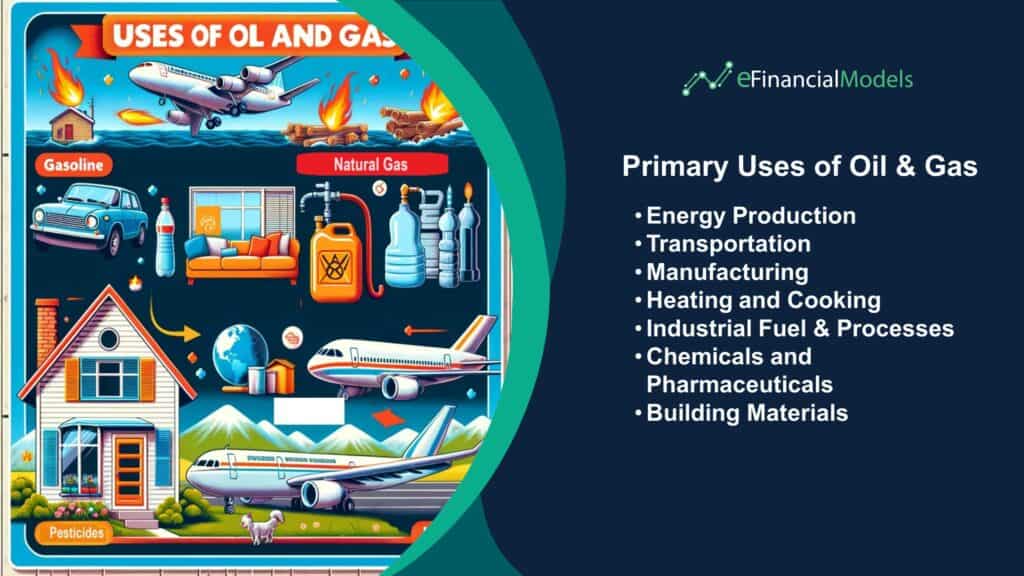
Around 50% of the world's energy consumption comes from oil and gas sources. Oil accounts for about one-third of the world's primary energy supply, and when combined with natural gas, it makes up over half of the world's primary energy supply. Despite the increasing role of renewable energy, it is projected that oil and gas will still make up around 50% of the world's primary energy supply by 2030. Oil and gas are crucial energy sources and serve many other significant roles in various industries. Here are some of the primary uses:- Energy Production: Oil and gas, as primary fuels for electricity generation, heating, and vehicle power, play a crucial role in fulfilling global energy demands. Understanding their significance is key to being informed about our energy sources.
- Transportation: Oil derivatives such as gasoline, diesel, and aviation fuel are not just fuels but the lifeblood of our transportation systems, powering cars, trucks, airplanes, and ships. Their versatility is genuinely enlightening.
- Manufacturing: Many manufacturing processes rely on oil and gas as feedstocks. They are the backbone of industries, used to make chemicals, plastics, and synthetic materials. Appreciating their contribution is crucial.
- Heating and Cooking: Natural gas is widely used for cooking and heating homes and businesses due to its efficiency and relatively lower emissions than other fossil fuels.
- Industrial Fuel and Processes: Both oil and gas are used as a source of heat and power for various industrial processes, including refining metals, making glass, and producing cement.
- Chemicals and Pharmaceuticals: The petrochemical industry uses oil and gas to produce solvents, fertilizers, pesticides, and plastics. These materials are foundational in countless products, including medical supplies, household goods, and agricultural tools.
- Building Materials: Bitumen, derived from oil, is used in constructing and maintaining roads and buildings.
What Are the Examples of Oil and Gas Services?
The oil and gas field, a complex and vital sector of the global economy, is typically segmented into three major sectors: upstream oil and gas operations, midstream oil and gas companies, and downstream oil and gas companies. Each sector focuses on different stages of the oil and gas lifecycle, contributing to these essential resources' overall production and distribution.Upstream Oil and Gas Operations
Upstream oil and gas operations are the first phase of the value chain, primarily focused on exploration and production (E&P). It covers the following services:- Drilling of Exploratory Wells
- Geological Surveying
- Natural Gas Exploration & Production
- Seismic Testing
- Well Completion &Management
Midstream Oil and Gas Companies
Midstream oil and gas companies specialize in transporting and storing extracted resources, ensuring that oil and gas move efficiently from production sites to processing facilities. Services under this sector include:- Oil & Gas Terminal Management
- Pipeline Construction and Operation
- Storage of Oil & Gas
- Transporting Oil & Gas
- Wholesale Marketing of Crude Oil and Petroleum Products
Downstream Oil and Gas Companies
Downstream oil and gas companies represent the final phase of the oil and gas processes, transforming crude oil into usable products.- Distribution & Marketing of Oil & Gas Products
- Processing and Purifying Natural Gas
- Refining Crude Oil

What Are the Opportunities in the Oil and Gas Industry?
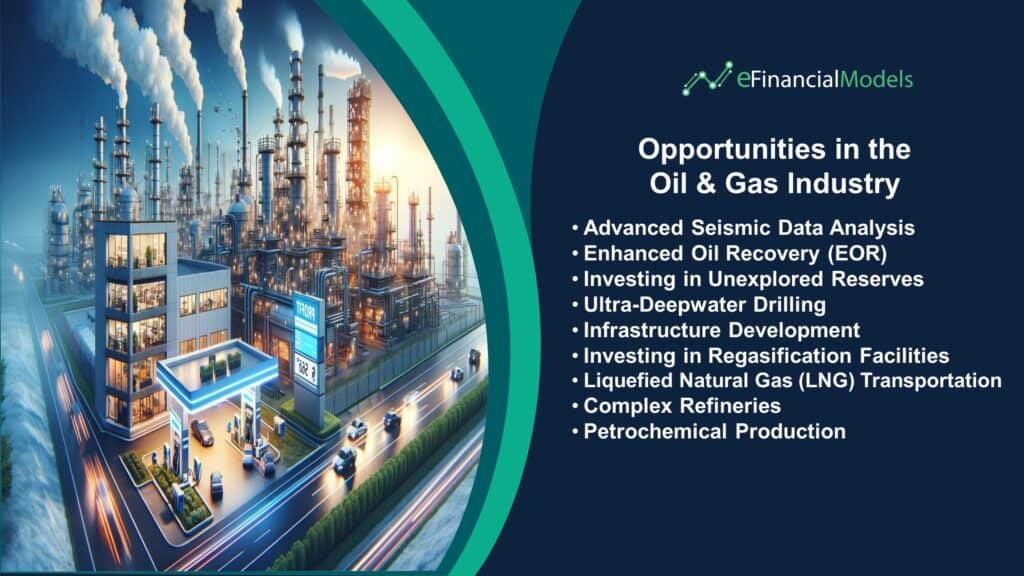
The oil and gas sector is constantly evolving, and profitable opportunities abound across its three main sectors. Each sector offers unique avenues for growth and profitability. Profitable opportunities in upstream oil and gas operations can be found primarily in technological advancements and exploration techniques that reduce costs and increase efficiency, such as:- Advanced Seismic Data Analysis: This cutting-edge technology enables more accurate mapping of subsurface geology and significantly reduces drilling risks. Enhancing the potential for discovering viable wells paves the way for improved investment returns, making it a compelling option for potential investors.
- Enhanced Oil Recovery (EOR): These innovative techniques, such as injecting CO2 or steam into aging wells, have the potential to significantly increase the amount of crude oil extracted from an existing field. By extending the life of oil fields and boosting recovery rates, companies can maximize the value of their assets and ensure a sustainable and profitable future in the oil and gas sector.
- Investing in Unexplored Reserves: This strategic move can lead to the discovery of significant untapped resources, providing a competitive edge in the market. Diversifying an investment portfolio and promising high returns if the exploration yields substantial oil and gas finds presents a compelling case for decision-makers in the oil and gas sector.
- Ultra-Deepwater Drilling: Drilling in ultra-deepwater environments accesses reservoirs unreachable by traditional technologies, often containing substantial amounts of hydrocarbons. However, technologically challenging and costly, successful projects in these depths offer significant profits due to the large volumes of oil and gas extracted.
- Infrastructure Development: Developing infrastructure like pipelines, storage facilities, and processing plants is crucial for efficiently transporting and handling oil and gas. Investments in these areas reduce operational costs and logistical challenges, thereby increasing oil and gas operations' overall efficiency and profitability.
- Investing in Regasification Facilities: Regasification facilities convert liquefied natural gas (LNG) back into gas, playing a key role in fulfilling the rising global demand for natural gas. Investing in these facilities can be highly profitable, especially in regions where energy demand outstrips supply and infrastructure needs to be developed.
- Liquefied Natural Gas (LNG) Transportation: The transportation of LNG allows for the exploitation of gas resources in remote areas, making them available to global markets. This segment offers profitability through logistics solutions that bridge the gap between gas-rich and gas-deficient regions.
- Complex Refineries: Complex refineries capable of processing heavier crude grades or producing a more comprehensive range of high-value outputs can command better margins than simpler operations. Their ability to adapt to varying crude inputs and meet diverse market demands makes them particularly valuable in volatile oil markets.
- Petrochemical Production: Producing petrochemicals from oil and gas provides a buffer against the price volatility of crude oil and natural gas. By converting hydrocarbon streams into chemicals and plastics, companies can tap into more stable and often more lucrative markets.
Ways to Improve Efficiency in the Oil and Gas Industry
Critical to global energy supply, the oil and gas industry faces ongoing challenges due to fluctuating market conditions, regulatory pressures, and the urgent need for sustainability. Improving efficiency in this sector is essential for enhancing profitability, aligning with environmental standards, and advancing technological innovation.Diversify Energy Sources
The oil and gas industry's diversification of energy sources is vital to reduce dependency on traditional hydrocarbons and adapt to global shifts towards renewable energy. Companies can ensure a more stable and sustainable energy mix by incorporating alternative energy sources such as wind, solar, and biofuels. Financial modeling can help in this area by forecasting the economic outcomes of integrating various energy sources into their operations. It can also assist in analyzing the potential return on investment (ROI) and payback periods for each alternative, helping decision-makers to prioritize the most financially viable options.Focus on Operational Strategy
Operational strategy is not just a buzzword but a powerful tool for maximizing efficiency in the oil and gas industry. It's about taking control of existing assets, optimizing production processes, and enhancing the efficiency of extraction and refining operations. Financial modeling, in this context, is not just a support system but a strategic partner, enabling companies to simulate different operational scenarios and predict their financial impact. This empowers decision-makers to identify cost-saving opportunities and make informed decisions that align with the company's strategic goals, giving them a sense of control over the future of their operations.Invest in Research and Development
Investing in research and development (R&D) can lead to technological innovations that enhance operational efficiency and productivity in the oil and gas industry. Technological advances such as drilling techniques, seismic imaging, and chemical processes can significantly reduce costs and increase output. Financial modeling can support R&D investments by estimating the economic benefits of new technologies and innovations, assessing their viability, and helping to allocate resources efficiently among competing R&D projects.Manage Environmental Impact
Managing and reducing the environmental impact of oil and gas operations is not just a regulatory requirement but a moral obligation. Implementing cleaner technologies and practices helps minimize emissions and waste and enhances the company's public image and market value. Financial modeling, in this context, is not just a number-crunching exercise but a tool for quantifying the cost implications of environmental strategies and compliance. It can also predict the long-term financial benefits of investing in environmentally friendly technologies, potentially enhancing the company's public image and market value. This underscores the company's responsibility and accountability, making the audience feel more connected to the cause.Optimize Supply Chain Operations
Optimization of supply chain operations can lead to significant efficiency gains. This includes improving logistics, reducing downtime through better inventory management, and streamlining transportation routes. Financial modeling is crucial in optimizing supply chain operations by analyzing the cost-effectiveness of different supply chain configurations and strategies. It helps identify bottlenecks and evaluate the economic impact of proposed changes, which supports more efficient and cost-effective decision-making.
Powering Ahead: Financial Models for Oil and Gas Success
Exploring advanced financial models in the oil and gas industry illustrates a pivotal shift toward sustainability and efficiency. Our analysis has shown that companies can significantly enhance their operational resilience and profitability by embracing innovative financing structures, risk management strategies, and investment in technology. Integrating real-time data analytics and machine learning offers further potential to optimize resource allocation and forecast market trends, ensuring that firms survive and thrive in a volatile market. As the sector stands at the crossroads of economic pressures and environmental responsibilities, adopting these financial models is no longer just beneficial—it's imperative for sustained success. Moving forward, industry leaders must continue to innovate and adapt, fostering a culture of continuous improvement and strategic foresight.
You might also like: