
0 ITEMS

Campaign
Most businesses spend a lot of money on marketing campaigns that promote their products or services. These campaigns include costs that should be properly accounted for. This selection of models will allow you to visualize how much ROI you would get in a certain lump of marketing expenses. Thus, you would be able to know whether such a marketing campaign brings any additional revenue or just simply adding up to your expenses.
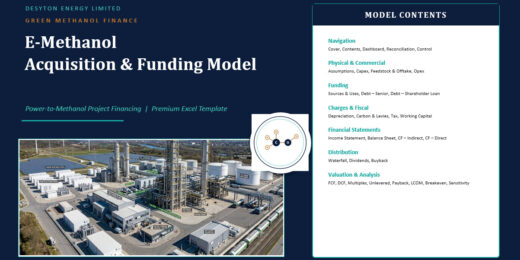

The e-Methanol 300 ktpa Integrated Financial Model is a fully…
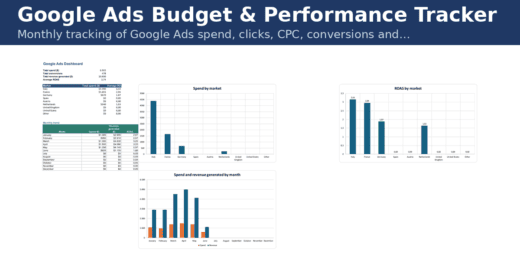

Monthly tracking of Google Ads spend, clicks, CPC, conversions and…
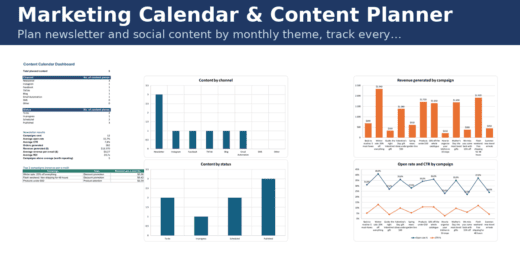
Plan newsletter and social content by monthly theme, track every…
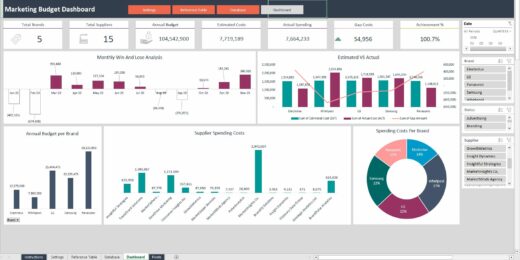

Marketing expenditure refers to the total amount an organization allocates…
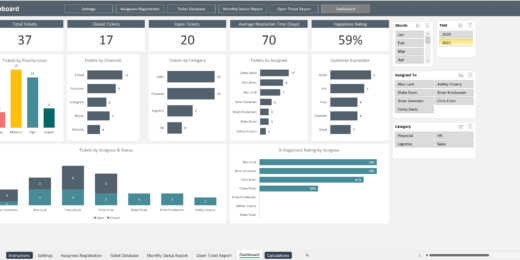
Effortlessly track, manage, and analyze your customer support tickets with…
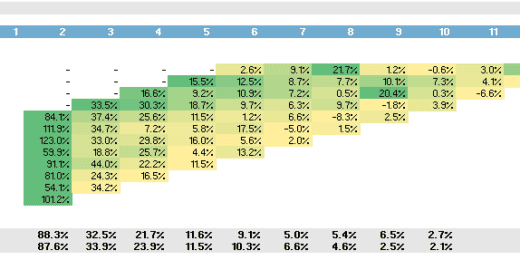

This meticulously crafted Excel model is designed for in-depth user…
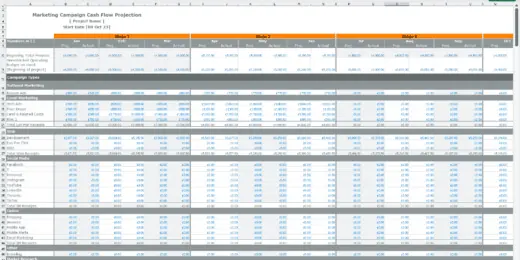

Comprehensive editable, Excel spreadsheet for tracking marketing campaign financials in…
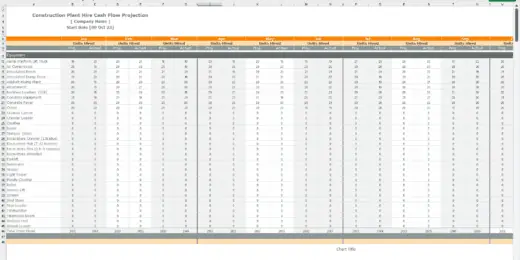
A comprehensive editable MS Excel spreadsheet for tracking your plant…
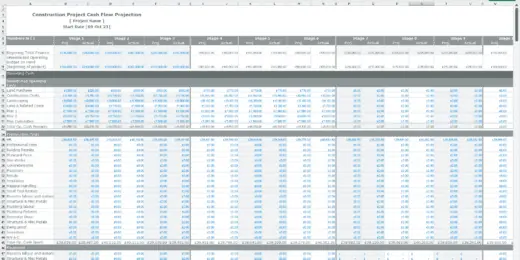
A comprehensive editable, MS Excel spreadsheet for tracking project financials…
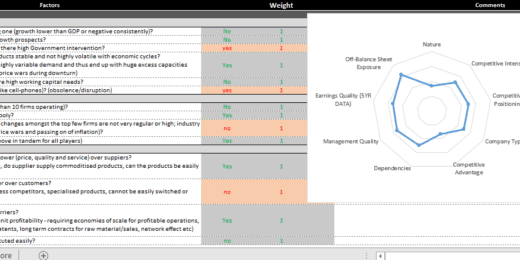

This scoring and valuation model will help investors or entrepreneurs…


With this financial model, you can create a financial plan…
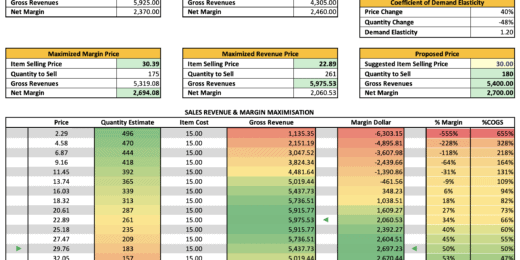

Determines optimal sales price for highest profitability, based on comparison…

The Hair Salon Chain Financial Model helps entrepreneurs, salon owners,…


The financial models forecasts revenues and profits from Google Adwords…
The Organic Online Marketing Model derives the expected revenues and…
Crafting a Winning Financial Plan for Successful Campaigns

In today's fast-paced world, campaigns play a crucial role across various sectors, from political arenas to brand promotions and social awareness initiatives. Crafting a winning financial plan for successful campaigns is essential for navigating these demanding landscapes effectively. A well-articulated financial strategy not only ensures optimal allocation of resources but also drives the success and sustainability of the campaign efforts. In this article, we will delve into the intricacies of the campaign industry, explore key performance indicators vital for campaign financial planning, and unveil how MS Excel spreadsheet templates can empower your financial strategies.
The campaign industry encompasses a wide spectrum of activities, whether aiming to elect a leader, promote a product, or raise awareness for societal issues. The common thread among these diverse pursuits is the overarching objective to effectuate change or achieve a specific goal. However, operating within this dynamic landscape is fraught with unique challenges, such as securing sufficient funding and adhering to budgetary constraints. As such, meticulous financial planning is indispensable to not only meet these challenges head-on but also to drive a campaign's desired outcomes.
Understanding the Dynamics of the Campaign Industry
At its core, the campaign industry involves organized efforts to achieve a goal within a specific timeframe. This industry spans various realms, including political campaigns aimed at elections, marketing campaigns designed to boost brand visibility, and social awareness campaigns striving for greater public consciousness on critical issues. Each type of campaign shares a common goal: to evoke action or change. Nevertheless, the nature of a campaign's purpose often dictates its unique financial needs and challenges. Fundraising pressures, budgetary limitations, and the unpredictable nature of external factors are but a few hurdles that campaign planners must navigate. In the political sphere, for instance, campaigns may face stringent regulations concerning fundraising and expenditures, placing an added layer of complexity on financial planning. Similarly, marketing campaigns must navigate the digital age's ever-evolving landscape, balancing innovative advertising techniques with cost efficiency. Campaigns aiming at social awareness may grapple with limited resources while trying to maximize outreach and impact. In these scenarios, an adept financial plan is crucial to strategically allocate resources, monitor progress, and adapt to unforeseen challenges.Key Performance Indicators Crucial for Campaign Financial Success
A successful campaign relies heavily on clearly defined Key Performance Indicators (KPIs) that serve as essential metrics for measuring progress and success. KPIs enable campaign planners to establish benchmarks, evaluate outcomes, and make informed decisions to optimize strategies. Among these metrics are engagement metrics, conversion rates, return on investment (ROI), and cost per acquisition (CPA), each offering invaluable insights into a campaign's financial health and strategies such as financial modeling.Engagement Metrics Engagement metrics, such as likes, shares, and comments, provide critical insights into how an audience interacts with a campaign. By monitoring these metrics, planners can discern which aspects resonate with the target audience and which need refinement. Effective engagement can inform budgeting decisions, prioritizing funding towards initiatives that foster greater interaction and support.
Conversion Rates Conversion rates, whether they signify donations, subscriptions, or any desired action, are pivotal in forecasting revenue and shaping a campaign's financial strategy. High conversion rates indicate successful persuasion and engagement tactics, while low rates may prompt a reevaluation of marketing efforts and resource allocation.
Return on Investment (ROI) ROI serves as a vital measure to assess the effectiveness of campaign expenditures and overall resource allocation. By evaluating the returns relative to the investment made, campaign planners can determine the financial viability and success of different activities, enabling strategic decision-making and adjustment of approaches to maximize returns.
Cost Per Acquisition (CPA) Understanding CPA is paramount for budgeting, particularly concerning advertising and outreach strategies. A lower CPA suggests more efficient cost allocation and effective targeting, while a high CPA may call for revisiting marketing strategies to enhance cost-effectiveness and reach desired campaign goals.
Building a Robust Financial Plan for Campaigns
Building a robust financial plan begins with meticulous budgeting for campaign activities. Establishing itemized budgets for various components, such as advertising, events, and staffing, provides clarity and facilitates effective resource management, ensuring funding is optimally distributed across critical activities. Moreover, strategic budgeting allows campaign planners to anticipate potential shortages and proactively explore alternative funding sources.Scenario analysis and financial forecasting play indispensable roles in preparing for uncertainties and dynamically adjusting financial strategies. By creating multiple scenarios, campaign planners can assess potential impacts of various external factors, enabling them to pivot strategies as needed to mitigate risks and seize opportunities. Utilizing financial forecasting templates can significantly streamline this process.
Risk management is equally vital in safeguarding campaign finances. Identifying common financial risks, such as cost overruns or unexpected economic shifts, and implementing risk mitigation strategies can shield campaigns from unforeseen pitfalls, maintaining financial stability and ensuring campaign continuity.
Harnessing the Power of MS Excel for Campaign Financial Planning
Excel spreadsheet templates are invaluable tools in financial modeling for the campaign industry, offering numerous advantages in developing and managing comprehensive financial plans. Their customization and flexibility allow planners to tailor templates to specific campaign needs and scenarios, adapting seamlessly as objectives and circumstances evolve.Customization and Flexibility Excel templates provide unparalleled flexibility, making it easy to customize fields and calculations relevant to individual campaigns. This adaptability allows planners to focus on unique financial priorities and challenges, enhancing decision-making and strategic planning. For those looking for a starting point, our Excel templates serve as great resources.
Data Analysis and Visualization Excel's data analysis and visualization tools empower planners to easily analyze financial data, track KPIs, and visualize trends. Graphs, charts, and pivot tables make complex data comprehensible, fostering informed decision-making and strategy refinement based on tangible insights.
Ease of Collaboration Excel's shared access and real-time update features promote seamless team collaboration, ensuring stakeholders stay informed and aligned. This collaborative environment supports transparency, accelerates decision-making, and amplifies the effectiveness of financial strategies.
Cost-Effectiveness The affordability and accessibility of Excel templates make them an ideal financial planning solution for campaigns of all sizes. They provide a cost-efficient means of managing finances, eliminating the need for costly software while delivering powerful planning capabilities.
Conclusion: Strategically Planning for Campaign Success In summary, targeted financial planning, grounded in clearly defined KPIs, is integral to achieving campaign success within the multifaceted campaign industry. By leveraging sophisticated MS Excel spreadsheet templates, campaign planners can enhance their financial planning processes, guiding campaigns towards assured success and sustainability. The diverse range of financial model spreadsheets available at eFinancialModels offers planners the tools needed to navigate the complexities of campaign finance and drive success. We encourage you to explore our comprehensive selection of templates and take the first step towards crafting a winning financial plan for your campaigns.
Frequently Asked Questions
- What are the key components of a campaign financial plan? A campaign financial plan should include detailed budgeting, risk management strategies, KPI tracking, and financial forecasting to adjust to changing scenarios.
- How do engagement metrics influence campaign budgeting? Engagement metrics help identify which aspects of the campaign resonate with audiences, allowing planners to allocate funds more effectively towards initiatives that drive interaction and support.
- Why is ROI important in campaign planning? ROI measures the effectiveness of campaign expenditures in generating returns, guiding planners in making strategic decisions to optimize resource allocation and maximize returns.
- How can MS Excel templates enhance campaign financial planning? MS Excel templates offer customization, flexibility, data analysis, visualization, and collaboration features that enable effective financial modeling and planning for campaigns.
- What role does scenario analysis play in campaign financial strategy? Scenario analysis allows planners to prepare for uncertainties by assessing potential impacts of various external factors, enabling risk mitigation and opportunity capitalization.
You might also like: