
0 ITEMS

Personal Finance
Empower Your Financial Future with Personal Finance Excel Templates! Our personal finance Excel spreadsheets are meticulously crafted to cater to the diverse needs of ambitious individuals and professionals. Whether you're an entrepreneur plotting your next venture, an investor analyzing potential returns, or simply seeking better control over your financial future, our templates offer the precision and flexibility you need.
From short-term goals to long-term aspirations, our personal financial planning models allow you to create a roadmap for your financial future. Plan for major purchases, retirement, or fund accumulation with tools that make forecasting straightforward and realistic the way for a financially secure and prosperous future. Download now and take the first step towards a more organized and empowered financial life.
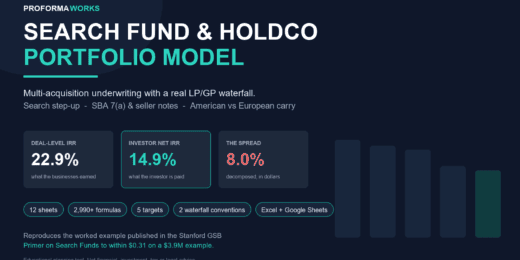

A portfolio of acquisitions is not the sum of five…


The Mortgage Payment Scenario Calculator is a comprehensive Excel model…


A genuinely complete private equity fund model — and one…


A practical Excel template to build M&A longlists, evaluate strategic…


Institutional-grade multi-tranche debt schedule in Excel: Revolver, Term Loan A/B,…


Take the stress out of tax season with a practical,…


This fully unlocked 5 Year, 12-tab institutional-grade Excel template is…



10-year financial model for a family office platform providing forecasts,…

A fully dynamic, granular banking 5 Years Quarterly financial model…


This NVIDIA Financial Model Template in Excel has been built…


Comprehensive Excel model for goodwill testing, CGU-level DCFs, and impairment…


Take control of your finances with our all-in-one Personal Budget…


For Hotel or Guesthouse businesses, this comprehensive Excel Valuation &…

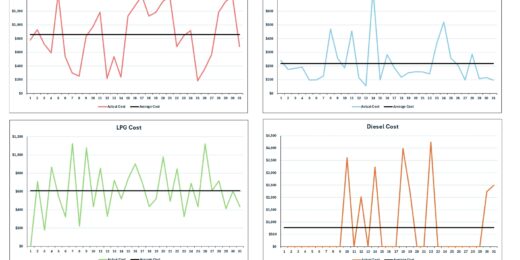



The Professional Services Financial Plan Excel Template is a comprehensive…



A practical template to help you keep track of your…
A fully editable, 5-year financial model designed for startups to…

Introducing Seasoned Loan Acquisition Pricing Model—a fancy gadget that basically…


Simple Bookkeeping for Business & Personal Use with Multiple Accounts…


A comprehensive editable 20-year 3-statement, MS Excel spreadsheet for tracking…


A versatile and advanced Financial Forecasting Model built to suit…

Mortgage, Loan, and HELOC Amortization Spreadsheet. This comprehensive Excel sheet…

Streamline your Self-Assessment Tax Return with our user-friendly template, tailored…
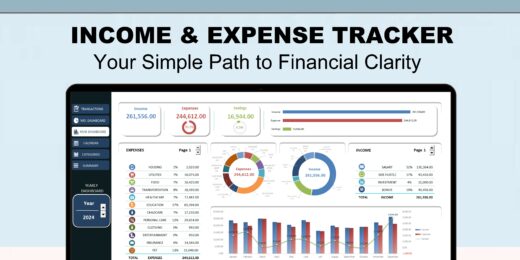
The Ultimate Income and Expense Tracker Spreadsheet is designed to…
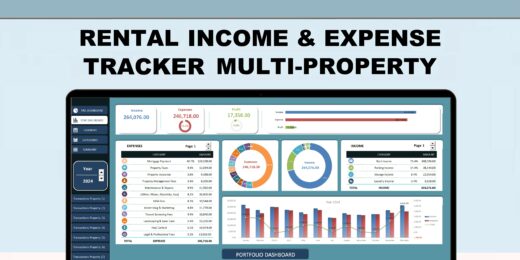
The RENTAL INCOME & EXPENSE TRACKER MULTI-PROPERTY is the ultimate…


This University Starters Budgeting tool helps students manage income, expenses,…
This Student Bundle includes financial model templates from various industries…
This Rental Property Financial Model Template has been built for…


User-friendly Excel template to compare financial outcomes of buying versus…


Take charge of your finances effortlessly with our Personal Finance…

Elevate your venture capital strategy with the VC Startup Portfolio…
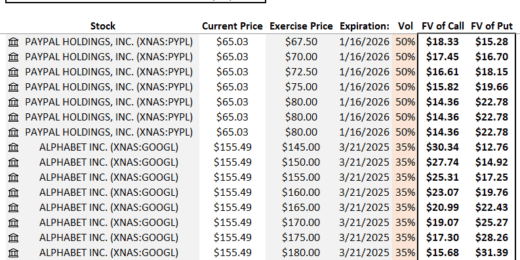
The Equity Options Fair Value Calculator (Black-Scholes) is your go-to…
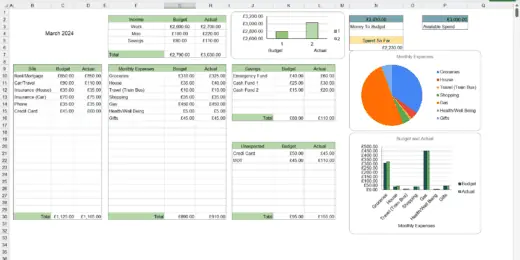
Ultimate Budget Spreadsheet, Budget Dashboard, in both Google Sheets and…
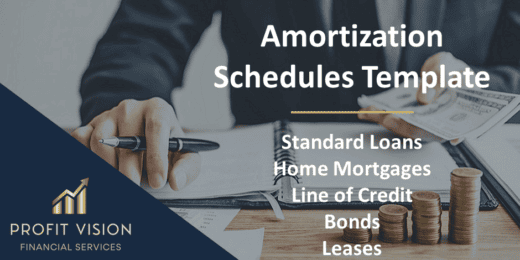
User friendly template including Amortization Schedules for Loans, Mortgages, Operating…


Protect your business secrets with ease using our Simple Mutual…

Financial Model providing an advanced 5-year financial plan for a…
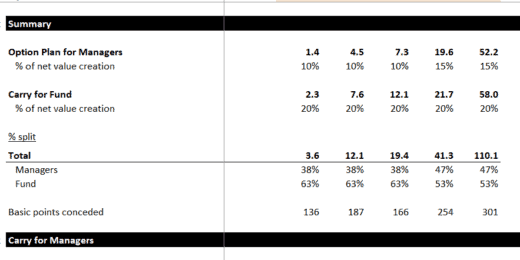

Common practice stock options plan for companies and company managers.…

One Excel file for this bundle of Valuation and Financial…


The Van Westendorp Price Sensitivity Meter (PSM) is a market…
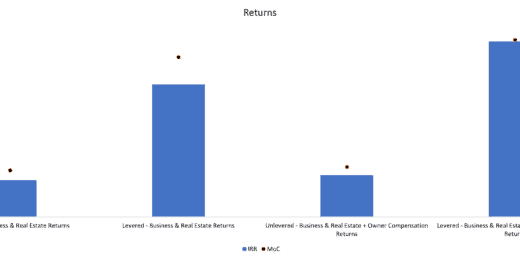

Pro Forma Models created this model to analyze the financial return…

The model is designed to evaluate a make-whole calculator for…


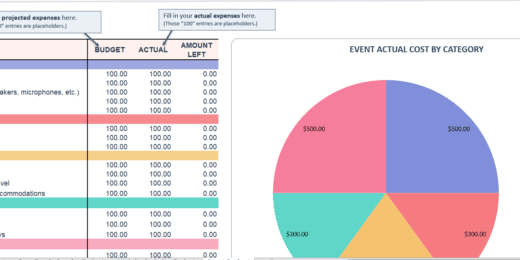

A template to help with creating a budget plan for…
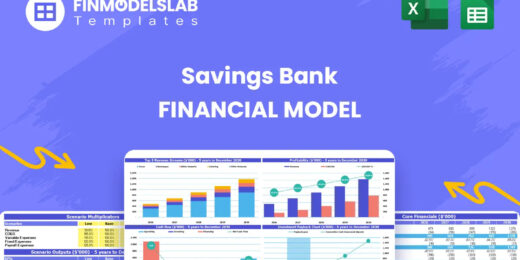

The Savings Bank Financial Model helps entrepreneurs, bank founders, consultants,…
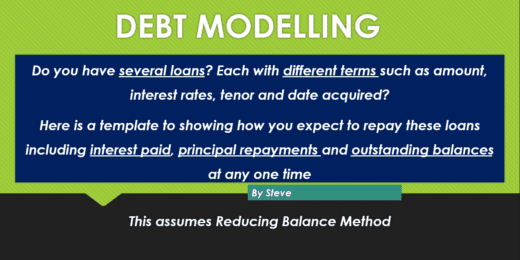

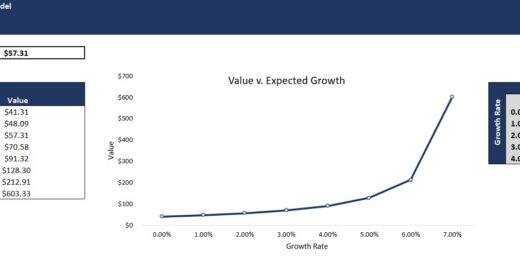


Lifetime access to all future templates as well! Here is…

Financial Model presenting a business scenario of a corporation engaged…

A fund management tool to track many positions over time…

This is a real cased based ALL IN ONE integrated…
This Moneylending ( FINANCIERS) 20-year Business Model will allow for…
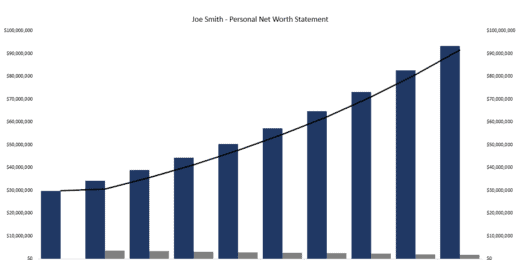
This model can be used to prepare, forecast, and analyze…
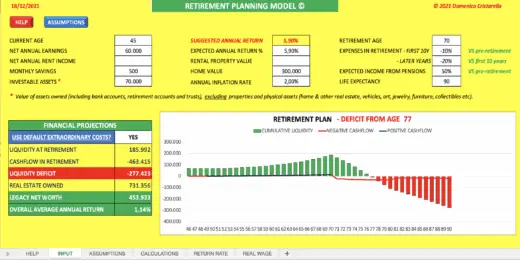

This Retirement Planning model estimates the evolution of your investable…


Financial model presenting a development scenario for an Office Building…
How to Choose the Right Personal Finance Plan

What is Personal Financial Planning?
There are three ways to answer the question best, "What is Personal Financial Planning?" First, personal financial planning is a comprehensive process that helps individuals manage their financial resources to achieve their future goals and ensure financial security. It involves analyzing one's financial situation, setting short-term and long-term financial objectives, and developing a coherent strategy to achieve these goals. The process is dynamic and using a personal finance model requires constant updating.. Second, personal financial planning is a skill for entrepreneurs, business owners, and finance professionals. It helps them achieve financial stability and make informed decisions with broader implications for business ventures and investments. As experts in developing personal finance models and templates, personal financial planners can integrate the principles of personal financial planning into the services they offer clients, providing them with a holistic approach to managing their financial resources. Third, personal finance is everything about achieving your personal financial goals. It can be saving up ahead of time in case of emergencies, vacations, or times when short in funds. Some also invest in different ventures for better returns and earn a substantial amount later on once retirement comes or to have a better lifestyle for their family. Creating a personal finance plan for your needs or wants is to make the most of your income or savings and also, just like in running a business, to be able to determine good or bad decisions on what to do with your money.The 5 Areas of a Personal Finance Plan
Creating a personal finance plan is crucial to achieving financial stability and growth. It entails handling all facets of one's financial life using an all-encompassing approach to money management. Let's explore each of the following five areas:- Income: This is the foundation of your personal finance plan. It includes all sources of income, such as salaries, bonuses, investment returns, and any other form of earnings. Understanding your income is critical for allocating it effectively across the different areas of your financial plan.
- Spending: This area involves tracking and managing your expenditures. It's not just about cutting costs but also about spending wisely. Creating a budget helps allocate funds to necessary expenses, such as housing, utilities, groceries, and transportation, while allowing for discretionary spending. Spending control is critical to living within your means and saving and investing adequately.
- Savings: Savings are an essential safety net and a source of funds for future financial goals. They include building an emergency fund to cover unexpected expenses and saving for short-term goals like vacations or significant purchases.
- Investing: This area focuses on growing your wealth over the long term. Investing can take many forms, such as stocks, bonds, mutual funds, real estate, or retirement accounts like IRAs or 401(k)s. The key is to find the right balance between risk and reward that aligns with your financial goals and risk tolerance. Diversification and understanding the time horizon for your investments are crucial aspects of a successful investment strategy.
- Protection: Lastly, protecting your assets and income is an often overlooked but vital part of a financial plan. It covers insurance plans for property, health, life, and disability. It also includes estate planning, which guarantees the distribution of your assets according to your wishes and provides for your dependents in the event of your premature death.

Basic Personal Finance Principles
Understanding and applying basic personal finance principles is crucial for long-term financial stability and success. Let's delve into each of these principles:- Avoid Insurance That You Can Afford to Pay Out of Pocket: Insurance should be used to mitigate significant financial risks you cannot bear. For minor risks or expenses you can comfortably cover, self-insuring might be more cost-effective. This approach helps prioritize insurance for catastrophic events (like health issues, disability, or significant property damage) while avoiding paying premiums for more minor, manageable risks.
- Don't Spend Too Much on Depreciating Assets: Assets that lose value over time, such as cars or electronics, can be poor investments if you overspend on them. The key is to balance your desire and need for these items with their long-term financial impact. This principle encourages careful evaluation of your spending, prioritizing assets that either maintain or increase in value or at least depreciating assets that are essential for your lifestyle or business.
- Invest Instead of Just Saving for Retirement: While saving is a crucial component of financial planning, investing can offer higher returns, helping your retirement funds to grow more significantly over time. Investments can include stocks, bonds, real estate, or other vehicles. However, it's essential to recognize that investing involves risks, and it's vital to align your investment choices with your risk tolerance, financial goals, and time horizon.
- Reduce Your Taxable Income: This principle involves utilizing legal strategies to minimize the amount of income subject to taxes. It can include making contributions to retirement accounts (like 401(k)s or IRAs), using health savings accounts (HSAs), or taking advantage of tax deductions and credits. You can increase your net income and savings by reducing your taxable income.
- Save 20% of Your Income: This guideline suggests that setting aside a significant portion of your income can help build a solid financial foundation. The 20% figure is a benchmark; the exact amount can vary based on individual circumstances and goals. These savings can help build an emergency fund, prepare for major purchases, or contribute to long-term financial goals like retirement.

Personal Finance Strategies
Navigating the realm of personal finance can be both exhilarating and challenging. Sound personal finance strategies pave the way for achieving financial security and realizing your dreams. By employing effective personal finance strategies, you can transform your economic landscape, turning aspirations into tangible realities. These strategies empower you with the knowledge and tools to take charge of your finances, make informed decisions, and confidently stride toward a future of financial well-being and prosperity. To help you start personal finance plan, here are the best personal finance strategies to manage your money:- Budget Plan A budget plan makes a whole lot of difference on how you spend your money. It is critical when you have long-term goals and if you want to live within your means. Budget planning is easier said than done, but it is a good thing that nowadays, there are many tools that help greatly in sticking to the plan. Of course, you must also be determined and persevere, for you are the greatest factor of your plan’s success. Remember, a plan is just a plan without proper execution.
- Emergency Fund One can’t really predict when certain difficulties arise, thus, it is better to be prepared in case of an emergency such as hospital and medical bills, unemployment, uncontrollable disasters like storms or flooding, etc. It is advisable to set aside a portion of your earnings until you reach a certain point which will serve as your ideal safety net against unexpected circumstances. Once you do reach your goal amount, you can still continue on pouring some money in, since you can simply convert the excess fund for other purposes in the future.
- Debt Limit Basically, don’t spend beyond your means. Insolvency often happens to businesses who let their debt out of hand, the same applies to any entity. Going into debt doesn’t necessarily mean that it’s a bad thing especially when it is for the development or improvement of something that will help you gather more yield or assets. The main point is, limit your debt.
- Credit Card Control With the advancement of today’s technology, doing transactions can be done easily by using credit cards. But it is clear to see, especially after several cases, using a credit card is like getting caught in a debt trap. Still, having one is essential for nowadays day to day basis. The problem is to control oneself on not overspending. Just like limiting your debt, eventually, every transaction will pile up into a huge sum which you need to repay on a monthly basis. You will need to track your expenses and make sure that your credit rating stays in the minimum to ensure that you’ll be able to pay on time.
- Credit Score Tracking If you have a credit card then it is important that you monitor your credit score. Using the credit card as a tool for your transaction will slowly build up your credit score and maintained. This will be your presentation of your financial standing whenever you want to obtain something such as lease, mortgage, phone line, internet, etc. Your credit score will show your solid credit history such as information about your payment behavior, duration of your credit, credit-to-debt ratio, etc. To keep track of your credit score, you can simply utilize different tools like a financial model or an excel spreadsheet to help you have a systematic framework for tracking and fast updating.
- Plan for your Family Once you have a family, the weight of expenses will be even greater since you need to start considering the future of your family too. You want to ensure that your family will be well-supported even after you die, so some plans need to be done first. You need to consider getting insurance not just for your assets but also for yourself and your family to prepare in the future. This will ensure the future of your family and at the same time, this will give you an opportunity to lead the young ones in your family on how to value money whether saving, investing, and spending efficiently.
- Education Expenses or Student Loan Repayment Spending money on education can be taken as an investment to get better opportunities for achieving higher yields. Especially nowadays where getting an education is a requirement of employment and even sometimes it becomes a factor of how much your salary will be. Thus, setting aside money for education is essential, otherwise, you will have to get a student loan. Since there are a lot of loan-repayment plans and strategies available, it won’t be a trouble anymore. There are also government grants or programs that will help with student funding.
- Retirement Plan You may think that preparing for retirement is only for those getting older and it’s too early to start one, but the truth is, you need to start as early as you can to get more benefit in the future. Slowly but surely, your savings will grow over time. This will also help you alleviate the burden of income taxes, so take advantage of this opportunity as soon as you can. There are also other ways to gather money for your retirement plan other than investing, there’s also social security benefits, permanent life insurance, etc.
- Taxes Taxes, though sometimes it seems like a small percentage of what you earn when converted into a figure, actually amounts to a chunk of your total earnings. Without maximizing your tax savings, you’ll lose the opportunity of saving up money that could be used either for paying past loans, present expenses, or future plans. But mostly this is due to the complex taxation process, that many people seem to neglect on noticing. Some often hire professionals to help them with their taxes, while others go for available tax models to help organize and take advantage of every tax deduction and credit available.
- Personal Plans for Recreation Personal financing may sound too strict with all the limitations and preparations that you have to deal with, but it is a fact that all are essential if you want the best for yourself and your future. But, this doesn’t mean that you’re not allowed to take a break once in a while. Ensure that you reward yourself every now and then. It doesn’t need to be too extravagant and something that will affect your budget such as an occasional night out, shopping, vacation out of town or country, etc., as long as you get to enjoy financial freedom. This, in turn, will encourage you more to stick with your plan.
Personal Finance Excel Spreadsheet Templates
Personal financial planning models focus on analyzing your current financial position, predicting your future needs either short-term or long-term and executing a plan to satisfy those needs with budgeting in mind. All will depend on your goals, income, expenditures, lifestyle, desires and other simple finances. Now the question is, how to go about financial planning, effectively applying it and figuring out beforehand if your financial plan is working? Some have knowledge on how to do their personal finance plan and make it from scratch. But a better and more efficient way is to acquire personal financial planning models that you can use for better visualization of your finances. These personal financial planning models will be your guide to a better way of money managing and will help you calculate your personal finances easily. No more creating and researching for a money management plan from scratch. You can refer to the list below on what you need or prefer. Money Management made easy and time-saving, designed to help you with money managing. If you are looking for a specific financial model template and couldn't find it in our inventory, feel free to comment here: Missing Financial Model Templates, so that our Vendors will pick up that project and will soon add in our still growing inventory. If you found the template but need help with customization of your preference, we also offer financial modeling services which you can avail here: Custom Financial Modeling Service. We would be really grateful if you also rate our products and leave a review, comments, suggestions, or any kind of feedback, about our financial model templates, for this will greatly help us shape our templates to be even better in the future.
You might also like: