
0 ITEMS

Parking
This is our selection of financial model templates for business models related to Vehicle Parking services, spaces, and others.


Free market study reports on the global real estate industry…


A professional Excel and Google Sheets financial model built for…


10-year financial model for a parking lot development providing forecasts,…


The Rental Property Financial Model template helps evaluate rental property…

10-year financial model for a mobile home and RV park…


This Real Estate Financial Model is a fully integrated Excel…


This financial model is designed to evaluate the investment feasibility,…

A comprehensive 5-year financial forecasting model for parking lot operations,…


Deal Instant Analyzer is designed to help you quickly evaluate…

Cashflow Analyzer Pro with Deal Instant Analyzer from AssetAFC.com, is…
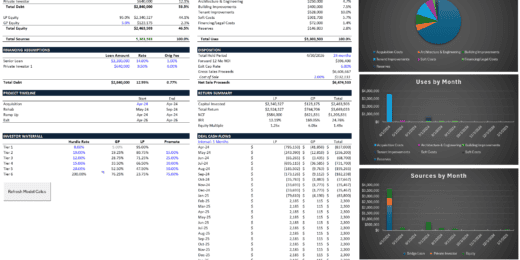

Introducing the Multifamily Rehab Flip Model with Investor Returns Waterfall…


10-Year financial model for a yacht marina acquisition projecting revenue,…


Raw land development projects: The model is specifically designed for…


3 statement 10 year rolling financial projection Excel model for…


A professional model for retail property construction (build – hold…

A professional model for retail property acquisition (buy – hold…

A professional model for residential property construction (build & sell)

A professional model for residential property construction (build – hold…
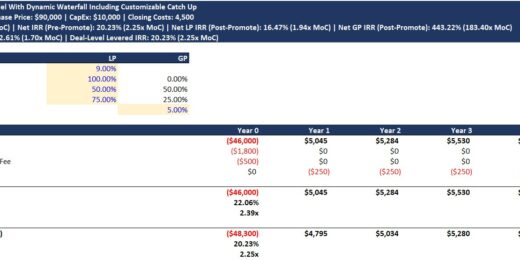

The waterfall model includes a dynamic catch up. This model…
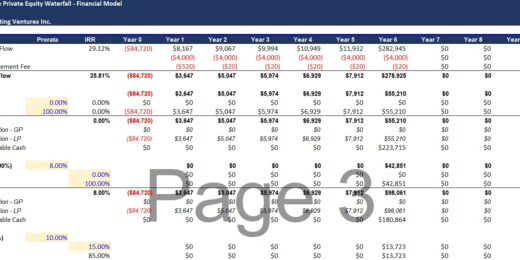
This Pro Forma Model is for real estate private equity…
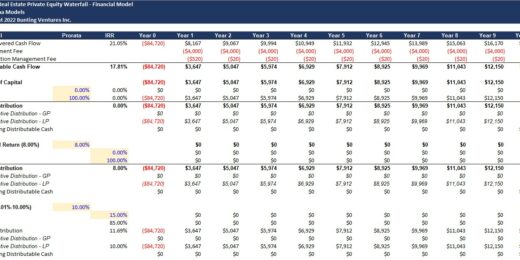
This Pro Forma Model is for real estate private equity…

This model is best for those who want a calculator…
This Parking Garage Financial model Template enables users to get…
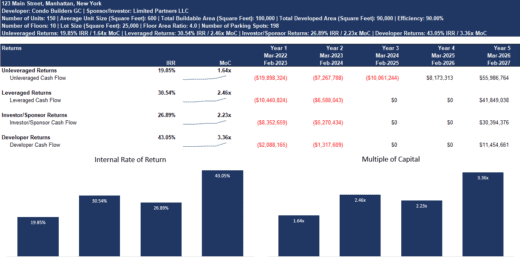
This model can be used to analyze the financial return…
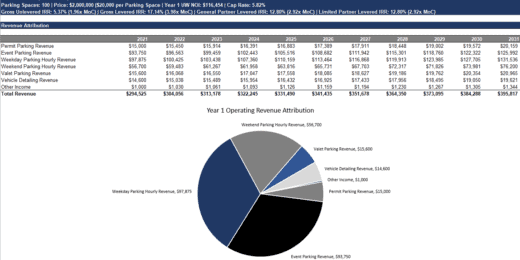
This model can be used to analyze the financial/investment return…
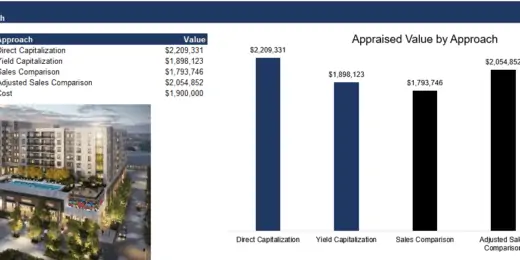
This model serves as a complete real estate appraisal toolkit…


This detailed, yet easy to use three statement financial model…


This is a collection of ready-made Excel financial model templates…

The Parking Operator Financial Model forecasts the expected revenues and…
Predicting Revenue Fluctuations for Smart Parking Financial Plans

The evolution of urban landscapes and the surge in population density have brought significant challenges to traditional parking systems. In response, smart parking solutions have emerged as an efficient, technology-driven alternative aimed at mitigating urban congestion and enhancing user convenience. Smart parking, an innovative approach that integrates intelligent systems to improve parking management, is fundamentally transforming the parking industry. This article delves into the intricacies of smart parking, focusing on financial planning to predict revenue fluctuations within this promising sector.
Smart parking systems utilize a combination of sensors, real-time data, and mobile applications to monitor parking availability and facilitate efficient space allocation. The importance of these systems lies not only in their ability to optimize parking operations but also in their contribution to reducing carbon emissions and fostering sustainable urban growth. As we explore the dynamics of the smart parking landscape, we will examine key market growth factors, the competitive terrain, and essential performance indicators critical for financial planning in smart parking.
The Evolving Dynamics of Smart Parking
As cities worldwide embrace digital transformation, smart parking has become an integral component of modern urban infrastructure. This section discusses the factors driving growth in the smart parking sector, including urbanization, technological advancements, and the competitive landscape influencing market strategies.
By leveraging the Internet of Things (IoT) and data analytics, these systems enable real-time tracking of parking spaces, facilitating seamless user experiences. Recent trends indicate a growing adoption of smart parking solutions driven by increasing urbanization, the rise of smart city initiatives, and significant technological advancements. These factors collectively enhance the operational efficiency of parking facilities, meeting the evolving demands of urban dwellers.
Market growth in the smart parking sector is primarily fueled by rapid urbanization and increasing population density, which heighten the demand for efficient parking solutions. In line with this, smart city initiatives worldwide prioritize improvements in parking management to alleviate urban congestion. Additionally, technological advancements such as automation and artificial intelligence are reshaping parking systems, providing robust data analytics for real-time decision-making.
The competitive landscape of smart parking is marked by both established players and emerging startups, each striving to innovate and capture market share. Major companies offer comprehensive solutions that integrate with broader urban infrastructure projects, while startups often focus on niche solutions tailored to specific urban challenges. These competitive dynamics underscore the importance of financial planning in navigating an evolving market environment.
Key Performance Indicators Shaping Financial Success
Operational efficiency and profitability in the smart parking industry hinge on several key performance indicators (KPIs). This section outlines the core KPIs essential for financial strategies that maximize revenue and streamline operational processes.
Core KPIs for smart parking include utilization rates, average revenue per user (ARPU), dynamic pricing models, and cost per transaction. Utilization Rate is a fundamental KPI that measures the occupancy rate of parking spaces. Tracking and optimizing this metric allows operators to maximize revenue while enhancing user experience. Data-driven insights enable parking facilities to efficiently allocate resources during peak and off-peak times, ultimately boosting profitability.
Average Revenue Per User (ARPU) is another critical metric that influences pricing strategies. By understanding ARPU, operators can implement targeted pricing tactics and introduce value-added services to enhance customer satisfaction and loyalty. This KPI also assists in identifying opportunities for upselling and cross-selling within the parking ecosystem.
Dynamic Pricing Models represent a strategic approach whereby parking fees fluctuate based on demand, location, and other factors. This pricing strategy can significantly enhance occupancy rates and profitability. Successful implementations, such as those in densely populated urban centers, highlight the potential of dynamic pricing in optimizing revenue streams.
Cost Per Transaction is a crucial consideration when evaluating the financial viability of smart parking systems. By assessing all associated costs with each parking transaction, operators can identify areas for cost reduction and efficiency improvements. Technological advancements, such as automation and mobile payments, can substantially lower transaction costs, enhancing overall profitability.
Anticipating Revenue Shifts in Smart Parking
Accurate revenue forecasting is paramount for effective financial planning in the smart parking industry. This section examines the factors influencing revenue, the role of data analytics, and the importance of scenario analysis in anticipating market dynamics.
It requires a thorough understanding of factors influencing revenue, robust data analytics, and scenario analysis to better anticipate market dynamics. By acknowledging the impact of seasonal variations, economic indicators, and consumer spending habits, parking operators can create realistic revenue forecasts.
Factors Influencing Revenue in the smart parking industry include seasonal changes, local events, and broader economic conditions. Understanding these factors allows operators to adjust strategies to accommodate varying demand levels, ensuring optimal utilization of parking resources.
Data Analytics for Predictive Modeling is a powerful tool for revenue forecasting. By leveraging historical data, operators can identify trends and patterns that inform future revenue projections. Advanced tools and methodologies such as machine learning and artificial intelligence enhance forecasting accuracy, providing actionable insights for strategic planning.
Creating Revenue Scenarios involves developing best-case, worst-case, and expected revenue models to navigate market uncertainties. These scenarios enable operators to prepare effectively for fluctuating conditions and implement adaptive strategies that safeguard revenue streams. Scenario analysis serves as a vital component of comprehensive financial planning, ensuring resilience against market volatility.
Excel as a Strategic Tool in Financial Modeling for Smart Parking
Excel remains a preferred tool for financial planning due to its versatility and accessibility for finance professionals. This section highlights the advantages of using Excel for financial modeling in the smart parking industry.
Its inherent flexibility makes it an ideal platform for developing customized financial models that cater to the unique requirements of the smart parking industry. Excel’s robust features facilitate efficient scenario analysis and allow for the seamless integration of complex data sets.
Why Choose Excel for Financial Models? The familiarity and accessibility of Excel for finance professionals cannot be overstated. Its adaptability enables the formulation of bespoke financial models tailored to industry-specific needs, providing a comprehensive framework for decision-making and resource allocation.
Key Features of Financial Model Templates include pre-built formulas, automated calculations, and user-friendly dashboards that offer a clear overview of financial performance. These templates streamline financial planning processes, enhancing productivity and accuracy in revenue forecasting.
Case Studies of Successful Financial Models in the smart parking industry showcase the utility of Excel templates in facilitating strategic planning. Companies leveraging Excel-based financial models have demonstrated improved forecasting accuracy and operational efficiency, underscoring the importance of robust financial planning tools.
Conclusion: Embracing Data-Driven Financial Strategies
In conclusion, understanding key performance metrics and employing data-driven forecasting models are critical to navigating the dynamic smart parking landscape. Financial planning principles tailored to this sector enable operators to optimize revenue streams and adapt to market fluctuations effectively. By utilizing resources like Excel for financial modeling, smart parking firms can enhance their financial planning capabilities, driving strategic decision-making.
For those looking to elevate their financial planning initiatives, exploring the offerings at eFinancialModels.com can provide valuable insights and tools. Their Excel templates are designed to align with industry-specific needs, ensuring accuracy and efficiency in revenue predictions for smart parking endeavors. Tap into these resources to bolster your strategic planning and achieve sustained success in the evolving smart parking market.
FAQ on Smart Parking Financial Planning
- What are the main factors driving smart parking adoption? The main factors include rapid urbanization, increasing population density, and technological advancements such as IoT and AI, which enhance operational efficiency and user experience.
- How does dynamic pricing affect smart parking revenue? Dynamic pricing allows for flexible parking fees based on demand and location, optimizing occupancy rates and increasing profitability by adjusting pricing to demand fluctuations.
- Why is Excel preferred for financial planning in smart parking? Excel is preferred for its versatility, accessibility, and adaptability, enabling finance professionals to create customized financial models that match industry-specific requirements.
- What KPIs are crucial for smart parking financial success? Key KPIs include utilization rates, average revenue per user (ARPU), dynamic pricing models, and cost per transaction, each contributing to effective revenue management and operational efficiency.
- How can data analytics improve revenue forecasting for smart parking? Data analytics leverages historical data to identify trends, enhancing forecasting accuracy by applying methodologies like machine learning and AI for strategic financial planning.
You might also like: