
0 ITEMS

Strategic Insights to Secure Series B Financing

Securing Series B financing is a key milestone for startups aiming to scale rapidly and sustainably.
- Less than 10% of startups move from seed funding to Series B due to high performance standards.
- Investors prioritize proven growth metrics, a large addressable market, and a strong management team.
- Raising $15 to $50 million typically involves detailed financial planning and demonstrating scalability.
- A clear exit strategy and demonstrated ability to generate revenue are critical for attracting investors.
- Robust financial models and a compelling pitch can significantly improve chances of success.
Understanding these essentials helps startups navigate the competitive Series B funding landscape.
What is a Series B Financing Round?
A Series B financing round is a stage in the capital-raising process of a startup or young company. At this point, the company has already proven its concept and achieved some market traction, usually through earlier funding rounds such as seed and Series A rounds. Series B funding is used to scale operations, expand into new markets, or develop new products.
The primary goal of Series B financing is to propel the company from a startup to a more mature business, setting the stage for rapid growth. Obtaining a Series B funding amount is a strategic move focused on expanding the product line, entering new markets, and scaling operations. Investors in Series B rounds, including venture capital firms, private equity firms, and large institutional investors, are drawn to companies with solid growth potential, igniting a sense of optimism for the future.
Characteristics of Series B Funding
When a company reaches Series B, it has a validated business model and a demonstrated ability to generate stable revenue growth. This round is about growth and scaling, a clear sign of the company’s confidence in its product or service. The growing customer base and increasing revenue streams are tangible evidence of the demand for the company’s offerings. Companies at this stage typically have higher valuations than in previous rounds, a testament to their proven track record and potential for substantial growth, instilling confidence in the audience.
Series B Funding Amount
A Series B funding amount involves more significant investments compared to earlier stages. They typically range from $15 million to $50 million, though the amount can vary significantly based on the company’s industry, growth stage, and investor interest. Companies in high-growth or capital-intensive sectors like technology and biotechnology may raise more significant amounts. More mature companies with proven business models and revenue streams will likely secure higher funding. However, it’s important to note that solid investor interest and competition can significantly increase funding. It is particularly true if the company has high-profile investors or had a successful Series A round, as these factors can signal the company’s potential and attract more funding.
Series B Funding Timeline
Series B financing typically follows the initial Series A funding, which lasts about 12 to 18 months and supports early growth and market entry. If a company still requires capital after this period to further its market dominance, it can seek Series B funding. Depending on the company’s needs, this phase can span a few months to several years. The primary goals of Series B financing are to facilitate significant scaling efforts, such as expanding operations or entering new markets, and to support new product launches. The funding is intended to sustain the company until it can generate enough revenue to maintain growth independently. Investors in Series B expect the company to show strong growth potential and a clear path to profitability, with specific milestones like revenue targets or product advancements guiding the use of these funds. Thus, Series B financing is a pivotal stage for significant business expansion and achieving long-term sustainability.
Series B Uses of Funds
Companies typically use series B funding to accelerate growth and scale their operations in various strategic areas. These include:
- Developing new products or services: This funding allows a company to innovate and expand its product or service offerings, enhancing its competitive edge. It enables research and development activities that can lead to the creation of advanced or entirely new offerings.
- Entering new geographic markets: Companies use this funding to expand their presence into new regions or countries, tapping into new customer bases. It often involves setting up local offices, understanding market dynamics, and tailoring marketing strategies for the new locations.
- Expanding the team by hiring new employees: To support growth, companies must build a larger workforce, hiring talent in critical areas such as sales, marketing, engineering, and customer relationship management. It helps scale operations and manage increased business demands.
- Improving infrastructure and operational capabilities: Series B funding is used to upgrade technology, enhance facilities, and streamline processes to improve efficiency and productivity. It ensures the company can handle larger business volumes and operate more smoothly.
- Increasing marketing efforts to reach new customers: Companies invest in marketing campaigns, including digital advertising, content marketing, and public relations, to boost brand awareness and attract new customers. Enhanced marketing efforts can drive sales and establish a more robust market presence.





















































What Do Investors Look for in Series B Financing?
Series B financing represents a critical growth stage for startups, where investors seek more than a promising idea or early traction. At this stage, Series B investors typically seek parameters that align with their expectations of scalability, sustainability, and significant market potential, as the investment is substantial. These investors meticulously evaluate the startup’s ability to execute its business model effectively, achieve robust growth, and maintain competitive advantages. The focus is on ensuring that the company is well-positioned to use the capital infusion to accelerate expansion, enhance operations, and drive toward profitability, thereby justifying the investment required.
Clear Exit Strategy
Series B investors are keen on understanding how they will eventually realize a return on their investment. A clear exit strategy outlines the potential pathways for the company to go public through an IPO, mergers and acquisitions, or other liquidity events. This strategy reassures investors that there is a well-defined plan for them to achieve their financial goals within a reasonable timeframe, which is crucial given the more significant amounts of capital involved at this stage.
Large Addressable Market
Investors look for companies operating within a large and growing addressable market. A significant market size indicates ample opportunities for the company to expand and increase its customer base. This growth potential is a critical factor in attracting Series B funding, as investors want to ensure that the company can scale its operations and capture a substantial market share, thereby maximizing the return on its investment. The metric for a sizeable addressable market is typically measured in terms of market size, often expressed in dollars. The acceptable market size for a startup seeking a Series B funding round usually ranges from $1 billion to $10 billion. Such a Series B funding amount requisite indicates substantial growth potential to attract significant investor interest.
Proven Business Model
Investors expect the company to have a proven and viable business model at the Series B stage. The startup has demonstrated its ability to generate revenue and sustain operations effectively. A proven business model reduces investors’ risk by showing that the company’s value proposition resonates with customers and that there is a clear path to continued growth and profitability. Metrics that show a proven business model include:
- Consistent annual revenue growth of 50% to 100%
- Positive cash flow
- Sustainable profit margins
- A stable customer acquisition cost (CAC) relative to the customer lifetime value (CLV)
Scalability
Scalability is critical for Series B investors, who look for businesses that can proliferate without a proportional cost increase. Investors want to see that the company’s infrastructure, processes, and systems can support significant expansion. It includes entering new markets, increasing production, and enhancing distribution channels efficiently. A scalable business model ensures that the company can handle the increased demand and capitalize on growth opportunities.
Solid Management Team
The strength and experience of the management team are pivotal in attracting Series B investments. Investors seek a leadership team with a track record of success, strategic vision, and ability to execute the company’s growth plans effectively. A solid management team instills confidence that the business can navigate challenges, seize opportunities, and steer the company toward sustained success and profitability.

Tips for a Successful Series B Funding Round
Successfully securing a Series B funding round is a crucial milestone for any growing startup. At this stage, the focus shifts from proving your business concept to scaling your operations and solidifying your market position. To attract the right investors and secure the necessary capital, it’s essential to prepare thoroughly and strategically. Each strategy listed below is pivotal in convincing investors of your company’s potential and readiness for the next growth phase.
Build the Ideal Team
Your team is crucial in convincing investors during a Series B funding round. At this stage, having a robust and well-rounded team that can execute the company’s vision is vital. Investors seek experienced leaders and skilled professionals who can drive growth and navigate challenges. Demonstrating that you have the right mix of talent in critical areas such as management, marketing, sales, and technology can instill confidence in investors about your company’s prospects.
Create a Compelling Pitch
A compelling pitch deck is essential for securing Series B funding round. This pitch should clearly articulate your business model, market opportunity, competitive advantages, and growth strategy. It is crucial to highlight your company’s achievements since the last funding round and how the new funds will be used to scale the business further. Your pitch should tell a story that excites investors and demonstrates a clear path to substantial returns on their investment.
Leverage the Power of Networking
Networking plays a significant role in successful fundraising. Building relationships with potential investors, advisors, and industry leaders can open doors and provide valuable introductions. Attend industry events, join startup communities, and leverage your existing network to connect with investors who are a good fit for your business. Strong endorsements and referrals can significantly enhance your credibility and increase your chances of securing funding.
Show Off Your Financial Metrics
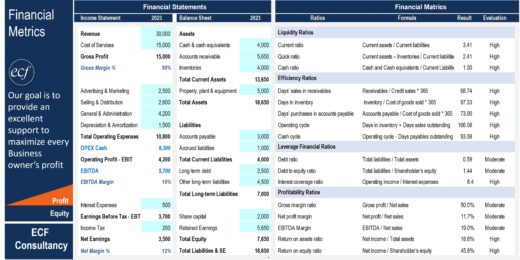
Investors want to see solid financial performance and a clear trajectory of growth. Providing detailed and transparent financial metrics, such as revenue growth, customer acquisition costs, and profitability, can demonstrate your business’s health and potential. Highlighting key performance indicators (KPIs) and explaining how you track and improve these metrics will reassure investors about your financial understanding and business sustainability.
Use a Series B Funding Chart
A Series B Funding Chart is a visual representation of the funding acquired by a startup or company during its Series B investment round. This chart typically outlines critical metrics such as the total amount of capital raised, the company’s valuation, and the distribution of funds among various investors. It may also show the percentage of ownership acquired by different stakeholders, the timeline of the investment round, and comparisons to previous funding rounds. The purpose of a Series B Funding Chart is to provide a clear and concise overview of the company’s financial growth and investment landscape at this particular stage. Clearly showing how each funding segment will contribute to achieving your strategic goals can help investors understand your growth plan and the rationale behind your funding needs. A well-prepared Series B funding chart can simplify complex information and make your proposal persuasive.
Each of these tips addresses different aspects of the preparation and presentation process, helping to build a comprehensive strategy for a successful Series B funding round.

Propel Your Startup to a Winning Series B Funding Round
Raising a Series B funding round is a significant milestone for any startup, but it’s also a complex and challenging process. The stakes are higher, the expectations are greater, and the scrutiny from potential investors is more intense. It’s no wonder that less than 10% of startups advance to this stage. Series B investors look for more than just a promising idea; they want to see evidence of growth, a scalable business model, and a clear path to profitability. The pressure to deliver on these fronts can be overwhelming, leading many startups to stumble.
This is where financial modeling comes into play. A robust financial model provides a detailed roadmap of your startup’s future, helping to address the concerns and questions that investors will inevitably have. It demonstrates your understanding of the market, your business’s potential for growth, and your ability to manage risks and uncertainties. By showcasing a well-thought-out financial plan, you can build investor confidence and set your startup apart from the competition, ultimately propelling you to a successful Series B funding round.
Related Readings:
- How Do Startup Funding Rounds Work?
- How to Secure Seed Financing
- How to Raise Series A Funding
- Steps to Securing Series C Financing





































You might also like:
- 10 Main Elements of a Business Plan
- 10 Tips to Develop a First Class Business Valuation Report
- 5 Practical Tips to Help Raise Funds For Startups
- Bootstrapping vs. Venture Capital Funding: Which is Better?
- How Does the Equity Accounting Method Work?
- How to Build a Capitalization Table
- How to Make a Startup Financial Plan for Fundraising?
- Calculating Revenue Growth Rate: A Key Metric for Business Success
- Financial Modelling PDF Examples
- Understanding Debt Sizing & Project Finance Ratios
- Financial Ratios Analysis and Its Importance
- Valuation Services
- Business Valuation
- Fundraising
- Solution for 10-Year Financial Projections
- Financial Model
- Financial Projections
- Real Estate
- Financial Planning
- Financial Analysis