
0 ITEMS

Kiosks
Listed here are financial model templates, under the retail industry, specifically designed for businesses such as Kiosks and related business models.


A professional Excel and Google Sheets financial model built for…


A professional Excel financial model suite for bakery businesses, built…


A practical, Excel-based financial model designed to evaluate the economics…




Trade uncertainty for strategy. Success in the coffee shop business…

5-year (60-month) forecast model with monthly projections and annual summaries…

A 5-year (60-month) Excel model with detailed monthly projections and…


Unlock the True Potential of Your Vending Machine Business with…
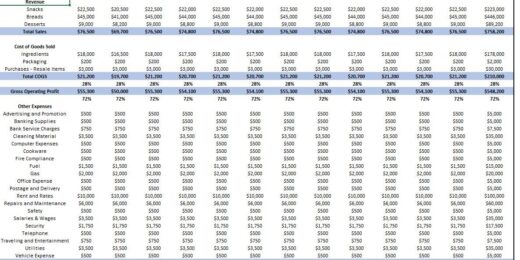

Bakery Accounting Template With Profit & Loss Accounts: Welcome to…


Get a comprehensive bakery financial plan with detailed 10-year projections.…

5-year (60-month) Excel model with monthly projections and annual summaries…

This financial model is meticulously designed to analyze and forecast…

The Cocktail Bar Financial Model is a comprehensive 5-year forecasting…


Plan a profitable restaurant pop-up with this 365-day Financial Model!…

Ensure daily profitability with our Pop-Up Store Budget Plan Template,…


Advanced Financial Model designed for a Pizzeria business, providing comprehensive…


Simplify your cloud kitchen’s financial planning with our Cloud Kitchen…


This financial model provides an advanced 5-year financial plan for…


Financial Model providing a dynamic up to 10-year financial forecast…


Highly versatile pet supplies shop 5-Year financial projection model with…

This Vending Machines Financial Model Template has been built for…

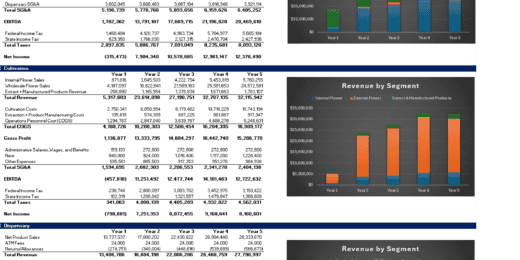

The Cannabis Grow, Manufacturing and Dispensary Pro-Forma Model is a…

This Excel model is a highly adaptable and user-friendly tool…

5 year rolling financial projection Excel model for a vending…

The template is designed to be user-friendly, with most inputs…

The Lemonade Stand Financial Model helps users turn a small…
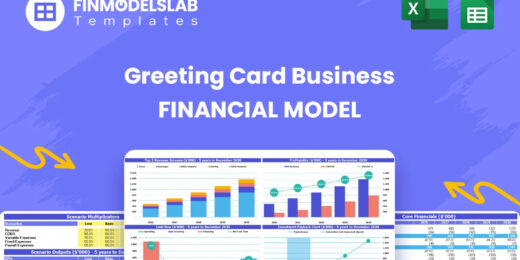
The Greeting Card Business Financial Model helps entrepreneurs and planners…
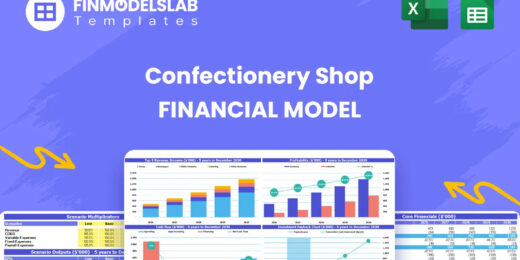
The Confectionery Shop Financial Model helps turn a candy shop,…

This Grocery Store 10-year Financial and Business Model also contains…


The Retail Financial Plan is an all-inclusive financial planning template…


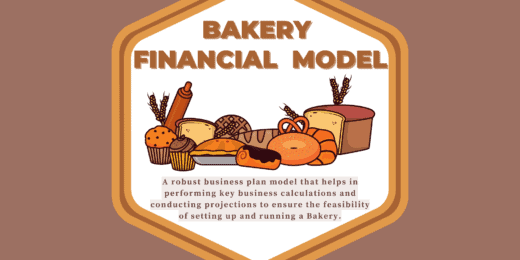

This Bakery FM is a perfect tool for financial feasibility…
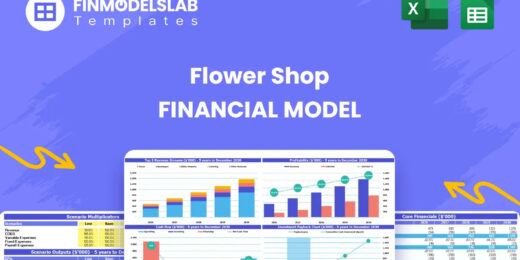
The Flower Shop Financial Model helps entrepreneurs, florists, business owners,…
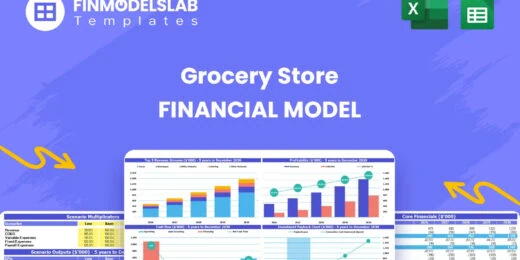
The Grocery Store Financial Model helps entrepreneurs, founders, consultants, analysts,…

The Gift Shop Financial Model helps users build a structured…
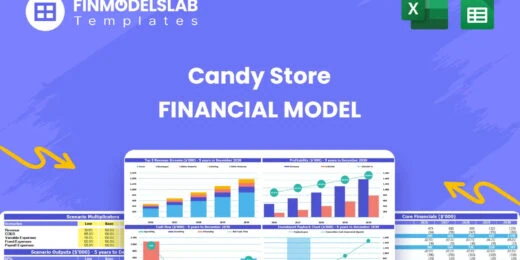
The Candy Store Financial Model helps entrepreneurs and planners turn…
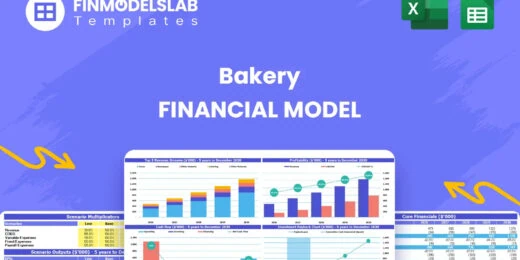
The Bakery Financial Model helps entrepreneurs, bakery owners, consultants, analysts,…
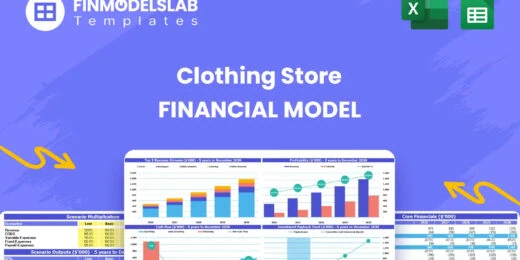
The Clothing Store Financial Model helps turn a retail apparel…
The Pizza Restaurant Financial Model Template helps entrepreneurs, restaurant owners,…
The Food Truck Financial Model helps entrepreneurs, founders, business owners,…
Maximizing Profit Margins in Kiosks Financial Planning

The kiosk industry is experiencing a remarkable surge in popularity, driven by its unique blend of convenience and adaptability. From bustling shopping centers to transit hubs, kiosks have become an integral part of modern consumer interactions. However, in this rapidly evolving landscape, maximizing profit margins hinges on effective financial planning tailored to the specific needs of kiosk operations. By understanding the intricacies of kiosk financial planning, business owners can navigate this dynamic environment with strategic insight and precision.
Financial planning for kiosks is crucial as it enables owners to allocate resources effectively, optimize operational efficiencies, and secure a competitive edge. The industry's appeal lies in its diverse formats, ranging from food and beverage to retail and information kiosks. As these compact business models continue to multiply, kiosk entrepreneurs must arm themselves with strategies that go beyond conventional business practices. This article delves into the essentials of kiosk financial planning, shedding light on industry-specific KPIs, cost components, operational strategies, and advanced tools like MS Excel that can transform data into actionable insights.
Understanding the Kiosk Industry Landscape
The kiosk industry has witnessed significant growth over the past decade, owing to changing consumer preferences towards quick and convenient service options. These unmanned or semi-manned business units cater to various sectors, including food, retail, and information, each presenting distinct opportunities and challenges. Food kiosks, for example, capitalize on the growing demand for on-the-go meals, while retail kiosks serve as flexible outlets for products ranging from electronics to apparel. Information kiosks provide essential services like wayfinding or ticket sales, enhancing customer experiences in public spaces.
Recent industry trends have magnified the potential of kiosks. The evolution of contactless transactions has been pivotal, providing a seamless customer experience and optimizing transactional efficiency. Technology integration, such as the use of digital screens and AI for inventory management, further underscores the transformation within the kiosk sector. In such a competitive arena, meticulous financial planning becomes paramount. Kiosk owners must adeptly manage costs, forecast sales, and adapt to market trends, ensuring they stand out amongst a plethora of offerings.
Key Performance Indicators (KPIs) for Kiosks
To optimize financial strategies, kiosk owners must focus on industry-specific Key Performance Indicators (KPIs). These measures are critical in evaluating a kiosk's operational and financial health. Understanding these KPIs enables owners to make informed decisions that bolster efficiency and profitability.
- Sales per Square Foot: This KPI measures revenue generation relative to space utilized. For kiosks, maximizing sales within a limited footprint is essential, making this metric invaluable for spatial efficiency.
- Average Transaction Value: Enhancing customer experience and encouraging upselling can elevate this KPI, directly influencing revenue potential and customer satisfaction.
- Customer Footfall: Analyzing traffic patterns can reveal optimal operational hours and staffing requirements, aligning resources with peak demand periods.
- Inventory Turnover Rate: This indicator helps in understanding the speed of sales and the effectiveness of stock management, crucial for minimizing holding costs and ensuring fresh offerings.
- Customer Acquisition Cost (CAC): Evaluating the costs associated with attracting new patrons is vital for assessing the effectiveness of marketing expenditures and growth strategies.
Components of Effective Financial Planning for Kiosks
Financial planning for kiosks involves an intricate balance of startup costs, forecasting sales, managing operating expenses, and preparing for unforeseen challenges. Each component demands careful consideration to ensure sustained profitability.
Identifying Startup Costs and Initial InvestmentsLaunching a kiosk requires understanding the comprehensive list of initial expenses. These include permits and location leases, which can vary significantly based on geography and consumer traffic. The design and setup of the kiosk are also pivotal, as they directly impact brand perception and customer engagement. Furthermore, inventory costs need strategic assessment, ensuring a balance between availability and variety to meet consumer preferences. Marketing efforts during launch play a critical role in gaining initial traction, making room for budget allocation in this area.
Crafting a Sales Forecast Aligned with Market ResearchSales forecasting is instrumental in anticipating revenue streams. Techniques that leverage historical data from similar kiosks can offer insights, while market research helps predict consumer behavior based on seasonal trends and location dynamics. This predictive analysis aids in building robust sales forecasts that are crucial for cash flow management and strategic decision-making. For better forecasting, consider using our cash flow projection templates.
Managing Operating ExpensesOperating expenses for kiosks encompass both fixed and variable costs. Fixed costs often include location leases and utilities, while variable costs can fluctuate with inventory purchasing and promotional campaigns. Monitoring and adapting these expenses through budgeting is integral to financial stability. Employing adaptive strategies can help in mitigating unnecessary expenditures, ensuring profitability remains unaffected amidst operational variances.
Planning for ContingenciesPreparing for unforeseen challenges is a hallmark of prudent financial planning. Kiosks must develop financial cushions to navigate events like supply chain disruptions or economic downturns. Flexible operational strategies, such as alternative suppliers or temporary staffing reductions, can prove beneficial in maintaining business continuity during adversity.
Leveraging MS Excel for Kiosk Financial PlanningMicrosoft Excel is an invaluable ally in kiosk financial planning, offering a suite of tools that convert complex data into comprehensible insights. It is particularly effective due to its flexibility, allowing users to customize templates tailored specifically to their business needs. Our comprehensive Excel templates can greatly simplify this process.
Customizable TemplatesExcel's robust templates facilitate the creation of detailed financial models, enabling kiosk owners to adjust variables and test different business scenarios. This capability saves time and reduces errors associated with manual calculations, allowing users to focus on strategic planning.
Scenario AnalysisExcel’s advanced functions provide kiosk operators with the ability to conduct scenario analyses. Projecting different financial situations helps in understanding potential risks and rewards, allowing for well-informed decisions that can safeguard and enhance profit margins. You can also explore our guide on scenario analysis techniques to deepen your knowledge.
Data VisualizationData visualization through graphs and dashboards enhances the clarity of financial data presentation. It aids in communicating complex information succinctly, making strategic discussions more accessible and actionable for all stakeholders.
Ease of CollaborationExcel excels in collaborative environments, allowing multiple users to access and edit financial models. This collaborative edge ensures that all team members are aligned with the financial strategy, fostering a cohesive approach to goal achievement.
At eFinancialModels, our pre-built Excel templates offer the perfect solution for those unfamiliar with financial modeling. These templates are designed specifically for kiosks, incorporating industry best practices that expedite financial analysis and planning. With expert guidance and support, kiosk owners can leverage these tools to revolutionize their financial trajectories.
Conclusion: Call to Action for Kiosk Owners
Tailored financial planning is the cornerstone of success within the kiosk industry. By focusing on crucial KPIs, employing effective financial strategies, and leveraging accurate forecasting methods, kiosk owners can maximize their profit margins and secure their business futures. Explore the sophisticated financial model spreadsheet templates from eFinancialModels to enhance your financial planning efforts. Take action today to arm your kiosk with the strategic tools needed for sustained profitability and industry leadership. With expert resources at your disposal, the possibilities are limitless.
Frequently Asked Questions About Kiosk Financial Planning
- What makes kiosk financial planning unique compared to other business models? Kiosk financial planning is unique due to the compact nature of the business, necessitating efficient use of space and resources. It also requires quick adaptation to trends and understanding consumer footfall to optimize operations.
- How do I determine the key KPIs for my specific kiosk type? Identifying key KPIs depends on your kiosk sector. Common indicators include Sales per Square Foot, Average Transaction Value, and Customer Footfall, but specific metrics may vary based on your niche, such as inventory turnover rates for retail kiosks.
- How can Excel improve the accuracy of my financial planning? Excel can enhance accuracy through customizable templates, scenario analysis, and data visualization. These tools allow you to model different financial situations accurately, ensuring robust and well-informed planning.
- Why is scenario analysis important for kiosks? Scenario analysis is vital as it allows kiosk owners to prepare for varying possible future conditions. By understanding potential risks and rewards, you can make strategic decisions that protect and grow your business.
- What are some effective strategies for managing operating expenses? Effective strategies include closely monitoring both fixed and variable costs, employing adaptive budgeting, and evaluating expenses regularly to minimize unnecessary overheads and maintain profitability.
You might also like: