
0 ITEMS

Clothing and Fashion
In the ever-evolving clothing and fashion industry, financial modeling templates are crucial navigational tools for businesses striving to stay competitive and profitable. These templates provide a structured way to forecast financial performance, manage inventory effectively, and optimize pricing strategies. By incorporating industry-specific metrics such as seasonal trends, collection turnover rates, and consumer spending habits, these models enable fashion retailers and designers to make data-driven decisions.

The Clothing Store Financial Model Excel Template is a robust…

A comprehensive 5 Year 3 Statement editable, MS Excel spreadsheet…

Highly versatile clothing and apparel store 5-Year financial projection model…

Highly versatile boutique shop 5-Year financial projection model with in-store…

Streamline your business operations with this Free Costing Sheet for…

Retail Store or Clothing store Financial Model is a comprehensive,…

Financial Model providing a highly sophisticated 5-year financial plan for…

The financial model for a self-service laundromat is a comprehensive…


The purpose of this Bundle of Business Forecasting and Financial…


This template allows the user to produce financial statements based…

In this model, we presented a completed revenue and DCF…
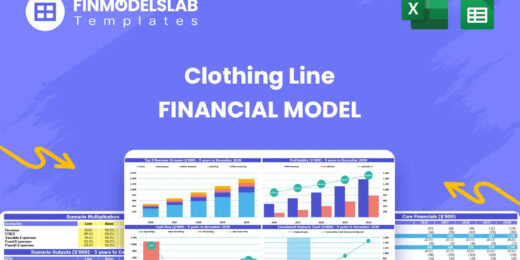

The Clothing Line Financial Model helps founders, apparel entrepreneurs, consultants,…
Financial model providing a dynamic 10-Year Financial Plan for a…
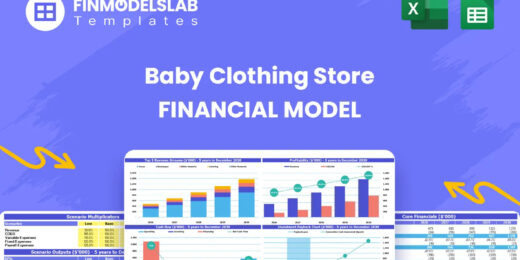
The Baby Clothing Store Financial Model helps entrepreneurs, boutique owners,…
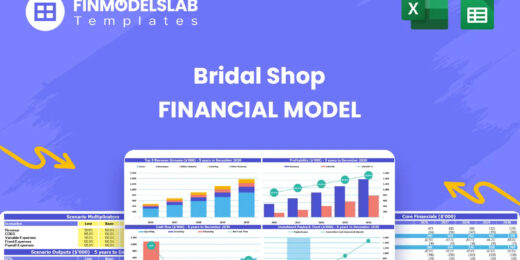
The Bridal Shop Financial Model helps users turn a wedding…
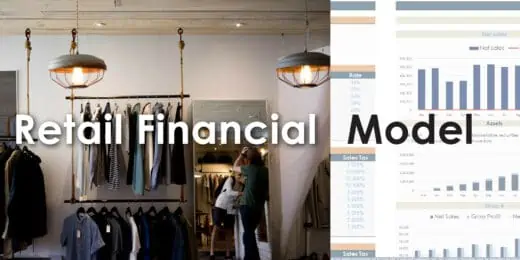

The Retail Financial Plan is an all-inclusive financial planning template…

Financial Model providing a dynamic up to 10-year financial forecast…

Financial Model providing a dynamic up to 10-year financial forecast…
Financial Model providing a dynamic up to 10-year financial forecast…
Advanced Financial Model presenting a 5 Year Business Plan for…

The Tailor Shop Financial Model helps entrepreneurs, business owners, consultants,…

The Fashion Retail Financial Model helps entrepreneurs, founders, business owners,…
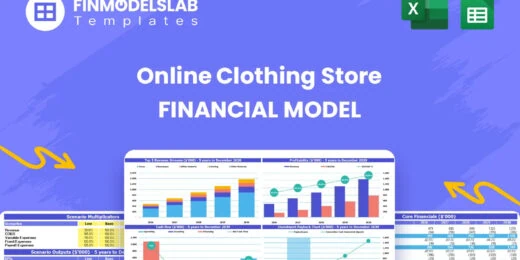
The Online Clothing Store Financial Model helps founders, entrepreneurs, business…
The Clothing Store Financial Model helps turn a retail apparel…
Navigating the Clothing and Fashion Industry Landscape
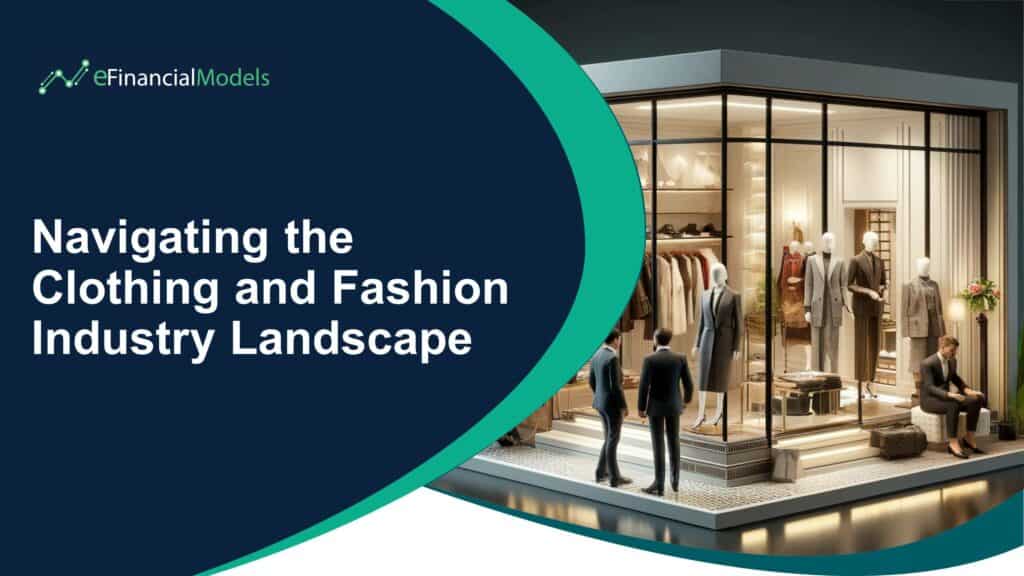
An Overview of the Clothing and Fashion Industry
The clothing and fashion industry encompasses designing, producing, marketing, and selling garments. Clothing is a basic human necessity, providing protection and warmth, but it also plays a crucial role in cultural, social, and personal expression. It influences fashion trends, impacts global economies, and involves complex supply chains, including textile production, garment manufacturing, distribution, and retail.Is Clothing the Same as Fashion?
Let's answer, "Is clothing the same as fashion?" While closely related, clothing and fashion are different. Clothing refers to garments—materials crafted to cover the body and made from various textiles and designs. Its primary purpose is functional, protecting the body from the environment and providing comfort. On the other hand, fashion is a broader concept encompassing the style, culture, and identity expressed through clothing. It is dynamic, reflecting social, economic, and cultural shifts, and often involves a statement or an artistic expression. Fashion is about how we choose to present ourselves through our attire, making it a form of personal and cultural expression that goes beyond the mere functionality of clothing. We hope this briefly answers the question, "Is clothing the same as fashion?"How Big is the Fashion Industry?
The fashion industry is a vast and dynamic sector, integral to global economies and cultural expressions. It encompasses everything related to the design, manufacturing, distribution, marketing, and retailing clothing, footwear, and accessories. As mentioned, the global fashion market is estimated to be worth around $1.7 trillion as of 2023, underscoring its economic magnitude. How big is the fashion industry in employment? It employs millions of people worldwide, from designers and tailors to marketers and salespeople, making it one of the most labor-intensive sectors. Beyond its economic impact, fashion also plays a critical role in social and cultural contexts, influencing and reflecting trends and attitudes worldwide. How big is the fashion industry in scope? The industry extends beyond the traditional realms of ready-to-wear and haute couture, branching into various segments, including luxury goods, sports apparel, children's clothing, and fast fashion. Moreover, the industry's reach is deeply intertwined with social media, where trends can begin and evolve at unprecedented speeds. Thus, the fashion industry is a commercial powerhouse and a significant influencer in global culture and environmental sustainability initiatives. Technological advancements, such as the rise of e-commerce, digital marketing, and sustainable practices, have further broadened the industry's horizons. Innovations such as 3D printing, AI in design, and eco-friendly materials reshape how clothing is produced and consumed.From Concept to Closet: The Scope of a Fashion and Clothing Industry
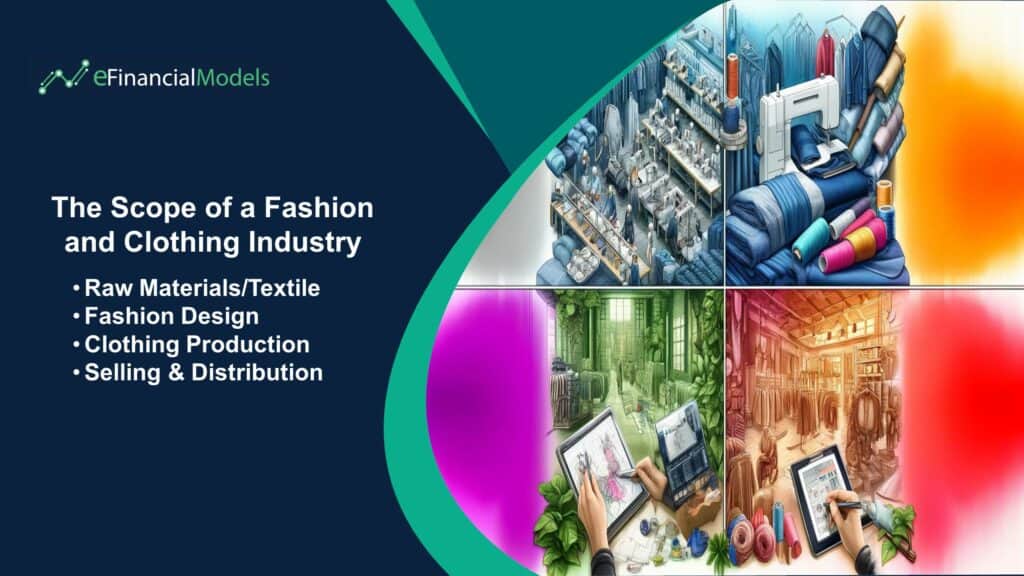
The scope of the fashion and clothing Industry encompasses a broad range of activities and processes, from sourcing raw materials to designing, manufacturing, and finally distributing products to consumers. Each step in the process is critical and contributes to the brand's overall success and identity.- Raw Materials/Textile: This stage involves sourcing and selecting textiles and other raw materials used in clothing production. Materials can range from natural fibers like cotton, wool, and silk to synthetic materials like polyester and nylon. The choice of materials impacts the final products' cost, sustainability, quality, and performance. Brands must often consider factors such as supply chain ethics, environmental impact, and resource availability.
- Fashion Design: The design phase of the fashion and clothing industry is where creativity and trend analysis come into play. Fashion designers create collections based on current trends, brand identity, and market research. This stage includes sketching designs, selecting colors and fabrics, and creating prototypes. Design is crucial as it differentiates a brand and helps target specific consumer demographics.
- Clothing Production: Once designs are finalized, the production process begins. It can involve pattern making, cutting, sewing, and finishing. Clothing production may be done in-house or outsourced to domestic or international manufacturers. This stage needs careful management to ensure quality control, adherence to labor laws, and timely delivery of finished goods. Efficiency in production affects profitability and the ability to scale operations.
- Selling & Distribution: This final stage of the fashion and clothing industry covers all aspects of bringing the finished products to the consumer. It includes establishing sales channels such as physical retail stores, online platforms, and wholesale distribution. Marketing and branding efforts are critical here to promote the collections. Logistics, such as inventory management, shipping, and handling returns, also play a significant role. Selling and distribution strategies must align with consumer expectations and the overall brand strategy to ensure customer satisfaction and loyalty.
Challenges of a Fashion and Clothing Brand
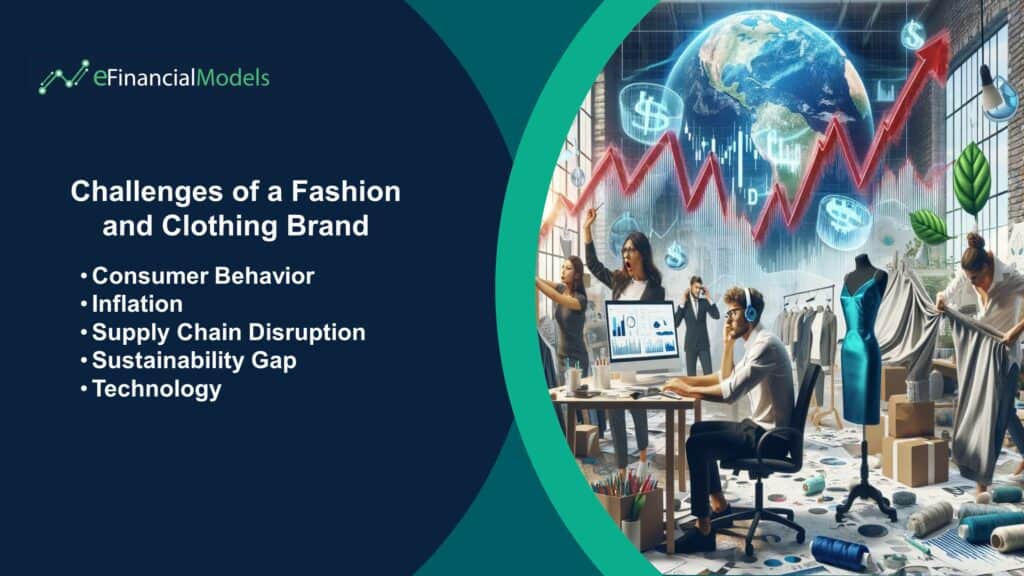
The clothing and fashion industry contends with complex challenges that impact its stability and growth. These challenges are economic, environmental, and technological, and they require innovative and adaptable strategies.- Consumer Behavior: The demand for a fashion and clothing brand is greatly influenced by changing consumer behavior, which can be unpredictable and swiftly shift due to trends and societal changes. Brands must constantly adapt to these changes to stay relevant and competitive. The rise of social media has accelerated fashion cycles, creating a demand for fast fashion that keeps up with rapidly changing tastes. It can lead to challenges in forecasting, inventory management, and maintaining customer loyalty as consumers increasingly seek novelty and personalization.
- Inflation: Inflation affects a fashion and clothing brand by increasing the cost of raw materials, manufacturing, and logistics. It leads to higher retail prices for consumers, who may become more cautious with their spending. Brands often need help absorbing these costs to maintain customer loyalty or passing them on to consumers, risking decreased sales. Economic fluctuations can also impact global purchasing power, influencing fashion trends and consumer buying behavior.
- Supply Chain Disruption: A fashion and clothing brand relies on a complex, global supply chain that can be vulnerable to disruptions from various sources, such as political instability, natural disasters, and pandemics. Events like the COVID-19 pandemic have highlighted these vulnerabilities, causing production and shipping delays, materials shortages, and increased costs. These disruptions can hinder a brand's ability to produce and deliver products efficiently, impacting its profitability and operational capabilities.
- Sustainability Gap: Consumers and regulators are increasingly aware of and concerned about the environmental impacts of fashion and clothing brands. These include managing waste, reducing carbon emissions, and transitioning to sustainable materials and production processes. While some brands are making sustainable strides, the industry needs help with these changes due to cost implications, scalability, and consumer expectations for low prices.
- Technology: While technology offers solutions and advancements in a fashion and clothing brand, it also presents challenges. The need for digital transformation has pressured brands to invest in new technologies, which can be costly and require significant changes to business models. Moreover, integrating technology in design and retail processes demands skills and training that the current workforce may need more, creating a gap that needs to be addressed through education and development programs.
Modeling Success in the Clothing and Fashion Industry
The clothing and fashion industry is a significant and dynamic sector of the global economy. It spans various activities, from producing raw materials and manufacturing garments to their distribution and retail. This industry employs millions worldwide, often serving as a cornerstone for national economies, particularly in developing countries. However, it faces numerous challenges. Environmental impact is a significant concern, as fashion is one of the most resource-intensive and polluting industries. Additionally, fast fashion trends exacerbate issues related to waste and sustainability. Supply chain complexities also pose significant challenges, involving labor rights issues and managing operations across diverse geographical regions. Consumer trends shift rapidly in this sector, requiring brands to adapt swiftly to remain relevant, which can strain resources and operational capacities. Financial modeling can play a crucial role in the success of a fashion and clothing brand by providing a framework for strategic planning and decision-making. Effective financial models help brands forecast revenues, costs, and profitability under various scenarios, enabling them to make informed choices about product lines, pricing strategies, and market expansions. These models can simulate the financial impact of different business strategies, such as entering new markets or adjusting supply chains, helping brands navigate the industry's complexities. Additionally, financial modeling is essential for risk management, allowing brands to assess the potential financial repercussions of various risk factors, such as economic downturns or shifts in consumer preferences. By leveraging detailed, data-driven insights, brands can optimize their operations, reduce costs, and enhance overall profitability, which is critical for maintaining competitiveness in the fast-paced fashion industry.You might also like: