
0 ITEMS

Hydropower
Hydropower is a source of energy that generates power through falling water to generate electricity. A turbine converts the kinetic energy of falling water into mechanical energy, which is then transformed into electrical energy by a generator. Hydropower may range from a micro-hydro that can provide electricity to some households to a gigantic hydropower plant that can produce electricity for millions of users. To help assess its feasibility, you can use readily available templates here related to the hydropower industry in creating your financial model.
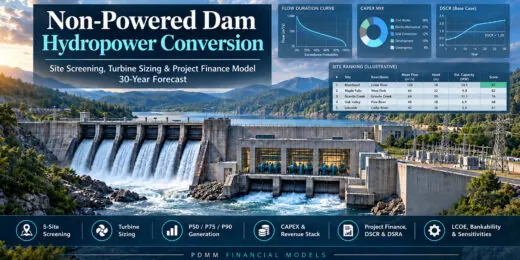

Turn an existing non-powered dam opportunity into a structured investment…
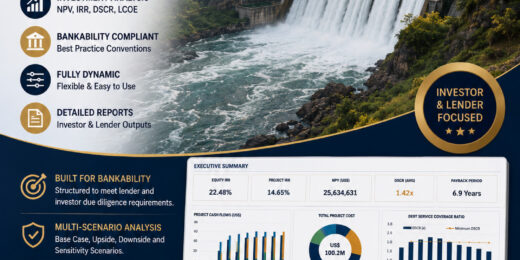

Small Hydropower Bankable Financial Model — Summary This is a…


Download this ready-to-use Renewable Energy Financial Model—expertly built by an…

A dynamic, ready-to-use Excel template for Battery Energy Storage System…

Financial Model providing a dynamic up to 10-year financial forecast…

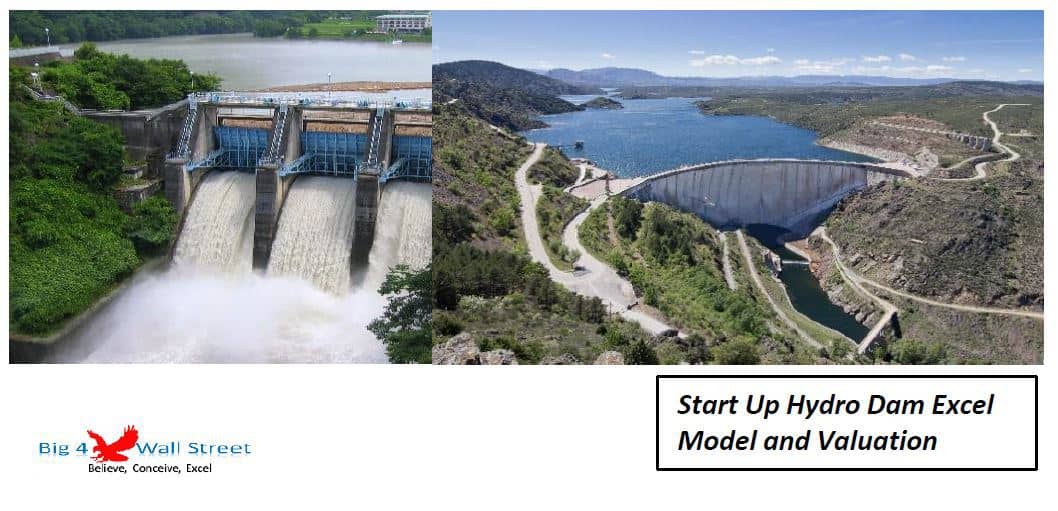

Start Up Hydro Dam Excel Model presents the business case…
Optimizing Revenue Streams Through Effective Hydropower Financial Planning

In the quest for sustainable energy solutions, hydropower plays a pivotal role. With its ability to generate electricity from flowing water, it represents one of the most reliable and consistent renewable energy sources available. However, the financial landscape for hydropower projects is nuanced, requiring careful consideration and strategic planning to optimize revenue streams. Effective financial planning becomes a cornerstone for success as project developers navigate unique challenges, ranging from regulatory frameworks to the inherent unpredictability of water flow.
This article delves into the intricacies of hydropower financial planning, shedding light on the critical components that must be understood and addressed to ensure financial viability. By exploring key financial considerations, leveraging robust financial models, and utilizing tools like Excel for enhanced decision-making, stakeholders in the hydropower sector can position themselves for long-term success.
Understanding Hydropower's Distinct Financial Landscape
The hydropower industry stands as a bastion of renewable energy, offering a stable and significant contribution to the global energy mix. However, this industry's financial landscape is characterized by distinct regulatory environments that significantly impact financial planning. Regulatory requirements can dictate every aspect, from permitting and licensing to environmental compliance. As such, understanding these frameworks is crucial for effective financial planning, as they can greatly influence project timelines and costs.
Moreover, hydropower projects typically operate with long-term investment horizons, often spanning several decades. The need for prolonged capital commitment emphasizes the importance of strategic financial planning and risk management. Key performance indicators (KPIs) specific to hydropower, such as capacity factor, levelized cost of energy (LCOE), operating efficiency, and plant availability, serve as fundamental metrics in assessing a project's performance and financial health. These indicators help stakeholders make informed decisions that align with the project's long-term financial objectives.
Essential Financial Considerations for Hydropower Projects
Financial planning for hydropower projects necessitates a deep understanding of capital expenditure (CapEx) and operational expenditure (OpEx). CapEx involves the funds required to build and develop the facility, including infrastructure and equipment, while OpEx covers ongoing operational costs. Determining the appropriate balance between CapEx and OpEx is vital, as it influences a project's financial sustainability and profitability.
Hydropower revenue streams are diverse, encompassing energy sales, Renewable Energy Certificates (RECs), carbon credits, and ancillary services. Each of these revenue sources presents unique financial opportunities and challenges. For instance, energy sales can provide a steady income flow, while RECs and carbon credits offer additional financial incentives tied to environmental performance. Ancillary services, such as grid stabilization, may offer supplementary revenue but require strategic planning to integrate effectively.
Risk management is another critical component in hydropower financial planning. Factors such as hydrological variability and environmental risks can significantly impact revenue and operational performance. Market volatility and price fluctuations further complicate financial strategies, necessitating robust risk assessment methodologies. Effective cash flow forecasting becomes paramount in managing these risks and ensuring project viability over the long term.
Implementing Robust Financial Models in Hydropower Planning
Utilizing robust financial models is essential in navigating the complexities of hydropower financial planning. Financial modeling templates streamline complex calculations, allowing project developers to focus on strategic decision-making rather than the intricacies of computations. These templates enhance data visualization, making it easier to interpret financial data and make informed choices.
An effective hydropower financial model consists of various key components. Revenue modeling that incorporates multiple income streams ensures a comprehensive understanding of potential earnings. Accurate cost modeling facilitates precise budgeting and forecasting, enabling better financial management. Sensitivity analysis, which assesses the impact of variables such as water flow and regulatory changes, helps anticipate challenges and develop contingency strategies.
Customization of templates to fit unique project characteristics is a critical advantage of financial modeling. Each hydropower project has distinct attributes, from geographical location to regulatory constraints. Tailoring financial models to accommodate these specifics enhances their relevance and usefulness, providing stakeholders with a clearer financial picture.
Boosting Financial Planning Efficiency with Excel Templates
Microsoft Excel remains a cornerstone tool for financial modeling, offering unmatched user-friendliness and accessibility. Its flexibility allows for the creation of tailored financial scenarios and forecasts, crucial for hydropower project planning. Excel's built-in functions, such as net present value (NPV), internal rate of return (IRR), and payback period, provide powerful tools for economic evaluation.
Graphical tools in Excel facilitate the effective presentation of financial data, making it easier to communicate insights to stakeholders. These tools enable visual comparison of financial scenarios, allowing for more intuitive decision-making. Successful hydropower projects, such as case studies where Excel templates have been employed, demonstrate the effectiveness of this approach, showcasing how data can be translated into actionable insights.
Conclusion: Moving Towards Optimized Hydropower Revenue Streams
Effective financial planning is imperative in maximizing hydropower revenue streams. The nuanced financial landscape of hydropower necessitates a strategic approach, leveraging detailed financial models and supportive tools to navigate challenges and capitalize on opportunities. Structured financial models serve as foundational tools for hydropower practitioners, empowering them to make precise and informed decisions that align with long-term financial goals.
To achieve optimal financial outcomes, explore and utilize the financial model spreadsheet templates provided by eFinancialModels. These templates are designed specifically for hydropower practitioners, offering precision, efficiency, and industry-specific insights. With the right tools and strategies, the hydropower industry can continue to thrive, contributing to a sustainable energy future.
FAQ
- What is the significance of regulatory frameworks in hydropower financial planning? Regulatory frameworks dictate various project aspects, influencing timelines and costs, which are crucial for effective financial planning and project success.
- How do CapEx and OpEx impact hydropower projects? CapEx and OpEx are critical in determining the financial sustainability and profitability of hydropower projects by balancing infrastructure investments and ongoing operational costs.
- What are some common hydropower revenue streams? Hydropower revenue streams include energy sales, Renewable Energy Certificates (RECs), carbon credits, and ancillary services, each presenting distinct financial opportunities and challenges.
- Why is risk management important in hydropower financial planning? Risk management addresses factors like hydrological variability, market volatility, and environmental risks, ensuring effective cash flow forecasting and long-term project viability.
- How does Excel enhance financial planning for hydropower projects? Excel allows for tailored financial scenarios and economic evaluations using functions like NPV and IRR, alongside graphical tools for visual data presentation and decision-making.
- What role do financial models play in hydropower planning? Financial models streamline calculations, aid strategic decision-making, and are customized to align with unique project characteristics for comprehensive financial analysis.
You might also like: