
0 ITEMS

Retail
The retail industry thrives on fast-changing consumer trends, tight competition, and evolving tech. It covers everything from big-box stores to online shops. Businesses need sharp pricing, strong branding, and smooth operations to stay ahead. Success often depends on understanding what customers want—and delivering it fast. Flexibility, speed, and customer focus drive this dynamic market.
Retail financial model templates help plan, forecast, and analyze sales, costs, and profits. These tools simplify complex data into clear dashboards. From inventory to break-even points, they cover all key metrics. They’re perfect for startups and established retailers alike. Use them to pitch to investors or steer smarter business decisions.
All
Beauty Shops & Centers
Car Dealer
Car Wash
Clothing and Fashion
Dry Cleaning
Gas Stations
Kiosks
Nail Salon
Specialty Stores
Supermarkets & Grocery Stores

Most stocktake sheets report variance one way and quietly mislead…
Model a service station the way the industry thinks about…
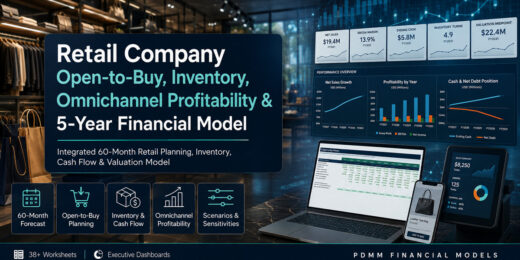

Turn retail planning into one connected operating and financial decision…
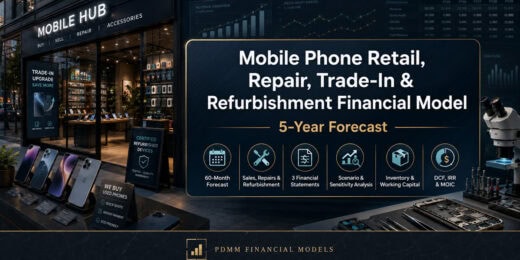
Build a complete five-year view of a street-front mobile phone…
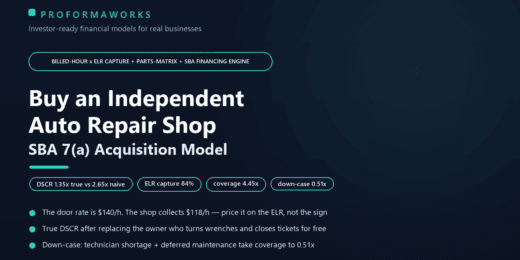

Underwrite the acquisition of a single independent auto repair shop…
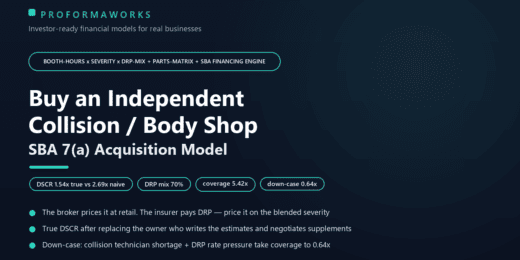
Underwrite a collision / auto body shop acquisition the way…
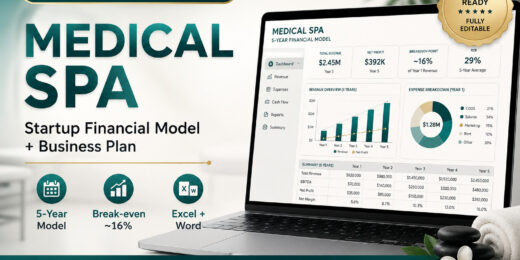

A complete, editable 5-year financial model (Excel) and investor-ready business…
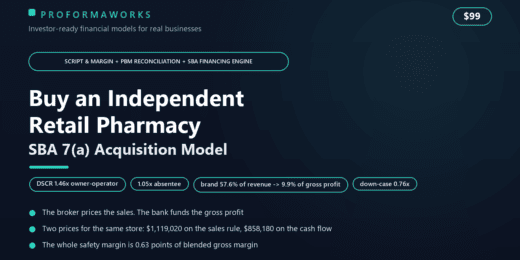
Underwrite the purchase of an independent retail pharmacy the way…


🧺 Plan, forecast, and analyze your laundromat business with this…


Bank-ready EV charging station financial model built for European projects.…

A professional Excel and Google Sheets financial model built for…

A professional Excel and Google Sheets financial model built for…

A professional Excel and Google Sheets financial model built for…

A professional Excel and Google Sheets financial model built for…

A professional Excel and Google Sheets financial model built for…

A professional Excel and Google Sheets financial model built for…
A professional Excel and Google Sheets financial model built for…

A professional Liquor Distillery Financial Model created by PDMM for…

Plan, finance, and optimize an EV fleet depot charging project…

A professional Excel financial model suite for bakery businesses, built…


Purpose-built Excel model to evaluate any hardware or physical product…


This comprehensive, fully integrated financial model evaluates the feasibility, operational…


A complete and professional financial model of a dry-cleaning business…

A professional EV Charging Station Financial Model designed for charging…


This Designer Toy Business Forecast Model is a professional Excel…


A practical, Excel-based financial model designed to evaluate the economics…




Trade uncertainty for strategy. Success in the coffee shop business…

5-year financial model for a home décor store providing forecasts,…

5-year (60-month) forecast model with monthly projections and annual summaries…

A 5-year (60-month) Excel model with detailed monthly projections and…

An investor-ready 10-year financial model for a Helicopter Services Company…

Unlock the True Potential of Your Vending Machine Business with…


An effective cash flow and financial planning tool for multiple…
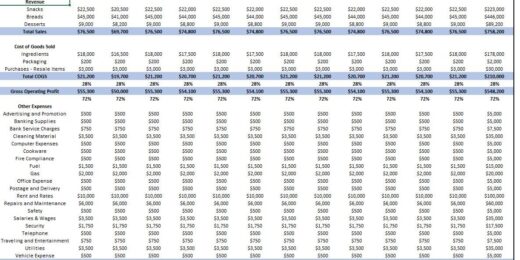

Bakery Accounting Template With Profit & Loss Accounts: Welcome to…
If you're starting, expanding, or investing in a pet product…

This Automatic Tunnel Car Wash Financial Forecast Model is a…
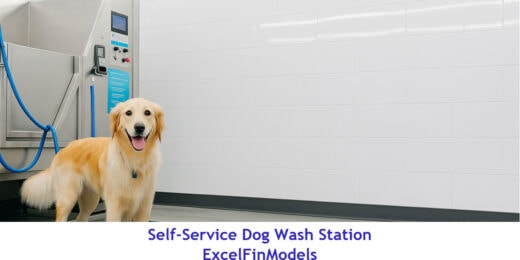
This financial model is specifically built to assess and forecast…
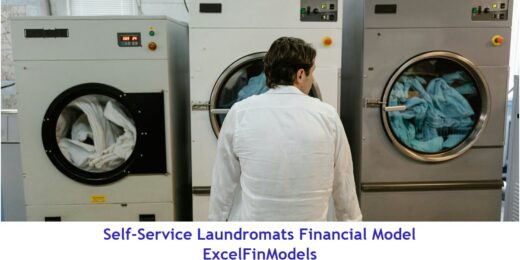
This self-service laundromat financial model is a dynamic and fully…

This In-Bay Automatic Car Wash Financial Model is a comprehensive…

A ready-to-use Excel financial model designed to forecast the revenue,…

This Medical Spa Financial Model provides a dynamic 5-year forecast…

Get a comprehensive bakery financial plan with detailed 10-year projections.…
The Supermarket Financial Model with 10-Year Projection (Excel) is a…

A complete financial model, including income statement, balance sheet, and…

5-year (60-month) Excel model with monthly projections and annual summaries…
This financial model is meticulously designed to analyze and forecast…

The Cocktail Bar Financial Model is a comprehensive 5-year forecasting…


Plan a profitable restaurant pop-up with this 365-day Financial Model!…


Tailored for SaaS (Software-as-a-Service) business, this dynamic financial model streamlines…


Highly versatile home good store 5-Year financial projection model with…



Financial Model providing an advanced 5-year financial plan for a…
This financial model is specifically designed for grocery store businesses,…

Ensure daily profitability with our Pop-Up Store Budget Plan Template,…


A comprehensive editable, MS Excel spreadsheet for tracking an EV…

Advanced Financial Model designed for a Pizzeria business, providing comprehensive…
How to Start a Retail Business?
Every thriving business starts with a bold idea. Sam Walton started small. In 1962, he opened the first Walmart in a quiet Arkansas town. His goal was simple—sell more for less. That idea changed retail forever. Today, Walmart is the world’s largest retailer. This story proves you don’t need big steps on how to start a retail business.
For many entrepreneurs, the dream of launching a retail business begins with a vision—to serve customers better, fill a gap in the market, or build something lasting. Turning that dream into reality takes more than passion; it requires strategy, commitment, and a clear market understanding. This guide will show you how to take your first steps—just like Sam did.
What Do You Mean by Retail?
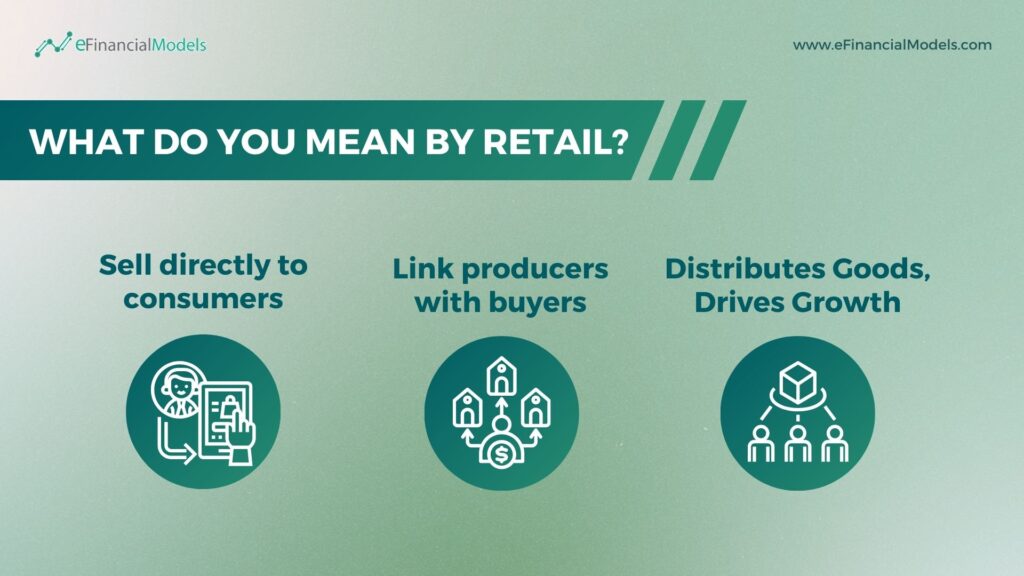
The retail industry includes businesses that sell products and services directly to consumers. It sits at the end of the supply chain, linking producers with buyers. Retailers buy in bulk and sell in smaller amounts, making goods accessible while driving economic growth. The retail industry not only facilitates the distribution of goods, ensuring that diverse products are accessible to the public but also significantly contributes to economic growth. It plays a pivotal role in the global economy by generating employment, stimulating consumer spending, and contributing to Gross Domestic Product (GDP). Moreover, it reflects and shapes consumer trends and preferences, influencing production patterns and marketing strategies across various sectors.
Key Players in the Retail Industry
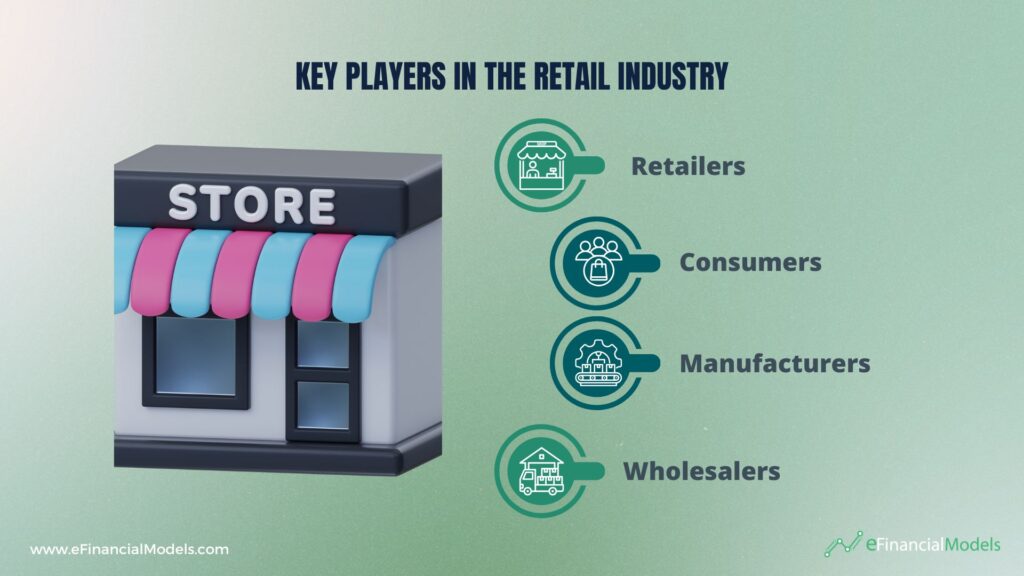
The retail industry is a complex ecosystem of key players. Knowing them is vital when starting a retail business. Each contributes uniquely to the market's dynamics and functionality.
• Retailers sell products and services directly to consumers, acting as the final link in the supply chain. They range from large multinational chains to independent stores, each catering to specific market segments and consumer needs. • Consumers are individuals or groups who purchase goods and services from retailers for personal use. Their preferences and buying behavior significantly influence retail trends, product offerings, and the overall market dynamics. • Manufacturers create products sold through retailers or wholesalers. They focus on product quality and work with partners to meet consumer needs. Wholesalers buy bulk from manufacturers and supply retailers, helping simplify logistics and keep products flowing smoothly. • Wholesalers act as intermediaries in the supply chain, purchasing large quantities of goods from manufacturers and distributing them to retailers. This function allows them to facilitate bulk transactions, reduce logistical complexities, and stabilize supply chains for retailers of all sizes.
Together, these groups form a network that supports the flow of goods and services from conception to consumption, impacting economic activities and consumer experiences worldwide.
Common Retail Business Examples
As simple as it sounds, a retail business sells finished goods to end-users or consumers in exchange for money. Before learning how to start a retail business, you should know that it comes in many forms. What are the common retail business examples? So, we listed the following to categorize the retail businesses in the retail industry.
• Grocery Stores—These stores sell food and beverages and non-food products such as produce, meat, health and beauty products, and cleaning products. The size of the grocery store varies according to the location and the size of the demand. • General Merchandise Stores—These include department stores, mass merchandisers, and retail outlets that sell merchandise at a discount. The store sells various merchandise such as clothing & fashion, sporting goods, toys, bags, auto parts, etc. • E-Commerce & Webshops—This retailing category is a testament to the evolving retail landscape. These retailers operate primarily through mail or online platforms without a physical store. The rise of e-commerce and webshops, a trend that challenges traditional brick-and-mortar stores, underscores the need for innovative marketing strategies. These retailers invest a significant portion of their budget in marketing to attract a larger customer base. • Restaurants—Eating outside has become a habit for people, whether on certain occasions or simply because they have no time to prepare food. Thus, restaurants, fast food chains, and other dining establishments became essential in the economy. This is also considered retailing, not just for selling food but also services to consumers. • Specialty Stores—These stores sell larger volumes of specialty products such as bookstores, motorcycle parts, sporting goods, public medicines, coffee, office and school supplies, pet products, etc. Specialty stores are usually smaller than the usual retail stores since they spend more on expenses and have a limited or specific target market. Still, they also resolve this by marking up the prices of their products. • Specific Service Shops—These shops sell specific services, such as beauty salons, dry cleaning, car washes, etc.
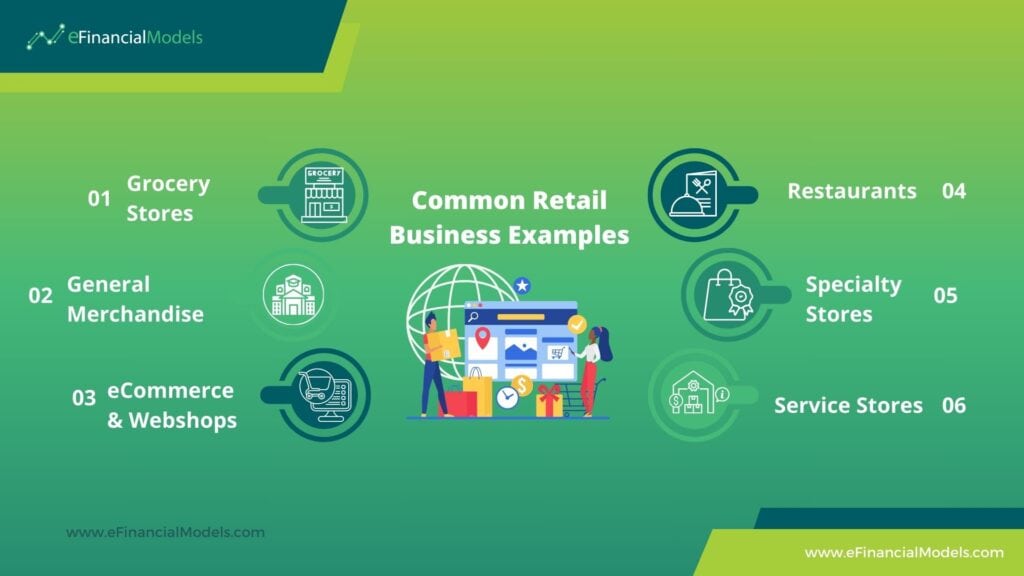
Retail business examples are not limited to the ones we’ve listed above. The world of retail is vast and always evolving. From niche online boutiques to pop-up shops and subscription box services, new formats keep emerging. Entrepreneurs constantly find creative ways to sell goods directly to consumers. So, while our list includes common retail business examples, it’s far from complete. Retail can take many forms—some traditional, others unique.
Steps to Launch a Retail Business
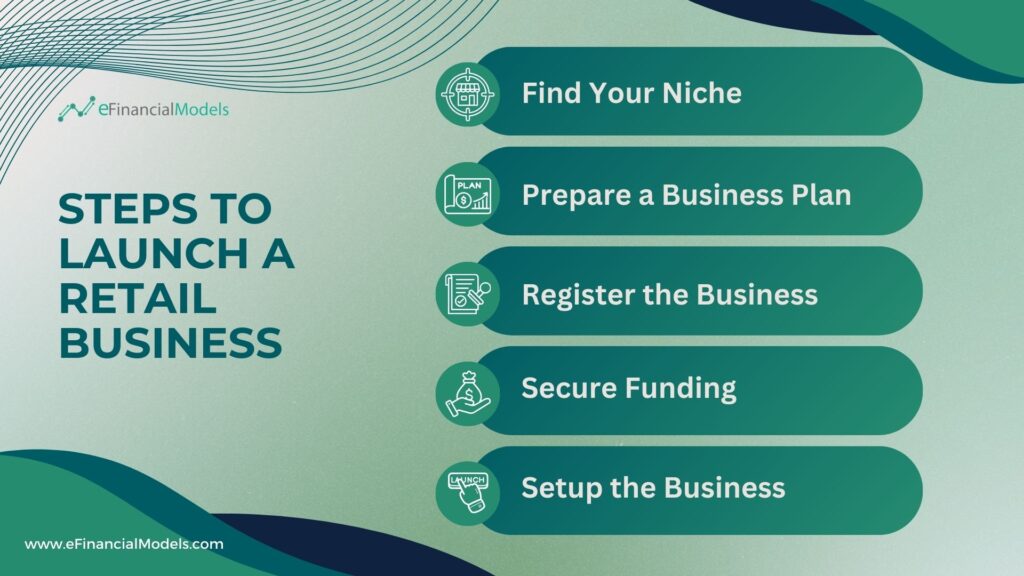
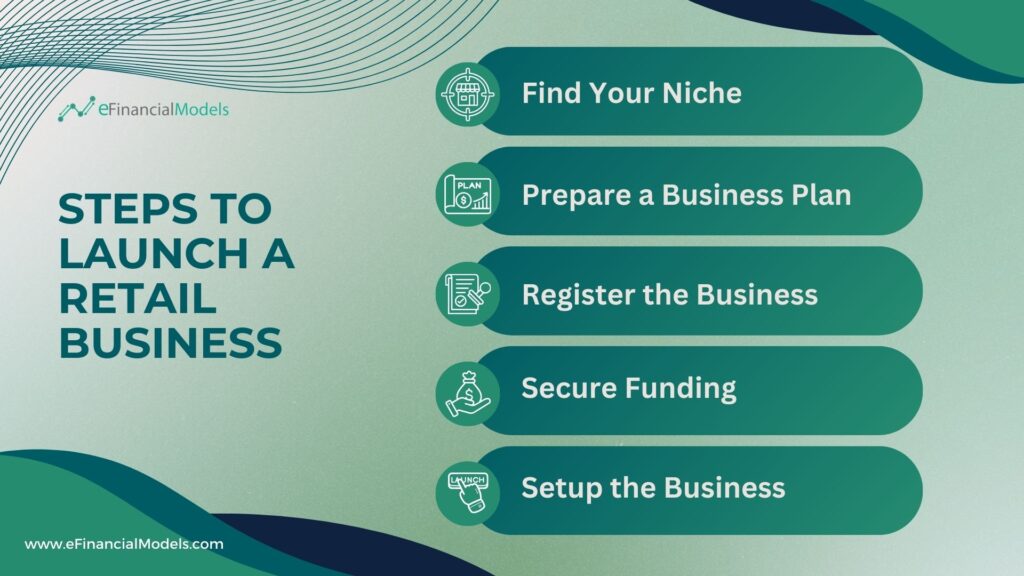
How to start a retail business is an exciting journey that begins with a clear idea and ends with opening your doors to customers. It’s all about turning a product or service into something people want and making it easy to buy. You’ll need to understand your market, handle permits, find the right location, and build a space that reflects your brand. Each step gets you closer to welcoming your first sale and growing your dream store into a success.
Step 1 : Find Your Niche
The first step in how to start a retail business is to begin finding your niche. This means figuring out exactly what you will sell and to whom you will sell it. Market research is crucial—study your industry and local area to uncover customer needs, pricing trends, and existing competitors. Ask yourself:
• What products or services will I offer? • Who is my ideal customer? • How should I price to stay competitive and profitable? • Who are my competitors? • What makes me different? Clear answers to these questions will guide your business strategy and help you stand out in a crowded market.
Use market research to spot trends, gaps, and customer pain points. Then, compare common retail business examples—like clothing, electronics, home goods, or groceries—and choose the one that fits your skills, budget, and market demand. Don’t just follow the crowd. Look at what the world’s top retailers are doing right—like Amazon’s convenience or IKEA’s smart pricing—and use them as inspiration to carve your own space in the market.
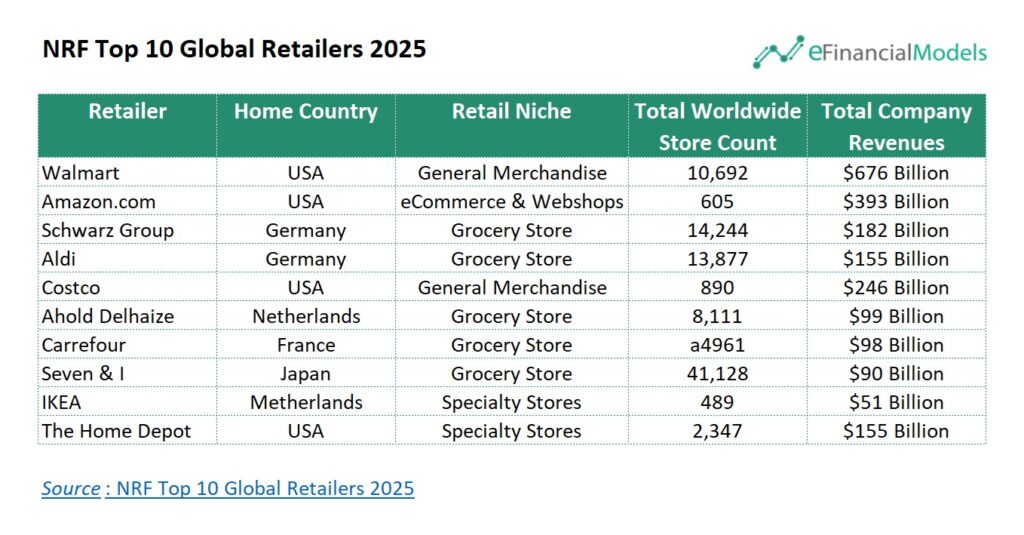
When choosing your retail niche, let the strategies of the world’s top players guide you. Follow Walmart or Costco’s general merchandise model if you want broad reach. For online dominance, Amazon proves the power of eCommerce. Grocery giants like Aldi and Schwarz Group show how a focused, low-cost grocery approach wins globally. Specialty leaders like IKEA and The Home Depot thrive by solving specific customer needs—furniture and home improvement. Use the National Retail Federation (NRF) 2025 list to spark ideas: look at what’s working, why customers keep returning, and how you can carve a niche that meets real demand with a unique edge.
Step 2 : Prepare a Retail Startup Business Plan
Before launching a retail business, start by creating a winning business plan. A retail business plan helps you stay focused and organized. Begin by asking: What products will you sell? Define what makes them unique or appealing. Next, identify your target market—who are your customers, and how will you reach them? Use clear strategies for marketing. Finally, figure out how your store will stand out from competitors. Will it be better prices, location, customer service, or product selection? A solid plan with answers to these questions gives your retail business a strong foundation. A startup financial plan within the retail business plan is also essential in how to start a retail business. List your startup costs—rent, equipment, supplies, and licenses. Decide where and how you’ll store your inventory. Estimate how many staff members you need and their wages. Then, calculate the total capital expenditure you’ll need to get started. Figure out how long it will take to break even—when your sales cover your costs. Finally, project when you’ll start making a profit. These numbers guide your spending, help attract investors, and reduce financial risk. A detailed financial plan keeps your business on track.
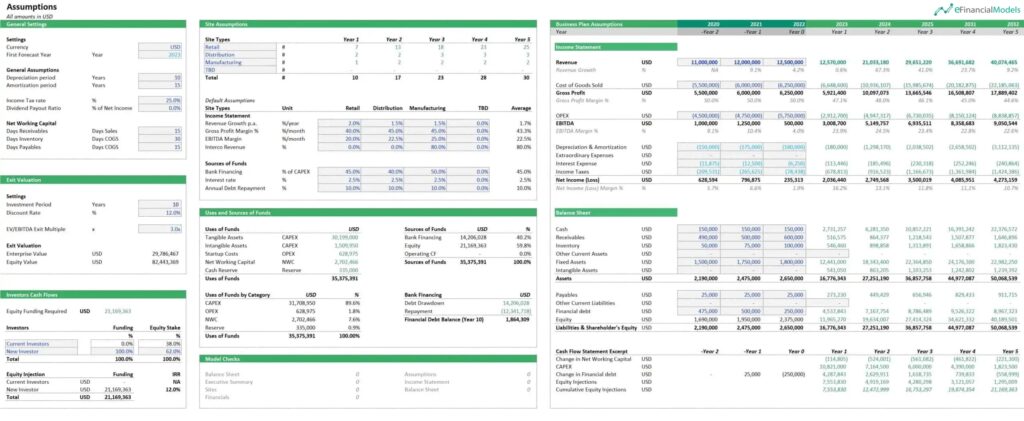
The assumptions table above is from our Financial Model for a Simple Retail Chain Rollout. It serves as a business and financial plan by showing exactly how much funding is needed, where it goes, and when it becomes profitable. It outlines startup costs like CAPEX, OPEX, inventory, and the required equity ($21M). It also forecasts revenue growth, profit margins, and cash flows year by year. Key questions—like how much stuff you'll need, when you'll break even, and how fast you'll scale—are answered through detailed projections in the income statement, balance sheet, and cash flow summary. It's a roadmap for making smart decisions and securing investor confidence.
Step 3 : Register the Business
How to start a retail business also includes picking a clear, memorable name that reflects your brand. Next, choose a legal structure—like a sole proprietorship, LLC, or corporation—that fits your needs. Then, officially register your business with your local or national government. To register your retail business, apply for a basic business license to operate legally in your city or state. Next, get an Employer Identification Number (EIN) from the IRS—this lets you hire staff and handle payroll taxes. Check if your state requires a seller’s license if you plan to sell goods. Rules vary, so contact your local government to be sure. These simple steps make your business legal, tax-ready, and set to hire. Once registered, secure the required licenses and permits based on your business type and location. Don’t forget to get business insurance to protect your store from risks like accidents, theft, or natural disasters. Each step builds a strong legal and operational foundation for your retail success.
Step 4 : Secure Funding
Securing funding is an essential step in how to start a retail business. Start by estimating how much money you’ll need for inventory, rent, licenses, marketing, and staff. Create a clear business plan to show how you’ll make a profit. Lenders and investors want to see that you’ve done your homework. Be ready to explain how their money will be used and when they’ll see returns. Without solid funding, your retail dream might stall before it starts.
When starting a retail business, you have several common funding options.
• Personal Savings – Use your own money for full control and no debt. • Friends and Family – Borrow from trustworthy people, but put everything in writing. • Bank Loans – Borrow from a bank; you’ll need good credit and a strong business plan. • SBA Loans – Government-backed loans with low interest are available through partner banks. • Angel Investors – Wealthy individuals who invest in exchange for equity. • Business Credit Cards – Easy to access for short-term needs but can carry high interest. • Crowdfunding – Raise money online through platforms like Kickstarter or Indiegogo. • Grants – Free funding from government or private sources; competitive and specific. • Trade Credit – Buy now, pay later deals with suppliers to help manage cash flow. • Venture Capital – Large investments from venture capital firms, typically for high-growth businesses.
Each option has its pros and cons. Choose based on your business goals, financial situation, and willingness to share control or take on debt.
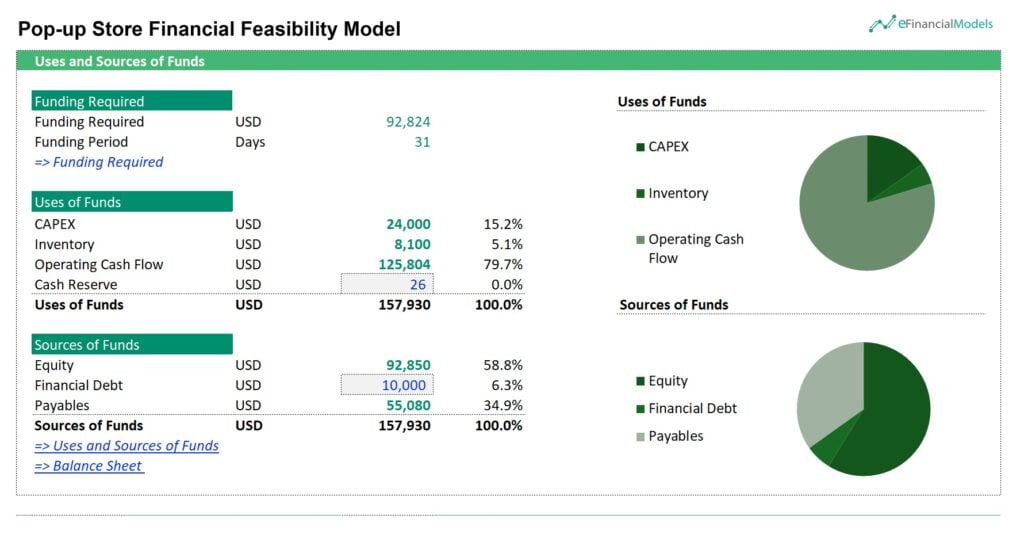
The Uses and Sources of Funds table above is from our Pop-up Store Financial Feasibility Model. It helps a pop-up store make smarter funding decisions by showing exactly where money goes and where it comes from. This snapshot highlights how much capital is needed, how it will be spent (like CAPEX, inventory, and cash flow needs), and what portion will come from equity, loans, or payables. With 79.7% of funds needed for operating cash flow alone, store owners can quickly see the importance of having strong working capital. Seeing that over half of the funds will come from equity also helps them assess how much ownership they’re willing to give up versus taking on debt. In short, it simplifies complex finance into a clear picture that guides better, faster funding choices.
Step 5 : Setup the Business
To launch your retail business, start by officially setting it up—you need to find a good physical location with plenty of foot traffic. At the same time, build an online store to reach more customers. Make sure your branding is consistent across both platforms. Finally, choose a point-of-sale (POS) system that works in-store and online. It should track inventory, handle payments, and give useful sales reports. To set up your retail business, build a team that puts customers first. Hire people who are friendly, reliable, and eager to help. Train them to deliver great service every time. At the same time, organize your finances. Track your budget, manage expenses, and choose the right tools to keep everything in check. A strong team and smart money management set the stage for growth. It is also essential to build strong ties with vendors and suppliers. Choose partners who offer quality products, fair prices, and reliable delivery. Clear terms and open communication are key. Once your supply chain is set, start promoting your business. Use social media, local ads, and word of mouth to attract customers fast. Strong partnerships and smart marketing give your launch a solid boost.
Ready to Launch Your Retail Dream? Let Financial Models Guide the Way
How to start a retail business begins with a strong idea and clear niche—just like Walmart’s early days. To succeed, entrepreneurs must research the market, create a detailed business plan, and understand the key players: retailers, consumers, wholesalers, and manufacturers. Choosing the right business model, such as grocery stores, e-commerce, or specialty shops, shapes your strategy. Registration, funding, location setup, smart hiring, supplier partnerships, and solid marketing come next.
Financial modeling shows you if your business idea makes money. It maps out costs, prices, and profits. You see how much cash you need when you break even and what happens if sales drop. A retail business plan keeps you focused. You set goals, track performance, and spot problems fast. It also helps impress investors. A solid model proves you know your numbers—and your market. In short, financial modeling gives you a plan, clarity, and confidence. That’s how you start strong and stay on track. Using retail financial models helps forecast profits, manage costs, and win investor support. Anyone can turn a retail dream into reality with the right steps, tools, and mindset.
You might also like:
- 10 Main Elements of a Business Plan
- 10 Tips to Develop a First Class Business Valuation Report
- 10-Step Financial Planning Checklist for Smart Executives
- 10 Ideas to Increase Average Revenue Per User
- Developing a 5 Year Financial Projection Template
- How to Write a Business Plan Step-by-Step
- How to Start a Distillery Business: What You Need to Know?
- Financial Modeling for Startups and Small Businesses
- How to Optimize the Average Selling Price: Strategies for Higher Profits
- Financial Spreadsheet - A Key Tool for Entrepreneurs
- Retail Chain Rollout Strategy Model
- Supermarkets & Grocery Stores
- E-Commerce & Web Shops
- Retail Chain Rollout Strategy Model
- Free Coffee Shop Budget Plan Template
- Beauty Shops & Centers
- Gas Stations
- Car Dealer
- Clothing and Fashion