
0 ITEMS

Supermarkets & Grocery Stores
Supermarkets and grocery stores are establishments that sold a wide range of grocery items, including food, beverages, and household products. Because of their bulk transactions from suppliers, they offer lower prices compared to the smaller establishments. Many supermarkets & grocery stores are part of the malls, but others are operating separately. The financial model templates here can help you prepare financial models for supermarkets and grocery stores.


A professional Excel financial model suite for bakery businesses, built…


An investor-ready 10-year financial model for a Helicopter Services Company…
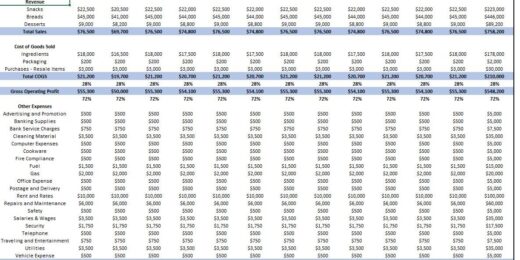

Bakery Accounting Template With Profit & Loss Accounts: Welcome to…


Get a comprehensive bakery financial plan with detailed 10-year projections.…
The Supermarket Financial Model with 10-Year Projection (Excel) is a…


Highly versatile home good store 5-Year financial projection model with…
Financial Model providing an advanced 5-year financial plan for a…

This financial model is specifically designed for grocery store businesses,…


Streamline your short-term rental marketplace's financial planning with our Short-Term…

This financial model provides an advanced 5-year financial plan for…

Highly versatile pet supplies shop 5-Year financial projection model with…


This Student Bundle includes financial model templates from various industries…

Simplify your supermarket startup’s financial planning with our Supermarket Financial…


A comprehensive editable MS Excel spreadsheet for tracking Grocery Store…


The purpose of this Bundle of Business Forecasting and Financial…

This Shopping Center Valuation and Three Statement (20 years) Model…


This financial model aims to develop a thorough business plan…
This Grocery Store 10-year Financial and Business Model also contains…

The Retail Financial Plan is an all-inclusive financial planning template…

Financial Model providing a dynamic up to 10-year financial forecast…

Financial Model providing a dynamic up to 10-year financial forecast…


Supermarket Financial Model presents the business case of an already…

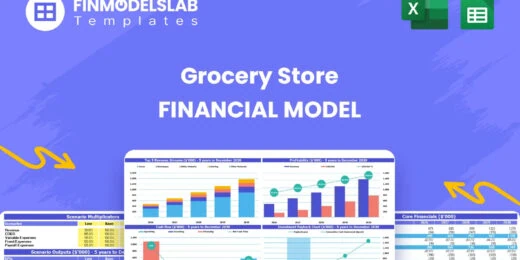

The Grocery Store Financial Model helps entrepreneurs, founders, consultants, analysts,…
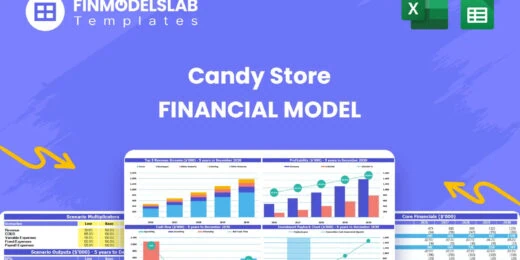
The Candy Store Financial Model helps entrepreneurs and planners turn…
Smart Inventory Management in Financial Planning for Supermarkets & Grocery Stores

The Role of Inventory Management in Financial Health
Inventory management directly impacts a supermarket's cash flow, cost control, and profitability. Having the right amount of stock is vital; too much inventory ties up valuable cash and leads to increased holding costs, while too little can result in missed sales and unhappy customers. Hence, balancing stock levels to both minimize waste and meet customer demand is imperative. Implementing key performance indicators (KPIs) helps businesses monitor and optimize their inventory management systems, as discussed in our KPIs for Business resource. Some relevant KPIs include the Inventory Turnover Rate, which measures how often inventory is sold and replaced over a period; Days Sales of Inventory (DSI), which reflects the average number of days inventory is held before being sold; Shrinkage Rate, which measures loss through theft, damage, or error, affecting net income; and Stock-to-Sales Ratio, which indicates how well stock levels match sales volumes, assisting in avoiding overstocking or stockouts.Developing Accurate Financial Forecasts for Inventory Needs
Accurate forecasting of inventory needs is essential in ensuring efficient operations and financial robustness. Data-driven decision-making in inventory procurement avoids unnecessary costs and stock issues, which can be significantly improved with financial forecasting templates. Utilizing historical data and market trends allows businesses to predict demand with precision. Incorporating insights from seasonal variations and promotional activities into inventory planning can further refine these forecasts. By understanding how these factors affect demand, supermarkets can adjust their purchasing strategies accordingly. Integrating sales data with inventory levels offers a comprehensive view, allowing for better alignment between what is available and what is needed. This integration helps in adjusting procurement strategies to align with real-time sales trends, ensuring inventory levels are optimized for customer demand. By doing so, supermarkets can maintain a balance between satisfying customer needs and minimizing wastage and costs.Costing Methods and Their Financial Implications
In the supermarket industry, different inventory costing methods can have diverse impacts on financial statements and tax liabilities. Understanding each method's implications is critical for strategic financial planning. For a more in-depth understanding, consider reviewing our article on Inventory Costing Methods. The First-In, First-Out (FIFO) method assumes the first items added to inventory are the first sold, often resulting in lower cost of goods sold during inflationary periods and higher taxes. Conversely, the Last-In, First-Out (LIFO) method assumes the last items added are the first sold, which can lower taxes in times of rising prices but may result in outdated inventory costs. The Weighted Average Cost method averages the cost of all items in inventory, thereby smoothing out price fluctuations. Each method affects pricing strategies and profitability differently, so selecting the appropriate method can align financial outcomes with business goals.Leveraging MS Excel for Inventory Management and Financial Planning
Using MS Excel templates for building and maintaining financial models offers significant advantages for supermarkets and grocery stores. These templates provide the flexibility and customization necessary to meet specific business needs, while their user-friendly interfaces facilitate easy updates and scenario analysis. Excel's capability to handle large datasets efficiently makes it an ideal tool for forecasting and budgeting. Specific financial model templates available on eFinancialModels can enhance inventory management planning by offering solutions tailored to the supermarket and grocery industries. These templates aid in optimizing stock levels, managing cost analysis, and improving financial forecasting accuracy, making them invaluable resources for financial planners in this sector.Conclusion
In conclusion, smart inventory management is a pivotal element in the financial planning of supermarkets and grocery stores. By effectively managing inventory, these businesses can ensure sustainable financial health while meeting customer demands efficiently. Using spreadsheet templates, particularly those from eFinancialModels, streamlines the financial planning process, providing robust tools for accurate forecasting and cost management. We encourage readers to explore eFinancialModels' inventory management templates to elevate their financial planning strategies. By leveraging these resources, supermarkets and grocery stores can enhance their financial decision-making and drive long-term business success.Frequently Asked Questions on Inventory Management and Financial Planning
- What is the importance of inventory management in financial planning? Inventory management is crucial in financial planning as it impacts cash flow, cost control, and profitability. Efficient inventory management helps balance stock levels, minimizing waste and ensuring customer demand is met.
- How do KPIs help in managing inventory? Key Performance Indicators (KPIs) such as Inventory Turnover Rate, Days Sales of Inventory (DSI), Shrinkage Rate, and Stock-to-Sales Ratio help businesses monitor and optimize inventory management systems, improving financial health and operational efficiency.
- Why is accurate inventory forecasting essential? Accurate forecasting ensures efficient operations by preventing unnecessary costs and stock issues. It helps align inventory with demand trends, adjusting purchasing strategies to optimize stock levels and meet customer needs.
- What are the implications of different inventory costing methods? Inventory costing methods like FIFO, LIFO, and Weighted Average Cost affect financial statements and tax liabilities differently. Choosing the right method aligns financial outcomes with business goals, impacting pricing strategies and profitability.
- How can MS Excel enhance inventory management? MS Excel templates offer flexibility for financial modeling, handling large datasets, and customizing for specific business needs. Excel facilitates forecasting, budgeting, and scenario analysis, enhancing inventory management and financial planning accuracy.
You might also like: