
0 ITEMS

How to Grow an Event Organizer Business

Event organizing is a lucrative industry driven by creativity, detailed planning, and strong execution.
- Top event management companies like Colin Cowie and David Tutera set industry standards with luxury and spectacle.
- Understanding the distinct roles of event planners and event organizers clarifies responsibilities, from conceptual design to logistics.
- Key tasks include concept development, budgeting, vendor coordination, guest management, and venue selection.
- Growing an event organizer business involves diversification, client engagement, excellent service, and innovative marketing methods.
- Strategic financial planning and a solid business plan are essential for sustainable growth.
Keep reading to see practical strategies for expanding your event management business and maximizing success.
What is an Event Organizer?
An event organizer is pivotal in orchestrating events, ranging from intimate business breakfast meetings to grand-scale international gatherings like the Olympics. This multifaceted role demands creativity, meticulous planning, and effective communication skills. The scope of their responsibilities can be vast and varied, depending on the nature and scale of the event.
So, what is an event organizer? In essence, an event organizer is a professional responsible for planning, coordinating, and executing events ranging from small meetings to large-scale conferences or festivals. What is an event organizer transcends managing every aspect, including conceptualization, logistics, vendor management, and client communication, ensuring the event aligns with the client’s objectives and runs smoothly.
Top 5 Big Event Management Companies
If you have an event organizer business, it’s always good to know the wealth of expertise that the big event management companies bring to the table. Here’s a closer look at the top five big event management companies and personalities you mentioned, each bringing their unique flair to the industry:
- Colin Cowie Lifestyle: Colin Cowie has become synonymous with events that epitomize sophistication and glamour. Renowned for organizing high-profile parties for celebrities like Oprah Winfrey and Jennifer Aniston, Cowie’s firm specializes in creating luxurious, bespoke experiences. His expertise lies in meticulously crafting every aspect of an event, ensuring it reflects the client’s personality and style, making it an exclusive and unforgettable affair.
- David Tutera: David Tutera is celebrated for his extravagant and show-stopping event experiences. His approach to event planning is holistic, encompassing every element from design to execution. Tutera is mainly known for his weddings, where his flair for drama and luxury comes to the fore. He is adept at transforming the ordinary into the extraordinary, making every event a spectacular showcase.
- Mindy Weiss Party Consultants: Mindy Weiss stands out in the event planning industry for her creative and personalized approach. She has planned spectacular events for celebrities like Ciara, Justin Bieber, and the Kardashians. Her company excels in creating events that are not only visually stunning but also deeply personal, reflecting the unique tastes and preferences of her clients.
- Preston Bailey Designs: Preston Bailey is famed for his ability to transform spaces into fantastical, theatrical environments. His events are characterized by grandiose decor, often featuring elaborate floral arrangements and bespoke installations. His talent lies in his visionary approach to event design, turning clients’ dreams into awe-inspiring realities.
- Shawn Rabideau Events & Design: Shawn Rabideau specializes in creating personalized and memorable wedding experiences. His forte is understanding the couple’s vision and translating it into an event that encapsulates their love story. He excels in the logistical and creative aspects of wedding planning, ensuring a seamless and extraordinary celebration.
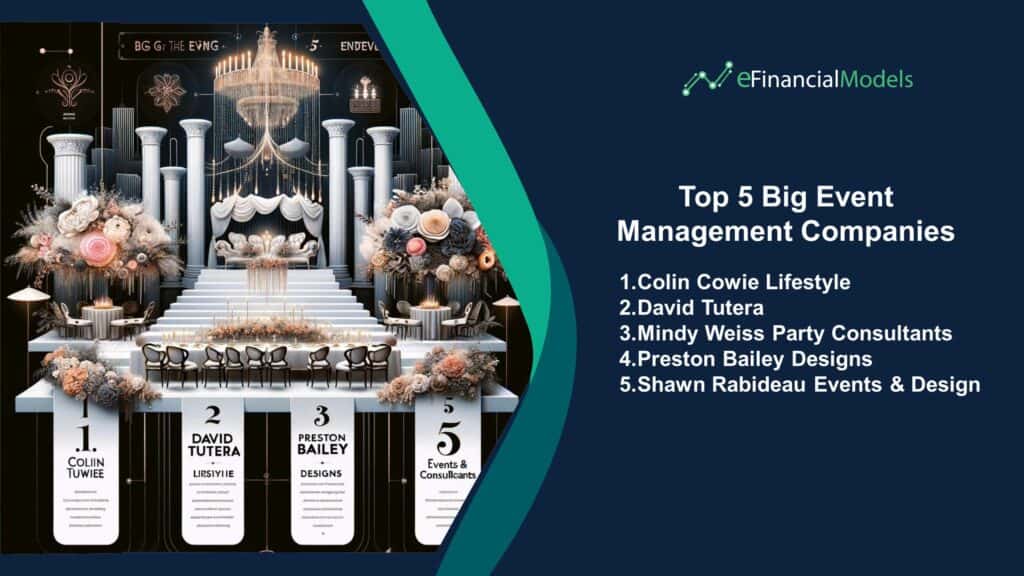
Each of these big event management companies brings unique skills and a distinctive style to the table. They are sought after for their ability to plan an event and create an experience that resonates emotionally with their clients and guests. Their reputation in the industry is a testament to their commitment to excellence, creativity, and client satisfaction. For any entrepreneur or business leader looking to make a statement with their corporate or personal events, these experts offer an unmatched level of sophistication and finesse.











































What is the Difference Between an Event Planner and an Event Organizer?
What is an event organizer is substantially different from what an event planner is. While the event planner is focused on an event’s strategic and creative aspects, conceptualizing and designing it to meet specific goals, the event organizer (or coordinator) is responsible for the tactical, day-to-day management and execution of the event’s logistics.
Event planners are often the visionaries and strategists behind an event. They often concentrate on the detailed logistical elements of executing the event. Event organizers typically focus on the broader strategic aspects of an event, like deciding on aspects like venue, speakers, entertainment, and schedule. They ensure that the planner’s vision is realized effectively. Their role is more focused on operational details and execution.
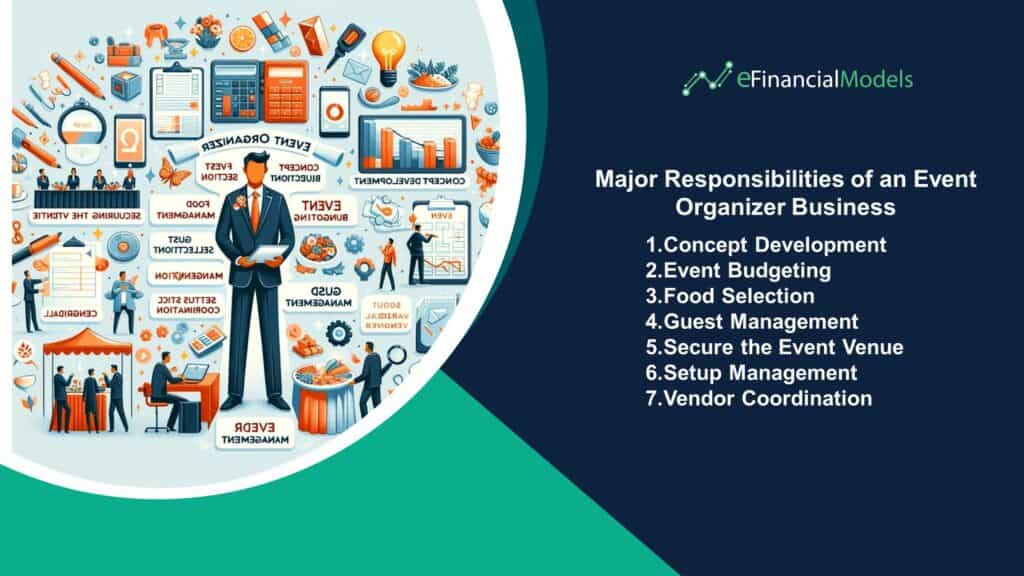
Major Responsibilities of an Event Organizer Business
The primary responsibilities of an event organizer business encompass a wide array of tasks, from creative concept development and meticulous budget management to vendor coordination and guest management, all aimed at creating memorable and seamless experiences.
- Concept Development: The cornerstone of a successful event lies in a well-thought-out concept. This initial phase involves brainstorming and defining the event’s purpose, theme, and unique selling points. An event organizer business must collaborate with clients to understand their objectives, whether for brand promotion, fundraising, or celebration. This stage is about creativity and innovation, setting the foundation for the entire event. A clear, engaging concept ensures the event resonates with its intended audience and meets the client’s goals.
- Event Budgeting: Financial planning is critical in event organization. The event organizer must create a comprehensive budget that includes all potential expenses, such as venue rental, catering, entertainment, marketing, and contingency funds. It’s vital to balance client expectations with financial reality, ensuring the event is both spectacular and cost-effective. Effective budget management involves negotiating with vendors, tracking expenses, and maintaining financial control throughout planning to prevent overspending.
- Food Selection: Culinary choices significantly impact the event’s success. An event organizer business is responsible for coordinating with catering services to design a menu that aligns with the event theme, guest preferences, and dietary requirements. It involves selecting dishes, arranging tasting sessions with the client, and ensuring food presentation and quality meet high standards. Food selection also includes logistical planning for serving and managing the dining experience during the event.
- Guest Management: Managing guests is a multi-faceted responsibility. It includes creating and managing the guest list, sending invitations, tracking RSVPs, and ensuring a smooth check-in process at the event. Guest management also addresses special needs, such as accessibility requirements or VIP treatment. Effective communication and a well-thought-out seating plan ensure guests have an enjoyable experience.
- Secure the Event Venue: Choosing and securing the right venue is crucial. The event organizer must find a location that not only fits the concept and size of the event but also considers factors like accessibility, amenities, and availability. This responsibility includes negotiating terms and costs with the venue, understanding its limitations, and ensuring it meets safety standards. The venue sets the stage for the entire event, impacting the atmosphere and overall experience.
- Setup Management: This involves the physical setup of the event space. It includes designing the layout, overseeing the decoration, and ensuring all technical requirements (like lighting and sound systems) are met. An event organizer business must coordinate the arrival and setup of equipment, manage the schedule for setup and breakdown, and ensure the venue is prepared on time. Attention to detail in setup management is essential for creating the desired ambiance and functionality of the event.
- Vendor Coordination: An event organizer business is the central point for coordinating various vendors. Vendors include catering, decorators, event speakers, logistics, photography and videography, security, sound systems, transportation, and more. Effective vendor coordination requires excellent communication skills, negotiating and managing contracts, and ensuring all vendors understand and adhere to the event’s concept and schedule. This orchestration is vital to ensure that all aspects of the event come together seamlessly.
An event organizer must exhibit creativity, organizational prowess, and keen attention to detail in each responsibility. The goal is to create an unforgettable experience that meets client objectives and leaves a lasting impression on the attendees.
Ideas for Growing Your Event Organizer Business
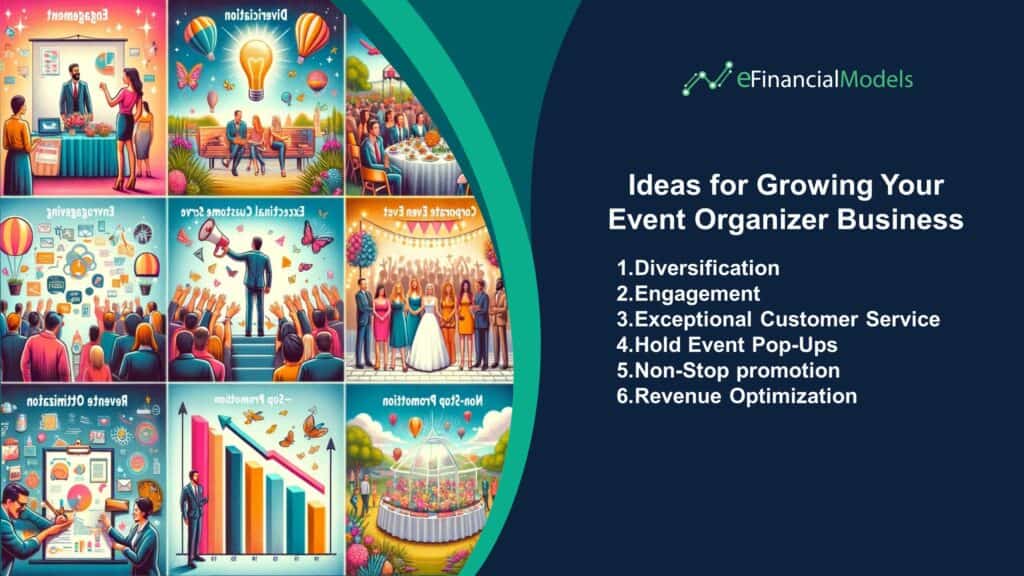
In the dynamic world of event management, growth and innovation are crucial to staying ahead in the competitive market. Here are five strategic ideas for expanding your Event Organizer Business:
- Diversification: In event organizations, diversification is critical to capturing new markets and opportunities. Analyzing the business landscape in your area offers insights into gaps and unmet needs. For instance, if corporate events dominate your portfolio, consider exploring social events like weddings or niche markets like charity galas or tech conferences. Diversification mitigates risks associated with relying on a single market segment and broadens your expertise and reach. It’s about recognizing and adapting to evolving trends and preferences in the event planning industry.
- Engagement: Regular engagement with your audience is essential for both retaining existing clients and attracting new ones. It can be achieved through various platforms such as social media, newsletters, or community events. The goal is to remain at the forefront of your audience’s mind so that when they think of events, they think of you. Engaging with people from different industries fosters networking opportunities and allows you to understand diverse needs, enabling you to tailor your services accordingly. This approach can lead to innovative event concepts, a broader client base, and cross-industry collaborations.
- Exceptional Customer Service: This is the cornerstone of any successful business, especially in service-oriented sectors like event planning. Exceptional customer service entails understanding and exceeding your client’s expectations. It involves active listening, prompt responses, flexibility, and a personal touch. Remember, a satisfied client will likely become a repeat client and often be your best advocate through word-of-mouth referrals. Building a reputation for impeccable customer service sets you apart in a competitive market and lays a strong foundation for long-term success.
- Hold Event Pop-Ups: This innovative approach involves setting up mock events to showcase your capabilities. Pop-up events serve as a live portfolio, allowing potential clients to experience your creativity, attention to detail, and execution skills firsthand. These events can be thematic, showcasing trends in event design, catering, and technology. They are particularly effective in attracting new clients who might be hesitant to commit without a tangible demonstration of your expertise. Additionally, they provide an excellent platform for networking and building partnerships with vendors and suppliers.
- Non-Stop Promotion: Consistent and diverse promotional strategies are vital to keep your business visible and attractive. It includes traditional methods like brochures, business cards, and print ads, as well as digital strategies like email marketing, social media engagement, a robust website, and inbound marketing. Referrals and building a virtual community also play a significant role. Each channel reaches different segments of your target market and contributes to building a comprehensive brand presence. Continuous promotion attracts new clients and reinforces your brand identity and values to your existing clientele.
- Revenue Optimization: This indispensable role of meticulous financial planning and strategic budgeting must be balanced in the context of growing your event organizer business. It involves implementing various tactics, such as dynamic pricing strategies, where ticket prices are adjusted based on demand, time to the event, and customer segmentation. Additionally, diversifying revenue streams is crucial; this can include offering tiered ticketing options, upselling VIP experiences, or providing additional services like specialized catering or exclusive access to speakers or performers. Emphasizing sponsorships and partnerships with brands that align with your event’s theme or audience can also significantly boost revenue. By carefully analyzing and optimizing these aspects, you can enhance profitability, ensuring sustainable growth for your event organizer business.
Implementing these strategies with a keen understanding of your target market, a creative approach, and a commitment to excellence will undoubtedly contribute to the growth and success of your venture.
Event Organizer Business Plan: A Catalyst for Business Growth
In conclusion, the path to scaling your Event Organizer Business is multifaceted and dynamic, encompassing a blend of diversification, heightened customer engagement, unwavering commitment to exceptional customer service, relentless promotion strategies, creative integration of pop-up events, and astute revenue optimization techniques. These elements enhance your brand’s visibility and appeal and ensure a sustainable growth trajectory in a competitive market.
Employing a meticulously crafted Event Organizer Business Plan is pivotal to orchestrating this growth. An Event Organizer Business Plan serves as a comprehensive roadmap, guiding you through the intricate process of aligning your strategic objectives with operational tactics. It offers a structured framework for decision-making, ensuring that every aspect of your business – from market analysis to financial planning – is geared towards achieving your growth objectives.
Lastly, we invite you to embark on this transformative journey with confidence and foresight. Leverage the power of a well-conceived Event Organizer Business Plan to unlock your business’s full potential and set the stage for enduring success. Act now to shape the future of your event-organizing venture.













































You might also like:
- How to Prepare a Financial Plan for a Chicken Egg Farm?
- Boost Your Party Planning Business Top Strategies for Growing Successfully
- How to Value a Business Using a Discounted Cash Flow Model
- 10 Main Elements of a Business Plan
- How to Write a Business Plan Step-by-Step
- 5 Practical Tips to Help Raise Funds For Startups
- Event Organizers
- Understanding What is Yield to Maturity and Why It Matters
- Financial Planning for Small Business Owners – Taking an SBA Loan
- How to Grow an Event Organizer Business
- How to Prepare a Financial Feasibility Study?
- Cost per Click (CPC) – Understanding the Financial Metric
- Event Organizer Business Model Template
- 10 Tips to Develop a First Class Business Valuation Report
- How to Make Smart Decisions with 6 Key Financial Metrics?
- Invest Smart With a Surfboard Rental Business
- Free Budget Planner Template in Excel for Services Businesses
- Finding Fair Market Value: A Quick Guide to Real Estate Valuation
- How to Make a Startup Financial Plan for Fundraising?
- Revenue Model Templates and their Characteristics