
0 ITEMS

E-Commerce & Web Shops
Unlock Your Online Business Potential! Our meticulously crafted financial model templates are your gateway to expertly navigating the dynamic world of e-commerce. Specifically designed for online retail, our templates reflect the nuances of web-based sales, digital marketing expenses, inventory management, and customer acquisition costs.
Transform your e-commerce aspirations into tangible success with eFinancialModels.com. Embrace the power of expert financial modeling to navigate the complexities of the digital marketplace. Let our templates be the cornerstone of your strategic financial planning.
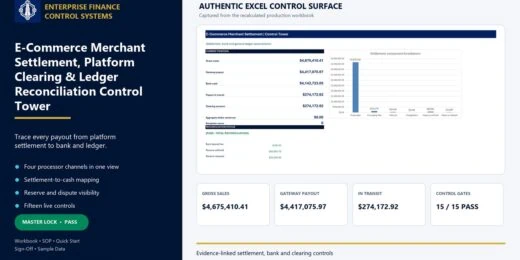

Export-based Excel merchant settlement, payment clearing and GL reconciliation control…
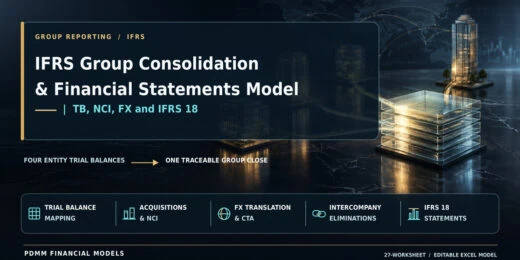

IFRS Group Consolidation & Consolidated Financial Statements Model 🧾 Turn…
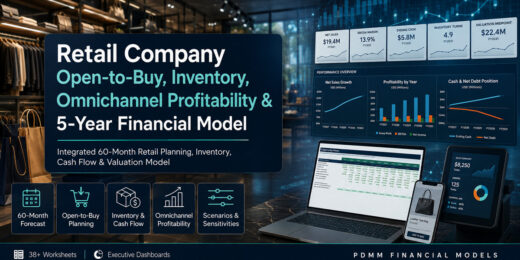
Turn retail planning into one connected operating and financial decision…

🚀 Premium Creator Economy Multi-Platform Revenue Financial Model, A professional…

🚀 AI GPU-as-a-Service / AI Compute Data Center Financial Model…
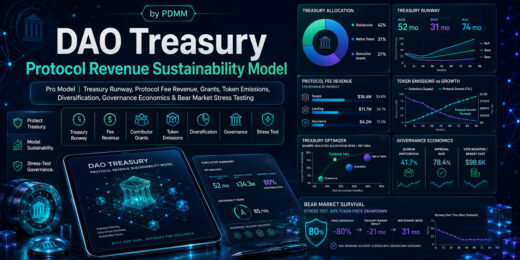
🚀 Premium DAO Treasury & Protocol Revenue Sustainability Financial Model.…
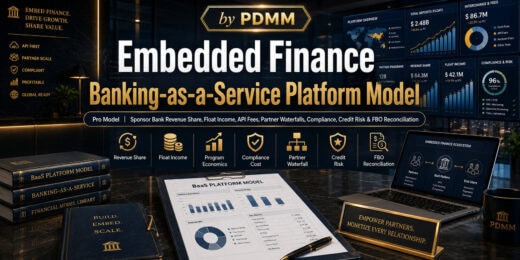
🚀 Premium Embedded Finance / Banking-as-a-Service Platform Financial Model. A…


The ultimate 5-year ecommerce financial model for startups. Build a…
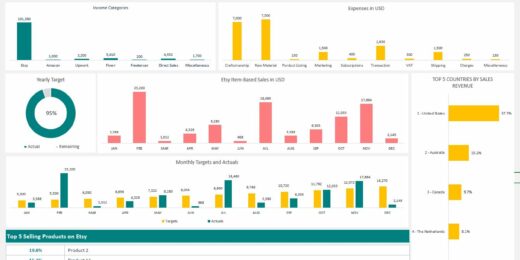

Excel Bookkeeping Template for Etsy Shop Owners: Efficiently Monitor and…

E-Commerce Unit Economics & CAC/LTV Calculator Understand your customer acquisition…

A polished, investor-ready E-commerce Financial Model for DTC and marketplace…


The Software Development Business Financial Model is a robust Excel…
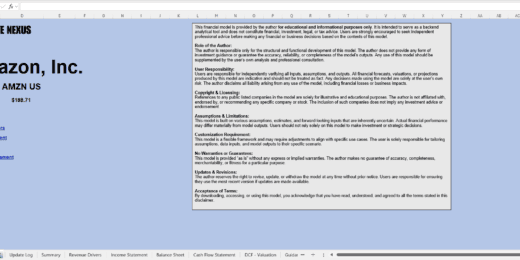

Financial Model of Amazon (Ticker: AMZN) with forecasting and valuations.…


A complete financial model, including income statement, balance sheet, and…

This mobile app financial model template is designed for app…

Simplify your cloud kitchen’s financial planning with our Cloud Kitchen…

The Video Streaming Financial Model Template is a comprehensive tool…


Highly versatile books / stationery shop 5-Year financial projection model…

This financial model provides an advanced 5-year financial plan for…

Highly versatile boutique shop 5-Year financial projection model with in-store…


Very comprehensive 5-Year 3 Statement Excel Financial Model bundle for…

This E-Commerce Mobile App Financial Model Template has been built…

The Subscription Box Business Financial Model with 10+ Years DCF…

A comprehensive editable, 5-year 3 statement MS Excel spreadsheet for…

A comprehensive editable, MS Excel spreadsheet for tracking Mobile App…

Equips businesses with actionable insights for optimizing sales strategies tailored…

A comprehensive editable, 5-year 3 statement MS Excel spreadsheet for…

A comprehensive editable, 5-year 3-statement MS Excel spreadsheet for tracking…

A comprehensive editable, MS Excel spreadsheet for tracking web hosting…

Very comprehensive editable, MS Excel spreadsheets for tracking Digital Education…

CBD Personal Care Financial Model and Valuation Template, a comprehensive…

Empower your EdTech startup with our comprehensive Edtech Financial Model,…
Tailored ecommerce financial model Model for startups. It includes detailed…


Discover the eCommerce - Online Retail Company Financial Model and…

Test many variables in this financial model for a subscription…


Financial Model providing a 10-year financial plan for a startup…

Financial Model of Amazon (Ticker: AMZN) with forecasting and valuations.…
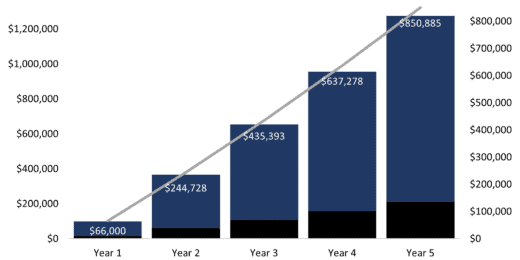

A model to prepare and analyze a start-up or existing…
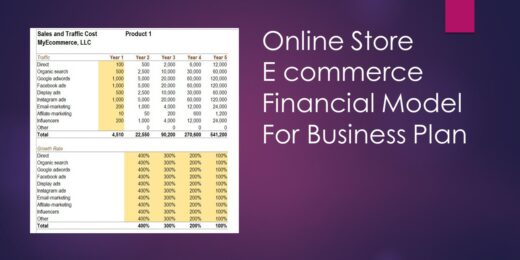

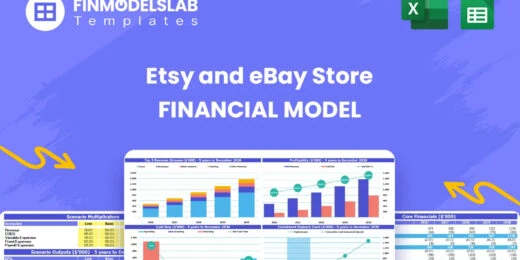

The Etsy and eBay Store Financial Model helps marketplace sellers,…
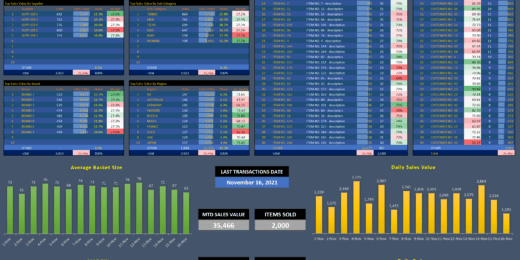


Build a strategy for adding recurring revenues services to your…



Lifetime access to all future templates as well! Here is…


This model provides a full 10-year financial model for a…

Financial Model providing a dynamic up to 10-year financial forecast…
A collection of six Online Business Financial Models offered at…
This is a dynamic and advanced DCF valuation model of…
10-Year Financial Model for an online Products Marketplace Platform, designed…




Integrated Healthcare Platform Business Plan Model is a perfect tool…

Restaurant Aggregator and Food Deliver Business Plan Model is a…
E-Commerce & Web Shops: Maximizing Your Reach
An Overview of E-Commerce & Web Shops
E-commerce & web shops are integral to the digital economy, but they cater to different aspects of online business. E-commerce, or electronic commerce, refers to the broader concept of buying and selling goods and services online. It includes a broad spectrum of online business endeavors. A web shop, also known as an online store or e-shop, is a specific type of website that focuses solely on the retail aspect of e-commerce. They are dedicated platforms where businesses sell products or services to consumers. E-commerce businesses involve not just the transactional process of buying and selling but also include other aspects such as online marketing, automated data collection systems, electronic data interchange (EDI), electronic funds transfer, inventory management systems, online transaction processing, and supply chain management. E-commerce activities can occur on various platforms, not limited to dedicated websites. It includes online marketplaces (like Amazon or eBay), social media platforms, and even email or mobile apps. A web shop hosts a dedicated website, and the entire user experience – from browsing products to checkout – happens within this website. While it has an international customer base, it often caters to specific regions or countries, significantly smaller or medium-sized enterprises, due to logistics and shipping considerations. It is primarily geared towards B2C transactions, where the end consumers directly interact with the business's digital storefront to purchase. In general, e-commerce businesses and web shops, though often used interchangeably, have distinct nuances. While all web shops are a part of e-commerce, not all e-commerce activities are confined to web shops.How E-Commerce Works
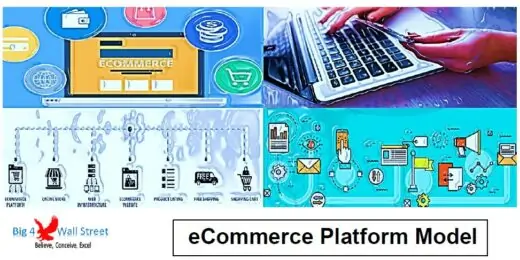
E-commerce has become crucial to the modern economy due to its convenience, efficiency, and broad reach. It offers a vast array of opportunities for both large and small enterprises. Here’s an overview of how e-commerce works:- Online Presence: Businesses establish an online presence through a website or an app where they display their products or services.
- Product Showcase: Products or services are listed with descriptions, images, and prices. Advanced e-commerce systems include customer reviews and ratings.
- Order Processing: Customers select products, add them to a shopping cart, and complete the purchase through an online checkout.
- Payment Processing: Payments are made via electronic methods such as credit cards, debit cards, online wallets, or other digital payment systems.
- Order Fulfillment: The business processes the order. It involves selecting, packaging, and shipping the product or providing a service.
- Delivery: Physical goods are delivered through courier services, while digital products or services are made available via downloads or online access.
- After-Sales Service: Customer service is provided for after-sales inquiries, returns, or complaints.
- E-commerce business models
- E-commerce revenue models
- E-commerce website types
- E-commerce website technologies
E-Commerce Business Models
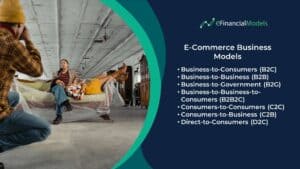
E-commerce has revolutionized the way businesses interact with each other and with consumers. Understanding the different e-commerce business models, like B2C versus B2B, among others, is crucial for entrepreneurs, startup founders, business owners, and finance professionals to make informed decisions. Let's delve into these models:- Business-to-Consumer, or B2C, is the most popular e-commerce business model. Businesses use the Internet to sell goods and services to customers directly. Examples include Amazon and Walmart's online platforms. B2C businesses often focus on marketing, customer experience, and pricing strategies to attract and retain consumers.
- Business-to-Business, or B2B: In this model, businesses sell products or services to other businesses. B2B e-commerce platforms often cater to specific industry needs and require a different approach to sales and marketing, focusing on long-term relationships and bulk ordering. Examples of B2B e-commerce platforms are Alibaba and ThomasNet.
- Business-to-Government (B2G): B2G involves businesses selling products or services to governments and public sector agencies. This model often includes tenders and contracts; companies must meet specific criteria and regulations to participate. A notable example is the U.S. government's GSA Advantage program.
- Business-to-Business-to-Consumer (B2B2C): This model combines B2B and B2C for a complete product or service transaction. A business sells a product or service to another business before it reaches the consumer. For example, a manufacturer sells to a retailer and then sells to the final consumer.
- Consumer-to-Consumer (C2C): In this model, consumers sell directly to other consumers, often through platforms facilitating these transactions. eBay and Craigslist are prime examples. Key factors include ease of use, security, and the ability to provide a trusted transaction platform.
- Consumer-to-Business (C2B): Here, individuals offer products or services to businesses. It can include freelance work, crowdsourcing, or influencer marketing. Platforms like Upwork and Fiverr facilitate this model by connecting individual service providers with businesses.
- Direct-to-Consumer (D2C): D2C companies sell directly to consumers, bypassing traditional retailers or middlemen. This model allows for greater control over brand, customer experience, and margins. Examples include Warby Parker and Dollar Shave Club.
E-Commerce Revenue Models
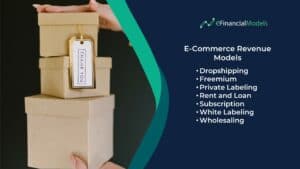
E-commerce revenue models are crucial for businesses to understand and implement effectively in today's digital marketplace. Each model offers distinct advantages and challenges.- Dropshipping: Dropshipping is a streamlined retail business wherein the seller accepts customer orders but does not keep goods sold in stock. Instead, in a dropshipping model, the retailer acts as a middleman, transferring the orders and their shipment details directly to the manufacturer, a wholesaler, or another retailer, who then ships the goods directly to the customer. This model reduces the overhead and risk of holding inventory, enabling sellers to offer a wide range of products without significant upfront investment in stock.
- Freemium: The freemium model in e-commerce is a pricing strategy where essential services or products are provided free of charge, while more advanced features or premium services are offered at a cost. This model is designed to attract a large user base with free services, expecting a certain percentage to find value in the premium features and opt to pay for them. It's commonly used in digital services and software products.
- Private Labeling: This model involves selling products under one's own brand name, but a third party manufactures those products. In private labeling, a retailer contracts a manufacturer to create a unique product to sell exclusively. This approach allows the retailer to create a distinct brand identity and offer unique products without the expense of operating a manufacturing facility.
- Rent and Loan: This revenue model involves lending or renting products to customers for a specified period in exchange for a fee. It is popular in industries where customers prefer temporary access to goods such as fashion, tools, and technology rather than owning them outright. This model can attract customers who seek flexibility, lower costs, or short-term usage without a purchase commitment.
- Subscription: The subscription model is based on recurring payments made by customers in exchange for continued access to a product or service. This model ensures a consistent revenue stream and customer engagement over time. It is widely used for digital services like streaming platforms, software as a service (SaaS), and physical goods like subscription boxes for food, beauty products, or books.
- White Labeling: White labeling involves purchasing products from a manufacturer and selling them under one's brand name. Unlike private labeling, where the product is unique and made exclusively for a retailer, in white labeling, the same product can be sold by multiple retailers under different brand names. This model is popular among retailers who want to expand their product offerings without investing in new product development.
- Wholesaling: In the wholesaling model, goods are purchased in bulk from manufacturers or distributors and then resold in smaller quantities to retailers or directly to end consumers at a markup. Wholesalers typically sell their products at lower unit prices due to the high volume of purchases. This model is standard in B2B transactions but can also be applied in B2C contexts, particularly in the case of bulk sales to consumers.
E-Commerce Website Types
E-commerce has revolutionized the way businesses operate and interact with their customers. This digital marketplace offers various platforms, each catering to different business needs and consumer preferences.- Individual Brand websites are digital storefronts dedicated to a single brand, offering a focused and brand-centric shopping experience. These sites often provide detailed product information, brand storytelling, and personalized customer service.
- Marketplaces like Amazon or eBay, aggregate multiple sellers in one platform, offering a wide range of products from various brands and individual sellers. They excel in providing diverse choices and competitive pricing.
- Online Retailers are digital versions of traditional retail stores. They typically carry products from multiple brands, often focusing on specific niches or categories, like electronics or clothing.
- Social Media E-commerce leverages social networking platforms to facilitate direct sales. Platforms like Instagram and Facebook have integrated shopping features, enabling businesses to sell directly through their social media profiles, thus blending social engagement with commerce.

E-Commerce Website Technologies
E-commerce website technologies have evolved significantly, offering a diverse range of platforms and solutions to meet the varying needs of online businesses. These technologies facilitate a seamless and efficient online shopping experience for customers while providing businesses with robust operations management tools.- Mobile Commerce: Mobile commerce, or m-commerce, is a subset of e-commerce that involves buying and selling goods and services through wireless handheld devices such as smartphones and tablets. This technology is designed to accommodate the increasing trend of mobile internet usage, providing a user-friendly shopping experience on small screens.
- Voice Commerce: Voice commerce represents a cutting-edge approach to online shopping, where customers use voice commands to search for products, make purchases, and interact with virtual assistants like Amazon's Alexa, Google Assistant, or Apple's Siri. This technology leverages natural language processing and machine learning to understand and process spoken requests, making the shopping experience more interactive and convenient. Voice commerce is beneficial for routine purchases or when hands-free interaction is preferred. As voice recognition technology advances, it's becoming an increasingly important tool for businesses seeking to provide a more accessible and innovative shopping experience.
- Web Commerce: Web commerce, often referred to as traditional e-commerce, is the original form of online shopping, conducted through websites accessed via web browsers on computers or mobile devices. This technology provides a comprehensive online shopping experience, featuring detailed product pages, customer reviews, secure checkout processes, and various payment options. As the backbone of e-commerce, web commerce continues to evolve with advancements in web technologies, security, and user interface design.

How to Maximize Your Reach with E-commerce & Web Shops
Maximizing your reach in the e-commerce and webshop sector requires a multi-faceted approach, leveraging technology, marketing strategies, customer service excellence, and financial planning. Here's a detailed exploration of the essential steps:- Build or Choose a Responsive E-Commerce Website: A responsive e-commerce website is crucial for attracting and retaining customers. Design an intuitive layout that makes navigation effortless for users. It includes a precise categorization of products, an easy-to-use search bar, and a seamless checkout process. Website loading time should be under 0.1 seconds. Fast loading speeds enhance user experience and positively influence.
- Drive Traffic Through Search Engine Optimization (SEO): SEO is vital for increasing visibility and attracting organic traffic to your website. Ensure your website's content, including product descriptions, blog posts, and metadata, is optimized for search engines and user experience. Google search rankings can be achieved through optimized images, efficient coding, and reliable hosting solutions. Incorporate specific long-tail keywords in your product pages. While less competitive, these keywords are more likely to attract qualified leads who are closer to a purchase decision.
- Provide Excellent E-Commerce Customer Service: Superior e-commerce customer service can help you stand out from the competition. To provide excellent e-commerce customer service, focus on creating a seamless and responsive experience, prioritizing customer needs and expectations. Provide precise and detailed product information and offer multiple, easy-to-navigate support channels like live chat, email, and phone support. Rapid response times, personalized assistance, and proactive problem-solving are crucial, as they demonstrate a commitment to excellent e-commerce customer service. Additionally, leveraging customer feedback to improve service offerings continuously and implementing a flexible return and refund policy can significantly enhance customer trust and loyalty.
- Strengthen Social Media Campaigns: Social media is a powerful tool for e-commerce businesses. Collaborate with influencers and other brands to expand your reach. It can include sponsored content, co-branded products, or shared promotions. Targeted pay-per-click (PPC) advertising should be used on platforms like Facebook, Instagram, and Google to reach potential customers.
Utilize Financial Modeling for Enhanced Market Penetration
Financial modeling plays a pivotal role in strategic planning. Budget allocation templates determine the most effective marketing budget allocation across various channels. Evaluate the return on investment for different marketing strategies and adjust your tactics accordingly. Prepare for multiple market conditions by modeling sensitivity analyses, helping you make informed decisions. In conclusion, maximizing your reach in the e-commerce and webshop sectors requires a holistic approach. These strategies attract a wider audience and foster customer loyalty, leading to sustained business growth. Remember, in the dynamic world of e-commerce, agility and continuous improvement are vital to staying ahead of the competition.
Conclusion
In conclusion, effectively utilizing financial model templates for e-commerce and web shops is a strategic approach that empowers entrepreneurs, startup founders, and business owners to optimize their operations and expand their reach. These templates streamline the financial planning and analysis process and provide valuable insights into revenue streams, cost structures, and potential growth opportunities. By adopting these sophisticated tools, businesses can make well-informed decisions, forecast future trends, and adapt to market dynamics more efficiently. In an increasingly competitive digital marketplace, the right financial modeling resources are not just a convenience but necessary for achieving sustainable growth and maximizing your online business's potential. Embrace these tools to navigate the complexities of e-commerce with confidence and precision, setting a solid foundation for success and longevity in the digital economy.You might also like: