
0 ITEMS

Brand
A brand is more than just a name or logo; it represents a company's reputation, customer perception, and competitive edge. Financial models are essential for valuing this brand equity, allowing businesses to quantify the impact of their brand on revenue, profit margins, and customer loyalty. These models help track brand value over time, assess the ROI of branding efforts, and guide marketing and strategic decisions. Whether for startups or established companies, financial models provide critical insights into brand performance, enabling data-driven strategies to enhance market position and growth.


A detailed discounted cash flow model for Titan company. Which…


This Excel model is an advanced, user-friendly financial planning tool…


Comprehensive editable, Excel spreadsheet for tracking marketing campaign financials in…

A comprehensive editable, MS Excel spreadsheet for tracking project financials…


Inventory management and planning financial model for up to 25…




A complete example sustainability policy suite that can be adapted…


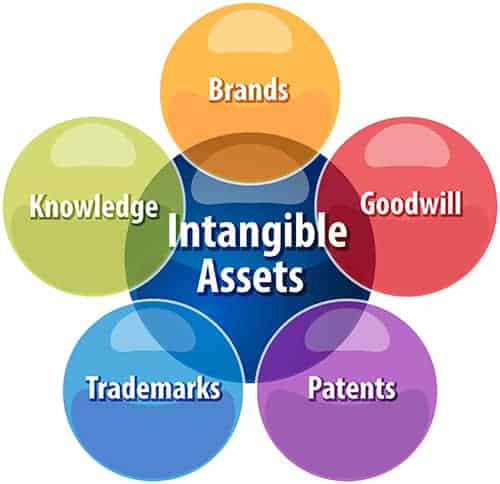

Intangibles are defined as “non- physical assets such as franchises,…
How to Build Brand Value?

Brand value encompasses a brand’s worth in the marketplace. It involves financial metrics, customer perceptions, and emotional connections. Valuation drives a company’s ability to demand premium pricing, secure customer loyalty, and market positioning. You are implying that a valuable brand extends far beyond immediate sales or market share. Creating brand value is vital for businesses that want to thrive and stay ahead in today’s ever-changing market. This goes beyond a recognizable logo or catchy slogan. It represents the emotional and tangible benefits a company offers its customers. Understanding how to build brand value requires a strategic approach that aligns with your business goals, resonates with your target audience, and differentiates you from competitors.
Understanding Brand Value
At its core, brand value represents the worth of a brand as perceived by both customers and stakeholders. This encompasses the financial gains it might contribute and the intangible benefits it brings. This includes brand loyalty, customer trust, recognition, and the premium price customers will pay for the brand name. In other words, brand value could be the net sum of how much a consumer will pay for a product with a particular brand vs. a service. The essence of brand value lies in its ability to create a unique identity and emotional connection with the consumer. Picture creating an emotional attachment to a brand, the confidence in its promise, and the consistent experience it delivers. This experiential and emotional connection often outweighs rational product benefits, leading to sustained customer loyalty and advocacy. Brand value is not just about what a brand offers regarding goods and services but how it resonates personally and emotionally with its audience.The Comprehensive Nature of Brand Value
Brand value isn’t limited to a company’s balance sheet or market capitalization. Instead, it integrates qualitative factors, such as customer perception and experience, that are not easily quantifiable but critically important. Take Apple as an example. It’s the epitome of brand value, where customers will pay a premium for its products because of the tangible specifications and the perceived innovation, status, and user experience associated with the brand. Understanding brand value requires a look at its multiple dimensions:- Emotional Value pertains to the brand’s ability to connect emotionally with its consumers. Brands like Disney evoke nostalgia and joy, resulting in loyal customers who pass down this brand affinity through generations.
- Social Value: Brands also represent a social badge. Fashion brands like Gucci or Prada are often valued for what they signify socially rather than just their utility.
- Functional Value: This is the practical aspect where the brand assures quality and performance. Brands like Toyota have built value around reliability and efficiency.
Key Drivers of Brand Value
 Understanding the key drivers of brand value is paramount for businesses aiming to build a strong, valuable brand. These drivers represent the foundational elements that contribute to a brand’s strength and highlight practical areas companies can focus on to enhance their brand’s worth. Let’s delve into the primary drivers: brand awareness, brand perception, brand loyalty, and brand equity.
Brand Awareness
 Brand awareness is the cornerstone of brand value. It pertains to how recognizable and familiar a brand is to its target audience. High brand awareness means that consumers can easily identify your brand, recall your products or services, and even associate certain attributes or experiences with your brand name. This recognition helps to attract and retain customers. For instance, Coca-Cola often comes to mind when consumers think of soft drinks owing to its extensive global presence and consistent advertising efforts. Effective strategies to increase brand awareness include:
- Investing in marketing campaigns.
- Engaging in public relations.
- Sponsoring events that align with your brand’s values.
- Leveraging social media platforms.
Brand Perception
Beyond mere recognition lies brand perception, which significantly shapes brand value. Brand perception refers to how customers view the brand based on their experiences and interactions. Positive brand perception is built through consistently delivering quality products, excellent customer service, and a trustworthy reputation. Brands like Apple have mastered this by ensuring their products meet and exceed customer expectations, thus creating a perception of innovation and exclusivity. Monitoring and managing brand perception requires gathering customer feedback, addressing issues promptly, and maintaining a strong, positive presence in the market.Brand Loyalty
Brand loyalty is a critical component of brand value, acting as the glue that binds customers to a brand, often beyond rational, transactional reasons. At its core, brand loyalty reflects a customer’s continuous preference for a specific brand, resulting in repeated purchases and recommending the brand to others. This loyalty is not merely about repeat business; it’s about creating a deep, emotional connection where customers choose a brand because they feel a sense of trust, satisfaction, and affinity. For companies, fostering brand loyalty can lead to sustainable revenue streams, reduced marketing costs, and enhanced competitive positioning. Practically, brand loyalty translates into tangible benefits that directly influence a company’s bottom line. Loyal customers are less price-sensitive, allowing brands to maintain premium pricing strategies without fear of losing them to competitors. Moreover, retaining loyal customers typically costs less than acquiring new ones, providing a higher return on investment for marketing efforts. Additionally, brand advocates—those loyal customers who actively promote the brand—can significantly amplify word-of-mouth marketing, acting as unpaid ambassadors who enhance brand reputation and attract new customers. Businesses can secure a more stable and predictable financial future by focusing on strategies that build and maintain brand loyalty.Brand Equity
Brand equity refers to the perceived value and strength of a brand in the minds of consumers, which translates into financial benefits for the company. It’s built over time through consistent, positive brand experiences and is a composite of brand loyalty, awareness, perceived quality, and brand associations. When a brand achieves high brand equity, it can enjoy several advantages, such as the ability to command premium prices, increased customer loyalty, and a stronger competitive position in the market. One of the critical components of brand equity is brand loyalty. Loyal customers repeatedly choose your brand over competitors, even at higher prices. This loyalty often acts as a buffer against market fluctuations and economic downturns. Another crucial element is brand awareness, which involves how consumers recognize and recall your brand. High brand awareness usually leads to brand trial, which fosters growth and market share. Moreover, the perceived quality of your brand—how consumers judge your product’s quality compared to competitors—directly impacts brand equity. If a brand consistently delivers superior quality, it can establish a reputation for reliability and excellence, further strengthening its equity. The accumulation of brand equity has direct financial benefits for a company. Brands with high equity can leverage this asset to negotiate better deals with suppliers, charge premium prices, and expand market share more efficiently. For example, companies like Coca-Cola and Apple have successfully built strong brand equity, allowing them to maintain high customer loyalty and robust pricing power. Investors and analysts also consider brand equity when valuing a company, as it can substantially affect stock price and market capitalization. Therefore, fostering strong brand equity isn’t just about improving customer relationships; it’s a strategic financial asset that can yield significant long-term benefits. In conclusion, brand equity is critical in building brand value and plays a substantial role in a company’s financial success. By understanding and actively managing brand equity, businesses can unlock many opportunities—from enhanced customer loyalty and the ability to charge premium prices to stronger market positioning and increased shareholder value.Real-World Examples
Coca-Cola: The Quintessential Brand Value Example
Coca-Cola is a paragon of brand value, epitomizing how a well-crafted branding strategy can translate into immense financial and emotional worth. This iconic beverage company has built its brand value on several pillars, including ubiquitous brand awareness, positive brand perception, and unparalleled brand loyalty. Coca-Cola’s red and white logo, along with its memorable advertising campaigns like the “Share a Coke” initiative, have ingrained the brand into the collective consciousness of consumers worldwide. This universal recognition enables Coca-Cola to charge premium prices compared to its competitors, as customers associate the brand with consistent quality and an enjoyable drinking experience. The company’s brand value extends far beyond its products. Coca-Cola has created a culture of happiness and togetherness, embodied in its slogan, “Open Happiness.” Coca-Cola has fostered a deep connection with consumers by aligning itself with positive emotions and experiences. This emotional resonance translates into sustained customer loyalty, ensuring repeat business and solidifying the brand’s market position. Practical applications of Coca-Cola’s strategy can be seen in its consistent top rankings in brand valuation studies, which consider revenue metrics, consumer sentiment, and engagement levels.Starbucks: Building Brand Value Through Customer Experience
Starbucks is another exemplary case of a brand that has achieved substantial value by focusing on the customer experience. The coffee giant has effectively created a “third place” between home and work, providing a welcoming space for customers to relax, work, or socialize. This commitment to the customer experience is clear in Starbucks’ store design, customer service, and product diversity, all contributing to a strong, positive brand perception. The brand’s loyalty program, Starbucks Rewards, further enhances customer retention by offering personalized incentives and promotions, encouraging repeat visits, and fostering a sense of belonging among its members. One critical factor in Starbucks’ brand value is its ability to adapt to changing consumer preferences without compromising its core values. For example, Starbucks’ initiative to incorporate sustainable practices—from ethically sourced coffee beans to reducing plastic use—resonates strongly with today’s environmentally conscious consumers. This strategy enhances the brand’s perception and broadens its appeal to new customer segments who prioritize sustainability. By examining these real-world examples, entrepreneurs and business leaders can glean essential insights into strategies for building brand value. Whether developing a strong emotional connection with customers like Coca-Cola or prioritizing the customer experience like Starbucks, the key lies in understanding what makes your brand unique and leveraging that to foster loyalty, command premium pricing, and ultimately strengthen your market position.The Role of Brand Value in Brand Valuation
The balance between brand value and valuation is necessary in today’s competitive business landscape. A brand’s value is both a vague idea and a quantitative asset that can majorly impact a company’s market valuation. Brand valuation is an intricate process that leverages brand value to determine the economic worth of a brand. This valuation extends beyond simple financial metrics. This encompasses intangible elements such as consumer perception, emotional connection, and experiential factors. Therefore, understanding how to link brand value to valuation effectively is paramount for any business aiming to reach its brand’s full economic potential. How much are you willing to pay for a brand-name item? The primary reason for linking brand value to valuation lies in the financial advantages that a strong brand brings. A brand with a significant value can command a premium price for its products or services, enhancing profitability. This premium pricing stems from the brand’s perception of quality, trustworthiness, and customer loyalty. Investors and stakeholders view brands with high value as less risky investments, often resulting in a higher overall company valuation. Hence, a high brand value translates to tangible financial metrics, bolstering the company’s balance sheet and attracting further investment. Incorporating brand value into financial models allows companies to make informed decisions. These include marketing expenditure, brand development initiatives, and overall resource allocation. For instance, the Interbrand method, one of the most widely recognized brand valuation techniques, uses a combination of financial performance, brand strength, and role of brand in purchasing decisions to arrive at a brand’s value. By evaluating these factors, businesses can pinpoint the direct contributions of brand value to their overall financial performance, justifying investments in brand-building activities.Brand Valuation Techniques
 Brand valuation techniques are methods used to estimate the financial value of a brand, which plays a crucial role in business decisions such as mergers, acquisitions, and marketing strategy development. These techniques help quantify a brand’s contribution to a company’s financial performance, offering insights into intangible assets. Common approaches include cost-based, market-based, and income-based methods, each providing a different perspective on brand worth. Understanding the value of a brand enables businesses to leverage their brand equity for growth, investment, and competitive advantage. Accurate brand valuation is essential for measuring long-term business success and optimizing strategic decisions.
Cost-Based Approach
The cost-based approach assesses the brand’s value by calculating the total cost incurred in building the brand. This includes the cost of developing the brand, marketing expenditures, and other investments that have contributed to the brand’s current position in the market. While this approach offers a straightforward way to quantify brand value, it has limitations. It often fails to capture the intangible aspects of brand value, such as customer loyalty and perception. Nonetheless, it provides a solid foundation for understanding the minimum investment required to recreate the brand.Market-Based Approach
The market-based approach determines brand value by comparing it to similar brands. This method involves assessing the market prices paid for comparable brands and applying these findings to estimate the subject brand’s value. One of the main advantages of this approach is that it reflects real market conditions and investor sentiment. However, it requires robust market data and may only partially account for unique brand attributes that differ from the benchmarks used for comparison.Income-Based Approach
The income-based approach, often considered the most comprehensive, evaluates brand value based on the future economic benefits that the brand is expected to generate. Techniques like discounted cash flow (DCF) analysis fall under this category, where future cash flows attributable to the brand are projected and then discounted to present value. This approach effectively captures the brand’s ongoing economic potential but involves assumptions and projections that can introduce uncertainties.The Interbrand Method
One of the most widely recognized brand valuation techniques is the Interbrand method, which blends elements of all three overarching approaches. This method evaluates brand value by considering financial performance, the brand’s role in purchase decisions, and brand strength. Financial performance examines the revenue generated solely by branded products or services. The brand’s role in purchase decisions assesses its influence on customer buying behavior. In contrast, brand strength evaluates the brand’s capacity to secure future earnings based on market leadership, stability, and geographic reach.Financial Analysis
Financial analysis techniques, such as residual value methods, isolate the brand’s economic benefits by subtracting tangible assets and other identifiable intangibles from the total value of the business. This residual value is then attributed to the brand, providing an estimate of its worth. While this method effectively highlights the brand’s contribution to overall business value, it requires detailed financial data and thorough analysis.Customer-Based Valuation
Customer-based valuation focuses on measuring the value perceived by the customers. This involves metrics like customer lifetime value (CLV), brand loyalty rates, and customer retention costs. Organizations can capture insights that translate into monetary value by understanding how customers perceive and engage with the brand. This technique acknowledges brand value’s emotional and experiential facets, offering a more rounded perspective.Case Studies
Numerous case studies reveal the practical applications and impact of brand valuation methods. For instance, Coca-Cola’s brand valuation underscores its powerful global presence and consistent customer loyalty, translating into substantial financial benefits. On the other hand, Starbucks’ valuation highlights the brand’s ability to create a unique customer experience, thereby driving premium pricing and customer retention. These examples illustrate how brands leverage specific valuation models to understand and enhance their brand value.Brand Valuation Template
 A practical and effective brand valuation template is indispensable in building and enhancing brand value. It provides a structured approach to quantifying a brand’s financial worth, considering various key metrics and encompassing comprehensive steps to facilitate an accurate assessment. The brand valuation template is crucial for businesses measuring and amplifying their brand value.
Key Metrics in the Brand Valuation Template
The brand valuation template is designed to encapsulate several critical metrics that collectively determine the brand’s overall value. These metrics typically include financial performance indicators such as revenue, profit margins, and growth rates, as well as market-based measures such as brand awareness and market share. Additionally, the template often incorporates customer-centric metrics like brand perception, loyalty indices, and net promoter scores (NPS). By encompassing these diverse metrics, the template provides a holistic view of a brand’s value, blending quantitative financial data with qualitative brand health indicators.- Financial Performance: This template section focuses on historical financial performance, projecting future revenue streams, profit margins, and cash flows attributable to the brand. Metrics such as the brand’s revenue contribution, EBITDA (earnings before interest, taxes, depreciation, and amortization), and brand-specific growth rates are pivotal.
- Market-Based Metrics: Here, the template captures data related to market share, competitive positioning, and brand strength within its industry. This includes analyzing brand visibility, presence in the target markets, and the brand’s standing relative to its competitors.
- Customer-Centric Metrics: This encompasses customer feedback and loyalty measures, often derived from surveys, focus groups, and sentiment analysis. Key indicators include customer satisfaction scores, repeat purchase rates, and NPS, which reflect the brand’s ability to maintain and grow its customer base over time.
Practical Applications of the Brand Valuation Template
The brand valuation template is not merely a static tool; it has versatile applications to drive strategic decisions. For instance, businesses can use the template to gauge the brand’s value over time, identifying trends and areas needing investment or improvement. This continuous assessment aids in strategic planning, marketing investments, and resource allocation, ensuring that efforts are directed towards activities with the highest potential to enhance brand value. Moreover, the template is invaluable in scenarios such as mergers and acquisitions, where an accurate brand valuation is crucial for negotiations and determining the overall worth of the business. It also plays a significant role in investor relations, where demonstrating the brand’s value can attract potential investors and justify premium pricing for shares. Furthermore, for companies seeking to raise capital, a well-documented brand valuation enhances credibility with banks and financial institutions, showcasing the brand as a valuable asset. In conclusion, a brand valuation template is essential to a brand value model, enabling businesses to systematically assess and enhance their brand equity. It provides a dual benefit: offering detailed insight into the brand’s financial worth while also informing strategic decisions that can foster long-term brand growth and sustainability. For entrepreneurs and managers, leveraging this template can be a transformative step toward unlocking the full potential of their brand’s value.Developing a Strong Brand Value Proposition
 A strong brand value proposition is fundamental to establishing a respected and recognizable brand. This proposition encapsulates the unique benefits and values that your brand promises to deliver to customers. Crafting a unique value proposition involves addressing what sets your brand apart from competitors, its distinctive benefits, and why customers should choose your business over others.
Crafting a Unique Value Proposition
Crafting a unique value proposition is the cornerstone of building a brand that stands out in today’s saturated market. A value proposition clearly explains why customers should choose your brand over others. It’s not just about listing features or services; it’s about communicating the unique benefits that your brand delivers better than any other competitor. This unique positioning is fundamental in shaping brand perception, influencing customer loyalty, and ultimately driving the financial value of the brand. A strong value proposition effectively addresses your target audience’s core needs and pain points, providing compelling reasons for them to engage with and remain loyal to your brand. For example, Apple emphasizes innovation and simplicity, which resonates deeply with tech-savvy consumers who seek sophisticated yet user-friendly products. This unique value proposition has enabled Apple to maintain a premium position in the market, illustrating how a well-crafted value proposition can lead to high brand value. By clearly articulating what makes your brand unique, you are differentiating yourself from competitors and laying a solid foundation for building long-term customer relationships and securing market share. Developing a value proposition involves deeply understanding your target market and a keen insight into what truly sets your brand apart. Begin by analyzing the specific benefits that your product or service delivers and how these benefits align with your audience’s needs and desires. It’s essential to focus on unique aspects—superior quality, exceptional customer service, innovative features, or a sustainable approach—that can serve as your brand’s key differentiators. Once identified, these unique selling points must be effectively communicated through all marketing channels. Consistency is crucial; your value proposition should be evident in every communication—from your website and social media to advertising and customer service interactions. Brands like Tesla, for instance, emphasize their commitment to sustainability and technological advancement and consistently reflect these values across all customer touchpoints. This cohesive and strategic communication helps reinforce the brand’s unique value in the minds of the consumers, thereby enhancing overall brand value. Remember that your unique value proposition should be concise, credible, and customer-centric. A well-crafted value proposition is a powerful tool that can drive preference, foster loyalty, and justify premium pricing, all of which contribute to developing a strong and valuable brand.Building Brand Value Through Customer Experience
In today’s highly competitive marketplace, delivering exceptional customer experiences has become critical in building robust brand value. As consumers are increasingly empowered and informed, their expectations for personalized and seamless brand interactions are higher than ever. By consistently providing remarkable customer experiences, brands can differentiate themselves from competitors, foster customer loyalty, and enhance brand value. Customer experience encompasses every interaction with a brand, from pre-purchase research to post-purchase support. Positive customer experiences can create emotional connections, drive customer satisfaction, and encourage repeat business, which is essential for building long-term brand loyalty. For example, brands like Apple and Amazon have set industry benchmarks through their commitment to customer-centric strategies. Apple’s focus on creating an immersive retail environment and providing unparalleled customer support has built a passionate user base, translating into strong brand loyalty and high brand equity. Similarly, Amazon’s seamless shopping experience, fast delivery options, and excellent customer service have made it a market leader, significantly boosting its brand value. Moreover, customer feedback and reviews are crucial in shaping brand perception and value. By actively engaging with customers and listening to their needs and concerns, brands can improve their offerings and address pain points, enhancing customer satisfaction and a better brand reputation. Leveraging technology and data analytics to understand customer behavior and preferences allows brands to tailor experiences to individual needs, further reinforcing positive customer relationships. In summary, prioritizing customer experience drives immediate business success and lays a foundation for sustainable brand growth and elevated brand value.Incorporating Sustainability
In today’s market, incorporating sustainability into a brand’s value proposition is a trend and a necessity. Consumers’ growing awareness and concern over environmental, social, and governance (ESG) issues have fundamentally shifted the business landscape. Companies prioritizing sustainability can significantly enhance their brand value by aligning with evolving consumer expectations. As such, sustainability has become an essential dimension of brand perception and, subsequently, brand value. Sustainability initiatives show a company’s commitment to ethical practices and social responsibility. From reducing carbon footprints to adopting fair labor practices and ensuring transparent supply chains, these efforts appeal to a conscientious consumer base. For instance, brands like Patagonia and Tesla have successfully woven sustainability into their core values, leading to strong customer loyalty and premium pricing. Patagonia’s environmental activism and Tesla’s focus on sustainable energy have differentiated them in the market and driven emotional engagement and consumer trust. By integrating sustainability, companies can improve their reputational capital, a critical component in overall brand value assessment. Moreover, incorporating sustainability can lead to tangible financial benefits. Sustainable business practices can reduce operational costs through energy efficiency and waste reduction. Additionally, companies that lead in sustainability are often better positioned for long-term resilience, attracting investments from ESG-focused funds. This drives financial performance and fortifies brand equity, which is essential for robust brand value. In summary, embracing sustainability isn’t just about ethical alignment; it’s a strategic asset that enriches brand valuation, fortifies customer loyalty, and ensures long-term competitive advantage.Benefits of a Strong Brand Value Proposition
A strong brand value proposition is a cornerstone of successful branding. It provides an interesting reason customers should choose your brand over others. This distinct advantage can lead to several significant benefits, underpinning the strategic value of a well-defined brand value proposition. First and foremost, a robust brand value proposition enables premium pricing. When a brand’s value proposition communicates unique benefits and superior quality, customers are often willing to pay more for what they perceive as added value. Take Apple as an example; its brand promise of innovative, high-quality technology products allows it to maintain higher pricing tiers than other tech companies. Similarly, brands like Tesla command higher price points by aligning their core values of sustainability and cutting-edge technology with their value proposition. This ability to charge a premium price increases revenue and enhances profitability. In addition to premium pricing, a strong brand value proposition cultivates customer loyalty. When customers resonate with a brand’s promise and experience, it fosters trust and loyalty, encouraging repeat business and long-term relationships. Consider Starbucks; its value proposition goes beyond just coffee to focus on providing an exceptional customer experience and a sense of community. This approach has built a loyal customer base that returns frequently and remains engaged with the brand. Moreover, loyal customers often act as brand advocates, promoting the brand through word-of-mouth and social media, further bolstering the brand’s market position. Furthermore, a well-defined brand value proposition allows for market differentiation. It helps your brand stand out in a crowded marketplace by clearly communicating what makes your offering unique and valuable. Differentiation is key in highly competitive industries where products and services are often indistinguishable. Nike exemplifies this with its powerful brand value proposition centered around inspiration and innovation for athletes. This clear, distinct positioning helps Nike maintain a competitive edge and attract a devoted customer base. In conclusion, a strong brand value proposition has manifold benefits, impacting pricing strategies, customer loyalty, and market differentiation. By clearly articulating what makes your brand unique and valuable, you can foster deeper customer connections and drive sustained business success. Investing in a well-crafted brand value proposition enhances immediate financial returns and builds long-term brand equity, ensuring your brand stands the test of time in a competitive market. Measuring and monitoring brand value is essential for understanding how your brand is performing and where improvements can be made. A clear, defined approach to measuring brand value can help businesses make insightful decisions that align with their strategic goals. Several key metrics and tools are available to evaluate brand performance, and continuous monitoring ensures that the brand remains relevant and competitive in an ever-changing market.Key Metrics for Brand Evaluation
 Evaluating brand value is not a one-time effort but an ongoing process that involves regularly assessing key metrics. These metrics reflect a brand’s current standing and provide insights into areas needing improvement and opportunities for growth. Understanding and monitoring these metrics is essential for making informed strategic decisions and maintaining a competitive edge in the market.
Brand Awareness
Brand awareness is the cornerstone of brand evaluation. It measures how familiar consumers are with your brand and its products or services. High brand awareness means more people recognize and recall your brand, significantly contributing to its strength and value. Organizations often use surveys and studies to measure brand awareness and assess recognition and recall rates. Monitoring social media mentions and website traffic can also offer valuable insights into brand visibility. High brand awareness is typically linked to increased customer trust and loyalty, crucial components of brand value.Brand Recall and Perception
Brand recall refers to the ability of consumers to remember a brand without any visual or auditory prompts. In contrast, brand perception relates to the brand’s overall image and reputation in consumers’ minds. These metrics are integral in assessing the brand’s emotional and experiential impact on its audience. Brand recall can be measured through surveys asking respondents to name brands within a specific category. On the other hand, brand perception can be gauged through qualitative methods such as focus groups, in-depth interviews, and sentiment analysis on social media platforms. Positive brand perception often translates into higher customer preference and loyalty, enhancing the brand’s value proposition and market positioning.Customer Satisfaction and Loyalty
Customer satisfaction and loyalty are critical indicators of a brand’s performance and prospects. Key performance indicators (KPIs) such as customer satisfaction scores (CSAT), Net Promoter Score (NPS), and repeat purchase rates can provide a comprehensive picture of how well a brand meets customer expectations and retains its clientele. High levels of customer satisfaction are typically associated with higher customer retention rates, which, in turn, boost brand loyalty. Loyal customers lead to repeat business and become brand advocates, further elevating brand value. By regularly monitoring these KPIs, brands can identify strengths, address weaknesses, and align their strategies to enhance customer experience and loyalty.Tools for Brand Value Measurement
 In today’s dynamic business environment, accurately measuring brand value is essential for driving strategic decisions and ensuring sustained growth. Understanding and evaluating brand value goes beyond traditional financial metrics and encompasses many factors, from customer perceptions to market performance. Fortunately, various tools can help businesses in this endeavor, offering unique insights and benefits.
Brand Tracking Surveys
Brand tracking surveys are a fundamental tool for measuring brand value. They provide continuous feedback on key metrics, such as brand awareness, preference, and loyalty. By regularly tracking these indicators, businesses can clearly understand how their brand is perceived in the market. These surveys typically ask respondents about their brand recognition, attitudes, and likelihood of purchasing from the brand in the future. For instance, a high brand awareness indicates strong market presence, while positive sentiment suggests effective brand positioning. Regular use of brand tracking surveys enables companies to identify trends, detect shifts in consumer perception, and make informed decisions to enhance brand value.Sentiment Analysis
In the age of social media and online reviews, sentiment analysis has emerged as a powerful tool for assessing brand value. This technique involves analyzing text data from various digital platforms to gauge public opinion about a brand. Tools like social listening software can track mentions of the brand across social media channels, blogs, forums, and review sites, categorizing them into positive, negative, or neutral sentiments. By understanding how consumers feel about their brand, companies can identify strengths, weaknesses, and areas of improvement. For example, frequent positive mentions may highlight successful marketing campaigns, while negative feedback can pinpoint specific issues that must be addressed. The real-time nature of sentiment analysis also allows brands to respond quickly to trends and protect their reputation.Net Promoter Score (NPS)
The Net Promoter Score (NPS) is a widely used tool for measuring customer loyalty and predicting brand value. NPS surveys ask customers a single, straightforward question: “On a scale of 0 to 10, how likely are you to recommend our brand to a friend or colleague?” Based on their responses, customers are categorized as promoters (9-10), passives (7-8), or detractors (0-6). The NPS is then calculated by subtracting the percentage of detractors from the percentage of promoters. A high NPS shows strong customer loyalty and satisfaction, which are critical elements of brand value. Monitoring NPS over time helps businesses understand customer loyalty trends and refine their strategies to enhance brand value propositions.Importance of Continuous Monitoring
Maintaining a robust brand value in the dynamic business world is not a one-time effort but an ongoing process requiring continuous monitoring. Regular evaluation and analysis of your brand’s performance allow you to stay ahead of market trends, customer behaviors, and competitive threats. Continuous tracking helps identify potential weaknesses and threats before they escalate, enabling proactive measures that uphold and enhance the brand’s valuation over time. Adopting a structured approach to track key performance indicators (KPIs) such as brand awareness, customer satisfaction, and loyalty metrics is crucial. Tools like brand tracking surveys and net promoter scores (NPS) are invaluable in this process. These tools provide actionable insights into how your brand is perceived and what emotional connections customers have with your brand. As the market evolves, these insights ensure your brand remains relevant, competitive, and aligned with consumer expectations. Failure to engage in consistent monitoring can result in missed opportunities or, worse, a decline in brand value, severely affecting your overall business performance and market positioning.Harnessing the Power of Brand Value
Brand value is an undeniable strategic asset that profoundly impacts a business’s long-term success. One of the primary ways it manifests is through the ability to command premium pricing. When a brand is perceived as valuable and trusted, customers are often willing to pay higher prices for its products or services, confident in the expected quality and reliability. This pricing power directly correlates with revenue growth and profitability, creating a financially robust foundation for the company. Moreover, a strong brand value enhances market positioning, allowing businesses to carve out a distinct niche where competition is less intense and trusted consumer relationships are more prevalent. The influence of brand value extends beyond financial metrics; it plays a crucial role in fostering customer loyalty and advocacy. A brand that consistently delivers on its promises builds an emotional connection with its audience, resulting in higher customer retention and repeat business. This continuous engagement reinforces the brand’s market position and generates word-of-mouth referrals, organically amplifying brand awareness. For instance, iconic brands such as Apple and Nike have achieved enduring success by cultivating strong brand values that resonate deeply with their customers, leading to passionate loyalty and persistent growth. Investing in building and maintaining brand value is not merely a marketing expense but a strategic imperative for sustainable business success. Companies prioritizing brand value also enjoy greater resilience during economic downturns, as loyal customers are less likely to shift to competitors. Thus, the far-reaching impact of brand value on driving premium pricing, customer loyalty, and competitive positioning illustrates its importance as a cornerstone of any effective business strategy. Leveraging this intangible asset can unlock significant opportunities, ensuring the brand remains relevant and influential in the marketplace.Conclusion: Strategic Importance of Brand Value
In the fiercely competitive business landscape, brand value is a pivotal strategic asset that significantly influences a company’s long-term success. It enables businesses to command premium pricing, as customers are often willing to pay more for products or services from a trusted brand. This ability to leverage higher pricing directly contributes to revenue growth and profitability, providing a solid financial foundation. Additionally, strong brand value enhances market positioning, allowing businesses to establish a distinct niche with less intense competition and stronger customer relationships. Beyond financial gains, brand value is crucial in cultivating customer loyalty and advocacy. A brand consistently delivering on its promises forms an emotional connection with its audience, leading to higher retention rates and repeat business. This sustained engagement reinforces the brand’s market presence and generates organic word-of-mouth referrals, further amplifying brand awareness. Iconic brands like Apple and Nike exemplify how strong brand values can foster fanatical loyalty and sustained growth. Investing in brand value is essential for any business aiming for sustainable success. Companies prioritizing this intangible asset tend to be more resilient during economic downturns, as loyal customers are less likely to switch to competitors. Ultimately, the impact of brand value on premium pricing, customer loyalty, and competitive positioning underscores its importance as a cornerstone of effective business strategy, ensuring the brand remains relevant and influential in the marketplace.
You might also like: