
0 ITEMS

Coffee Farming
Coffee is one of the most in-demand commodities all over the world due to the rising number of people drinking coffee. Whether for export or import, coffee farming projects are started or expanded to provide for the rising demand in the market. Listed here are financial model templates for Coffee Farming projects and related ventures.


A dynamic, ready-to-use Excel template for Vertical Farming and Hydroponic…

Financial Model providing a dynamic up to 10-year financial forecast…

Financial Model providing a dynamic up to 10-year financial forecast…
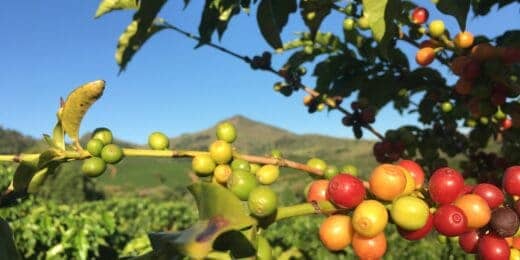

This book will look at the coffee industry and the…

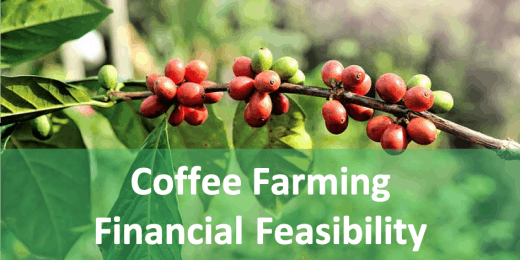
This coffee farm financial feasibility model template prepares a financial…
Sustainability and Profitability in Coffee Farming Financial Plans

Few industries have captured the global imagination quite like coffee farming—a sector steeped in tradition, yet constantly pushing the boundaries of innovation. As one of the planet's most traded commodities, coffee not only fuels our daily routines but also drives economies, providing livelihoods to millions of farmers worldwide. However, navigating the financial landscape of coffee farming is no small feat. Farmers are often caught balancing the scales of sustainability and profitability, a task made ever more challenging by fluctuating global markets and environmental pressures. A well-crafted financial plan, especially one that utilizes sophisticated financial models, can aid in addressing these dual objectives.
Understanding the Unique Financial Landscape of Coffee Farming
The coffee farming industry occupies a unique niche in the global agricultural market. Its significance stems from both its economic contribution and its social impact. Coffee farming supports over 25 million farmers globally, predominantly in developing countries where coffee serves as a crucial source of income. While the sector boasts immense potential, it also grapples with a plethora of challenges, including climatic changes, pest invasions, and volatile market prices, all of which threaten the sustainability and profitability of operations.
Perhaps the most pressing challenges for coffee farmers today are those that entwine sustainability with profitability. Environmentally, coffee farming demands considerable resources—namely land and water. Achieving a harmonious balance between sustainable farming practices and generating reliable profit margins is paramount. Aligning financial plans with sustainable practices ensures longevity while also appealing to a market increasingly driven by green consumerism. Sustainable certifications like Fair Trade and Organic not only support ecological stewardship but often enable farmers to command price premiums. Crafting a financial plan that accommodates these elements facilitates both immediate profitability and long-term sustainability.
Key Performance Indicators for Coffee Farming Financial Plans
Identifying the core metrics that drive profitability and sustainability in coffee farming is vital. Below are the key performance indicators that should be monitored:
- Cost of Production: Understanding and managing the cost of production is foundational to profitability. Typical costs include labor, materials, and equipment; carefully accounting for these expenses is essential. Labor, often the largest expense, particularly in regions where mechanization is limited, should be closely monitored, alongside costs related to materials like fertilizers and pesticides. By tracking these expenditures, farmers can identify inefficiencies and reduce unnecessary spending.
- Yield per Hectare: Yield per hectare fundamentally influences a farm's revenue potential. Coffee yields can vary based on factors such as soil quality, climate, and farming techniques. Improving yield is essential, as higher productivity directly translates to increased revenue. Techniques like crop rotation, intercropping, and adopting new technologies, such as precision agriculture, play a significant role in enhancing yield.
- Quality Metrics: The quality of coffee beans significantly affects their market value. Superior quality often attracts higher prices and can open doors to lucrative markets. Key quality indicators include bean size, flavor profile, and absence of defects. Certifications such as Organic, Rainforest Alliance, and Fair Trade enhance perceived quality and may help farmers obtain price premiums.
- Market Price Fluctuations: Coffee prices are notoriously volatile, influenced by seasonal and cyclical trends. Understanding these patterns helps farmers develop informed pricing strategies and contract decisions. Maintaining flexible financial plans allows farmers to remain resilient against fluctuations, and tools like futures contracts can help mitigate risk.
- Environmental Impact Metrics: Measuring a farm's environmental footprint, such as carbon emissions and water use, is increasingly vital. A low environmental impact often correlates with sustainable practices and can enhance the farm's reputation, while managing water use and striving for minimal carbon emissions can lead to cost savings.
Creating a Financial Plan Tailored to Coffee Farming
Developing a robust financial plan for coffee farming involves meticulous consideration of various components and strategic use of financial models. Below are key components to incorporate:
Components of a Coffee Farm Financial Plan: Setting clear financial goals is the first step in creating a comprehensive financial plan. These goals should be realistic and encompass both short-term earnings and long-term growth objectives. Cash flow management is critical due to the cyclical nature of agriculture; budgeting must account for periods of high and low income to ensure continuity and financial health.
Financial Modeling for Profitability & Sustainability: Financial modeling serves as a pivotal tool for scenario analysis, enabling farmers to gauge their sensitivity to price changes, regulatory shifts, and environmental factors. By leveraging historical data and comprehensive market research, farmers can build projections that are both realistic and aspirational, preparing them to adapt to unexpected challenges.
Use of Financial Ratios: Employing financial ratios allows farmers to assess the overall health of their operations. Ratios such as ROI (Return on Investment) and profitability margins provide insights into the farm's performance, helping to identify strengths and areas for improvement.
Why MS Excel is the Go-To Tool for Coffee Farmers’ Financial Planning
MS Excel has become a preferred tool for coffee farmers’ financial planning due to its accessibility and features:
- Accessibility and Adaptability: Excel templates offer immense customization potential, allowing farmers to tailor financial plans to their unique circumstances.
- Ease of Data Analysis: Excel features such as pivot tables and advanced functions make complex calculations and scenario planning straightforward, aiding in data processing and interpretation.
- Streamlining Reporting and Presentations: Visual representations of data through charts and graphs simplify complex information, facilitating clear reporting for stakeholders.
- Community and Resource Sharing: eFinancialModels offers a wealth of Excel templates specifically designed for coffee farming, enhancing decision-making capabilities.
Conclusion: The Path Toward Sustainable Profitability in Coffee Farming
In conclusion, financial planning is a cornerstone of successful coffee farming, striking a crucial balance between sustainability and profitability. Incorporating industry-specific KPIs into financial assessments guides farmers in making informed decisions. Excel's role in this journey is vital, providing the necessary tools for detailed analysis and strategy development. Coffee farmers are encouraged to harness the potential of financial model spreadsheet templates from eFinancialModels to enhance their planning. Through diligent financial planning and a commitment to sustainability, coffee farmers can thrive, ensuring that their legacies endure for generations to come.
Frequently Asked Questions on Coffee Farming Financial Planning
- What are the key challenges in creating a financial plan for coffee farming? Key challenges include managing production costs, improving yields, maintaining high bean quality, dealing with market price volatility, and minimizing environmental impact.
- How can financial models help in coffee farming? Financial models assist by providing scenario analysis, helping farmers understand the potential impact of market changes, environmental factors, and regulatory shifts on their business.
- Why is MS Excel preferred for financial planning in coffee farming? MS Excel is widely preferred for its customization capabilities, ease of data analysis, and ability to streamline reporting and presentations, making it an essential tool for effective financial planning.