
0 ITEMS

Vegetable Farming Financial Model Excel Template
The Vegetable Farming Financial Model helps users turn a farming concept, expansion plan, or funding proposal into a structured financial forecast. Instead of relying on rough estimates or disconnected spreadsheets, the template brings together the key numbers that drive a vegetable farm, including land allocation, crop yield, harvest cycles, pricing, startup costs, direct production costs, operating expenses, payroll, cash flow, and profitability. It is designed to help users understand whether the farm can generate enough revenue to support its cost structure, fund growth, and reach sustainable returns over time. This financial model template is suitable for entrepreneurs planning a new vegetable farm, existing farm owners evaluating expansion, consultants preparing business plans, analysts building financial projections, and founders seeking bank loans, grants, or investor funding. Users can customize the assumptions to reflect their own crop mix, acreage, yield expectations, market prices, labor plan, equipment purchases, and overhead structure. By linking these assumptions to automated financial outputs, the model supports more practical financial planning and clearer decision-making before major capital is committed. The template helps users forecast revenue assumptions across multiple vegetable categories while also estimating the costs needed to produce, package, deliver, and sell the crops. It includes planning logic for direct costs, operating expenses, payroll, startup investments, cash flow, profitability, and break-even analysis, giving users a full view of how the business may perform under different conditions. This makes it easier to test pricing changes, production scale, staffing levels, and funding needs without rebuilding a model from scratch. Built with editable fields, professional formatting, and investor-ready outputs, the Vegetable Farming Financial Model is useful for internal planning as well as external presentations. It helps users organize their assumptions, review financial statements, monitor performance metrics, and communicate the economics of the farm in a clear and credible way. Whether the goal is to launch a small market garden, scale a diversified vegetable operation, or prepare a funding package, this template provides a ready-to-use framework for financial planning, profitability analysis, and informed business decisions.


Financial Model Overview
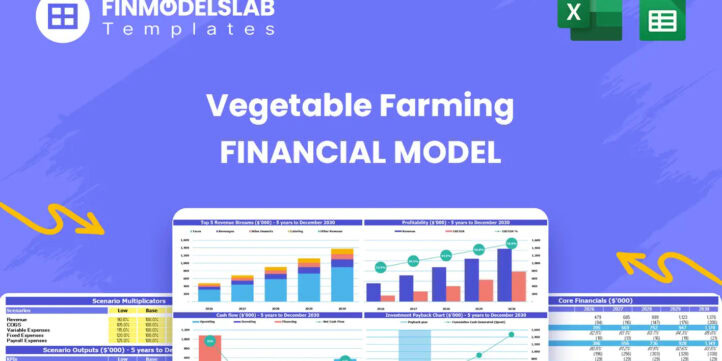
The Vegetable Farming Financial Model is a ready-to-use financial model template created for planning, analyzing, and presenting the economics of a vegetable farming business. It gives entrepreneurs, farm owners, consultants, analysts, and business plan writers a structured way to connect farming assumptions with financial outcomes. A vegetable farm depends on many moving parts, including land use, crop selection, yield per hectare, harvest frequency, market pricing, production loss, packaging, delivery, staffing, equipment, working capital, and seasonal cash flow. This template organizes those assumptions into a practical forecasting framework so users can estimate revenue, costs, profit, cash needs, and funding requirements before launch or expansion. It is built to support business planning, lender discussions, investor presentations, grant applications, and internal decision-making. Instead of starting with a blank spreadsheet, users can work from a customizable model designed around the realities of vegetable farming and adapt it to their own acreage, crop mix, cost structure, and growth strategy.
All-in-One Dashboard
The all-in-one dashboard gives users a central view of the most important inputs and outputs in the Vegetable Farming Financial Model. It is designed to help users quickly review the assumptions that drive the farm, such as cultivated land, crop allocation, pricing, yields, harvest cycles, cost ratios, payroll, capital expenditures, and funding needs. At the same time, it summarizes the key outputs generated by the model, including projected revenue, gross margin, EBITDA, net income, cash balance, payback period, and return metrics. This section is useful because it brings the financial story of the farm into one organized area rather than requiring users to move through multiple worksheets to understand performance. For business owners, it supports quick decision-making and operational review. For investors, lenders, and advisors, it provides a clean starting point for evaluating whether the vegetable farm has realistic revenue potential, manageable costs, and a credible path to profitability.
Low Base and High Scenario Analysis
The low, base, and high scenario analysis section helps users test how the vegetable farming business may perform under different operating and market conditions. Vegetable farms are exposed to changes in yield, weather, crop loss, labor availability, input prices, customer demand, wholesale pricing, delivery costs, and expansion timing. This component allows users to compare a conservative case, expected case, and optimistic case using different assumptions for revenue growth, pricing, production volume, cost efficiency, staffing, and investment needs. The outputs help show how sensitive profitability and cash flow are to changes in the underlying assumptions. For example, users can see how a lower yield or higher packaging cost affects gross margin, or how improved pricing and better land utilization can strengthen cash flow. This is valuable for planning because it reduces reliance on a single forecast and helps users prepare for risk, identify upside potential, and communicate a more balanced financial plan to stakeholders.
Professional Charts and Visual Reports
The professional charts and visual reports section turns the financial forecast into presentation-ready visuals that are easier to understand than raw spreadsheet data. Users can review charts for revenue trends, expense categories, profitability, cash balance, cost structure, revenue mix, and other key performance indicators. These visuals are especially useful when presenting the Vegetable Farming Financial Model to lenders, investors, grant reviewers, partners, or internal teams who need to understand the business quickly. The charts help explain how revenue is expected to grow as cultivated land expands, how margins change as production efficiency improves, and how cash flow develops over the forecast period. This component supports better communication because it translates financial projections into a clear visual story. It can also help users spot issues faster, such as rising overhead, weak margins, or cash pressure during early growth periods, making it a practical tool for both planning and presentation.
ROE Components and DuPont Analysis
The ROE components and DuPont analysis section helps users understand what is driving returns in the vegetable farming business. Return on equity can be influenced by profit margin, asset turnover, and financial leverage, and this component breaks those drivers into more understandable parts. For a vegetable farm, this is useful because returns are affected not only by crop revenue but also by how efficiently assets are used, how much equipment and land investment is required, and how much debt or outside funding supports growth. Users can analyze whether profitability is improving because the farm is earning better margins, using land and equipment more efficiently, or relying on greater financial leverage. This section may use inputs from the profit and loss statement, balance sheet, asset base, equity investment, and debt assumptions to calculate return performance over time. For owners and investors, it provides a deeper view of financial quality and helps evaluate whether growth is creating strong, sustainable returns or simply increasing scale without improving economics.
Revenue Inputs and Crop Assumptions
The revenue inputs and crop assumptions section is one of the core planning areas of the Vegetable Farming Financial Model. It helps users build the revenue forecast from the actual operating drivers of a vegetable farm, including hectares under cultivation, crop categories, land allocation, yield per hectare, harvest frequency, expected yield loss, selling price per kilogram, and annual production volume. Rather than entering one broad revenue number, users can model revenue from the ground up by crop type. For example, tomatoes, leafy greens, root vegetables, peppers, and other produce categories can each have different acreage, yield expectations, harvest cycles, and pricing assumptions. The model then calculates gross production, saleable volume after loss, and total revenue by crop. This is useful for planning because it connects farming strategy directly to financial results. It helps users decide which crops are most attractive, whether the planned acreage can support revenue goals, and how pricing or yield changes affect total farm income.
Bank-Ready Financial Reports
The bank-ready financial reports section provides professional financial outputs that are suitable for lender, investor, and stakeholder review. This component typically includes forecasted profit and loss statements, cash flow projections, balance sheet summaries, assumptions, and key financial metrics. For a vegetable farming business, these reports help demonstrate how the farm expects to generate revenue, manage costs, fund equipment and land needs, and maintain enough liquidity to operate through seasonal cycles. Lenders often want to see whether the business can repay debt, maintain cash reserves, and support owner compensation while still investing in growth. Investors and grant committees may want to understand profitability, payback period, capital requirements, and operating risk. This section supports those needs by presenting the model’s outputs in a clear and structured format. It helps users move beyond informal planning and create a more credible funding document that aligns with the expectations of banks, agricultural finance providers, and professional stakeholders.
Revenue Breakdown by Crop Stream
The revenue breakdown by crop stream section gives users a detailed view of how each vegetable category contributes to total income. This is important because not all crops have the same economics. Some crops may produce high yield but lower pricing, while others may require more careful handling but command higher margins. This component helps users analyze revenue by crop, compare contribution levels, and understand concentration risk within the farm’s income stream. It may use inputs such as cultivated area, crop allocation percentage, yield per hectare, number of harvests, saleable output, and selling price. The outputs can show revenue by crop type, percentage of total revenue, and how each category changes over the forecast period. This helps users make better decisions about crop planning, pricing strategy, sales channels, and land allocation. It is also useful for explaining the business model to stakeholders because it shows exactly where the farm’s revenue is expected to come from rather than presenting one aggregated sales figure.
KPI Dashboard and Benchmarking
The KPI dashboard and benchmarking section helps users track the performance metrics that matter most in a vegetable farming business. This may include gross margin, EBITDA margin, net profit margin, revenue per hectare, yield performance, cost of goods sold as a percentage of revenue, payroll as a percentage of revenue, operating expense ratios, cash balance, payback period, return on equity, and other financial indicators. The section can also help users compare their assumptions and outputs against typical industry expectations or target benchmarks. This is valuable because farming plans can look attractive on paper if assumptions are too optimistic, but KPIs help test whether the forecast is realistic. Users can review whether direct costs are in line with expected production economics, whether overhead is too high for the current farm size, and whether profitability improves as the farm scales. For decision-making, the KPI dashboard gives owners and advisors a concise way to monitor financial health, validate assumptions, and identify areas that need adjustment.
Startup Cost and Capital Expenditure Planning
The startup cost and capital expenditure planning section helps users estimate the initial investment required to launch or expand the vegetable farming operation. A vegetable farm may require major upfront spending before meaningful revenue is generated, including tractors, delivery vehicles, irrigation systems, greenhouses, tools, storage equipment, packing facilities, land preparation, deposits, licenses, technology, and initial working capital. This component allows users to list and customize these items, assign costs, schedule purchases, and understand how much funding is needed before the business can operate at the planned scale. It is useful because startup costs are often underestimated, and missing a major equipment or infrastructure requirement can create cash flow pressure early in the project. The model can connect these capital expenditures to depreciation, cash flow, funding requirements, and balance sheet planning. For entrepreneurs and farm owners, this section supports more accurate budgeting. For lenders and investors, it helps explain exactly how funding will be used and why the requested capital is necessary.
Break-Even Analysis
The break-even analysis section helps users identify when the vegetable farming business may become profitable and what level of revenue or production is required to cover its cost structure. It uses assumptions from revenue, direct costs, operating expenses, payroll, and fixed overhead to estimate the point where income is sufficient to offset expenses. For a vegetable farm, this is especially important because revenue may build gradually as acreage expands, harvest cycles mature, and sales channels develop, while many costs begin immediately. The break-even view helps users understand whether their pricing, yield, crop mix, and land allocation are strong enough to support the planned staffing and overhead. It can also help test operational decisions, such as whether to add more field workers, lease additional hectares, buy equipment, or delay expansion until sales volume improves. This component supports funding discussions by showing the expected path to profitability and giving stakeholders a clearer sense of timing, risk, and required operating discipline.
Cash Flow and Funding Requirements
The cash flow and funding requirements section helps users understand how much cash the vegetable farm may need, when that cash is needed, and whether the business can maintain adequate liquidity throughout the forecast period. Vegetable farming often involves early spending on land, labor, seeds, fertilizer, packaging, equipment, irrigation, delivery, and overhead before revenue is fully collected. This component brings together operating cash flow, capital expenditures, working capital needs, debt, equity funding, and ending cash balance to show the financial runway of the business. Users can review the lowest cash point, estimate the amount of outside funding required, and assess whether the farm has enough cushion to handle delays, lower yields, or higher costs. The outputs are useful for planning loan requests, investor asks, grant funding needs, and internal cash management. For decision-making, this section helps users avoid undercapitalization, time their investments more carefully, and build a more realistic funding strategy for launching or scaling a vegetable farming operation.
File types:
Excel – Single-User: .xlsx
Excel – Multi-User: .xlsx
Similar ProductsOther customers were also interested in...


 HenrySheykin
Organic Gardening Financial Model Excel Template
The Gardening Service Financial Model helps users turn a lawn care, garden maintenance, or horticult... Read more
Mushrooms Farming Financial Model Excel Template
The Mushroom Farming Financial Model helps entrepreneurs, growers, business owners, consultants, and... Read more
Fruits Farming Financial Model Excel Template
The Fruit Farming Financial Model helps users turn a fruit farm concept, orchard expansion, or agric... Read more
Cotton Growing Financial Model Excel Template
The Cotton Farming Financial Model Financial Model Template helps entrepreneurs, farm owners, consul... Read more
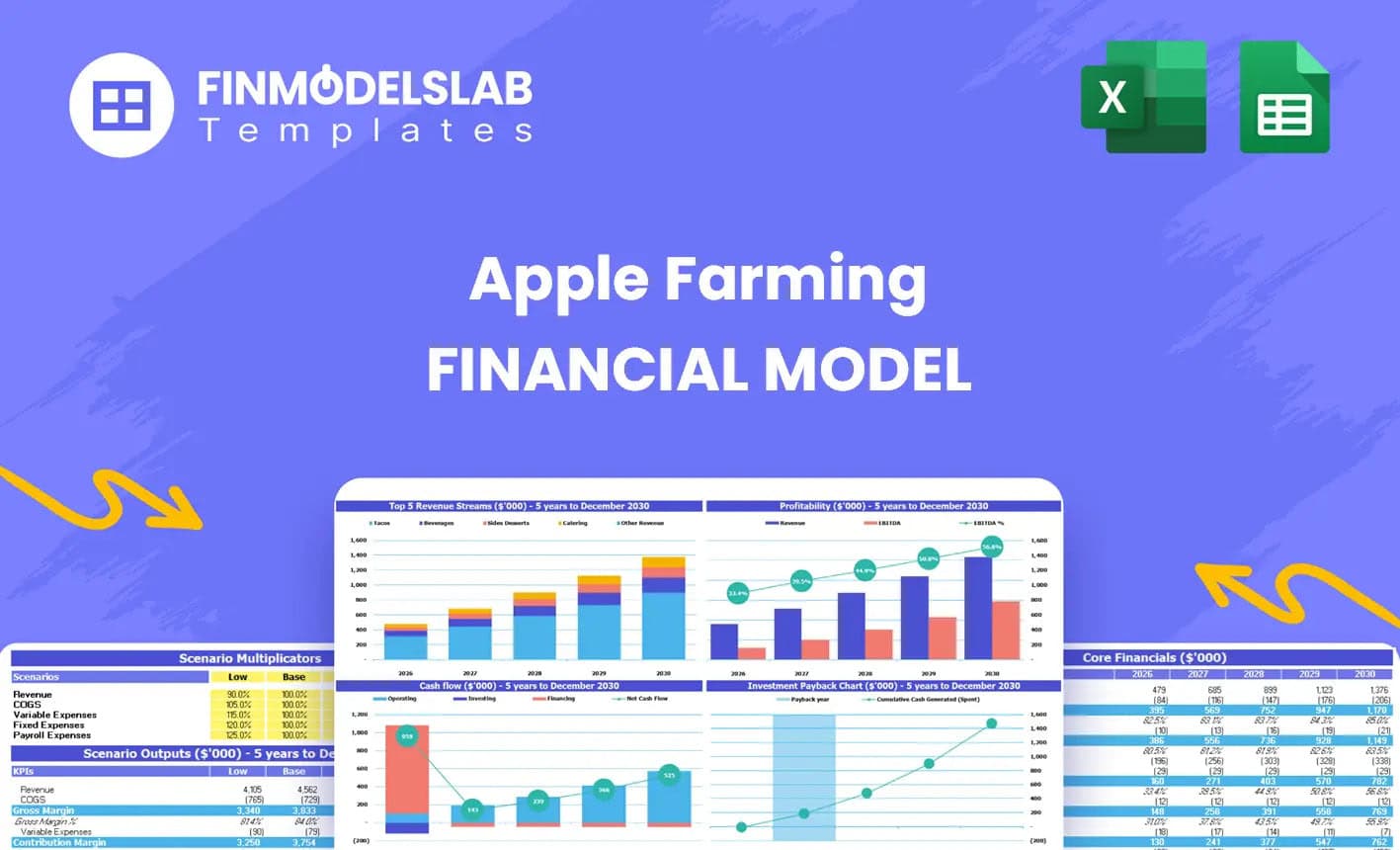
Apple Farming Financial Model Excel Template
The Apple Farming Financial Model helps users turn an orchard business plan into a structured, edita... Read more
 Andreas
Olive Orchard Business – DCF 10-Year Financi...
The Olive Orchard Financial Model is a comprehensive tool tailored to analyze the financial aspects ... Read more
 Giorgos
Greenhouse Financial Model – Dynamic 10 Year For...
If you want to start a Greenhouse from scratch or you need a sample Greenhouse business plan templat... Read more

Crop Farm Financial Model – Dynamic 10 Year Fore...
If you want to start a crop farm from scratch or you need a sample crop farm business plan template,... Read more
Sunflower Farm & Oil Processing Plant Financia...
Sunflower is not only one of the most important oil seed crops, but it is also a major source of con... Read more
 Luigi R.
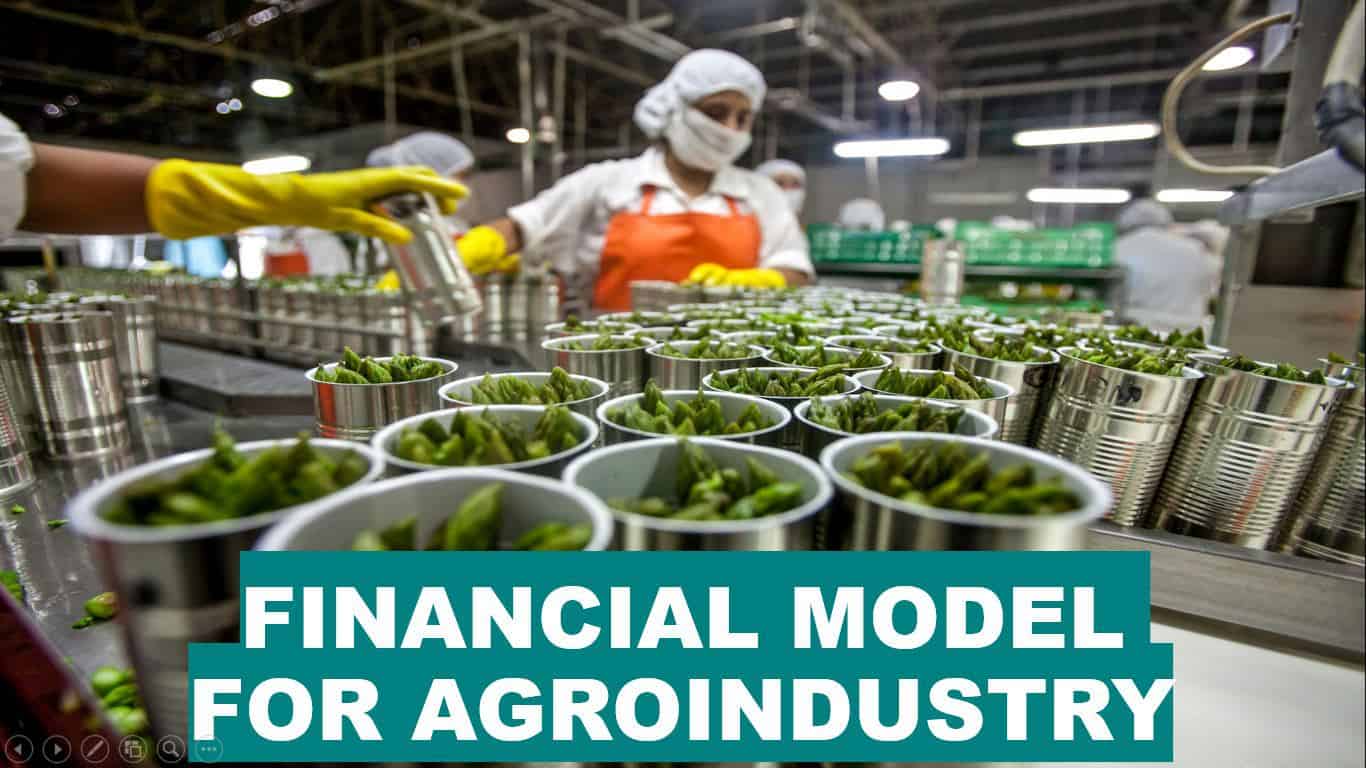
Financial Model for AGROINDUSTRY
The financial model I have built contains all the advanced corporate finance concepts referring to a... Read more
You must log in to submit a review.