
0 ITEMS

Revenue Projections
Revenue projections are forecasts of a company's future revenue based on current trends, market analysis, and strategic planning. Our financial model templates include robust tools for revenue projections, helping businesses plan for growth and manage resources effectively.
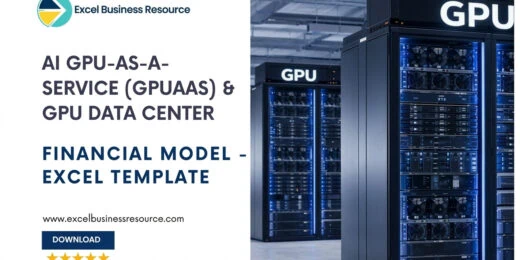

An institutional-grade 10-year Excel financial model template for AI GPU-as-a-Service…
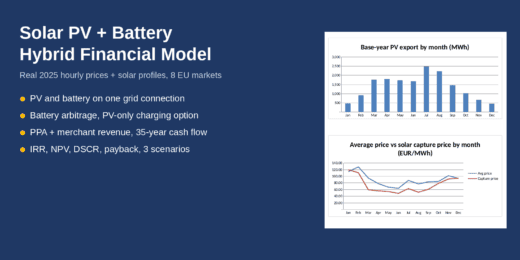

A co-located solar PV + battery storage financial model built…
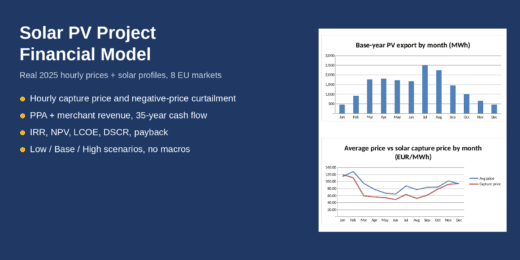
A solar PV project financial model built on real 2025…
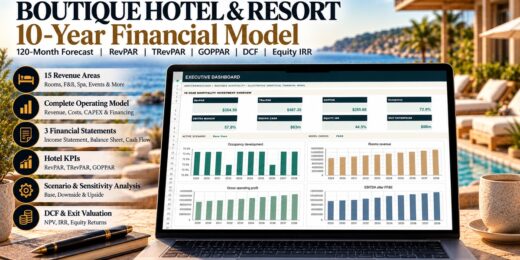

Evaluate boutique hotel and resort economics with an editable 120-month…
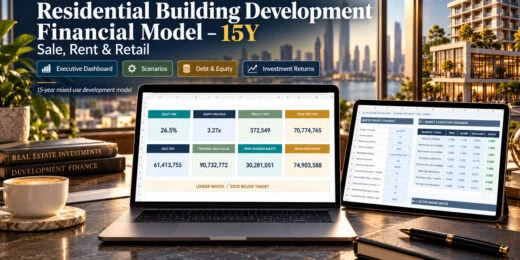
A 180-month residential and mixed-use development financial model combining unit…
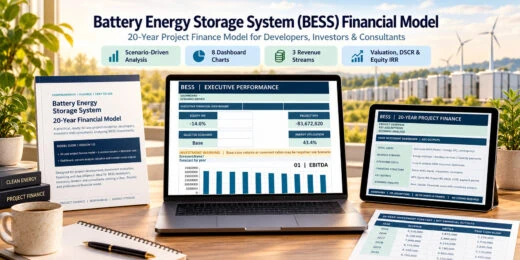
Standalone BESS Excel project finance model with 240 monthly forecasts,…
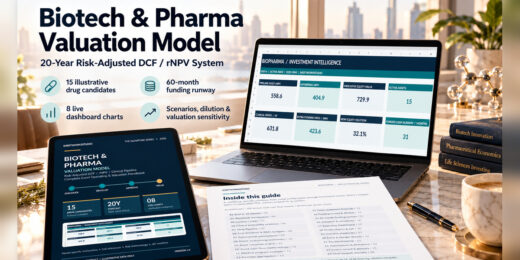
20-year Excel biotech valuation model for 15 drug candidates with…
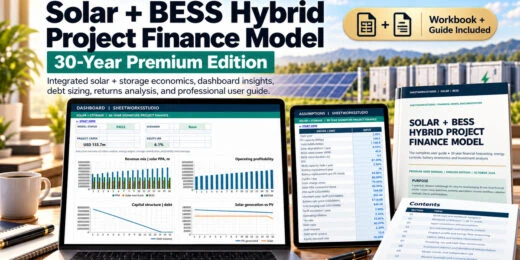
30-year Solar PV + BESS Excel project finance model with…
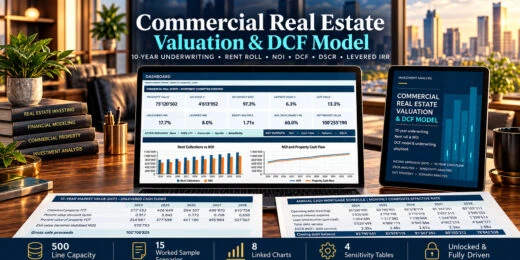
10-year commercial property underwriting model with 500-row rent roll, lease…


Build a lender-ready and operator-ready view of a padel club…
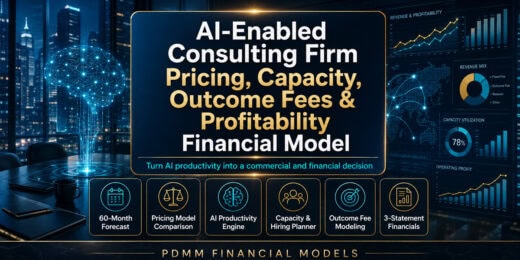
Turn AI productivity into a commercial and financial decision Consulting…

A Business Development Company can report attractive investment yields and…

🚚☕ Build a five-year operating and financial plan for a…

🧠 Evaluate a psychedelic-therapeutics company with an integrated 32-sheet, 12-year…

Evaluate a vertical farm from canopy design to enterprise value…

Build and evaluate the full economics of an Insurance MGA…
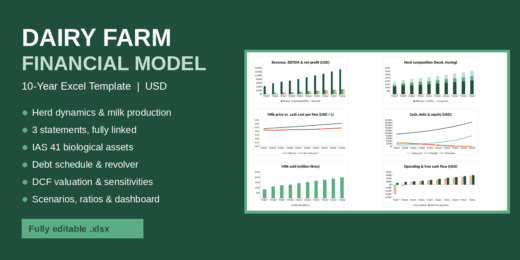

A complete, fully linked Excel financial model for dairy farms,…
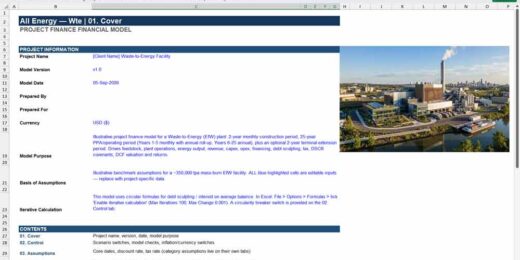

Excel financial model designed to evaluate the financial feasibility, profitability,…
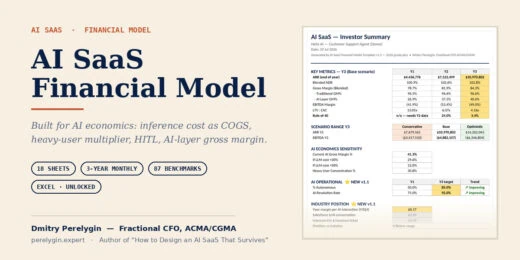

A three-year monthly financial model for AI SaaS startups, built…
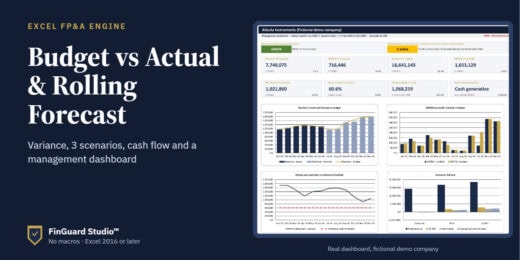

A complete monthly financial planning system for SMEs and finance…

15-year financial model for a tea farm providing forecasts, profitability…

10-year financial model for a Wave Energy plant providing forecasts,…

15-year financial model for a sustainable aviation fuel plant providing…

Connect census, payer economics, staffing, revenue cycle, and cash flow…
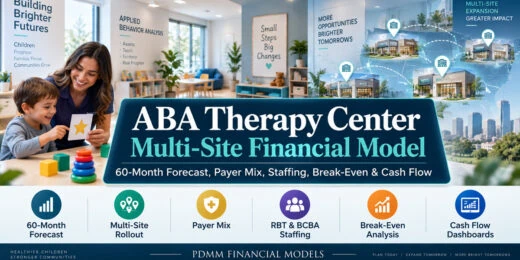
Build a 60-month operating and financial plan for an ABA…
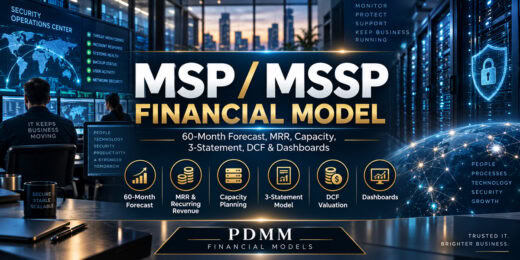
MSP / MSSP Financial Model - 60-Month Forecast, MRR, Capacity,…
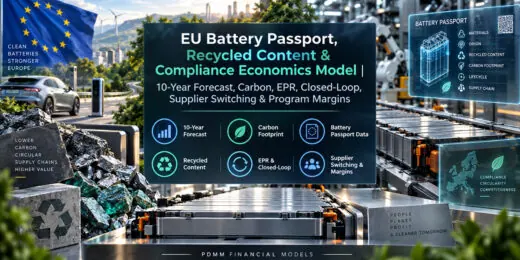
EU Battery Passport, Recycled Content & Compliance Economics Model 🔋…

AI Data Center Power Procurement & Behind-the-Meter Generation Model ⚡…
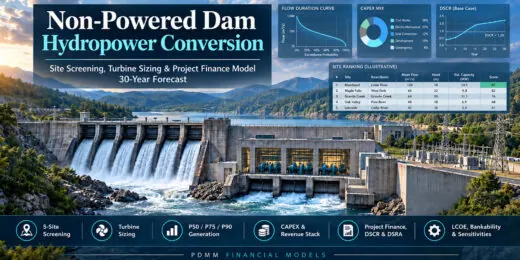
Turn an existing non-powered dam opportunity into a structured investment…

⚖️ Litigation Finance Portfolio Model Build a portfolio-level underwriting and…

⚡ Model the grid-connection decision before delay, network upgrades, deposits,…
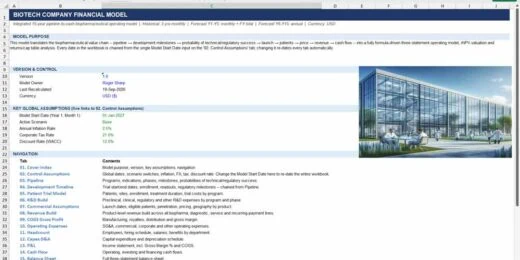
Model the entire drug development lifecycle, from preclinical research through…
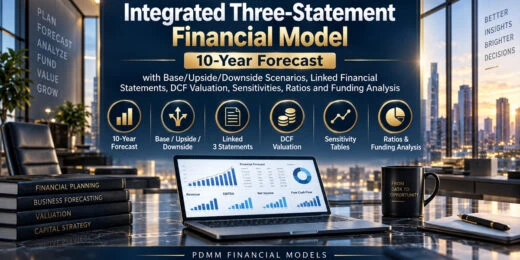
Integrated Three-Statement Financial Model - 10-Year Forecast 📊 What this…
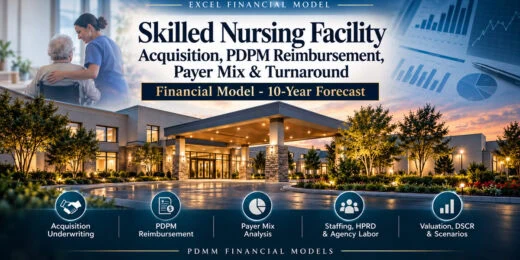
🏥 Skilled Nursing Facility Acquisition & Turnaround Decision Model Underwriting…

🏨 Extended-Stay Hotel Development, Conversion, Length-of-Stay & Debt Financial Model…

Model the economics, reserve architecture, liquidity resilience, regulatory capital, financial…

Build a complete 60-month operating and financial plan for a…
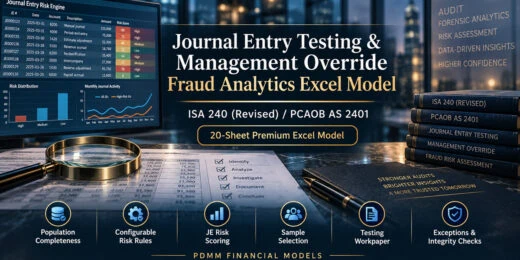
The workbook is designed for external audit, internal audit, forensic…

Build a decision-ready business plan for a roller skating rink…
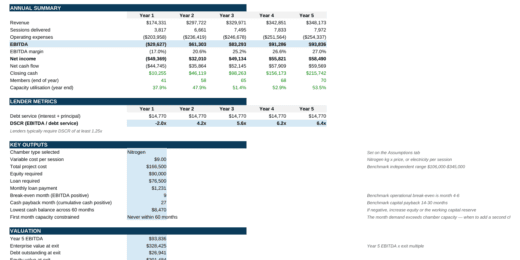

A financial model built specifically for whole-body cryotherapy and recovery…

Build a complete five-year view of a street-front mobile phone…

🎓 Private Tutoring Center Financial & Operating Model - 5-Year…
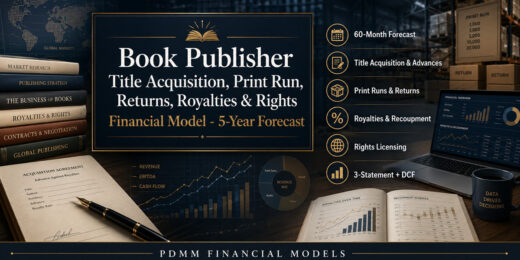
Turn manuscript, print-run and rights decisions into a connected 60-month…

Airbnb / Short-Term Rental Property Management Financial Model - 5-Year…
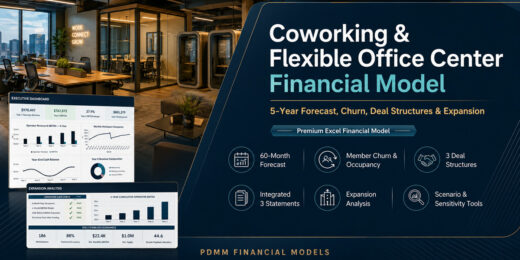
Build a complete five-year operating and financial view of a…
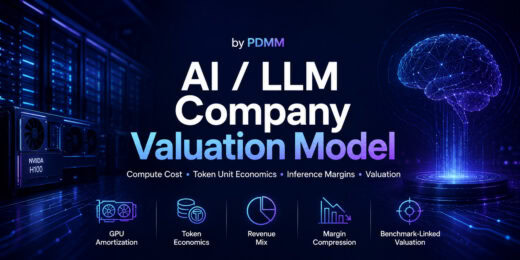
🔥 Premium AI / LLM Company Valuation Financial Model A…
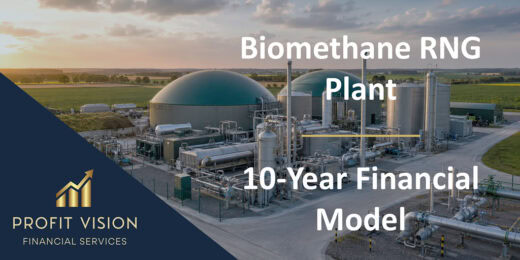
10-year financial model for a biomethane RNG plant providing forecasts,…

15-year financial model for a rice farm providing forecasts, profitability…

A ready-to-use Battery as a Service (BaaS) Financial Model Template…
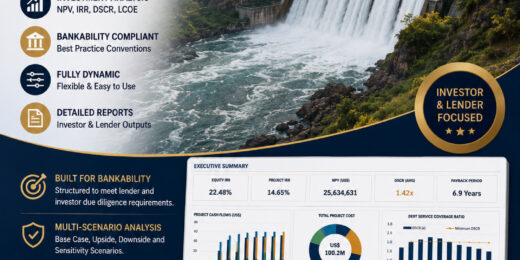

Small Hydropower Bankable Financial Model — Summary This is a…
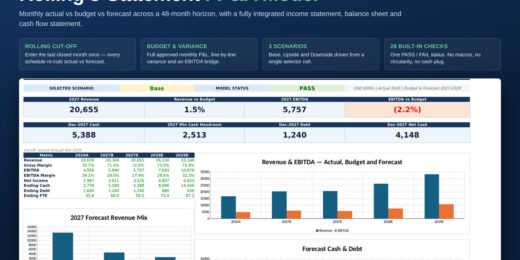

Integrated Base, Upside and Downside scenario framework with a selected-scenario…

Plan and forecast your film production business with a ready…
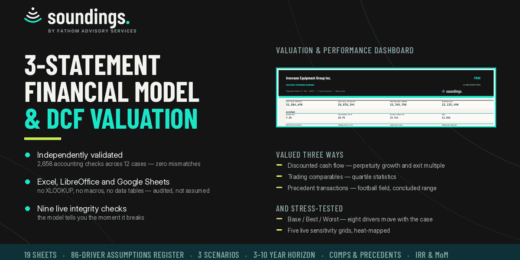

An integrated three-statement operating model valued three ways: discounted cash…
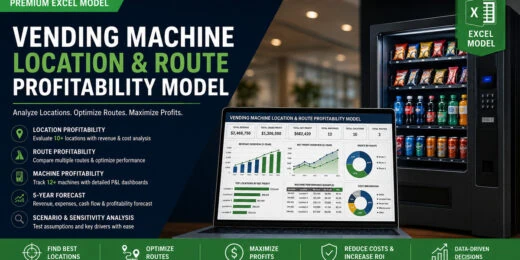
Evaluate a vending-machine business from individual machine economics to location…


Underwrite multifamily deals the way institutional buyers do — without…

Premium Private School & University Financial Model designed for integrated…
Premium 30-year Oil & Gas Upstream and Downstream Financial Model…

Premium TCFD / ISSB Physical Climate Risk Financial Model designed…

Premium Green Hydrogen Production Levelized Cost of Hydrogen model for…

🚀 Premium eVTOL / Urban Air Mobility Financial Model A…
Crafting Accurate Revenue Projections for Financial Success

In today’s competitive business landscape, financial success hinges on the ability to accurately forecast future revenues. Revenue projections are the backbone of strategic planning and enable businesses to chart a path towards sustainable growth. By crafting precise revenue forecasts, companies can make informed decisions, allocate resources wisely, and position themselves ahead of the curve. Accurate revenue projections not only guide the strategic decisions of top management but also instill confidence among investors and other key stakeholders. They serve as a financial compass, enabling businesses to foresee potential obstacles and capitalize on emerging opportunities.
The significance of revenue projections extends beyond simple forecasting; they are critical for maintaining alignment with business objectives and ensuring a healthy cash flow. When revenue projections are off the mark, businesses may suffer from misallocated resources, missed opportunities, and financial woes that could have otherwise been avoided. Inaccurate forecasts can lead to cash flow constraints, misaligned business strategies, and compromised stakeholder trust. Therefore, developing and maintaining accurate revenue projections is not just beneficial but essential for driving business success in a rapidly changing economic environment.
Understanding the Importance of Accurate Revenue Projections
Revenue projections play a pivotal role in the financial planning process by allowing businesses to map out their financial future. These projections help delineate a roadmap for achieving long-term objectives and short-term targets. They inform a wide array of strategic decisions, from marketing initiatives to operational investments, ensuring that all aspects of the business are aligned towards common goals. By grounding business strategies in well-founded revenue projections, organizations can optimize their financial resources and effectively mitigate risks.
Accurate projections are indispensable for key stakeholders, including investors, management teams, and financial analysts, who rely on these forecasts to gauge the company’s potential and strategic direction. Investors, for instance, assess revenue projections to determine the viability and profitability of their investments—accurate forecasts can thus secure essential financial backing. Conversely, management uses these projections to evaluate performance, adjust strategies, and make crucial operational decisions. Inaccurate revenue projections can have dire consequences, leading to missteps that jeopardize business goals and create cash flow issues. An unexpected shortfall in revenue can strain financial resources, forcing businesses to curtail operations, delay projects, and lose competitive advantage.
Key Performance Indicators (KPIs) for Revenue Projections
For accurate revenue projections, businesses need to focus on industry-specific Key Performance Indicators (KPIs) that provide insights into potential revenue streams. One crucial KPI is the Customer Acquisition Cost (CAC), which measures the cost of acquiring new customers and is essential for evaluating marketing efficiency. Another important metric is Customer Lifetime Value (CLV), which assesses the total revenue generated from a customer over the span of their relationship with the company, offering a comprehensive view of revenue potential.
Average Revenue Per User (ARPU) is another vital KPI, determining the revenue generated per customer, which helps identify trends and growth opportunities. Monitoring the Churn Rate is equally important as it measures the percentage of customers who discontinue their service or product and can indicate underlying issues affecting customer satisfaction. The Sales Conversion Rate, reflecting the percentage of leads that result in sales, is a direct indicator of revenue generation efficiency. Lastly, the Market Penetration Rate shows the extent to which a product or service has captured its target market, providing insights into potential growth areas.
Each KPI contributes to a nuanced understanding of revenue trends and potential. For instance, a high CLV coupled with low CAC indicates a strong path towards profitability, while a rising churn rate might signal a need for strategic adjustments. By diligently tracking these KPIs, businesses can refine their revenue projections and align their strategies to maximize financial performance. For assistance in tracking these metrics, you might consider using our financial model templates.
Techniques for Building Robust Revenue Models
Crafting a robust revenue model entails using a combination of methodologies to create comprehensive and reliable forecasts. Two primary approaches to consider are Top-Down and Bottom-Up analysis. The Top-Down approach starts with market size estimations and works downward to project potential revenues, while the Bottom-Up approach builds from internal data to predict future earnings. Both methods offer unique insights and should be used complementarily for a more balanced view.
Historical Data Analysis is another cornerstone of revenue modeling, leveraging past performance to forecast future results. This technique considers trends, seasonal variations, and historical growth rates to create a solid foundation for revenue projections. Market Research and Competitive Analysis further enhance projections by providing a macro view of industry dynamics, competitor performance, and market trends. By understanding the broader market landscape, businesses can better gauge their revenue potential.
Scenario Planning, involving Best Case, Worst Case, and Realistic Projections, is essential for anticipating various future outcomes. This technique allows businesses to prepare for a range of possibilities and develop contingency plans, enhancing strategic flexibility. Employing multiple approaches ensures that projections are comprehensive and resilient, safeguarding against unforeseen market shifts and internal challenges.
Leveraging MS Excel Templates for Effective Financial Planning
Excel-based financial modeling templates offer numerous advantages for crafting accurate revenue projections. One of the greatest benefits is their flexibility, allowing models to be tailored to specific business contexts and industry requirements. This adaptability makes Excel a preferred tool for financial professionals, enabling bespoke solutions that address unique business challenges. Additionally, the familiarity of Excel reduces the learning curve for most users, facilitating a more efficient modeling process.
Excel’s capability for real-time updates is another major advantage, allowing businesses to adjust figures dynamically as new data becomes available. This functionality ensures that revenue projections remain current and relevant in evolving market conditions. Furthermore, Excel's robust charting and graphing tools enable clear and effective visualization of financial data, aiding in the presentation and communication of complex projections.
Pre-built templates from eFinancialModels offer a practical solution for businesses seeking to streamline their revenue forecasting process. These templates provide readily-available frameworks designed specifically for industry needs, saving significant time and effort in model development. Moreover, their integration with advanced data analysis tools enhances decision-making capabilities, empowering businesses to derive actionable insights with ease.
Conclusion: Charting a Path Towards Financial Success
In conclusion, precise revenue projections are invaluable for sustaining business growth and achieving financial success. They are crucial for aligning business strategies, optimizing resource allocation, and maintaining stakeholder trust. By focusing on key KPIs, employing diverse modeling techniques, and leveraging Excel templates, businesses can build robust forecasts that drive strategic decisions and enhance financial planning. Structured financial modeling approaches, such as those offered by eFinancialModels, equip businesses with the tools and insights necessary to navigate the complexities of revenue forecasting.
As businesses strive for success in a competitive market, adopting reliable and accurate revenue projection methods is more important than ever. We invite you to explore the comprehensive suite of financial model spreadsheet templates available at eFinancialModels to unlock your potential in strategic financial planning. Whether you are looking to optimize your current processes or build sophisticated models from scratch, our resources can provide the expertise and solutions necessary to chart a path towards continued financial success.
Frequently Asked Questions on Revenue Projections and Financial Success
- What are revenue projections, and why are they important? Revenue projections are estimates of a company’s future sales and income. They are crucial because they guide strategic planning, help allocate resources, and maintain stakeholder confidence.
- How do accurate revenue projections benefit a business? They help align business strategies, optimize resource allocation, ensure healthy cash flow, and maintain trust with investors and other stakeholders.
- What key performance indicators (KPIs) are essential for revenue projections? Important KPIs include Customer Acquisition Cost (CAC), Customer Lifetime Value (CLV), Average Revenue Per User (ARPU), Churn Rate, Sales Conversion Rate, and Market Penetration Rate.
- What techniques are effective for building revenue models? Techniques include Top-Down and Bottom-Up analysis, Historical Data Analysis, Market Research, Competitive Analysis, and Scenario Planning.
- Why is Excel a popular tool for financial modeling? Excel is popular due to its flexibility, familiarity among users, ability to offer real-time updates, and robust visualization tools, making it ideal for revenue projection and financial planning.
- How can pre-built Excel templates assist businesses in revenue forecasting? These templates provide ready-made frameworks, saving time and effort while allowing for industry-specific customizations and integrations with advanced data analysis tools.