
0 ITEMS

Financial Debt
Financial debt refers to the total amount of money borrowed and currently owed by a company. Managing financial debt is crucial for maintaining financial stability and growth. We offer financial model templates that help you manage and analyze your financial debt, ensuring optimal capital structure.


EU Battery Passport, Recycled Content & Compliance Economics Model 🔋…

⚡ Model the grid-connection decision before delay, network upgrades, deposits,…

🔥 Premium AI / LLM Company Valuation Financial Model A…


A ready-to-use Battery as a Service (BaaS) Financial Model Template…

Plan and forecast your film production business with a ready…
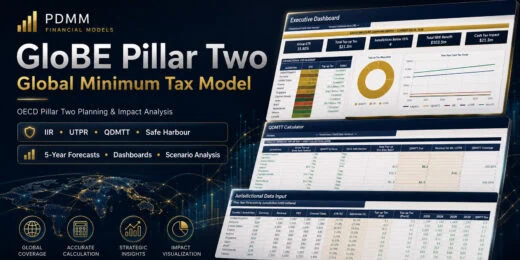
A 30-module editable Excel model for multinational Pillar Two analysis,…

Premium Private School & University Financial Model designed for integrated…

Premium 30-year Oil & Gas Upstream and Downstream Financial Model…

Premium TCFD / ISSB Physical Climate Risk Financial Model designed…

🔥 Premium Tokenomics & Web3 Token Launch Financial Model A…

Premium Green Hydrogen Production Levelized Cost of Hydrogen model for…

🚀 Premium eVTOL / Urban Air Mobility Financial Model A…

A premium Nuclear Fusion Project Finance Model designed for evaluating…

🚘 Premium Autonomous Vehicle / Robotaxi Fleet Operations Financial Model…

Evaluate a Buy Now Pay Later platform from transaction growth…


10-year financial model for a meat processing facility providing forecasts,…

A specialized Excel valuation model for longevity and anti-aging biotechnology…

An integrated IFRS 16 lessee model for lease-level measurement, portfolio…

An integrated 10-year real estate portfolio model for underwriting and…

An institutional-style, fully editable model for probability-adjusted pharmaceutical valuation, commercial…

A decision-ready U.S. clean-energy tax-credit model for evaluating post-OBBBA §48E…

Build, compare and stress-test five major Sukuk structures in one…


Versatile 3-Statement financial model to project and analyse fundraising strategies,…

Professional oil and gas modeling bundle with two fully editable…

A professional Excel financial model for residential building development projects…

The Data Center Development Financial Model by PDMM is a…

🏦 Leveraged Buyout Financial Model Bundle — Lite + Pro…

🚀 A professional Private Equity Buy-and-Build Roll-Up M&A Financial Model…

This Excel model is built for a hybrid P2P +…

A complete, editable Veterinary Clinic Financial Model Pro built for…

Plan, forecast and value a full-service events company with this…

A professional Excel-based IFRS 9 Expected Credit Loss model designed…


A bankable, institutional-grade LBO & acquisition model in Excel —…

🚀 Premium Creator Economy Multi-Platform Revenue Financial Model, A professional…

⚡ Premium Voluntary Carbon Market (VCM) Project Developer Financial Model,…

Poultry Farm Financial Model – 10-Year Forecast, Valuation, Feasibility &…

🚀 AI GPU-as-a-Service / AI Compute Data Center Financial Model…
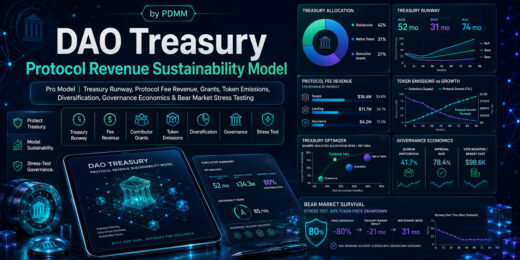
🚀 Premium DAO Treasury & Protocol Revenue Sustainability Financial Model.…
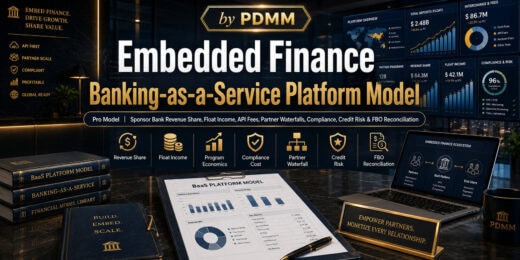
🚀 Premium Embedded Finance / Banking-as-a-Service Platform Financial Model. A…

A premium Excel financial model bundle created by PDMM for…

Plan, finance, and optimize an EV fleet depot charging project…

A professional PFAS Water Treatment & Remediation Financial Model created…

Direct Air Capture Financial Model – Carbon Removal Credits, MRV, Offtake, Storage & Project Finance
A professional Direct Air Capture financial model built for durable…


The Mortgage Payment Scenario Calculator is a comprehensive Excel model…

10-year financial model for a game streaming platform providing forecasts,…

10-year financial model for a convention center or expo hall…


Institutional-grade multi-tranche debt schedule in Excel: Revolver, Term Loan A/B,…

A professional Excel financial model for planning, forecasting, valuing, and…

A professional Excel financial model for commercial airline planning, aircraft…

A professional Solar + Battery Energy Storage System (BESS) financial…

A professional 5-year integrated financial statements Excel model designed for…

The Waterfall Profit Distribution Model – Up to 4 Tiers…

The Manufacturing Startup Feasibility Financial Model by PDMM is a…

A premium salary-based microfinance lending financial model package built for…

This professional Excel template helps users evaluate a microfinance, digital…

A professional biotech and pharma startup financial model package built…

A ready-to-use Equipment Rental Marketplace Financial Model Template delivering dynamic…
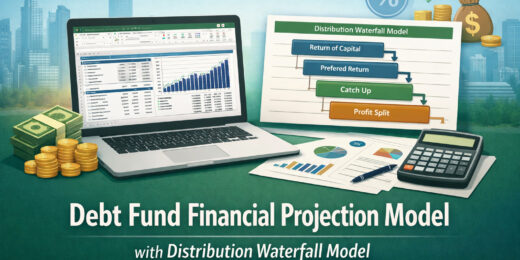
A professional Excel financial model suite for debt funds, built…

A professional Excel financial model suite for nuclear power plant…

A professional Excel financial model suite for airport projects and…
Crafting Resilient Financial Plans for Financial Debt Success

Navigating the complexities of financial debt requires a strategic approach backed by solid financial planning. The financial debt landscape is vast and multifaceted, playing a crucial role in both personal finance and corporate strategy. It encompasses everything from personal credit card debt to large-scale corporate loans, each with unique characteristics and implications. Effective financial planning is absolutely essential for success in this sector, providing a roadmap to manage obligations, minimize risks, and optimize financial health. In this context, sophisticated financial modeling tools become indispensable, offering clarity and precision in crafting strong financial plans that can withstand economic uncertainties.
Financial debt management is more than just settling debts; it's an ongoing process that involves forecasting, analyzing, and strategizing to maintain long-term financial stability. It's here that financial modeling tools deliver tremendous value, enabling detailed scenario analysis, stress testing, and the creation of dynamic financial plans. By leveraging these tools, individuals and organizations can craft resilient financial plans that not only address immediate debt obligations but also align with broader financial goals.
Comprehending Key Performance Indicators for Informed Debt Strategies
The next essential element in effective financial debt management involves understanding Key Performance Indicators (KPIs). These metrics provide insights into financial health and guide strategic decisions critical for successful debt planning. Understanding these indicators helps in shaping effective debt management strategies. Among the most important KPIs are:
Debt-to-Income Ratio (DTI): The DTI ratio is a measure of liquidity and financial health, calculated by dividing monthly debt payments by gross monthly income. It evaluates an individual's or organization's ability to manage debt repayments with available income. A lower DTI ratio generally indicates better financial health and meets lender-qualifying requirements more readily.
Loan-to-Value Ratio (LTV): This ratio assesses the risk level associated with secured loans, calculated by dividing the loan amount by the appraised value of the asset. A lower LTV ratio suggests lower risk to lenders, often resulting in more favorable loan terms. Understanding LTV is key for those involved in real estate or collateral-backed borrowing.
Debt Service Coverage Ratio (DSCR): DSCR evaluates an entity's cash flow relative to its debt obligations, calculated by dividing net operating income by debt service. It measures the ability to cover debt and interest payments from earnings. A DSCR greater than one indicates sufficient income to cover debt service, while a lower ratio suggests financial precariousness.
Average Collection Period (ACP): ACP gauges the efficiency of debt collection by measuring the average number of days it takes to collect outstanding receivables. A shorter ACP reflects efficient collection processes, improving cash flow and liquidity. This KPI is particularly relevant for businesses with significant accounts receivable.
These KPIs are invaluable for financial planning by providing a numeric representation of financial health, risk exposure, and operational efficiency. They inform decision-making processes by highlighting areas of strength and identifying potential vulnerabilities. For instance, a declining DSCR might prompt an organization to rethink its debt structuring or boost efforts to enhance cash flow. By using these metrics, entities can better assess their financial position, ensuring that debt management strategies are not only reactive but also proactive and reflective of broader fiscal goals. For an in-depth exploration of KPIs, consider our financial performance metrics guide.
Key Components of a Robust Financial Model
A robust financial model is the cornerstone of effective debt management, serving as a comprehensive tool that integrates financial data, assumptions, and forecasts into a cohesive framework. Key components of a strong financial model include:
Input Assumptions: Accurate and realistic input assumptions are the foundation of any financial model. Critical inputs such as interest rates, payment terms, and economic forecasts must be carefully considered to reflect the complexities of the financial debt environment.
Cash Flow Projections: Reliable cash flow forecasts are pivotal as they determine the ability to meet debt obligations. These projections help in managing repayments, scheduling, and ensuring sufficient cash is available to cover interest and principal payments. For more on creating cash flow forecasts, check our cash flow forecast models.
Scenario Analysis: This involves modeling different debt repayment scenarios—optimistic, pessimistic, and base cases—to account for variability in interest rates, income fluctuations, and other uncertainties. Scenario analysis prepares entities to face various outcomes systematically.
Stress Testing: Financial models should include stress testing to evaluate performance under adverse conditions, such as economic downturns or spikes in interest rates. It helps in understanding how sensitive the financial plan is to changes, ensuring readiness for market fluctuations.
These components collectively feed into a resilient financial plan by providing a detailed and dynamic picture of financial health under various conditions. By incorporating them, stakeholders can craft strategies that are not only responsive to current demands but also resilient against future uncertainties. This ability to adjust plans based on reliable models reduces risk, enhances decision-making, and supports sustainable financial practices.
Benefits of Using Excel Templates in Debt Management
Excel spreadsheet templates are invaluable tools in financial debt planning, offering a versatile and accessible platform for building and managing financial models. The advantages of using Excel templates in this domain are significant:
Customization: Excel allows for tailored financial models that reflect unique business circumstances and requirements. Users can adjust parameters, create custom formulas, and integrate specific datasets, ensuring that models accurately represent individual conditions. Explore our Excel financial model templates to get started.
Data Visualization: With tools for creating charts and dashboards, Excel makes it easy to visualize financial data. Visual representations enhance interpretability, allowing users to grasp complex financial metrics at a glance and communicate findings effectively.
Sensitivity Analysis: Excel's built-in functions facilitate the assessment of how changes in key assumptions impact financial outcomes. Sensitivity analysis becomes straightforward, enabling users to explore various scenarios and prepare for different financial situations.
Ease of Use: Excel is a user-friendly environment suitable for professionals at various skill levels, from novices to experienced analysts. Its familiar interface and intuitive functionality make it accessible while providing powerful analytical capabilities.
Countless industry professionals have benefited from Excel templates, leveraging them to streamline the financial planning process and improve decision-making. Case studies abound of businesses that, by adopting Excel-based models, have gained deeper insights into their debt management strategies, leading to improved financial health and strategic success.
Conclusion: Achieving Financial Debt Success
Crafting a resilient financial plan tailored to the financial debt industry is crucial for navigating its complex landscape. Leveraging MS Excel spreadsheet templates and sophisticated financial modeling techniques empowers individuals and organizations to make informed decisions and enhance their financial stability. The strategic use of these tools provides a firm foundation for effective debt management, allowing for comprehensive analysis, flexibility, and customization. By integrating these approaches, stakeholders can confidently steer their financial endeavors toward success.
Call to Action: We encourage you to explore eFinancialModels for a rich repository of in-depth financial modeling resources and templates tailored for financial debt analysis. These tools can facilitate the creation of robust financial plans that cater to specific needs, helping you achieve your debt management goals with precision and confidence.
FAQ: Understanding Financial Debt Strategies
- What are key performance indicators (KPIs) in financial debt planning? KPIs are metrics that provide insights into financial health, guiding strategic decisions and shaping effective debt management strategies.
- Why is the Debt-to-Income Ratio important? The Debt-to-Income Ratio measures liquidity and financial health, evaluating the ability to manage debt repayments with available income.
- How does scenario analysis aid in debt management? Scenario analysis models different repayment scenarios to account for variability in interest rates and income, preparing entities for various outcomes.
- What role does Excel play in financial planning? Excel offers a customizable, user-friendly platform for building financial models, aiding in data visualization and sensitivity analysis.
- Why incorporate stress testing in a financial model? Stress testing evaluates performance under adverse conditions, ensuring readiness and resilience against market fluctuations.
You might also like: