
0 ITEMS

The Ultimate Guide to Free Apartment Comparison Spreadsheet

A comparison spreadsheet is essential for finding the right apartment among many options.
- It helps you organize key details like rent, location, amenities, and lease terms in one view.
- Standardized metrics make it easier to compare apartments objectively and identify deal breakers.
- Tracking costs such as deposits, utilities, and extra fees ensures accurate budget planning.
- Using the spreadsheet during tours captures live impressions and updates data instantly.
- This tool simplifies decision-making by highlighting the best fit based on your priorities.
Continue reading to see how to set up and use your own apartment comparison spreadsheet effectively.
Finding The Perfect Fit: The Apartment Hunt
Finding the perfect apartment is like piecing together a puzzle. Every piece must fit just right. The search demands precision and a good eye for detail. Enter the ultimate free apartment comparison spreadsheet, a powerful tool to size up potential homes with confidence.
Essential Criteria For Your Ideal Apartment
Nail down exactly what matters most in your next home. Use these bullet points to assess each option:
- Location: Proximity to work, schools, or public transport.
- Rent: Monthly costs within your budget.
- Size: Adequate space for your needs.
- Amenities: Features like a pool or a gym.
- Pet Policy: Accommodation for furry friends.
- Lease Length: Suitable rental agreement terms.
- Security: Safe environment and secure premises.
A spreadsheet brings these criteria into one view. Compare apartments side by side with ease.
Challenges In Comparing Apartments
Though the spreadsheet simplifies the process, the journey has hurdles:
| Challenge | Description | Solution |
|---|---|---|
| Information Overload | Tons of details can overwhelm. | Focus on top priorities. |
| Subjectivity | Personal bias affects decisions. | Use objective criteria to score each apartment. |
| Apples to Oranges | Varied features make direct comparison hard. | Standardize metrics for uniform assessment. |
| Changing Variables | Rents and terms can shift quickly. | Update the spreadsheet regularly. |
Address these issues for a smoother search. The right spreadsheet becomes a beacon guiding you home.
Spreadsheet Simplicity: Organize Your Search
Finding the perfect apartment can feel like a puzzle. With a spreadsheet, pieces fit together smoothly. This guide helps renters compare options with ease.
Benefits Of Using A Spreadsheet For Apartment Comparison
Spreadsheets turn chaos into order. They make tracking apartments a breeze. Find out why spreadsheets are renters’ best friends:
- View important details at a glance.
- Spot the best deals. Compare costs effectively.
- Update info quickly. Edit details as you search.
- Make smart choices. Use data to decide on your ideal home.
Setting Up Your Comparison Spreadsheet: What To Include
Start with a well-planned spreadsheet. Here’s what you’ll need:
| Column Title | Description |
|---|---|
| Apartment Name | Name of the apartment complex or listing. |
| Location | Address or area of the apartment. |
| Rent | Monthly rental cost. |
| Square Footage | Space of the apartment. |
| # of Bedrooms | Number of bedrooms available. |
| Amenities | Features like a pool or gym. |
| Pet Policy | Rules for pets, if any. |
| Lease Length | Minimum lease term required. |
| Deposit | Security deposit amount. |
| Pros and Cons | Your personal take on each place. |
Fill in these sections as you research. Keep track with fewer headaches!
Key Metrics To Track
Embarking on an apartment hunt can feel overwhelming, but it gets easier with the right tools. A Free Apartment Comparison Spreadsheet simplifies the process. It offers a clear framework for weighing options side by side. To make the most of this tool, tracking several key metrics is crucial. These help ensure you make an informed decision that aligns with your lifestyle and budget.
Rent And Deposit Amounts
Understanding the financial commitment of each apartment is vital. Track monthly rent alongside the required deposits. This includes security, pet, or utility deposits. Use a table to neatly compare these values:
| Apartment | Monthly Rent | Security Deposit | Other Deposits |
|---|---|---|---|
| Apt 1 | $1,200 | $1,200 | $200 |
| Apt 2 | $1,150 | $1,150 | $250 |
Location And Proximity To Amenities
The apartment’s location greatly affects your daily life. Consider aspects like neighborhood safety, proximity to work, and access to public transportation. Don’t forget nearby amenities like grocery stores or parks. Present this data in a list for clarity.
- Distance to nearest subway station
- Minutes to grocery store
- Access to major highways
Apartment Size And Layout
Size matters when it comes to comfort. Record the square footage and the layout of each apartment. Note the number of bedrooms and bathrooms, and highlight any additional spaces like a balcony.
- Square footage
- Number of bedrooms
- Number of bathrooms
Utilities And Extra Costs
Monthly expenses go beyond rent. Calculate all utilities and additional costs such as water, electricity, internet, and trash service. These can significantly affect your budget. Summarize these in a bulleted list:
- Electricity & water
- Internet & cable
- Parking & storage fees
Lease Terms And House Rules
Each apartment will have unique lease terms and house rules. Consider the lease duration, penalties for early termination, and rules regarding pets or customization. Lay out these terms in an easy-to-read format.
- Lease duration
- Termination clauses
- Pet policies
Data Collection: Filling Up Your Spreadsheet
Are you ready to find your perfect apartment? A Free Apartment Comparison Spreadsheet can help! Keeping track of various apartment features doesn’t have to be tough. The secret to making an informed decision lies in one word: organization. Data Collection: Filling Up Your Spreadsheet is where the magic starts. Let’s dive into the steps necessary to fill those cells with useful data that paints a clear picture of each potential home.
Conducting Thorough Apartment Research
Before stepping out the door, virtual research lays the groundwork for a successful hunt. Aim to capture essential info:
- Rent prices
- Utilities included
- Lease terms
- Pet policies
- Amenities
Use a simple table structure in your spreadsheet to keep details organized.
| Apartment Name | Rent ($) | Utilities | Lease Terms | Pet Policy | Amenities |
|---|---|---|---|---|---|
| Example Apartments | 1200 | Water, Trash | 12 Months | Cats, Small Dogs | Pool, Gym, Parking |
Gathering Information During Apartment Tours
Seeing is believing. Document live impressions from your tours:
| Feature | Details |
|---|---|
| Apartment Condition | Clean, well-maintained, no visible damage |
| Neighborhood Feel | Quiet, family-friendly, well-lit streets |
| Proximity to Services | Close to public transport, shops, and parks |
Taking notes on a tablet or smartphone syncs data instantly to your spreadsheet.
Analyzing Apartment Options
Finding the perfect apartment can be overwhelming. Plenty of options and details can make anyone’s head spin. Analyzing apartment options becomes a breeze with a free apartment comparison spreadsheet. This ultimate guide provides a structured approach.
Comparing Apartments Side-by-side
Seeing all choices in one view simplifies the decision-making process. Utilize a spreadsheet to list apartments and their features. Create columns for rent, square footage, number of bedrooms, pet policies, and anything else of importance.
More columns can be added as per the user’s requirement
More rows can be added for each apartment option
| Apartment Name | Rent | Square Footage | Bedrooms | Pet Policy |
|---|---|---|---|---|
| Maple Heights | $1200 | 800 | 2 | Cats Only |
| Oakwood Apartments | $1400 | 900 | 3 | Dogs and Cats |
Identifying Deal Breakers And Must-haves
Knowing what’s non-negotiable versus desirable steers your search. Mark deal breakers in red and must-haves in green for instant visual cues.
Here’s how to highlight your priorities:
- Deal Breakers: High rent, no pets, or poor location.
- Must-Haves: In-unit laundry, parking, or gym access.
Filter your choices by color to quickly eliminate unsuitable apartments.
Making The Decision
Finding the perfect apartment feels like a puzzle. You’ve got your free apartment comparison spreadsheet armed with details. Now, it’s crunch time. That decision heavily shapes your everyday life. So, let’s break it down.
Weighing The Pros And Cons
Start with a clear mind. Your spreadsheet is a goldmine of info. Look at it closely. Your next home’s best features stand out. Maybe it’s closeness to work or great sunlight. But watch out for the cons. Long commutes or no pets allowed could be deal-breakers.
Include additional rows as needed
| Pros | Cons |
|---|---|
| Close to work | High rent |
| Great sunlight | No pets allowed |
Final Reviews Before Signing The Lease
Before you ink the deal, double-check everything. Visit the place. Test taps and switches. Open cabinets. Speak to neighbors. Ask about maintenance. Your lease holds key details too. Understand each term before you agree.
- Visit the apartment again
- Test all fixtures and fittings
- Talk to possible neighbors
- Review the lease carefully
Beyond The Spreadsheet
While a spreadsheet is a powerful tool for comparing apartments, it’s not the only resource. “Beyond the Spreadsheet” explores how to combine data-driven decision-making with personal intuition and external resources. This comprehensive approach ensures you find an apartment that truly feels like home.
Trust Your Instincts
Numbers and facts are important, but so are your feelings. When you visit an apartment, notice how you feel inside. If something feels off, pay attention. That gut feeling is often telling you what data cannot. Buildings may check all your boxes, yet the vibe is crucial. Let your innate responses guide your choice.
Utilizing Online Reviews And Ratings
- Read through various review platforms for unfiltered tenant feedback.
- Look for recurring comments on aspects like management, noise, and safety.
- Compare these insights with your spreadsheet data for a well-rounded view.
Remember: Take extreme reviews with a grain of salt and search for the consensus.
Final Checks And Preparations
- Revisit your top choices at different times to observe the environment.
- Check for the actual cell signal and internet strength in different rooms.
- Verify parking options, public transit access, and local amenities.
Before signing a lease, create a final checklist. Confirm all your needs are met. This list will ensure you cover all bases, making the decision process smoother and more accurate.
Frequently Asked Questions
How To Make An Apartment Comparison Spreadsheet?
Open a spreadsheet program like Excel. Create columns for rent, location, size, amenities, and lease terms. Enter the details of each apartment you’re considering. Use the sort and filter features to compare and make informed decisions. Save the spreadsheet for ongoing adjustments.
How To Compare Two Apartments?
Start by evaluating the location of each apartment. Compare rent prices and included utilities. Assess the size and floor plan layouts. Check for amenities like pools or gyms. Finally, read current tenant reviews for insights on living experience.
What Is An Apartment Comparison Spreadsheet?
An Apartment Comparison Spreadsheet is a tool for prospective renters. It organizes apartment features, costs, and preferences in one place. This aids in making informed decisions when comparing various rental options.
How To Use A Free Apartment Spreadsheet?
To use a Free Apartment Spreadsheet, input data for each apartment you’re considering. Include rent, utilities, amenities, and location. Compare the values side-by-side to determine the best option for your needs.
Conclusion
Embarking on an apartment hunt can feel overwhelming, but with our free comparison spreadsheet, you’re equipped to make an informed decision. Remember, finding your ideal home is about balancing needs and wants within your budget. Utilize the spreadsheet to simplify the process and confidently choose the best apartment for you.
Happy house hunting!


The Solar Energy Financial Model Spreadsheet Template in Excel assists you in preparing a sophisticated financial forecast for a utility-scale solar p... read more

The Mobile App Financial Plan Template in Excel allows you to develop financial projections when launching a new business centered around an app insta... read more


The Private Equity Fund Cashflows Model helps LPs and GPs analyze fund cash flows, returns, and distributions across investor, manager, and portfolio ... read more

The Coffee Shop Financial Model helps entrepreneurs, founders, business owners, consultants, and analysts turn a cafe concept into a structured financ... read more

This Discounted Cash Flow (DCF) valuation calculator template projects a three-statement model that allows users to value a company based on the net p... read more
The Hotel Financial Model helps users build a structured financial forecast for a hotel business using the revenue drivers that matter most in hospita... read more

The Upstream Oil & Gas Project Financial Model Template in Excel empowers you to project and dissect your impending Oil and Gas drilling ventures. Pre... read more
This Project Plan Template in Google Sheet allows you to quickly develop a project plan and plot a Gantt chart. Enjoy all the benefits of Google Docs ... read more

We are introducing our 4-Tier Waterfall Profit Distribution Model. The waterfall profit distribution model template aims to support a thorough analysi... read more


Dynamic 10-Year Financial Model, suitable for any type of business, supporting strategic planning, investment decisions, and business valuation.

This green hydrogen financial model template builds a multi-year financial plan to analyze the financial feasibility and profitability for the product... read more

Investors can assess the viability of setting up and investing in gasoline stations with a charging station by downloading a financial model for their... read more
The Grocery Store Financial Model helps entrepreneurs, founders, consultants, analysts, and retail business owners build a structured financial foreca... read more
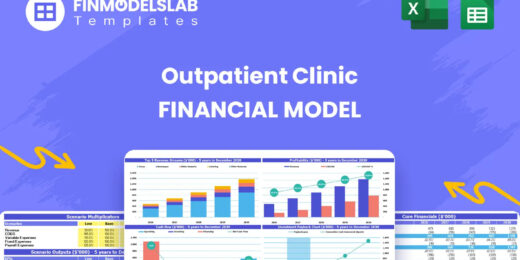
The Outpatient Clinic Financial Model helps users turn a clinic business concept into a structured, editable financial forecast. Instead of relying on... read more

The beverage manufacturing industry is a dynamic and rapidly growing sector that caters to a diverse market ranging from soft drinks and juices to alc... read more

Highly-sophisticated and user-friendly financial model for Startup Companies providing a 5-Year advanced financial forecast.
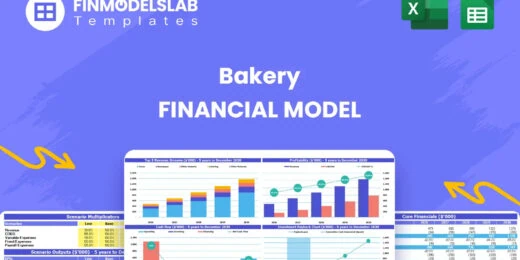
The Bakery Financial Model helps entrepreneurs, bakery owners, consultants, analysts, and business plan writers turn a bakery concept into a structure... read more


Average rating:Submit Rating
Model for in depth understanding of high level profit and loss and revenue analysis. Big-4 like checklist of due diligence analyses. This Financial Du... read more
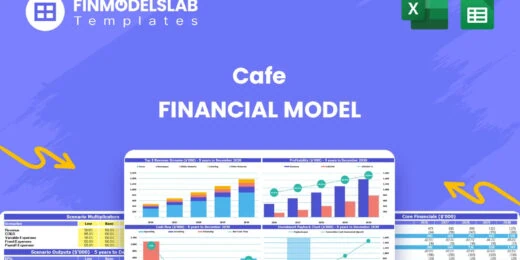
The Cafe Financial Model is a ready-to-use financial model template designed to help entrepreneurs, cafe owners, founders, consultants, and analysts b... read more
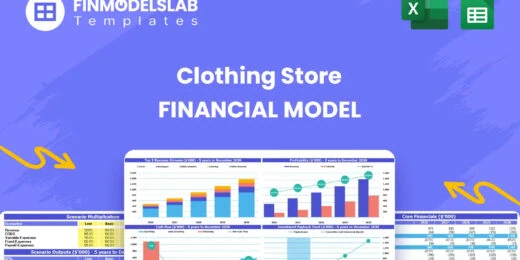
The Clothing Store Financial Model helps turn a retail apparel concept into a structured financial forecast that can be used for planning, funding, bu... read more

The Poultry Farming Financial Model helps users turn a poultry farm concept into a structured, lender-ready financial forecast. It is designed for pla... read more
The Online Clothing Store Financial Model helps founders, entrepreneurs, business owners, consultants, and analysts turn an apparel e-commerce idea in... read more
The Dental Clinic Financial Model helps users turn a dental practice concept, launch plan, or expansion strategy into a structured five-year financial... read more
This poultry financial model template in Excel provides a framework to determine the financial feasibility of a new poultry project for producing bro... read more


Start Up Solar Farm Excel Model presents the business case of an investment in the construction of a solar farm and the sale of the energy generated f... read more

Launching a manufacturing startup can be complex, and securing financing requires a solid financial plan. Our Manufacturing Startup Financial Feasibil... read more
The Spa Financial Model helps entrepreneurs, spa owners, consultants, analysts, and business planners turn a wellness concept into a structured five-y... read more

!! Kindly use the latest Microsoft Excel Version before purchasing the model, otherwise, the dynamic dashboard will NOT work.!! Inventory Dashboard Mo... read more
The Boutique Hotel Financial Model Financial Model Template helps entrepreneurs, hotel owners, consultants, analysts, and founders turn a boutique hos... read more

This chicken egg farming model aims to plan the operations, financial feasibility, and profitability of a new poultry egg farming business. This Start... read more
The Nail Salon Financial Model Financial Model Template helps entrepreneurs, salon owners, consultants, analysts, and business plan writers turn a nai... read more


This excel template is great for those wanting a professional-looking forecast 10 years of financial statements, those starting out as an entrepreneur... read more

This coffee farm financial feasibility model template prepares a financial plan for your next coffee growing project! Figure out the expected incomes ... read more
The Fintech Startup Financial Model helps founders, analysts, consultants, and business planners turn a fintech lending concept into a structured five... read more
The Medical Practice Financial Model helps users turn a clinic concept, expansion plan, or healthcare service idea into a structured five-year financi... read more
Average rating:Submit Rating
The Digital Marketing Agency Financial Model helps agency founders, business owners, consultants, and analysts build a structured financial forecast f... read more
Average rating:Submit Rating
The Solar Panel Manufacturing Financial Model helps users turn a solar factory concept into a structured, investor-ready financial forecast. It is des... read more
The Travel Agency Financial Model helps entrepreneurs, founders, consultants, analysts, and business owners build a structured financial forecast for ... read more
" The Restaurant Financial Model helps users turn a restaurant concept into a structured, editable financial forecast without building complex spreads... read more
The Pizza Restaurant Financial Model Template helps entrepreneurs, restaurant owners, consultants, analysts, and founders turn a pizza restaurant conc... read more

The Personal Budgeting App Financial Model Financial Model Template helps founders, entrepreneurs, consultants, analysts, and business planners turn a... read more

The Real Estate Portfolio Financial Model Template forecasts the financial performance when building a real estate portfolio. The model allows simulat... read more
The Resort Financial Model Financial Model Template helps resort developers, hospitality entrepreneurs, business owners, consultants, and analysts tur... read more
The Beauty Salon Financial Model helps entrepreneurs, salon owners, consultants, analysts, and founders turn a salon business idea into a structured f... read more
The Fish Farming Financial Model template helps entrepreneurs, aquaculture founders, business owners, consultants, and analysts build a structured for... read more
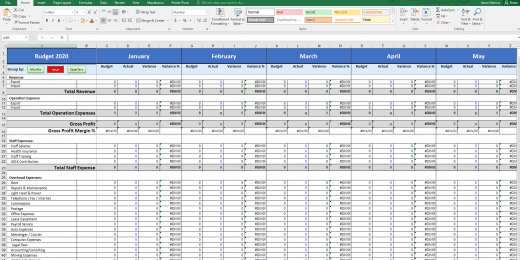

The Budget vs. Actual financial model is used to measure actual results against the budget projected for the financial period.

Project Finance Model for a Solar (PV) Power Plant projecting revenue, operating costs, and cash flow based on installed capacity, solar irradiance, p... read more
The Insurance Agency Financial Model helps entrepreneurs, agency owners, consultants, analysts, and business planners build a structured financial for... read more

The Mergers & Acquisition (M&A) Model provides a projection for a company looking to potentially merge or acquire another company. This model runs... read more


A professional template to budget payroll expenses


Average rating:Submit Rating
Financial model template for a high-level real estate brokerage firm that facilitates the buying and selling of real estate properties between buyers ... read more
The Food Truck Financial Model helps entrepreneurs, founders, business owners, consultants, and analysts turn a mobile food business idea into a struc... read more

Distilleries, with their rich history of crafting spirits, have experienced a resurgence in popularity, driven by consumer interest in artisanal and l... read more

Advanced 10-year financial model for a Software as a Service (SaaS) business providing a solid financial foundation to evaluate scalability, optimize ... read more

Our Net Present Value Calculator in Excel helps you quickly assess the profitability of your investments by simplifying complex financial calculations... read more


User-friendly Excel model intended for the preparation of a Cost-Benefit Analysis to determine the financial viability for a proposed project or inves... read more
The Barber Shop Financial Model Financial Model Template helps entrepreneurs, business owners, consultants, and analysts turn a barber shop concept in... read more

Setting up a biodiesel manufacturing plant requires a comprehensive and executed business strategy. To assess biodiesel production's financial sustain... read more

Best practice model for a complete Price Volume Mix (PVM) analysis on revenue and on gross profit by product.
The Clothing Manufacturing Financial Model helps users turn a garment production concept into a structured, editable financial forecast. It is built f... read more

The Cannabis Business Financial Model is a ready-to-use financial model template designed to help entrepreneurs, founders, consultants, analysts, and ... read more

The Clinical Laboratory Financial Model helps users turn a diagnostic lab concept into a structured five-year financial forecast. It gives entrepreneu... read more
The Skin Care Clinic Financial Model helps entrepreneurs, clinic owners, consultants, analysts, and business planners turn a skin care or aesthetic cl... read more

With this comprehensive 5- or 10-year monthly tool, investors can assess the viability of setting up and investing in an EV charging station business ... read more

The Green Hydrogen from Wind Financial Model aims to comprehensively forecast a horizon of 40 years of the financial feasibility and profitability of ... read more
The Flower Shop Financial Model helps entrepreneurs, florists, business owners, consultants, and analysts turn a floral retail concept into a structur... read more
The Bar Financial Model Financial Model Template helps entrepreneurs, bar owners, consultants, analysts, and founders turn a bar, pub, lounge, or nigh... read more
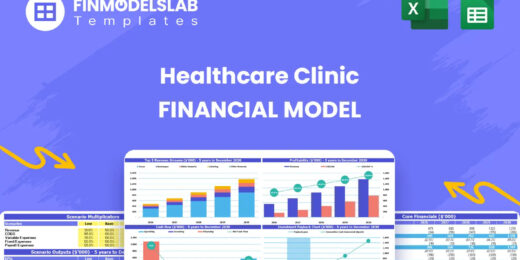
The Healthcare Clinic Financial Model helps founders, clinic owners, consultants, analysts, and business planners turn a healthcare clinic concept int... read more

Shopping Mall Financial Model presents the case of an investment into a shopping mall and its operation. The model generates the three financial state... read more

Financial Model providing a 10-year financial plan for a startup or operating Subscription Business.
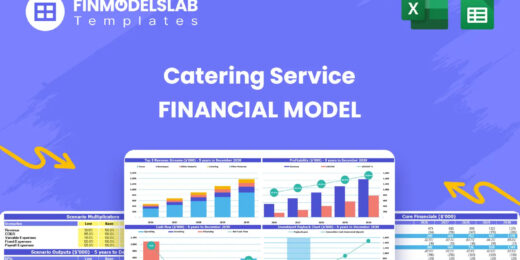
The Catering Service Financial Model helps users turn a catering business plan into a structured, editable financial forecast. Instead of relying on r... read more

5-year financial model for a hair and beauty salon providing revenue forecasts, cost analysis, and insights to support growth and profitability.
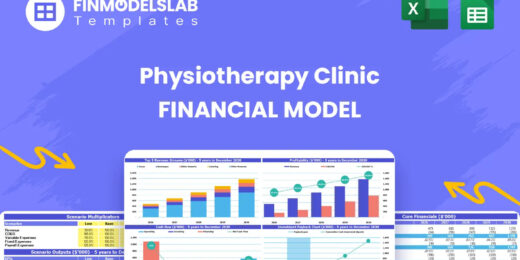
The Physiotherapy Clinic Financial Model helps founders, clinic owners, consultants, analysts, and business plan writers turn a physiotherapy clinic c... read more

Average rating:Submit Rating
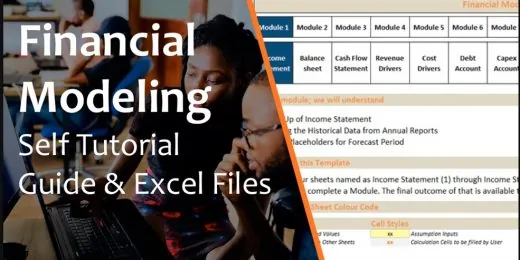
Financial Modeling Tutorial guides user via step by step approach on how to build financial models with DCF valuation


This Hotel / Holiday Resort Development Model will take you through a 20-year period of Three Statement Analysis and provide you with key valuation da... read more
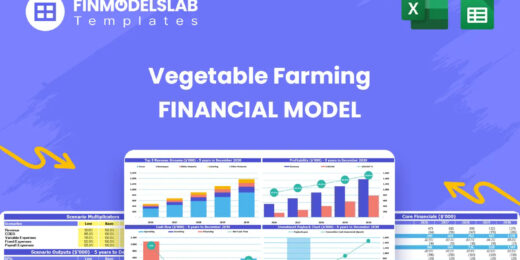
The Vegetable Farming Financial Model helps users turn a farming concept, expansion plan, or funding proposal into a structured financial forecast. In... read more
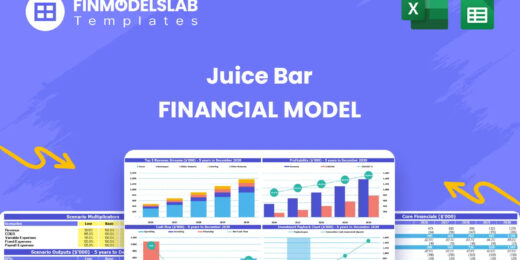
The Juice Bar Financial Model helps entrepreneurs, founders, consultants, analysts, and business owners turn a juice bar or beverage service concept i... read more
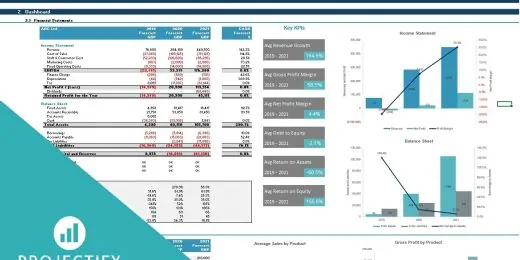
User-friendly Excel model intended for the preparation of a 3 statement (Income Statement, Balance Sheet and Cashflow Statement) financial projection ... read more

Average rating:Submit Rating
3 statement 5 year rolling financial projection Excel model for a startup /existing manufacturing business

Average rating:Submit Rating
Electric Vehicle (EV) charging Station FM helps user asses financial viability of setting up and operating a charging station.

The Food Manufacturing Financial Model helps entrepreneurs, founders, consultants, analysts, and business owners turn a food production concept into a... read more

Financial model presenting a Crop Farm business scenario.
Average rating:Submit Rating
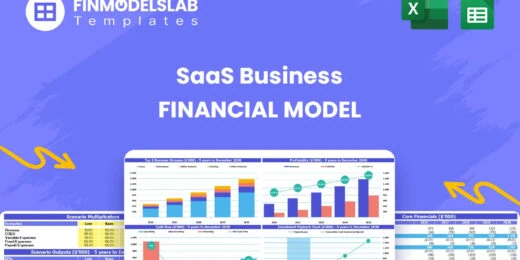
The SaaS Business Financial Model helps founders, entrepreneurs, consultants, analysts, and business owners build a structured financial plan for a so... read more
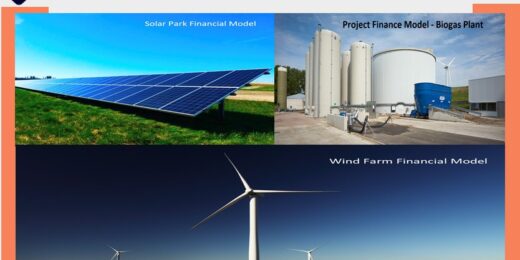
Take this opportunity and get a discount by getting the Renewable Energy Bundle where you get Solar, Wind and Bio Gas Plant Financial Model Templates!
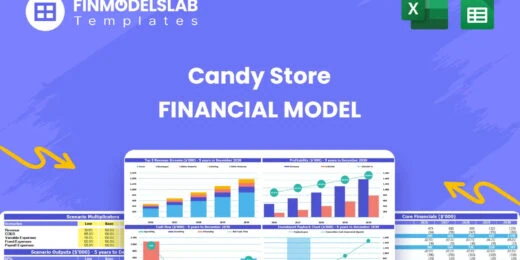
The Candy Store Financial Model helps entrepreneurs and planners turn a retail confectionery concept into a structured financial forecast. Instead of ... read more

This is a collection of financial model templates for businesses in the Agriculture Industry and its related sectors.
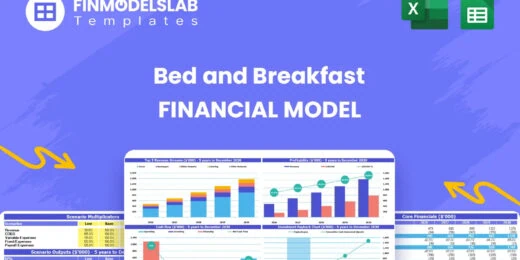
The Bed and Breakfast Financial Model is a ready-to-use financial model template built to help entrepreneurs, inn owners, consultants, analysts, and b... read more

Our Mini-Storage Financial Model Template is your all-in-one solution for building a profitable and scalable storage business. Featuring a Detailed 10... read more

Financial Model presenting a business scenario of a corporation engaged in granting loans from its own capital funds or from funds sourced by investor... read more
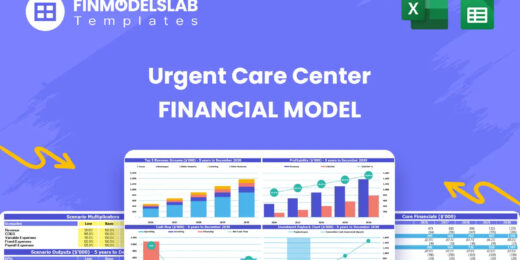
The Urgent Care Center Financial Model helps users turn a walk-in clinic concept into a structured financial forecast that can support planning, budge... read more

This Car Rental Business Financial Model Template in Excel offers an ideal basis for developing a business plan for a car rental company. The template... read more

The purpose of this Bundle of Business Forecasting and Financial Models is to assist Business Owners and Consultants with a consistent approach to for... read more

This comprehensive 40-year tool aid investors in evaluating potential risks and returns and assess the viability of setting up and investing in the pr... read more

The objective of the Geothermal Energy financial feasibility model template is to analyze a new Geothermal Energy project in quite some detail in orde... read more

The digital product marketplace model prepares a financial plan in Excel for online marketplace Startup businesses similar to concepts such as Themefo... read more

Average rating:Submit Rating
Financial model that performs a DCF & Relative valuation on Mining Company.

A collection of user-friendly Project Finance Models in the Renewable Energy Sector offered at a discounted price you can’t miss!

The E-Commerce Business Financial Model Template helps founders, online store owners, consultants, analysts, and business planners turn an e-commerce ... read more
The Hemodialysis Center Financial Model helps users evaluate the financial feasibility of launching, funding, or expanding a dialysis clinic with a st... read more

Average rating:Submit Rating
The toolkit is an essential resource for any organization, providing a comprehensive collection of tools and templates designed to streamline financia... read more
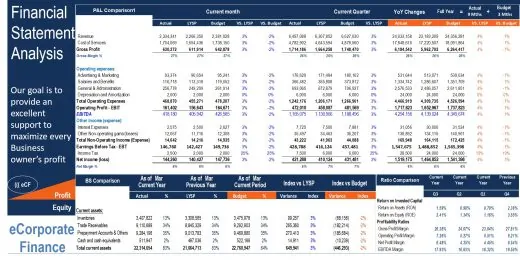
The main purpose of the model is to allows user to easily compare the financial performance result from one period to the next or between actual and b... read more
The Pharmacy Financial Model template helps entrepreneurs, pharmacy owners, consultants, analysts, and business plan writers turn a retail pharmacy co... read more
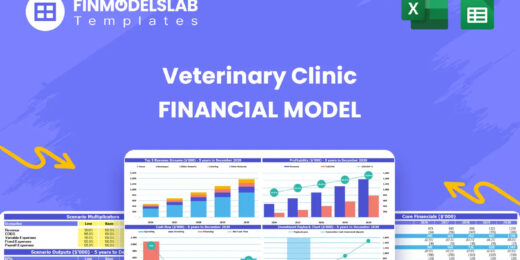
The Veterinary Clinic Financial Model Financial Model Template helps entrepreneurs, clinic owners, consultants, analysts, and business planners turn a... read more

The Liquor Store Financial Model helps entrepreneurs, store owners, consultants, analysts, and business plan writers turn a retail alcohol business co... read more

The goal of this model is to assist you with starting or buying a coffee farm. The financial spreadsheet templates assist in analysing and forecasting... read more
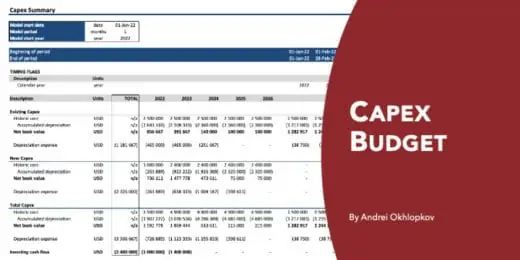
A professional template to budget investing cashflow, fixed asset book values and depreciation

Highly versatile and user-friendly Excel model for the preparation of a rolling 3 statement (Income Statement, Balance Sheet and Cash flow Statement) ... read more


Average rating:
Fully-Vetted Comprehensive Youtube Content Creator Financial Model + Video Series + eBook

The Daycare Center Financial Model helps entrepreneurs, childcare founders, consultants, analysts, and business owners turn a daycare concept into a s... read more

Real Estate Financial Model to evaluate a development project, with Equity Waterfall and Advanced Scenarios Modeling
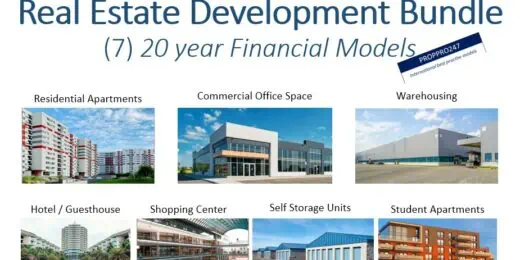
This Real Estate Development Bundle is a collection of real estate calculators or tools in MS Excel that will help with real estate development proje... read more

Budgeting & Forecasting Template suitable for either a Trade or Service company in any type of industry.

Abacus is a bankable, easy-to-use, debt-sculpting financial model for use in renewable (solar, wind, etc.) energy as well as PPP transactions.
The Ophthalmology Clinic Financial Model is a ready-to-use financial model template designed to help founders, clinic owners, consultants, analysts, a... read more

The Nightclub Financial Model helps users turn a nightlife business concept into a structured financial forecast that can be used for planning, budget... read more

The Rice Farming Financial Model enables rice farmers and investor to evaluate an investment into a rice farming operation via Discounted Free Cash Fl... read more

A collection of templates suitable for various types of businesses/industries, covering major accounting, financial analysis, business valuation, and ... read more

Average rating:Submit Rating
3 statement 5 or 8 year rolling financial projection Excel model for an investment holding company holding investments in up to 8 portfolio companies ... read more

The Purpose of the 4 Step Budget Analysis Spreadsheet Template is to offer a user-friendly solution to track your budget on a monthly basis. The budge... read more

The Gift Shop Financial Model helps users build a structured financial forecast for a retail gift store without starting from a blank spreadsheet. It ... read more

3-Statement 5 year rolling financial projection Excel model with valuation for existing/startup Asset Management business managing customer investment... read more
The Tea Room Financial Model helps entrepreneurs, operators, consultants, and business planners turn a tea room concept into a structured financial fo... read more

The Financial Business Plan Template for starting a Nail Salon was developed to obtain a comprehensive view on the economics and financial prospects o... read more

Average rating:Submit Rating
Cash Flow Projection Template Highlights One-year Cash Flow Projection template is a useful tool for cash flow forecasting and for effectively plannin... read more

The Dairy Farm Valuation Model forecasts the expected financials for a dairy farm and calculates the resulting DCF value.

Average rating:Submit Rating
3 statement 5 year rolling financial projection Excel model for a startup /existing business engaged in construction or engineering projects

The Preschool Financial Model helps entrepreneurs, childcare founders, preschool owners, consultants, and financial analysts turn an early childhood e... read more
The right way to compute DSO DIO DPO - Using the countback method, fully automated!

Toll Road Build and Operate financial model is a project finance model for construction and operations of a toll concession

The forestry financial model is a comprehensive financial model in Excel which allows to calculate the financial viability (IRR, NPV, ROI multiple) f... read more

Average rating:Submit Rating
One Excel file for this bundle of Valuation and Financial forecasting models. Storage Parks, Hotels, Commercial Office Buildings, Retail Shopping Cent... read more

Average rating:
A detailed and user friend financial model that captures 5 years of Historical + 1 Year of Budget + 5 Years of the forecast period.

Average rating:Submit Rating
Financial model presenting a development scenario for a Hotel including construction, operation, and valuation phases.

Average rating:
User-friendly 3 statement 5 year rolling financial projection Excel model for existing/startup healthcare business

A Project-Level Financial Model to assess the financial feasibility of setting up and operating a Green Hydrogen Gas Production Plant with detailed NP... read more

The Daycare Center Financial Model helps entrepreneurs, childcare founders, consultants, analysts, and business owners turn a daycare concept into a s... read more


This financial report explained the trend in quantity sold, sales per day, number of pax, average spending per person, and customer turnover for the r... read more

Financial Model providing a dynamic up to 10-year financial forecast for a startup Manufacturing Company.

The Social Media Agency Financial Model helps users turn an agency concept, launch plan, or growth strategy into a structured five-year financial fore... read more

The Private Equity Acquisition Model provides a business valuation of a target company for investment. The Private Equity Acquisition Model allows for... read more
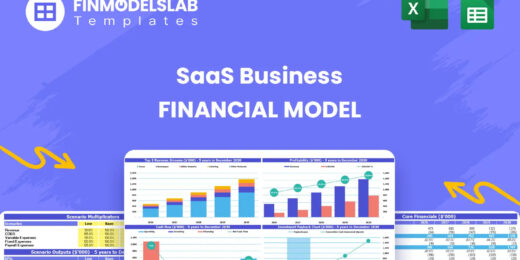
The SaaS Business Financial Model helps founders, entrepreneurs, consultants, analysts, and business owners build a structured financial plan for a so... read more

Average rating:Submit Rating
A fundamental and professional budget / business plan

Average rating:Submit Rating
Financial Model providing a dynamic up to 10-year financial forecast for a startup or existing Car Wash Business.
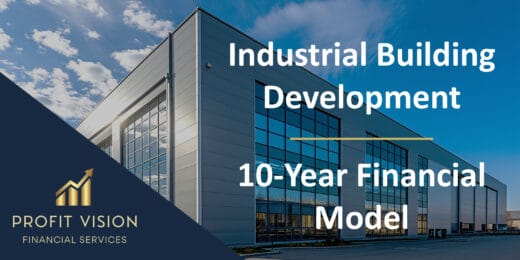
Financial model presenting a development scenario for a Multi-Tenant Industrial Building including construction, operation, and valuation phases.
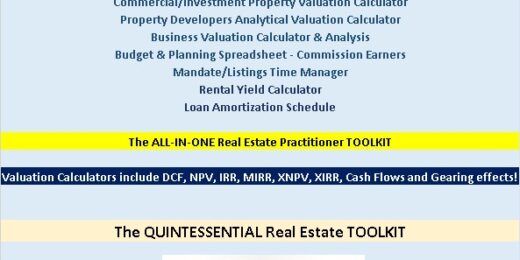
Professional Realtors need a professional Toolkit which allows them to operate at a higher level. The ALL-IN-ONE Quintessential Real Estate Toolkit in... read more

This banana tree plantation financial model serves as a financial planning tool for evaluating a banana farm's financial feasibility and fundraising p... read more
Average rating:
Highly versatile and user-friendly Excel model for the preparation of a rolling 3 statement (Income Statement, Balance Sheet and Cash flow Statement) ... read more

This detailed, yet easy to use three statement financial model will allow you to calculate your business' profit and loss, build a balance sheet and c... read more

The Fruit Farming Financial Model helps users turn a fruit farm concept, orchard expansion, or agricultural investment plan into a structured financia... read more
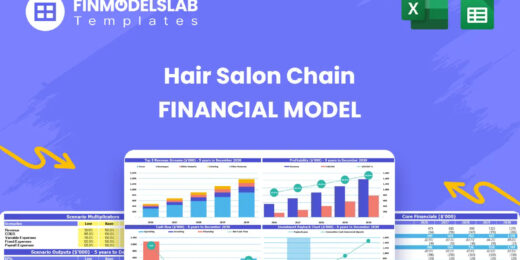
The Hair Salon Chain Financial Model helps entrepreneurs, salon owners, consultants, analysts, and business planners create a structured financial for... read more
You might also like:
- 10 Tips to Develop a First Class Business Valuation Report
- 10 Main Elements of a Business Plan
- 5 Practical Tips to Help Raise Funds For Startups
- Financial Modeling for Startups and Small Businesses
- Exploring the Benefits of a Rental Property Excel Spreadsheet
- Understanding the Levelized Cost of Energy Formula
- How to Prepare a Financial Feasibility Study?
- Financial Planning for Small Business Owners – Taking an SBA Loan
- Finding Fair Market Value: A Quick Guide to Real Estate Valuation
- How to Make a Startup Financial Plan for Fundraising?
- Cash Flow Analysis in Excel
- Commercial Real Estate Valuation Methods: Helping Investors in Taking Informed Decisions
- How to Start a Distillery Business: What You Need to Know?
- Understanding What is Yield to Maturity and Why It Matters
- How to Value a Business Using a Discounted Cash Flow Model
- Building a Monthly Budget – Using Monthly Budget Templates
- Financial Model Templates Easy to Use
- Top 5 Principles of Corporate Finance
- Real Estate Financial Modeling in Excel
- Free Online Budget Planner Excel Template for Goods Company

eFinancialModels Team
Content Manager
The eFinancialModels Team showcases the combined expertise of seasoned professionals in financial modeling, valuation, and business analysis. Our goal is to share practical knowledge, insights, and best practices drawn from real-world experience across industries such as renewable energy, real estate, SaaS, manufacturing, and finance.
Through our articles and templates, we aim to make complex financial modeling concepts accessible and actionable—helping entrepreneurs, investors, and finance professionals make smarter business decisions.


