
0 ITEMS

How to Set up a Car Rental Business: A Roadmap to Success

Individuals often seek rental cars for various purposes, such as leisure travel, business trips, temporary transportation due to vehicle repairs, or for special occasions like weddings or prom nights. Entrepreneurs looking to establish a car rental business can tap into this demand by offering a fleet of well-maintained vehicles to cater to diverse customer needs.
Embarking on the journey of how to set up a car rental business opens the door to a world of opportunities and challenges. The allure of providing individuals with the freedom to explore the open road, coupled with the prospect of creating a successful and lucrative enterprise, makes this venture an exciting prospect.
However, navigating the intricacies of setting up a car rental business demands smart decisions, strategic financial planning, and a roadmap that steers you toward success. Fasten your seatbelt as we navigate through the essential strategies and considerations necessary to drive your car rental business toward triumph.
What is a Car Rental Company?
A car rental company is a business that allows individuals to temporarily use a vehicle for a fee. These companies typically maintain a fleet of vehicles of various types and sizes, ranging from small economy cars to larger SUVs, luxury cars, vans, and sometimes specialty vehicles. Customers can rent these vehicles for short periods, often by the day or week, providing flexibility and convenience for travel or temporary transportation needs. Rental options can vary, allowing customers to choose based on their preferences, from vehicle type to rental duration.
Car rental companies typically offer services both in physical locations, such as airports or city centers, and increasingly through online platforms and mobile apps. They provide rental agreements that outline terms, conditions, rental rates, insurance coverage, and any additional fees. The companies also offer additional services like GPS navigation systems, child car seats, and insurance coverage for an extra cost. Customers need to meet certain criteria, such as having a valid driver’s license and meeting age requirements, to rent a vehicle.
What is the Difference Between Car Rental and Car Hire?
Traditionally, “car rental” is more commonly used in American English, while “car hire” is frequently used in British English. Despite this difference in terminology, both generally mean the temporary use of a vehicle in exchange for payment. Some thought that a car hire comes with a driver and rented car being driverless.
But, in general, both car rental and car hire services provide vehicles without a driver. Renting a car usually implies that the person or organization renting the vehicle will be driving it themselves. If a driver is included with the rental, it’s a specific service offered by some companies and typically comes with additional costs, like chauffeur services or car rentals with drivers for specific purposes such as weddings or special events. In the case of a hired car coming with a driver, this might be a service provided by certain specialized companies that offer chauffeur-driven cars for specific events, travel, or occasions.
It’s essential to clarify the terms and the specific services offered by companies in different regions as there might be variations in how these terms are used and what services they encompass. Always check the terms and conditions or clarify with the rental or hire company to understand precisely what’s included in their service.
How Does a Car Rental Company Work?
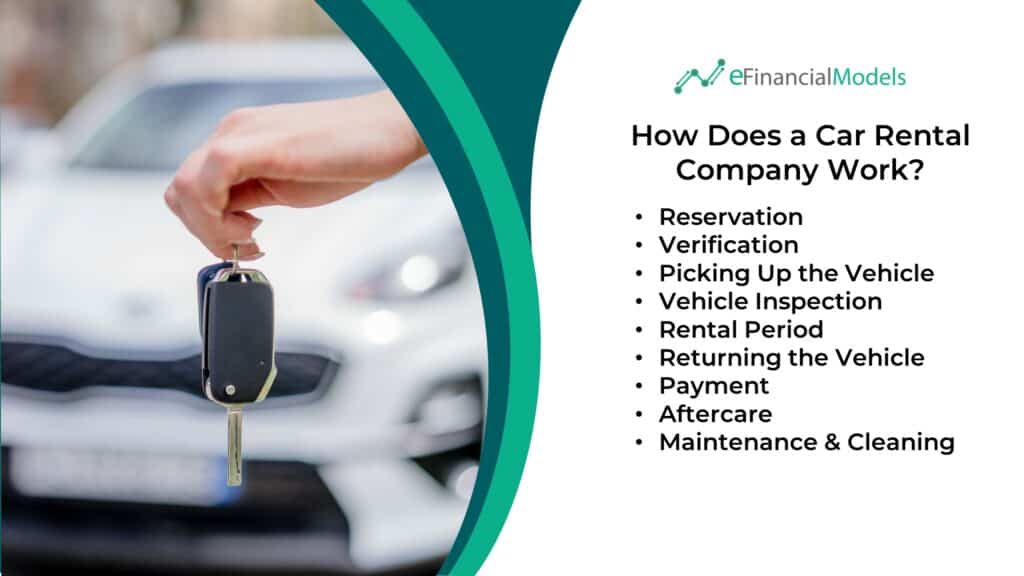
Here’s an overview of how a typical car rental company works:
- Reservation: Customers can make a reservation either online, through a mobile app, or by calling the rental company directly. They choose the car category, rental duration, and sometimes any additional services they may need, such as insurance or GPS.
- Verification: Renters need to meet certain criteria, including a valid driver’s license, a minimum age requirement (often 21 or older, sometimes higher for specific vehicle categories), and a credit card for payment and security deposit.
- Picking Up the Vehicle: On the scheduled rental date, the customer arrives at the rental office to pick up the vehicle. At this stage, the customer presents their driver’s license and credit card, signs the rental agreement, and may choose additional options such as insurance coverage or GPS systems.
- Vehicle Inspection: Both the rental company and the customer inspect the vehicle for any pre-existing damage and ensure that it’s in good condition. Any dents, scratches, or other issues are documented to avoid disputes upon returning the vehicle.
- Rental Period: The customer uses the vehicle for the agreed-upon duration, paying a daily or weekly fee, which often includes a set number of miles or kilometers. If the renter exceeds this limit, additional charges may apply.
- Returning the Vehicle: The customer returns the vehicle to the rental office at the agreed-upon time. The company representative inspects the vehicle for any new damage or issues that might have occurred during the rental period. If everything is in order, the customer settles any additional charges (if applicable) and the security deposit is released.
- Payment: The total rental cost is calculated based on the duration, any additional services used, and mileage. The payment is processed, usually using the credit card provided at the beginning of the rental.
- Aftercare: Any issues, discrepancies, or additional charges are communicated to the customer, and a final receipt or invoice is provided.
- Maintenance and Cleaning: The rental company ensures the vehicle is maintained, cleaned, and prepared for the next customer. This includes regular maintenance like oil changes, tire rotations, and cleaning the interior and exterior of the vehicle.
Car rental companies often offer various car models, different insurance options, and additional services to cater to diverse customer needs. The process might vary slightly depending on the company and location, but these are the general steps involved in a typical car rental service.























































How Much Does a Car Rental Business Make?
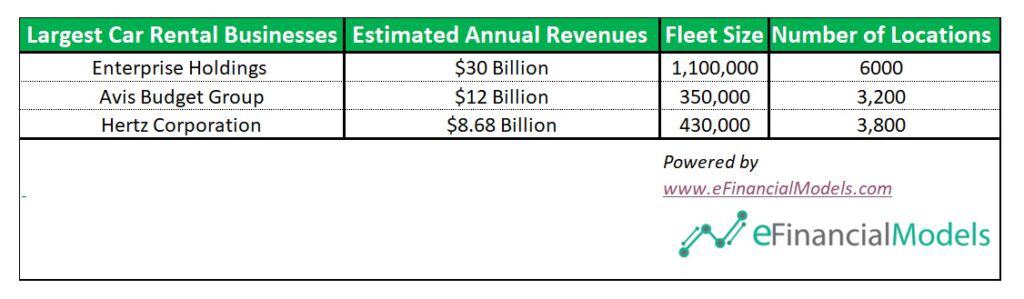
The car rental business is already a century old. It started during the 1900s. A Model T, Ford’s universal car during that time, was rented out at a dime per mile. Today, a car rental business can make around six- to seven-figure range in annual revenues. In fact, three of the largest car rental companies owned the top eight car rental brands worldwide. These are Enterprise Holdings, Avis Budget Group, and Hertz Corporation. Let’s take a look at their estimated annual revenues, fleet size, and number of locations in the United States.
Essential Steps to Start a Car Rental Company
Embarking on the journey of how to set up a car rental business is akin to setting out on an exciting road trip. It is full of opportunities, challenges, and the promise of reaching new horizons. Aspiring entrepreneurs ready to navigate this terrain must meticulously chart their course. The roadmap to success on how to set up a car rental business takes into account essential steps that lay the foundation of strategic financial planning to operational intricacies.
Step 1 – Acquire Experience with Cars
Acquiring experience with cars before starting a car rental business is crucial for understanding the industry, vehicles, customer needs, and operational aspects. Here are some steps you can take:
- Consider working for an existing car rental business. It could be in customer service, fleet management, or even as a car rental agent. You’ll learn the ins and outs of the industry, customer preferences, and operational workflows.
- Familiarize yourself with the basics of car maintenance. Keeping the fleet in good condition will save costs and enhance customer satisfaction. You can learn through workshops, courses, or shadowing a mechanic.
- Learn about the legal aspects of operating a car rental business. It includes insurance requirements, permits, contracts, and compliance with local laws.
- Network with industry professionals, join forums, attend conferences, and read extensively to keep yourself updated with the latest trends, technology, and best practices in the car rental business.
- Understand various car models, their features, maintenance needs, and the market demand for each type. This knowledge is vital for building a diverse and suitable fleet for your future rental business.
Pro-tip: Consider starting with a small side business, such as a car-sharing service or renting out your own vehicles. It will provide you with firsthand experience and understanding of customer demands and operational challenges. Remember, experience is key, so the more exposure you have to the industry, the better prepared you’ll be to start and run a successful car rental business.
Step 2 – Choose Your Car Rental Business Model
Decide on the nature of your business — will it be a traditional car rental service, a luxury car rental, a peer-to-peer car-sharing model, or something else? Choose the target market, type of vehicles, and services you intend to offer.
You may also need to choose how to operate based on the following car rental business models:
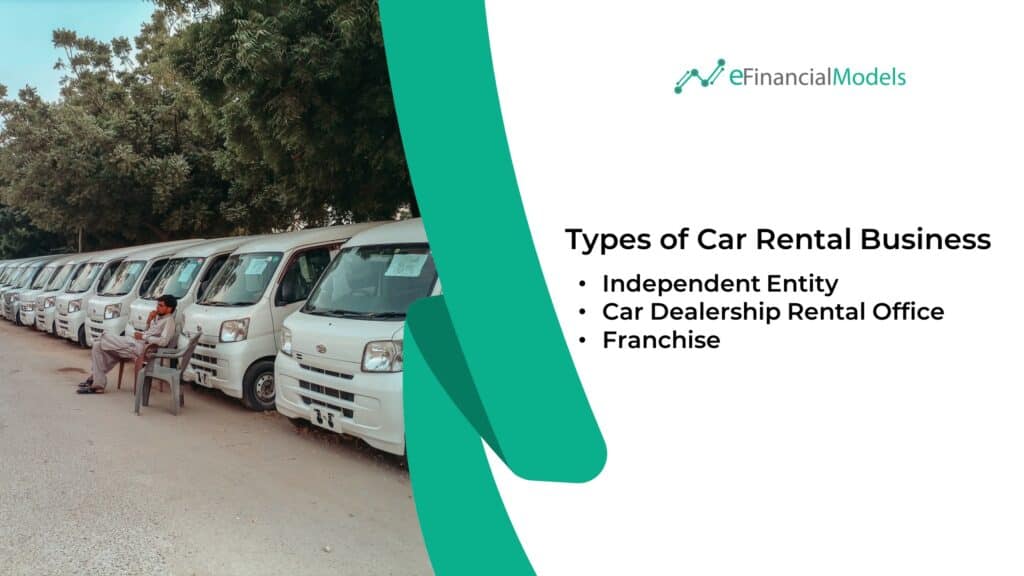
- Independent Entity: This model involves creating a new car rental company or purchasing an existing one. As a separate entity, the business operates autonomously without directly affiliating with more prominent brands. Owners can set their own business strategies, pricing, and operational policies. They are responsible for establishing the brand, building a customer base, and managing all aspects of the business, from fleet management to customer service.
- Car Dealership Rental Office: Car dealerships may incorporate a rental office within their existing infrastructure. This model allows the dealership to rent out vehicles to customers as an additional service. The rental service is usually ancillary to their primary business of selling vehicles.
- Car Rental Franchise: Franchising involves an agreement between a franchisor (the parent company) and a franchisee (an independent business owner). The franchisor provides the rights to use its brand, business model, support, and marketing strategies in exchange for initial fees and ongoing royalties. In the case of car rental, a franchisee operates under the established brand name, benefiting from the parent company’s reputation, support, and sometimes a shared reservation system. This model allows for more standardized operations and access to an established customer base.
Each model has its advantages and challenges, catering to different entrepreneurial approaches and resources available to potential business owners.
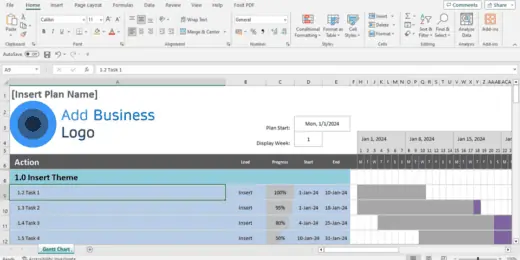
Step 3 – Create a Car Rental Business Plan
A winning business plan for car rental stands as the foundational cornerstone, providing a comprehensive blueprint outlining the business’s trajectory, from its inception to growth and sustainability. A car rental business plan details factors like fleet management, pricing strategies, insurance considerations, location selection, customer acquisition strategies, and technology utilization. This document serves as a guiding compass, navigating the complexities inherent in the business landscape. Ultimately, it fosters a structured and informed approach toward establishing, managing, and expanding a successful car rental enterprise.
How to Make a Business Plan for Car Rental?
Creating a comprehensive business plan for the car rental industry involves outlining multiple aspects of the business, from market analysis to financial projections. Here’s a breakdown of each section you must include in a car rental business plan:
- Company Description: Define the nature of your car rental business, its mission, vision, and values. Discuss your specific services, such as daily rentals, long-term leases, luxury car rentals, etc. Introduce the founding team and their relevant experience in the industry.
- Market Analysis: Analyze the existing competition and its strengths and weaknesses. Conduct thorough market research to identify your target market, including demographics, geographic location, and specific needs. Evaluate market trends, such as the demand for electric or hybrid cars, the growth of ride-sharing services, etc.
- Unique Selling Point (USP): Emphasize innovative or distinctive features that make your business stand out. It could include amazing vehicle selection, competitive pricing, exceptional customer service, or special loyalty programs. Highlight what sets your car rental company apart from competitors.
- Organizational Structure: Describe your hiring plan, HR policies, and employee growth and development strategies. Define the organizational hierarchy and roles within your company. Detail the management structure, including key positions and their responsibilities.
- Marketing & Sales Strategy: Discuss your pricing strategy, promotions, and advertising plans. Explain how you’ll leverage online platforms, social media, and traditional advertising to reach your target audience. Outline how you’ll attract customers and retain their business. It might involve digital marketing, partnerships, referral programs, etc.
- Financial Analysis: Detail the costs of setting up the business, maintaining vehicles, overhead costs, employee salaries, marketing expenses, etc.
- Include a detailed income statement, balance sheet, and cash flow statement for at least the first three to five years. Specify how much funding you’ll need and how it will be used. It could involve initial investment, loans, or potential investors.
- Exit Strategy: Describe potential exit strategies for investors or owners. It might include a buyout plan, going public, acquisition, or other exit scenarios.
- Executive Summary: Summarize the car rental business plan, highlighting the key points, goals, and opportunities. Include financial projections, the market opportunity, USP, and the growth potential.
Remember, a business plan for a car rental is a dynamic document and should be regularly reviewed and adjusted based on market changes, new opportunities, and the performance of your business. Tailoring each section to reflect your unique business goals and industry conditions is crucial for the success of your car rental business.



















































Step 4 – Form the Legal Entity
After the internal work, you will need to complete external tasks of forming the legal entity of your car rental company. Here is a general guide to get you started, but please note that specific requirements may vary based on your location and the legal structures available in your country:
- Select a Business Name: Choose a unique and appropriate name for your car rental company. Ensure the name is available and complies with local regulations.
- Register Your Business: You operate the business under your name for sole proprietorship or partnership. You must register your business name with the local county or state government. Register with the appropriate state agency and file the necessary formation documents for an LLC or corporation, such as articles of organization for an LLC or articles of incorporation.
- Obtain Necessary Permits and Licenses: An Employer Identification Number (EIN) is required for tax purposes. You can obtain this for free from the IRS. Research and get a car rental company’s required business licenses and permits. It might include a general business license, a car rental license, and specific permits related to the automotive industry. Understand and comply with local, state, and federal tax obligations.
- Get Business Insurance: Consider various types of insurance, such as liability insurance and vehicle insurance, to protect your business from potential risks.
- Build Up Business Bank Accounts: Open a business bank account to separate your personal and business finances.
Always ensure compliance with local regulations, as they can vary significantly from one place to another. Consulting with legal or financial professionals who specialize in business formation can be extremely helpful in this process.
Step 5 – Hire Your Operations Team
To assemble an operations team for a car rental business, start by defining roles and responsibilities. Hire a diverse team, including a fleet manager to oversee vehicle maintenance, a customer service manager for client interactions, operations coordinators to manage day-to-day logistics, and administrative staff for paperwork and office tasks. Look for individuals with experience in the automotive industry, customer service, logistics, and administration. Assess their problem-solving skills, ability to handle high-pressure situations, and adaptability, which are crucial in the fast-paced car rental industry. Additionally, ensure strong communication and collaboration among team members to maintain smooth operations and deliver excellent customer service.
Step 6 – Obtain Funding
Starting a car rental business can be capital-intensive due to the need for vehicles, office space, insurance, staff, and technology. Here are some funding options and requirements to consider:
- Traditional Bank Loans: Approach banks for a business loan. They may require a solid business plan, collateral, a good credit history, and a down payment.
- Small Business Administration (SBA) Loans: SBA provides loan guarantees to small businesses. These loans offer more favorable terms and lower down payments but require a good business plan and credit history.
- Peer-to-Peer Lending: Peer-to-Peer lending platforms allow individuals to lend money to businesses. Requirements may vary, but good credit and a solid business plan are typically necessary.
- Equipment Financing: Some lenders specialize in financing specific business equipment. They might help you finance the vehicles needed for the rental fleet.
- Crowdfunding: Websites like Kickstarter or Indiegogo can be used to raise funds by getting contributions from many people. You’ll need a compelling pitch and some incentives for backers.
- Angel Investors or Venture Capital: Angel investors or venture capitalists might be interested in your business if they see growth potential. They usually invest in exchange for equity or a stake in the company.
When seeking funding, you’ll need collateral, legal documents, and a solid business plan. Remember that each funding option has its own requirements and considerations. It’s wise to consult financial advisors or experts who can guide you through the best choices for your situation.

Drive Profitability with a Car Rental Business Financial Model
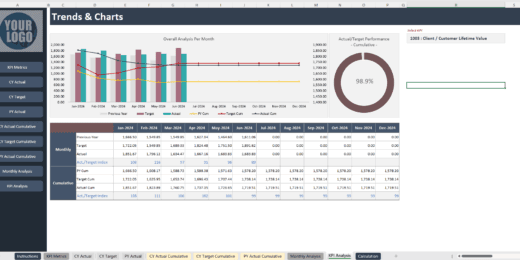
Starting a car rental business is akin to navigating a complex road map. One crucial tool is indispensable to chart a successful course: financial modeling. The ability to predict, plan, and strategize becomes paramount in the car rental industry, where variables like vehicle acquisition costs, operational expenses, fluctuating demand, and market dynamics intersect.
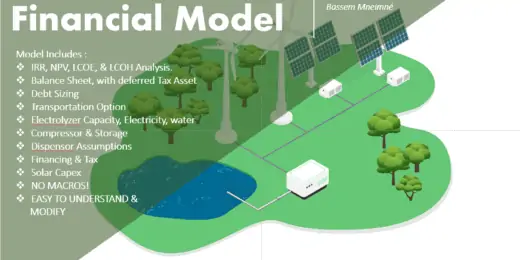
A Car Rental Business Financial Model provides a perfect starting point for creating a business plan for a car rental firm. The template presents a car rental company’s projected revenue and profit calculation from the bottom up. A thorough prediction of the vehicle fleet schedule, anticipated occupancy and rental rates, and the expected cost structure — from which revenues and expenses can be calculated — are all included in this. This research provides a complete grasp of the factors that influence the automobile rental industry and can be utilized to create a business strategy for the company or as a foundation for obtaining bank or investor funding.














































You might also like:
- 10 Tips to Develop a First Class Business Valuation Report
- 10 Main Elements of a Business Plan
- 5 Practical Tips to Help Raise Funds For Startups
- Creating a Business Plan for your Food Truck Business
- How to Start a Distillery Business: What You Need to Know?
- How to Build a Thriving Taxi Company?
- How to Set up a Car Rental Business: A Roadmap to Success
- Business Valuation Service
- All About Financial Modeling for Project Finance
- How to Make Smart Decisions with 6 Key Financial Metrics?
- Financial Modeling for Startups and Small Businesses
- How to Evaluate a New Solar Park for Investment?
- 10 Ideas to Increase Average Revenue Per User
- Financial Model Templates Easy to Use
- Financial Statements – Definition, Uses, Contents and Templates
- Fundraising Project Plan Template in Excel
- Revenue Model Templates and their Characteristics
- How to Successfully Plan a Hydrogen Energy Project
- How to Use Excel for Financial Analysis?
- Houseboat Rental Business Financial Model