
0 ITEMS

What Are the Best Business Planning Apps?

Effective business planning is essential for startup success and long-term growth.
- Modern tools include business planning apps that streamline strategy, financial forecasting, and market analysis through user-friendly interfaces.
- Excel templates provide flexible, customizable options for detailed financial modeling and projections.
- The best business planning apps support real-time collaboration, automation, and industry-specific templates to simplify complex planning tasks.
- Costs of business plans vary widely, from free templates to professional service fees that can reach tens of thousands of dollars.
- Choosing the right planning method depends on your budget, business complexity, and need for customization.
This article covers the most valuable tools and insights to help you craft effective business plans tailored to your goals.
Business Planning Tools to Shape Your Business
Business planning is essential for any enterprise’s success and growth, helping entrepreneurs map out their goals, strategies, and financial projections. Two of the most common ones among the various tools available to aid in this process are:
Business Planning Apps
Business planning apps or business plan software programs are designed specifically for business planning. These programs guide users through planning with step-by-step instructions, tips, and examples. They often include features such as financial forecasting tools, drag-and-drop templates, and the ability to collaborate with team members or advisors. Some software even offers industry-specific templates and can automatically generate polished, presentation-ready plans.
Business Planning Template Excel
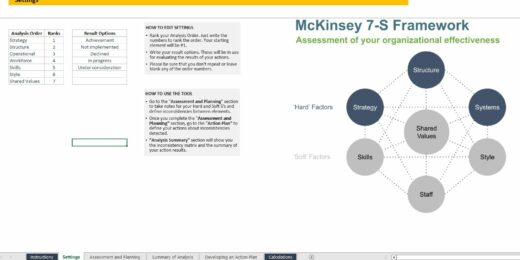
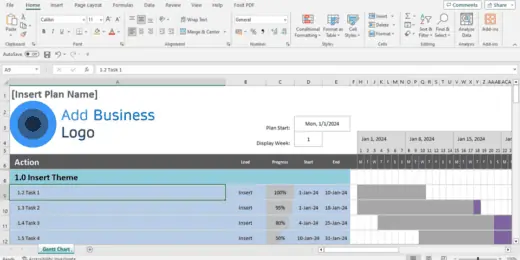
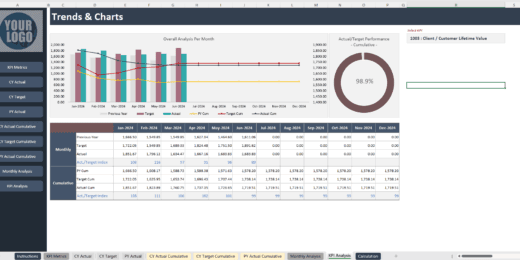
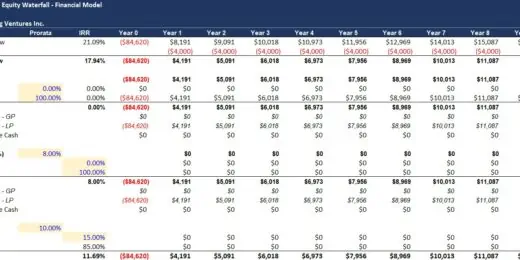
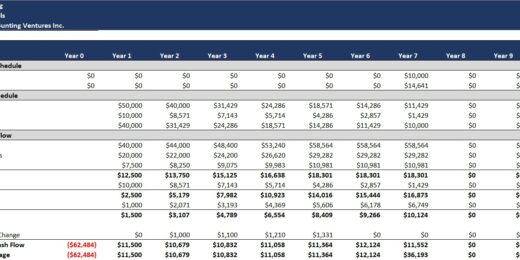
Excel templates for business planning are widely used due to their accessibility, flexibility, and cost-effectiveness. These templates typically come pre-loaded with essential sections such as executive summary, market analysis, financial projections, etc. Users can customize the templates to fit their business model and industry requirements. The primary advantage of using Excel for business planning is its robust calculation and charting features, allowing entrepreneurs to create detailed financial forecasts and budgets. Additionally, since many users are already familiar with Microsoft Excel, there is a lower learning curve than learning new software.
Both business planning templates in Excel and business plan software programs offer valuable resources for entrepreneurs looking to develop a comprehensive and effective business plan. Each tool provides unique features and benefits tailored to different needs and preferences.






















































What are Business Planning Apps?
Business planning apps are business plan software programs designed to help entrepreneurs, business owners, and managers create, organize, manage, and execute their business plans effectively. These applications offer a structured approach to outlining business objectives, strategies, financial projections, market analysis, and operational plans. The main goal of business planning apps is to simplify planning for businesses of all sizes, enabling users to focus on strategic decision-making and growth.
Business planning apps are digital business planning tools designed to streamline creating and managing a business plan, integrating various aspects of planning, such as strategy formulation, financial forecasting, market analysis, and operational planning, into one cohesive platform. They offer customizable templates, collaborative features for team input, financial modeling tools for projections and analysis, and resources for market research, all aimed at simplifying the complex process of business planning. By providing a structured approach and enabling real-time collaboration among stakeholders, these apps facilitate strategic decision-making, help track progress toward goals, and ultimately support businesses in achieving their growth objectives. Integrations with other business software ensure a seamless workflow, making business planning apps valuable assets for entrepreneurs and managers looking to navigate the challenges of starting and growing a business efficiently.
Some of the Best Business Planning Apps
The best business planning apps offer comprehensive features that cater to the diverse needs of entrepreneurs and businesses aiming for growth and efficiency. These apps provide customizable templates, in-depth financial analysis tools, and collaborative capabilities, making creating and executing a detailed business plan more accessible and impactful. Among them are:
- Bizplan is one of the best business planning software programs offering a step-by-step business planning process focusing on financial planning and funding. It’s designed to help startups and existing businesses develop a comprehensive business plan to secure investment or guide internal strategy. Bizplan includes a drag-and-drop template to simplify the planning process, financial projections, team and investor collaboration tools, progress tracking, and access to a network of potential investors through Fundable, a partner platform. The software also provides a visually appealing interface to create and manage financial models, including revenue forecasts, expense budgets, and cash flow statements. It breaks down the complex business planning process into manageable steps, making it easier for entrepreneurs with varying levels of expertise to create detailed plans. The collaborative features also allow for easy sharing and feedback, enhancing the plan’s development process.
- Enloop is a cloud-based business planning tool designed to automate business plan writing. It is aimed at helping users to create bank- and investor-ready plans by evaluating their business’s viability. As one of the best business planning apps, Enloop offers features such as auto-generated text for different sections of the business plan, financial forecasts, a performance score to assess the plan’s potential success, and the ability to create multiple plans for comparison. It also provides financial ratio analysis and real-time performance scores that update as the business plan evolves. The strength of Enloop lies in its ability to simplify the business planning process through automation, making it accessible for entrepreneurs without prior business planning experience. The real-time scoring system offers immediate feedback on the plan’s viability, encouraging users to improve and refine their business model.
- iPlanner is an online business planning software designed for small to medium-sized enterprises. It provides a collaborative platform for team members to contribute to the business planning, emphasizing flexibility and customization. iPlanner allows users to collaborate on financial projections, strategy development, and operational planning. It includes templates for various business plan sections, financial modeling tools, and the ability to share plans with stakeholders. Users can customize their plans to fit their specific industry needs and preferences. Its flexibility and emphasis on customization make it suitable for a wide variety of businesses, ensuring that each plan is tailored to the specific needs and goals of the company.
- LivePlan is a comprehensive business planning software that offers tools for business plan writing, financial forecasting, and performance tracking. It caters to entrepreneurs, small businesses, and startups looking to create pitch-ready plans. Being one of the business plan software programs, LivePlan features include an extensive library of business plan templates, step-by-step guidance, financial projections, and benchmark data for comparing your business’s performance against industry standards. It also offers a dashboard for tracking progress towards goals and integrates with accounting software like QuickBooks. Its strength lies in its ease of use, depth of resources, and integration capabilities.
- Wrike is primarily a project management tool that offers features useful for business planning within project execution and team collaboration. It is designed for businesses of all sizes to improve workflow efficiency and project delivery. As one of the best business planning apps, Wrike features customizable workflows, detailed reporting, and integration with business tools (e.g., Google Docs, Salesforce) that can be leveraged to plan and execute business strategies effectively. Wrike’s project management and collaboration strengths make it a valuable tool for business plan implementation. It allows teams to break down strategic goals into actionable tasks, monitor progress, and adjust plans in real-time based on performance metrics.

Pros & Cons of Business Planning Software Programs
Business planning software programs are designed to assist entrepreneurs, managers, and business teams in creating detailed plans, financial forecasts, and strategies for their businesses. These software solutions come with various features to streamline the planning process. Here’s a look at the pros and cons of these programs:
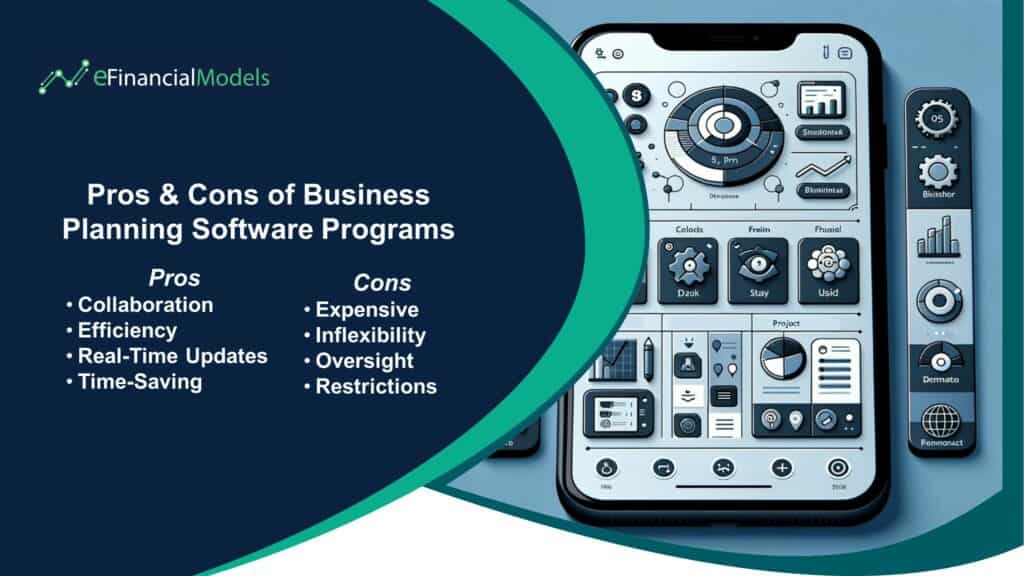
Pros
- Collaboration: One of the significant advantages of business planning apps is facilitating cooperation between team members. These programs typically offer shared access to documents and plans, enabling multiple users to work on the same project from different locations simultaneously. This feature helps ensure that all team members are on the same page, improving communication and teamwork and leading to more cohesive and comprehensive business plans.
- Efficiency: Business plan software programs streamline the planning process by offering tools and templates that help quickly create plans, financial models, and reports. This efficiency is achieved by automating repetitive tasks, such as data entry and calculations, allowing business owners and managers to focus on strategy and analysis rather than getting bogged down by the mechanics of plan creation.
- Real-Time Updates: Another advantage is the ability of business planning apps to provide real-time updates. As market conditions change or new data becomes available, business plans can be quickly adjusted to reflect these changes. It ensures that the business strategy remains relevant and that decisions can be made using the most current information.
- Time-Saving: By automating and streamlining many aspects of the planning process, business plan software programs significantly reduce the time required to create and update business plans. This time-saving aspect allows business owners and managers to allocate more time to other critical business areas, such as operations, marketing, and customer service.
Cons
- Expensive: One of the primary drawbacks of business plan software programs is the cost. Some programs are expensive, especially for small businesses or startups with limited budgets. The cost includes the initial purchase price and ongoing subscription fees, updates, and, potentially, training costs for staff.
- Inflexibility: While business planning apps can offer a range of templates and tools, some programs may need more flexibility, forcing businesses to adapt their planning process to the software rather than the software supporting the business’s unique needs. This inflexibility can limit creativity and force businesses into a one-size-fits-all approach to planning.
- Oversight: Relying heavily on software can sometimes lead to oversight. Important nuances or unique aspects of a business might be overlooked if the software does not accommodate them. There’s also the risk of becoming too dependent on the software for decision-making, potentially neglecting the critical human intuition and insight in business planning.
- Restrictions: Finally, business planning apps may restrict data formats, integration with other tools, or customization options. These restrictions can limit the ability of businesses to tailor the software to their specific requirements or to seamlessly integrate the software into their existing workflows, potentially affecting efficiency and productivity.













































How Much are Business Plans?
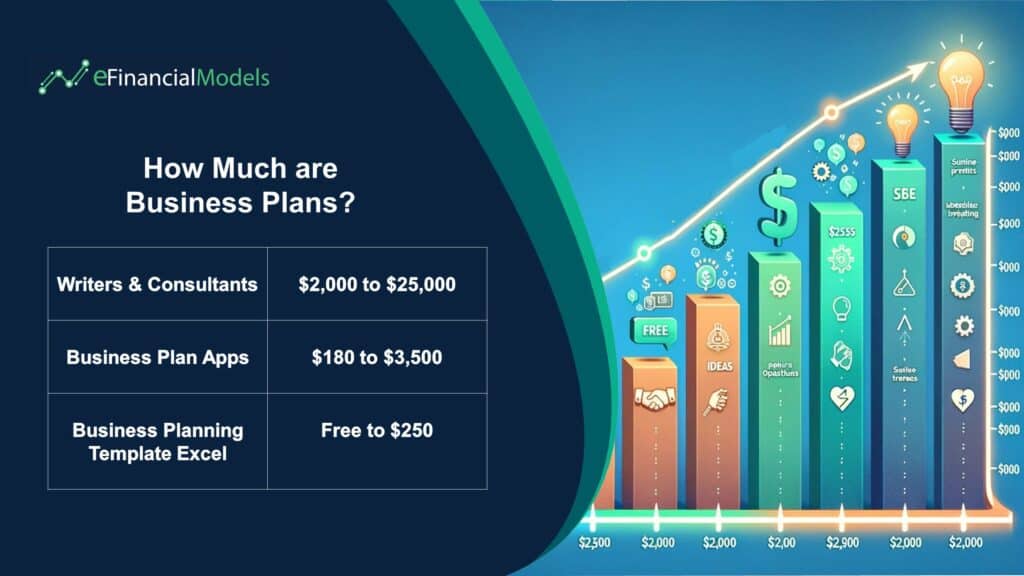
How much are business plans can vary widely depending on your chosen approach. Each option offers different benefits depending on your specific needs, expertise, and budget. Here’s a breakdown of how much are business plans associated with different methods:
Professional Business Plan Writers and Consultants
Cost Range: $2,000 to $25,000.
Factors Influencing Cost: The wide range in cost is due to various factors such as the complexity of the business, the depth of research required, the experience and reputation of the consultant or writer, and the intended use of the plan (e.g., to secure financing or investors). More experienced consultants who work with larger, more complex businesses tend to charge towards the higher end of how much are business plans.
Business Plan Software Programs
Cost Range: $180 to $3,500 annually.
Factors Influencing Cost: This range accounts for the subscription-based pricing of many business plan software programs. The cost varies based on the features offered, such as financial projections, industry-specific templates, and support services. More expensive programs typically offer more advanced features, such as detailed financial modeling, comprehensive market analysis tools, and higher levels of customer support.
Business Planning Template Excel
Cost Range: Free to $250.
Factors Influencing Cost: Excel templates for business planning can range from basic, free templates available online to more sophisticated ones at a cost. The price for paid templates depends on their complexity, the extent of automation they offer (e.g., automatic financial calculations), and the level of detail in the planning components. Paid templates often provide additional support, such as tutorial videos or customer service.
In conclusion, how much are business plans vary significantly based on the method chosen, ranging from free to $25,000. Professional business plan writers and consultants offer personalized, expert guidance at a premium. Business plan software programs are a viable option for those seeking a balance between cost and customization. At the more economical end of the spectrum, business planning templates for Excel offer cost-effective solutions for those willing to invest more personal effort into the planning process. Ultimately, the choice depends on the specific needs, budget, and expertise of the individual or organization crafting the business plan.
Business Planning Template Excel Over Apps in Flexibility
A business planning template Excel offers superior flexibility over dedicated business planning apps hinges on several core differences in design, functionality, and adaptability between these two tools. While business planning apps offer convenience and specific functionalities, they often need more flexibility, customization, and cost-effectiveness than Excel templates. Excel is a business planning template that can adapt to a wide range of business needs, combined with its powerful calculation and data management capabilities. It is a superior choice for businesses crafting detailed and complex financial models that accurately capture their unique realities.
Many business planning apps come with a predefined structure and set of functionalities. It can be a significant limitation for businesses with unique needs or those that evolve rapidly, as these apps may not adequately accommodate specific or uncommon scenarios. Every app has its learning curve, and users must adapt to the app’s interface and logic. It can slow down the planning process, especially for teams unfamiliar with the software. Besides, they come with subscription fees that increase with the level of functionality or number of users.
A business planning template Excel allows for creating highly customizable templates that can be tailored to the exact needs of a business. It includes modifying formulas, adding or removing components, and adjusting the model as the industry evolves. Excel’s powerful calculation capabilities make it possible to model complex financial scenarios, including the impact of key value drivers on the business’s financial health. Users can build detailed financial models that capture nuances and specifics of their business operations.
Are you ready to take your business planning to the next level? Start crafting your hand-tailored financial model today and steer your business toward success with confidence!
























You might also like:
- 10 Main Elements of a Business Plan
- 10 Tips to Develop a First Class Business Valuation Report
- 10 Ideas to Increase Average Revenue Per User
- Are EV Charging Stations Profitable?
- How to Write a Business Plan Step-by-Step
- Understanding Insurance Policies: A Beginner’s Guide
- Cash Flow Analysis in Excel
- Startup Model Templates in Excel that can help your Business Grow
- Mastering Mobile App Success: A Comprehensive Financial Model for Sustainable Growth and Profitability
- Depreciation Methods in Financial Modeling: A Comprehensive Overview
- What is a business valuation model?
- Financial Forecasting Models by eFinancialModels
- How to Use Inflation Projection to Your Advantage
- Understanding the Debt Service Coverage Ratio: An Essential Metric for Financial Analysis
- Financial Planning for Small Business Owners – Taking an SBA Loan
- How to Secure Seed Financing?
- The Purpose of a Financial Model
- How to Prepare a Financial Feasibility Study?
- 12 Funding Sources for Businesses and Startups
- Financial Model for Mobile App | Mobile App Business Plan