
0 ITEMS

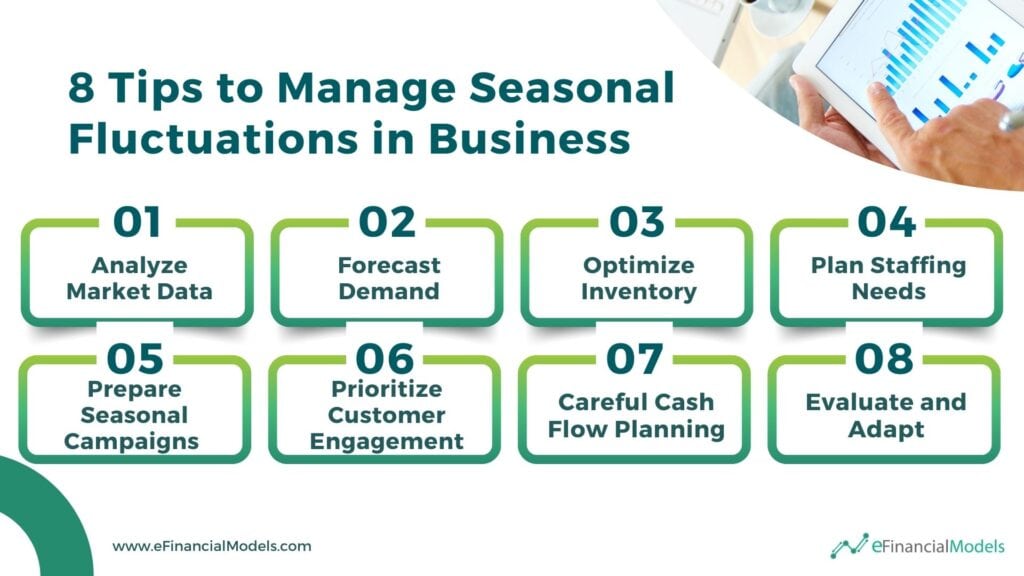
8 Tips to Manage Seasonal Fluctuations in Business
Every retail business experiences seasonal fluctuations—the holiday rush, back-to-school shopping, or post-season slumps. For some, the surge in sales during peak seasons is a golden opportunity, while for others, the slow periods bring financial challenges. Managing these ups and downs effectively can mean the difference between thriving year-round or struggling to stay afloat. This blog will share practical tips to help businesses optimize inventory, staffing, marketing, and cash flow during seasonal shifts. Let’s dive into how successful retailers stay ahead of the curve!
Managing seasonal fluctuations is essential for retail businesses to maintain steady revenue and customer engagement.
- Seasonal changes affect demand, requiring adjustments in inventory, staffing, and marketing strategies.
- Analyzing historical sales data helps identify peak seasons and slow periods for better planning.
- Forecasting future demand prevents stockouts during busy times and reduces excess inventory in off-seasons.
- Optimizing inventory through pre-ordering, liquidation, or just-in-time systems keeps costs down and cash flow healthy.
- Consistent customer engagement with targeted campaigns and loyalty programs builds loyalty beyond peak seasons.
Keep reading for practical tips to help your retail business thrive year-round.
What Is a Seasonal Fluctuation in Business?
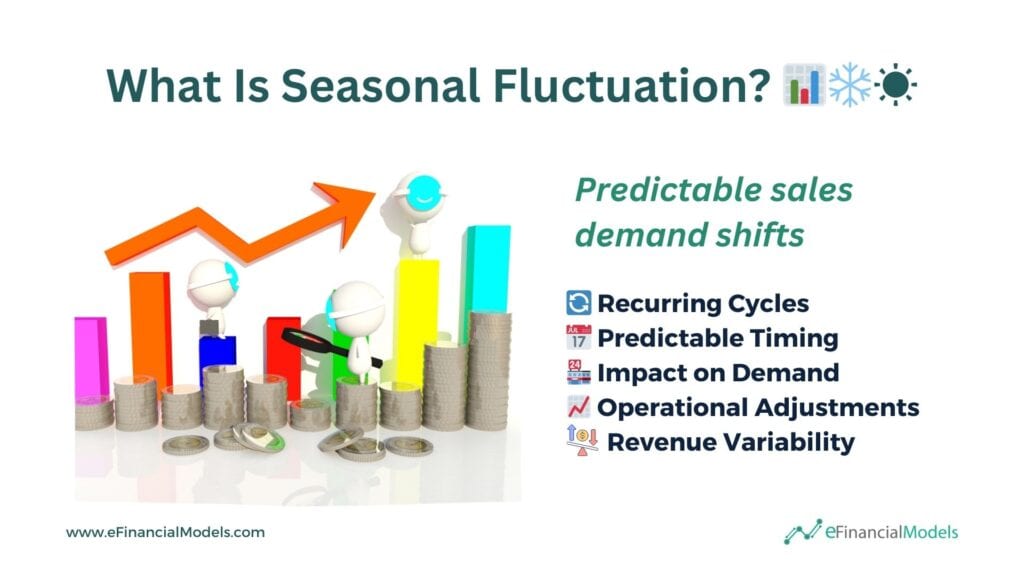
Seasonal fluctuation in business is a predictable change in highs and lows in sales or demand based on the time of year. It happens due to recurring factors like weather, holidays, or consumer habits. For example, retail sales rise during Christmas, while ice cream shops boom in summer. Businesses expect these shifts and adjust strategies to maximize profits. Planning for seasonal changes keeps operations smooth and revenue steady.
Key Characteristics of Seasonal Fluctuations
- Recurring Cycles: These changes happen consistently, often every year, allowing businesses to plan.
- Predictable Timing: Seasonal fluctuations follow a yearly pattern, influenced by weather, holidays, or cultural events.
- Impact on Demand: Sales, customer traffic, and product interest rise or fall depending on the season.
- Operational Adjustments: Businesses adapt staffing, inventory, and marketing to match seasonal trends.
- Revenue Variability: Profits may spike during peak seasons and dip in off-seasons, requiring financial planning.
Different industries follow a unique seasonal fluctuation pattern due to changing customer needs and market trends. Retailers see holiday sales spikes while tourism booms in summer or winter. Agriculture depends on planting and harvest cycles, and tax services peak before deadlines. Understanding these shifts helps businesses plan inventory, marketing, and staffing.
8 Tips to Tackle Seasonal Fluctuations & Boost Retail Sales
Seasonal changes can shake up retail sales, bringing both challenges and opportunities. Shoppers’ needs shift throughout the year, affecting demand and buying habits. Businesses should attract customers year-round, not just during peak seasons. Slow periods offer a chance to build loyalty and keep sales steady. A strong off-season strategy keeps business thriving no matter the time of year.
1. Analyze Market Data to Anticipate Seasonal Trends
The first step in planning for seasonal fluctuations is understanding your business’s unique sales patterns. Dive into your historical sales data to identify trends, peak seasons, and slow periods. Analyze market data to spot seasonal trends early and adjust your strategy. Track past sales, customer behavior, and demand shifts to stay ahead. Use insights to stock the right products, set competitive prices, and launch timely promotions.
Look for answers to questions like:
- Which months or seasons generate the highest revenue?
- When do sales typically dip?
- Which products or categories perform best during specific times of the year?
Smart data use turns seasonal challenges into profit opportunities. This keeps inventory balanced, attracts more buyers, and maximizes revenue.
2. Forecast Demand to Stay Ahead of Seasonal Swings
Once you’ve analyzed past sales data, use it to forecast future demand. It helps you prepare for seasonal shifts and avoid stock issues. Analyze past sales, trends, and customer preferences to predict what will sell. This prevents overstocking, reduces shortages, and keeps sales steady. Consider external factors influencing consumer behavior, such as economic conditions, industry trends, or weather patterns. Adjust inventory, pricing strategy , and promotions to match demand.
Accurate demand forecasting allows you to:
- Stock the right amount of inventory to meet customer needs without overstocking.
- Avoid stockouts during peak seasons, which can lead to lost sales and dissatisfied customers.
- Plan promotions and discounts to move excess inventory during slower periods.
A proactive approach boosts profits and keeps customers happy.
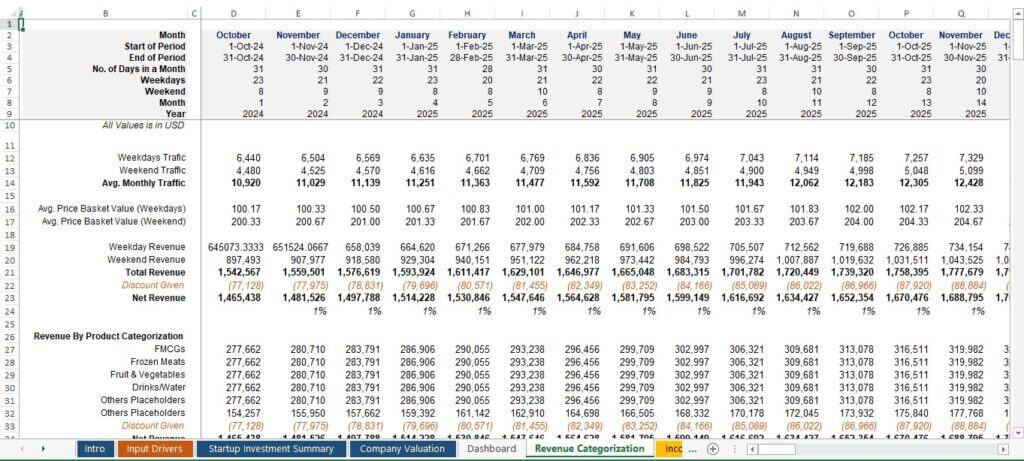
The chart above is from a Grocery Store Financial Model Template. It helps analyze market data by tracking monthly traffic, revenue, and product sales patterns. It shows seasonal customer visits, spending habits, and product demand shifts. Businesses can anticipate peak seasons, adjust inventory, and optimize pricing strategies by comparing trends across months.
3. Optimize Inventory to Maximize Retail Sales
Optimize inventory to match demand and avoid stock issues. Track sales trends and adjust orders to prevent shortages or excess stock. Stock popular items before peak seasons and reduce slow-moving products. This cuts costs, improves cash flow, and keeps customers satisfied. Smart inventory management boosts sales and keeps operations smooth.
Seasonal fluctuations require a flexible and strategic approach to inventory management. Here’s how to stay ahead:
- Pre-Order Seasonal Stock: Place orders with suppliers well in advance to ensure you have enough inventory for peak seasons. This is especially important if you rely on overseas manufacturers with longer lead times.
- Liquidate Excess Inventory: Use end-of-season sales, flash sales, or bundle deals to clear out leftover stock and free up storage space.
- Adopt Just-in-Time Inventory: For businesses with limited storage space, consider a just-in-time (JIT) inventory system to reduce holding costs and minimize waste.
4. Plan Staffing Needs to Tackle Seasonal Fluctuations
Seasonal fluctuations often require adjustments to your staffing strategy. Plan staffing needs to handle seasonal fluctuations and keep sales strong. More customers mean busier stores, so having enough staff improves service and revenue. During peak seasons, you may need additional staff to handle increased foot traffic, longer hours, or higher online order volumes. Conversely, slower periods may call for reduced hours or temporary layoffs to control labor costs.
To manage staffing effectively:
- Hire seasonal workers or temporary staff to cover busy periods.
- Cross-train employees to handle multiple roles, ensuring flexibility during unpredictable times.
- Use scheduling software to align staff availability with customer demand.
Well-planned staffing prevents burnout, reduces wait times, and keeps shoppers happy. A smooth shopping experience leads to more sales and repeat customers.
5. Prioritize Customer Engagement
Prioritize customer engagement to keep sales steady and reduce seasonal dips. Consistent engagement builds strong relationships and encourages repeat business. Analyzing buying habits helps tailor promotions to keep customers coming back. A loyal customer base ensures stable revenue, even during off-peak seasons.
While seasonal peaks are important, don’t neglect your customers during off-peak periods. Keep them engaged with:
- Loyalty programs that reward repeat purchases.
- Exclusive offers or early access to new products.
- Content marketing, such as blogs, videos, or social media posts, provides value beyond sales.
- Track customer preferences to create timely promotions that drive sales.
Building strong relationships with your customers ensures they return to your store, even when it’s not the busiest time of the year.














































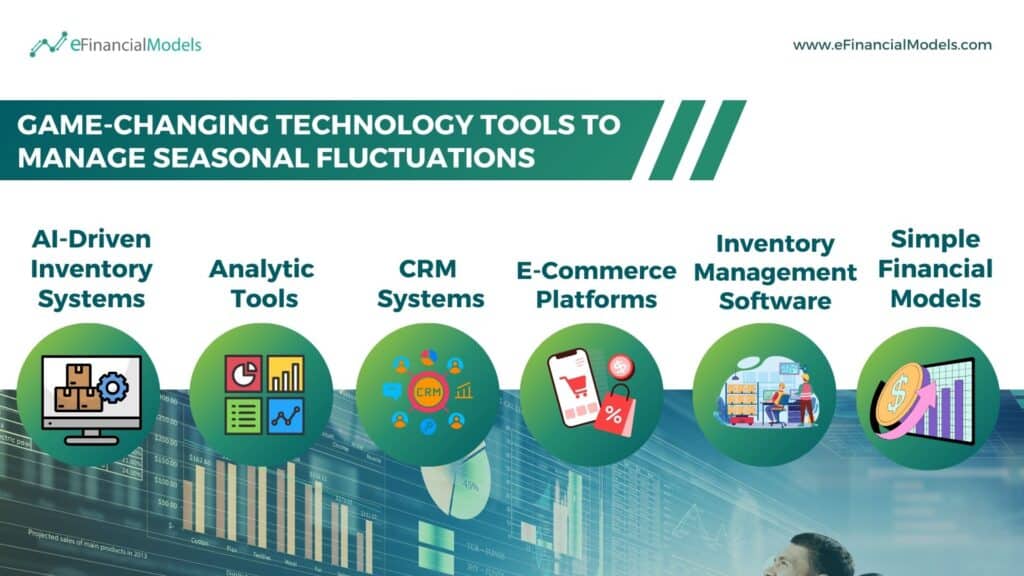
Pro Tip: Technology can be a game-changer when managing seasonal fluctuations. Here are a few tools to consider:
- AI-driven inventory systems to stock the right products at the right time.
- Analytics Tools: Monitor sales trends and customer behavior in real-time.
- Customer Relationship Management (CRM) Systems: Use customer data to personalize marketing efforts and improve retention.
- E-commerce Platforms: Expand your reach by selling online, especially during peak shopping seasons.
- Inventory Management Software: Automate stock tracking and reordering processes.
- Simple financial model templates and spreadsheets can help you track and interpret this information. Seasonal forecasting in Excel predicts trends using historical data.
Smart tech keeps operations smooth and profits high. By embracing technology, you can streamline operations, reduce manual errors, and make data-driven decisions.
6. Prepare Seasonal Campaigns to Stay Ahead
Prepare seasonal campaigns to attract customers and boost sales during peak periods. Timely promotions, themed displays, and special discounts create excitement and drive traffic. Analyzing past trends helps plan effective offers that match customer demand. Strong marketing keeps your store in mind and gives you an edge over competitors. A well-executed campaign turns seasonal shifts into profit opportunities.
Marketing plays a critical role in capitalizing on seasonal opportunities. Tailor your campaigns to align with customer behavior during different times of the year. For example:
- Holiday Season: Launch festive promotions, gift guides, and limited-time offers to attract shoppers.
- Back-to-School: Highlight school supplies, clothing, and tech gadgets in your advertising.
- Summer Sales: Promote outdoor products, vacation essentials, and summer-themed items.
To reach your target audience, leverage social media, email marketing, and paid ads. Personalize your messaging to resonate with seasonal needs and preferences.
7. Ensure Careful Cash Flow Planning
Seasonal fluctuations can strain your cash flow, especially if you’re stocking up on inventory before a peak season or experiencing a prolonged slow period. Ensure careful cash flow planning to stay financially stable during seasonal shifts. Strong cash flow management keeps operations smooth and ensures steady growth year-round.
To maintain financial stability:
- Build a cash reserve during profitable months to cover expenses during slower periods.
- Negotiate favorable payment terms with suppliers to align with your cash flow cycle.
- Consider short-term financing options, like invoice factoring, to bridge gaps in revenue.
- Regularly review your financial statements and adjust your budget to stay on track.
8. Evaluate and Adapt: Stay Agile to Manage Seasonal Shifts
Finally, treat each season as a learning opportunity. Evaluate and adapt to keep your business strong through seasonal changes. Review sales data to spot trends and adjust strategies quickly. Update inventory, pricing, and marketing based on customer demand. Stay flexible with staffing and promotions to match shifting needs. A responsive approach helps maximize profits and stay ahead of competitors year-round.
After the busy period ends, evaluate what worked and what didn’t. Ask yourself:
- Did we meet our sales goals?
- Were there any unexpected challenges?
- How can we improve for next season?
Seasonal Forecasting in Excel: Forecast, Adapt, and Thrive Year-Round
Managing seasonal fluctuations requires a proactive approach to inventory, staffing, marketing, and cash flow. Businesses can turn seasonal challenges into growth opportunities by analyzing trends, forecasting demand, and engaging customers year-round. Smart planning, flexible strategies, and technology-driven solutions help maintain steady revenue and long-term success. Stay adaptable, refine tactics, and use data insights to navigate shifts effectively.
Seasonal forecasting in Excel helps you predict trends, adjust strategies, and keep your business profitable all year. Use data to plan inventory, manage cash flow, and optimize marketing for peak and slow seasons. Stay ahead by tracking patterns and making smart decisions before demand shifts. Don’t let seasonality catch you off guard—start leveraging seasonal forecasting in Excel today and take control of your business year-round!











































You might also like:
- 10 Ideas to Increase Average Revenue Per User
- 10 Main Elements of a Business Plan
- 10-Step Financial Planning Checklist for Smart Executives
- 5 Practical Tips to Help Raise Funds For Startups
- How to Build a Thriving Taxi Company?
- Cash Flow Analysis in Excel
- How to Prepare a Financial Plan for a Chicken Egg Farm?
- Financial Ratios Analysis and Its Importance
- Understanding the Levelized Cost of Energy Formula
- Boost Your Business’s Financial Management with this Excel Budget Template
- Five Steps to Create a Drop Down List Using Data Validation in Excel
- Retail Chain Rollout Strategy Model
- 10 Tips to Develop a First Class Business Valuation Report
- Top-Down vs. Bottom-Up Financial Planning: What’s the Difference?
- Best in Class Property Appraisal Methods and What to Look Out for
- How to Optimize the Average Selling Price: Strategies for Higher Profits
- Steps to Building Financial Models in Excel
- Retail
- 10 Awesome Excel Formulas To Use For Your Next Financial Model In Excel


