
0 ITEMS

The Financial Challenges of a Pop-Up Store

Pop-up retail stores are a flexible way for brands to test new markets and create buzz, but they come with unique financial challenges.
- They usually operate for a limited time, ranging from a few days to several months, depending on their purpose.
- High upfront costs, such as rent, design, and inventory, must be managed carefully to avoid losses.
- Inventory planning is critical because overstocking leads to waste, while understocking causes missed sales.
- Rapid sales recovery is essential due to the short window for ROI, demanding strong marketing and pricing strategies.
- Unpredictable foot traffic and unforeseen operational expenses require flexible budgets and contingency planning.
Continuing, understanding these financial hurdles helps turn pop-up stores from a risky venture into a profitable short-term opportunity.
What Are Pop-Up Stores?
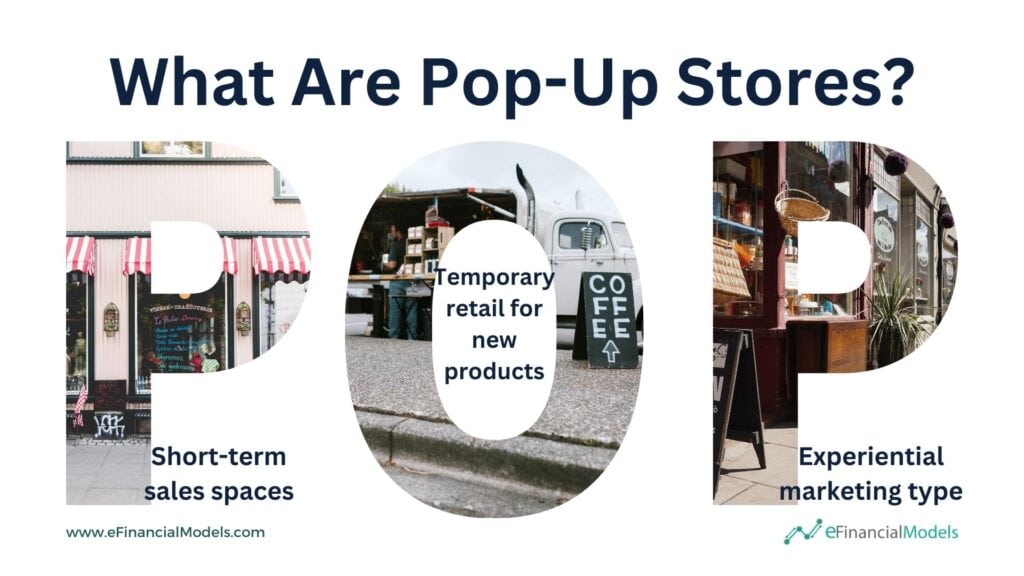
So, what are pop-up stores? Pop-up stores are short-term sales spaces that open for a limited time. These stores can last a few days, weeks, or months. They often appear in malls, busy streets, or event spaces. Businesses use them to test ideas, sell products quickly, or attract new customers.
Pop-up stores let brands launch new products without a big investment. Instead of opening a permanent store, they rent a small retail space for a short time. They help companies see how people react to their products before committing to a long-term location. Beauty brand Glossier, Inc. is known for its pop-up stores worldwide. The company opened temporary shops in Paris and moved to Seattle to reach new customers. These pop-ups let people see, touch, and try products before buying. Many other online brands use pop-up stores to meet customers in person.
What are pop-up stores in terms of marketing? They are also a type of experiential marketing. They create unique shopping experiences that get people excited. Some pop-ups offer free samples, interactive displays, or exclusive deals. Because they are temporary, they make shopping feel special and urgent. In 2021, IKEA took a Tiny Home pop-up on tour across the U.S. The display featured a fully furnished small home, promoting sustainable living. Visitors explored the space, learned about eco-friendly design, and could buy the items online. The pop-up boosted interest in IKEA’s products and green mission.
What Is the Average Lifespan of a Pop-Up Retail Store?
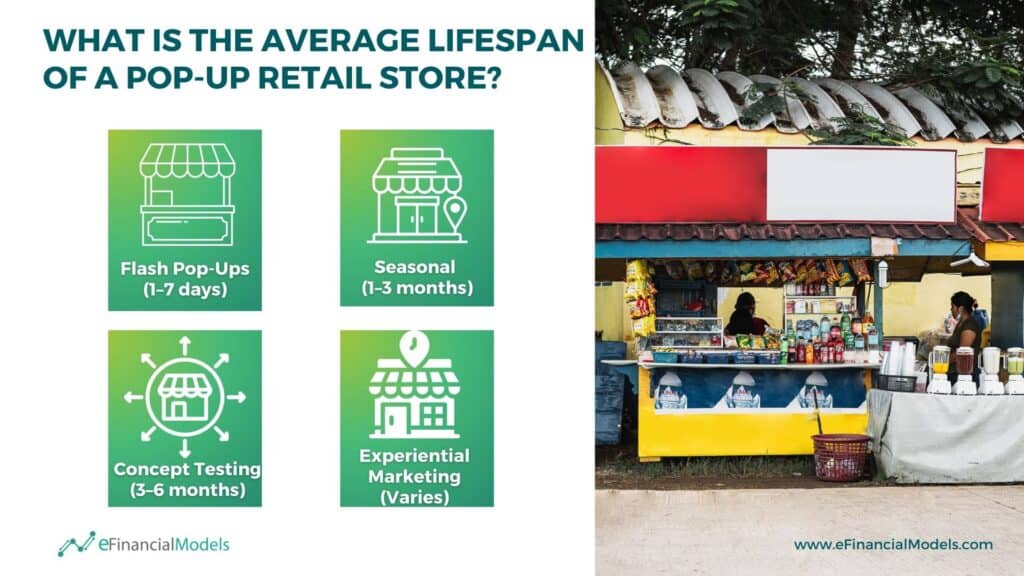
The average lifespan of a pop-up store typically ranges from a few days to several months, depending on the purpose and strategy behind the store. Here are some common durations based on different types of pop-up shops:
- Flash Pop-Ups (1–7 days) – These are designed for product drops, brand awareness, or exclusive launches (e.g., Kanye West’s Pablo pop-up shops lasted just a weekend).
- Seasonal Pop-Ups (1–3 months) – Common for holiday markets, Halloween stores, or summer brands that capitalize on peak shopping seasons.
- Concept Testing Pop-Ups (3–6 months) – Used by startups or established brands to test new markets before committing to a permanent location.
- Experiential or Marketing Pop-Ups (varies) – These are brand activations that might last from a weekend to a few months, often linked to marketing campaigns.
The flexibility of pop-up stores allows brands to minimize financial risk while maximizing impact. Still, their temporary nature means careful financial planning is required to ensure profitability within the short operation window.






































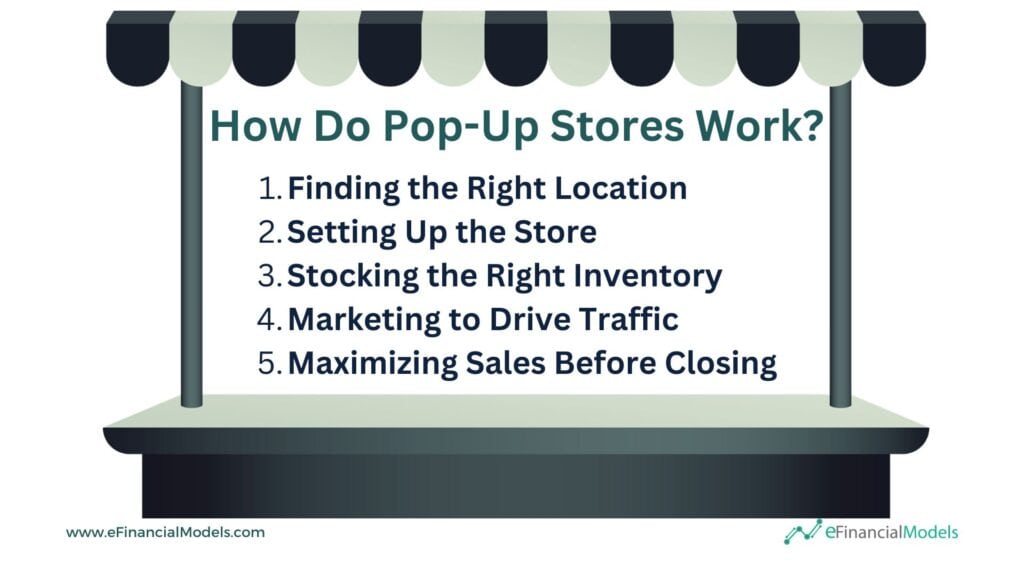
How Do Pop-Up Stores Work?
Unlike traditional retail stores, pop-up stores use short-term leases. They show up in busy areas for a limited time, often during big shopping seasons, product launches, or special events. But how do pop-up stores work, and why are they so popular? Let’s break it down.
- Finding the Right Location: The first step is choosing a great spot. Pop-up stores rent space for a few days, weeks, or months, usually in high-traffic areas like malls, city centers, or event venues. The goal is to attract many customers while keeping rent costs low.
- Setting Up the Store: Once they secure a location, businesses must create a functional space. This includes installing shelves, setting up a checkout system, and adding eye-catching branding. A well-designed store helps attract shoppers and makes the experience smooth.
- Stocking the Right Inventory: Pop-up stores must stock products that match expected demand. Since they operate quickly, they can’t afford to run out of stock or waste money on excess items. Careful planning helps them meet sales goals without overspending.
- Marketing to Drive Traffic: A pop-up store needs customers fast. Businesses use online ads, social media, and local promotions to spread the word. Limited-time sales and exclusive products also create urgency, encouraging shoppers to visit before the store disappears.
- Maximizing Sales Before Closing: Pop-up stores work by making the most of their short run. They track sales, collect customer feedback, and adjust their strategy daily. Once the event ends, they close or use the insights to open a permanent store.
That’s how do pop-up stores work. They offer a quick, flexible way for brands to reach new customers, test products, and create buzz without committing to a long-term lease.
Pop-Up Retail Store: Financial Hurdles Uncovered
While a pop-up retail store offers flexibility and lower overhead costs, it also presents unique financial challenges that require careful planning. A pop-up retail store allows businesses to test new products and reach different customers without long-term commitments. But managing money for a temporary store isn’t easy. Since the store is open for a short time, every dollar counts. Financial feasibility matters because a pop-up store has limited time to recover costs and make a profit. Unexpected expenses or slow sales can quickly turn the venture into a loss. Owners must plan carefully to cover costs while making a profit fast. Even a great idea can struggle to succeed without a solid financial plan.
High Upfront Costs
Opening a pop-up store takes money. You must rent a space, design a store, buy products, and market your business. All these costs come before you even make a sale. If you don’t plan well, you might spend too much before seeing any profit. A smart budget and a clear goal can help avoid overspending.
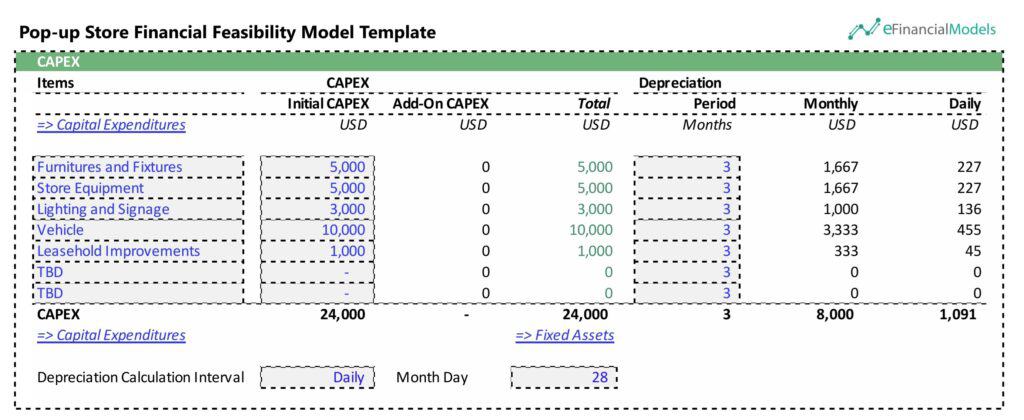
The chart above from a Pop-up Store Financial Feasibility Model Template shows the start-up costs for a pop-up retail store. These costs are called CAPEX (Capital Expenditures)—money spent on things needed before opening. The store owner must buy furniture, equipment, lighting, a vehicle, and leasehold improvements, which add up to $24,000. Since pop-up stores are temporary, everything loses value fast. The chart estimates that these items will be used for three months, meaning the total cost is spread across that time. This creates a high upfront cost, a major financial hurdle. The owner must pay thousands of dollars before making any sales. That’s the number one challenge of a pop-up retail store—a big investment and a short time to recover it.
Inventory Management Risks
Stocking a pop-up store is tricky. Order too much, and you’re stuck with leftover products. Order too little, and you lose sales. Unlike regular stores, you can’t always adjust over time. Careful planning, tracking sales, and knowing your audience helps reduce waste and maximize profit.
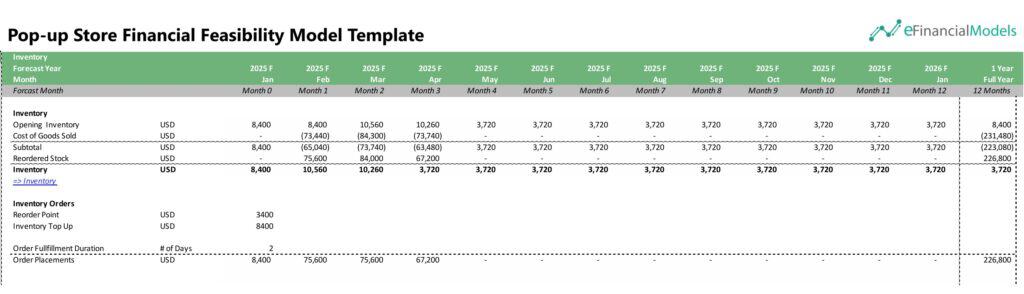
The chart above shows the inventory forecast for a pop-up retail store in 2025. It tracks how much stock the store starts with, how much it sells (Cost of Goods Sold), and how often it needs to be reordered. The store started with $8,400 worth of inventory but quickly needed to reorder due to high sales. Managing inventory in a pop-up store is tricky. If you order too much, you waste money on extra stock that might not sell. If you order too little, you run out of products and lose sales. Since pop-up stores run for a limited time, making smart inventory decisions is crucial.
Limited Time to Achieve ROI
A pop-up store runs for a short time. That means you must recover your costs and make a profit fast. Every day counts. If sales are slow initially, there’s little time to adjust. Pricing, promotions, and strong marketing can help bring in enough sales before the store closes.
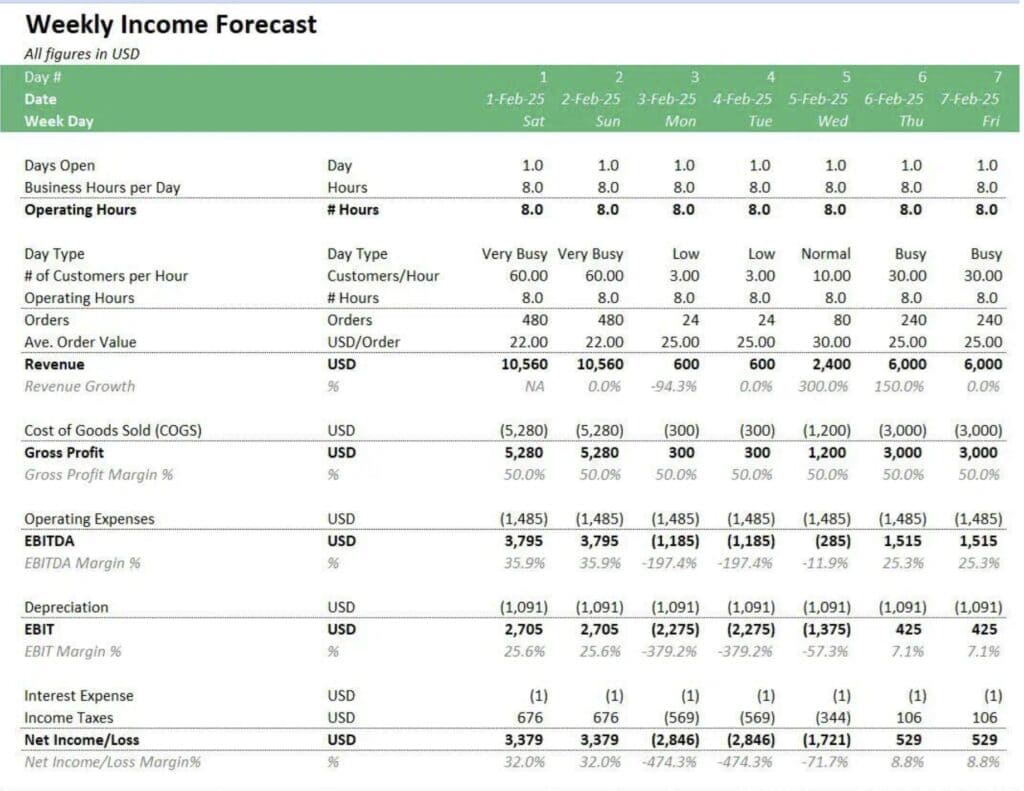
A pop-up retail store has limited time to make money, so every day counts. The chart above shows strong weekend sales ($10,560 per day) but big losses on slow days like Monday and Tuesday. Fixed costs remain the same, meaning profitable days must cover losses. A pop-up store must plan carefully to achieve ROI (Return on Investment). It should focus on high-traffic days, control costs, and find ways to boost sales on slow days. Otherwise, even a few bad days can wipe out the gains.
Unpredictable Foot Traffic
You never know how many people will visit your pop-up. Some days are busy, others are quiet. Location, season, and local events all play a role. A great spot with high visibility and strong online promotion can help bring in steady traffic.
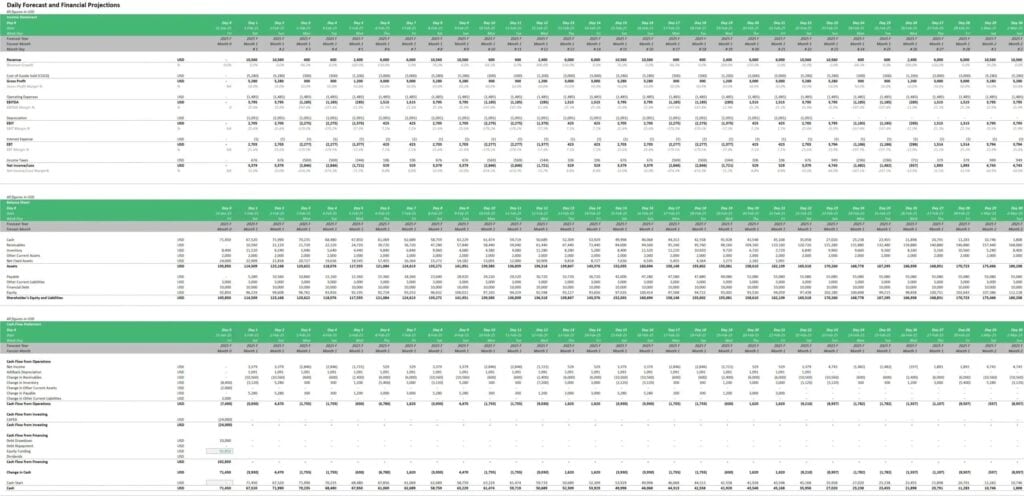
A pop-up retail store’s financial success depends on daily sales, but unpredictable foot traffic makes it hard to forecast revenue. The chart above shows a detailed financial model tracking daily income, costs, and cash flow. Some days have high sales, while others dip, showing how customer flow isn’t steady. This challenge makes planning tricky—too little stock means lost sales, but too much stock wastes money. Pop-ups must adapt fast, adjusting marketing or pricing to stay profitable. Smart cash management, like saving on strong sales days, helps cover slow periods. A Pop-up Store Financial Feasibility Model Template can help businesses prepare for these ups and downs.
Unforeseen Operational Expenses
Running a store comes with surprise costs. You may need extra staff, repairs, or last-minute supplies. These small expenses add up quickly. Having a backup budget and staying flexible helps prevent financial stress.
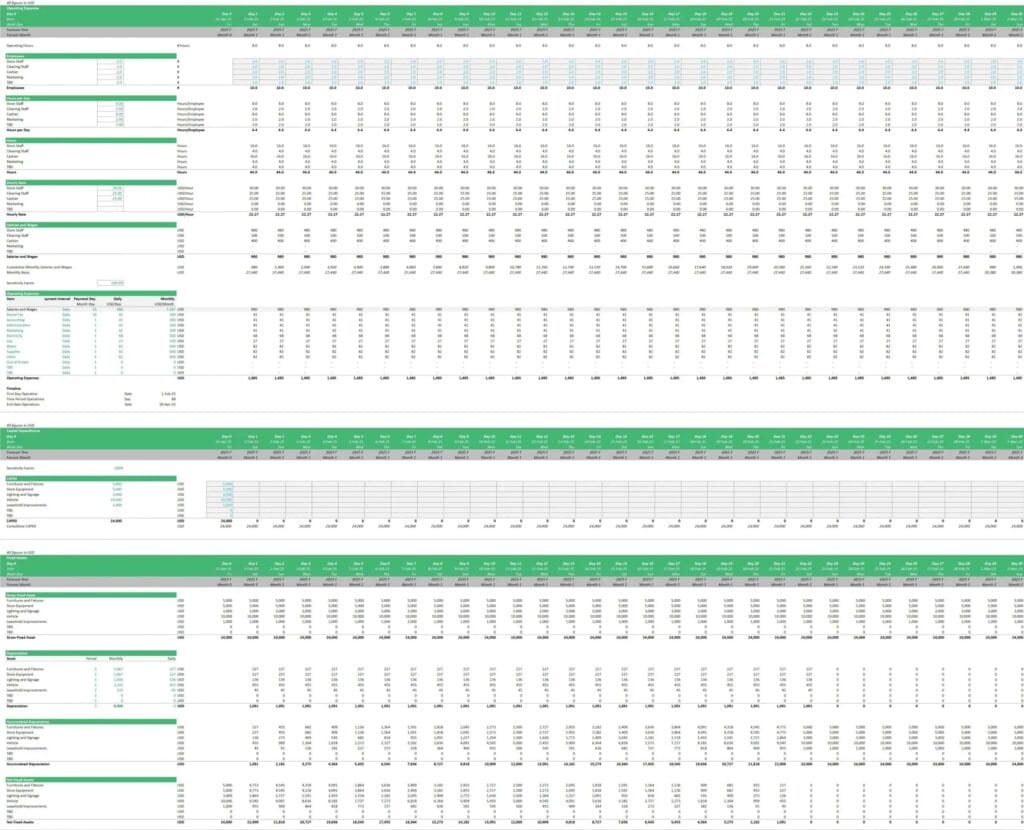
One big, unforeseen challenge of a pop-up retail store is operational expenses—costs you didn’t plan for. Maybe a supplier suddenly charges more, a broken register needs replacing, or a permit fee pops up. These surprise costs eat into profits and can make a business struggle. The model above helps plan for normal expenses, but smart owners set aside extra cash for surprises.
A pop-up retail store business plan helps tackle financial hurdles by keeping costs low and focusing on quick profits. Instead of paying for a long-term lease, you rent a space for a short time, reducing overhead. The plan outlines a budget, pricing, and sales goals so you know exactly how much money you need and how to make it back fast. It also helps attract investors or lenders by showing a clear strategy for success. With a well-planned approach, you can test your idea, build a customer base, and grow without the big risks of a permanent store.
Pop-Up Retail Store Business Plan: Turning Challenges into Profitable Success
Running a pop-up store can be exciting but comes with big financial risks. High upfront costs, unpredictable foot traffic, and limited profit time create major challenges. Business owners must carefully plan their budget, control expenses, and maximize sales before the store closes. Smart inventory management and strong marketing are key to success. Despite the risks, a well-planned pop-up store can build brand awareness, test new markets, and generate strong short-term sales. With the right strategy, entrepreneurs can turn these challenges into profitable opportunities.
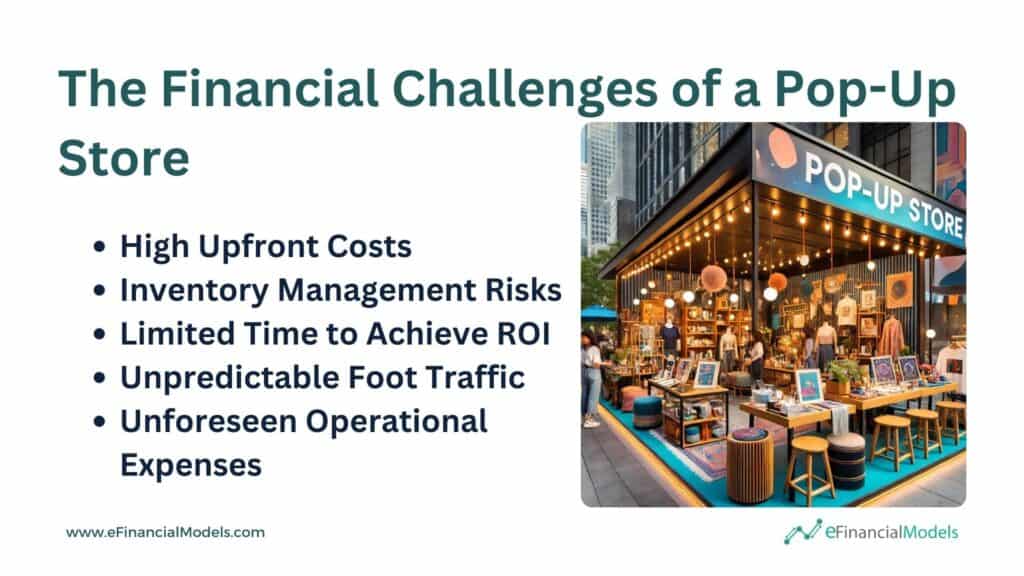
A strong pop-up retail store business plan helps turn risks into rewards. It keeps costs low, sets clear sales goals, and helps owners make smart decisions fast. Without a plan, unexpected expenses and slow sales can wipe out profits. A good plan focuses on location, pricing, and marketing to attract customers quickly. It also prepares for surprises, like extra fees or slow traffic days. With the right strategy, a pop-up store isn’t just a short-term experiment—it’s a smart way to test ideas, build a brand, and make real money.































You might also like:
- 10 Main Elements of a Business Plan
- Financial Modeling for Startups and Small Businesses
- 10 Tips to Develop a First Class Business Valuation Report
- Best in Class Property Appraisal Methods and What to Look Out for
- Financial Projections Templates – The Easy Way
- Revenue Model Templates and their Characteristics
- Top 5 Tips For a Good Financial Due Diligence
- Startup Model Templates in Excel that can help your Business Grow
- Finding a Valuation Model for Your Business
- Five Practical Tips to Help Raise Funds for Startups
- A Deep Dive Into Understanding 10K Reports
- Retail Chain Rollout Strategy Model
- How to Build a Capitalization Table
- 10 Ideas to Increase Average Revenue Per User
- Cash Flow Analysis in Excel
- Budget
- Understanding Debt Sizing & Project Finance Ratios
- Financial Statements – Definition, Uses, Contents and Templates
- 12 Funding Sources for Businesses and Startups
- Improving Days Payable Outstanding for Better Cash Flow