
0 ITEMS

How to Make a Distillery Startup Successful
Table of Content
- Surprising Facts About the Spirit Distillation
- Step 1 – Craft a Distillery Business Plan
- Step 2 – Size Your Distillery
- Step 3 – Legalize the Business
- Step 4 - Build Your Distillery Team
- Step 5 – Perform Financial Feasibility Analysis
- Step 6 – Raise Capital for the Business
- A Smart Guide to Your Distillery’s Success

Glass half full or glass half empty? Nobody cares because people think they’re the same, But if you want to know how to make a distillery startup successful, it matters in your entrepreneurial journey. A glass half full involves optimism over a distillery’s potential for growth. It is one reason the first US President ventured into commercial distillery during the 1700s. A glass half empty means a more cautious approach. That’s why Bols, the oldest distillery, still exists today.
Launching a successful distillery startup is both an art and a science. From a financial modeling perspective, balancing the ‘glass half empty’ realism of cautious planning with the ‘glass half full’ optimism of entrepreneurial spirit is crucial. This spirit distillation approach demands a deep understanding of the industry’s unique challenges and opportunities, from sourcing quality ingredients and managing production costs to financial feasibility analysis in crafting a brand that resonates with discerning consumers.
Surprising Facts About the Spirit Distillation
Spirit distillation has an illustrious history and a roster of superb facts. The earliest record of spirit distillation dates back to 28 BC. The Greek scholar Anaxilaus boiled sea foam (salt) in an eath jar. It was a part of medicinal and ritual practices. Such a tradition continued until the 15th century. Germans began to set up distilleries at home and sell their products during holidays.
Commercial spirit distillation started in the 1500s with the Bulsius family in Amsterdam. They shorten the distilled brand to Bols, the first and oldest spirit in the world – gin. The distillery business was inherently risky when Bols was founded in 1575 in Amsterdam—factors like crop yields, market demand, and the political climate impacted operations. Bols’ ‘glass half empty’ approach adopted a conservative planning approach to help them navigate these uncertainties.
In the 1700s, US President George Washington ventured into the distillery market. He bought five copper stills and a boiler to make 11,000 gallons of whiskey monthly. It was part of his effort to reduce his landholdings and turn a profit. His decision to start a distillery was innovative for its time, a prime example of the ‘glass half full’ optimism. Washington’s willingness to adopt new ideas and practices, such as the latest distilling techniques, and experiment with different grain types reflects an optimistic belief in progress and adaptation. It made distillation a significant component of Mount Vernon.
In 1953, Bill Samuels Sr. elevated spirit distillation by introducing Bourbon. With its bold flavor, Bourbon became one of the most expensive and premium spirits worldwide. Today, Maker’s Mark is the largest global distillery, producing 24 million bottles annually.
The global spirit market has consistently grown over the past 10 to 20 years. Its market share is now estimated at US$ 59,408 million. This is despite the liquor industry being heavily regulated. The distillery industry has solid growth and a clear exit strategy. It provides committed investors with an opportunity for development and a seamless exit. However, running a distillery requires a lot of capital. It also presents difficulties like:
- Markey Competition
- Product Distribution
- Pricing
- Strict Regulation & Standard
- Team Formation
- Funding
Therefore, carrying out a financial feasibility assessment of a distillery project is crucial to guarantee success. Here’s how!













































Step 1 – Craft a Distillery Business Plan
Crafting a winning business plan for your distillery startup is crucial to transforming your vision of artisan spirits into a successful business reality. This detailed roadmap guides the intricate journey of how to make a distillery startup successful and as a persuasive tool to attract investors, lenders, and partners.
A distillery business plan clearly articulates your unique value proposition, delves into market analysis, outlines operational strategies, and presents a comprehensive financial forecast. By meticulously detailing every aspect of your distillery—from the sourcing of raw materials to the branding of your final product—you set a strong foundation for making informed decisions, securing funding, and steering your venture towards profitability and growth in the competitive spirits industry.
The first question you must answer in your distillery business plan is: What will my liquor brand be? Develop a compelling narrative that encapsulates your distillery’s essence. This narrative should include a mission, vision, and specific objectives. You must also provide a detailed overview of your products, emphasizing the types of liquor you plan to produce (e.g., whiskey, vodka, gin) and what sets your product apart. Furthermore, identify your primary market. Consider factors such as age group, lifestyle, income level, and preferences for liquor. Understanding your customer base is crucial for effective marketing and product development.
The other part of your distillery business plan should include an outline of the manufacturing process, ingredient sourcing, and any unique techniques or traditions you employ. Then, develop a brand strategy that resonates with your target audience. How will your brand’s position (premium, mid-range, budget) affect pricing? A strong brand can command higher prices. Together, how will you sell your products:
- Is it Direct-to-Consumer (D2C) in small volumes?
- Should it be Wholesale to Distributors in large volumes?
- Will you engage in Exporting to International Markets?
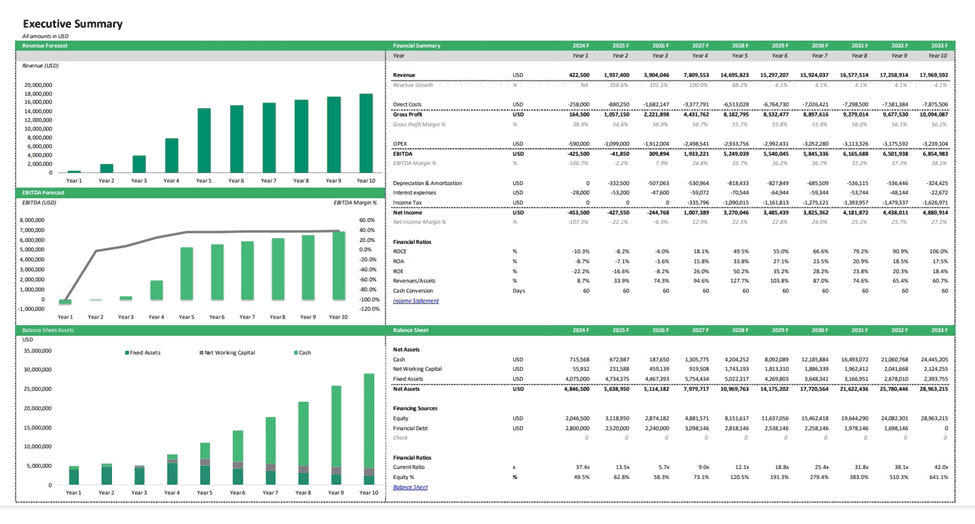
An executive summary for a distillery business plan reflects the above essential elements. It encapsulates the distillery business plan’s essence while engaging enough to encourage further reading. Tailor the language and tone to appeal to your intended audience, whether they are potential investors, partners, or stakeholders.
Step 2 – Size Your Distillery
A comprehensive approach to understanding your target market and analyzing competition is essential for determining the size of your distillery startup and knowing how to make a distillery successful. This process involves balancing various factors to ensure your business’s efficient and profitable operation.
First, assess your potential customers’ income brackets. Determine the age range most likely to consume your products. Identify the specific regions or localities where demand is high. Are they inclined towards whiskey, vodka, gin, etc.? Gauge how often your target market consumes spirits. Understand occasions when your product might be preferred (e.g., celebrations, casual drinking).
Second, conduct market research. Analyze reports from beverage industry analysts for broader market trends. Conduct surveys and focus groups to gather insights. List existing distilleries in your chosen location/region. Study the pricing models of these competitors.
Leverage online data, such as search trends and social media insights.
From the abovementioned data, you can perform a market estimation of the share you can realistically capture. There are two ways to do market sizing for your distillery startup. These are the bottom-up approach market sizing and the top-down approach market sizing.
- The bottom-up approach market sizing involves estimating the potential market size by adding up the individual elements that make up the total market. The bottom-up approach market sizing starts by calculating how many units (bottles) you must sell to break even or achieve the desired profitability.
- The top-down approach market sizing involves starting with a broad, high-level view of the market and then narrowing it down to estimate the specific market segment your startup can realistically target. For example, you might start with the global market size for alcoholic beverages, then focus specifically on distilled spirits when doing a top-down approach market sizing.
A product volume and price forecast sheet is crucial for determining the size of a distillery startup. It enables you to estimate the demand for your distillery products using both the bottom-up approach market sizing and/or top-down approach market sizing. Combining insights from both approaches gives a more balanced view. It helps in understanding the scale at which you should operate. Furthermore, accurate forecasts help determine the raw materials (like grains, yeast, etc.) required and other resources (like labor and energy). It assists in optimizing procurement and minimizing waste, leading to cost efficiency.
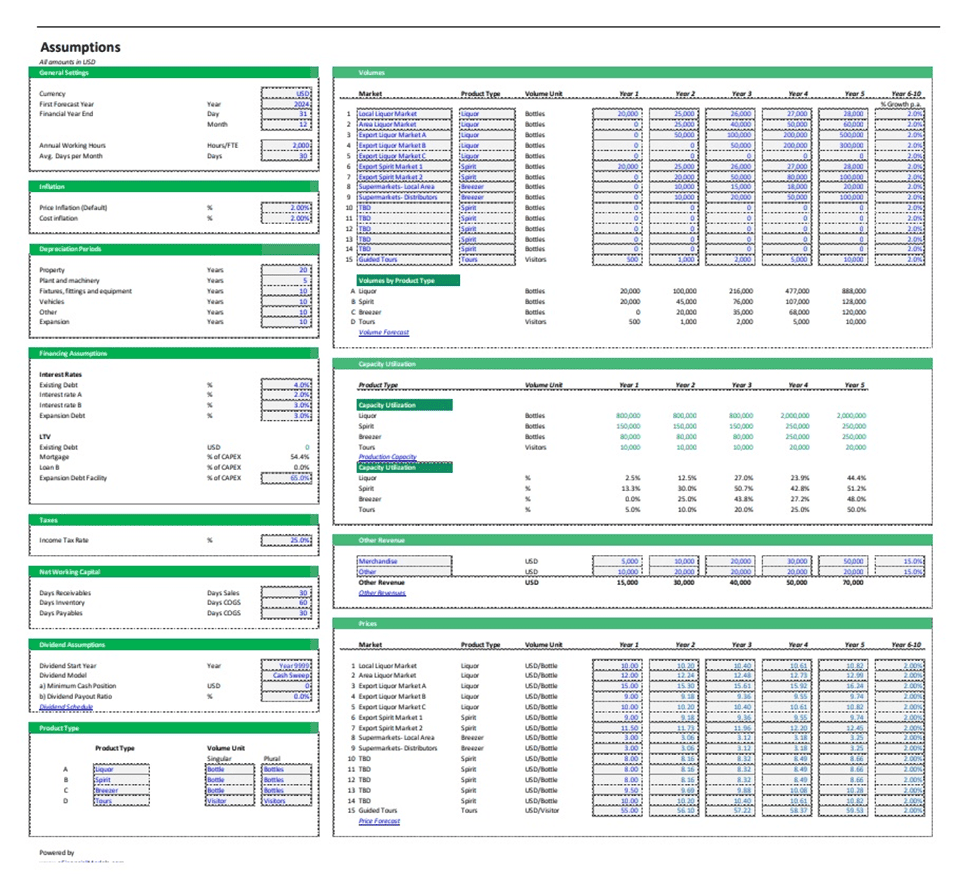
Capacity planning is also essential in determining the size of your distillery startup. Choosing the production capacity for your distillery is a multifaceted process that intertwines market analysis, distribution strategies, and visitor engagement. From your calculated market estimation, you can forecast potential sales volume based on market size, consumer preferences, and economic factors. Consider the costs of scaling production and how they align with expected revenues. Use financial modeling to understand the break-even point and profitability.
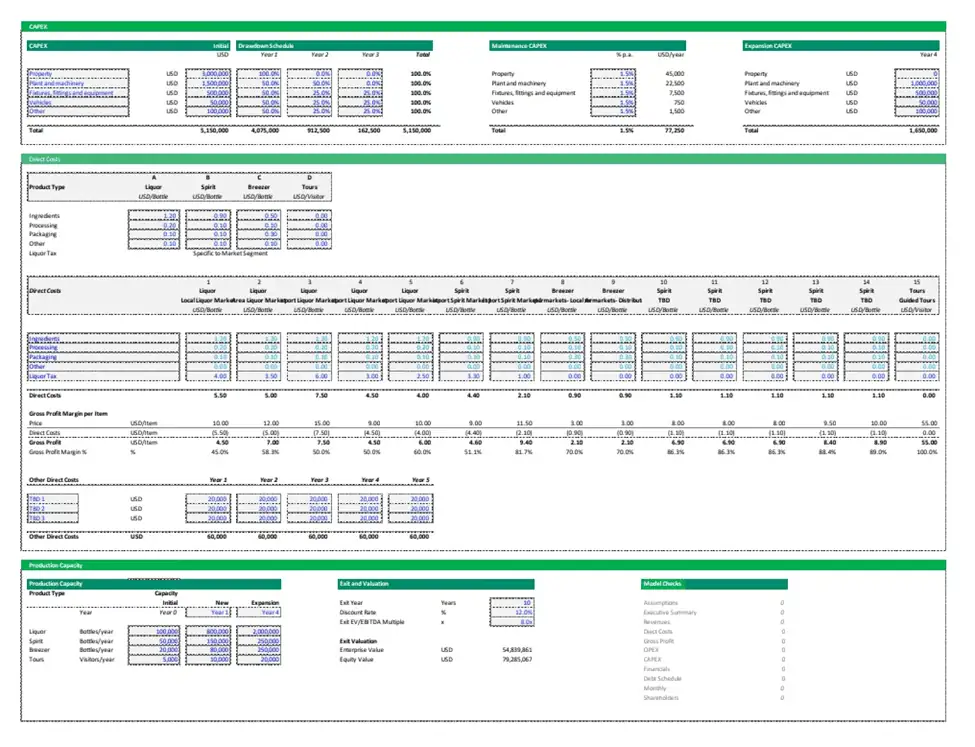
Using this data, you can find distributors with a strong network in your target market and negotiate volume commitments, pricing strategies, and delivery schedules when making them your business partners. Ensure the agreement is flexible enough to accommodate changes in production capacity or market demand. It would help if you also considered offering premium tours or retail space where visitors can purchase your products directly.




















































Step 3 – Legalize the Business
A critical step on how to make a distillery a distillery startup successful is to legalize the business. It is a legal requirement and a strategic business decision that impacts every aspect of the operation, from production and marketing to financial management and growth potential. It aligns with ethical business practices and is essential for long-term success and sustainability in the competitive landscape of spirit production. Setting up a distillery as a legal business entity involves several critical steps, ensuring compliance with various federal, state, and local regulatory requirements.
Choose the appropriate business structure. A sole proprietorship is the simplest form but offers no personal liability protection. For businesses with multiple owners, consider a limited partnership (LP) or limited liability partnership (LLP) for liability protection. A corporation offers liability protection but is more complex and expensive to maintain. While a limited liability company (LLC) combines a corporation’s and a partnership’s benefits, offering flexibility and protection.
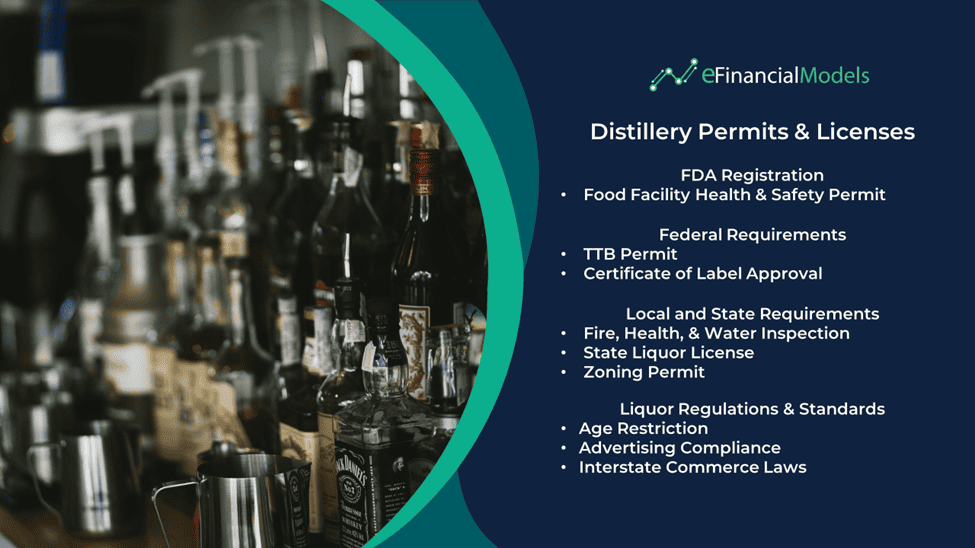
When registering your business, ensure the name is unique and meets state requirements. File the necessary paperwork and obtain an Employer Identification Number (EIN) for tax purposes. It will also be wise to open a business bank account to separate personal and business finances. You may also need to secure the following distillery permits and licenses:
FDA Registration
A distillery startup must obtain necessary approvals from the Food and Drug Administration (FDA), primarily for safety and health reasons. Distilleries must register with the FDA as a food facility because they manufacture, process, pack, or hold food products (alcoholic beverages are categorized as food). This registration is part of the FDA’s Biennial Registration Renewal.
Federal Requirements
Alcohol and Tobacco Tax and Trade Bureau (TTB) Permit: This permit is critical for distilleries and involves a thorough application process, including background checks, a business plan, and security measures.
Certificate of Label Approval: Ensure compliance with federal labeling regulations for new liquor products.
Local and State Requirements
A fire, health, and water inspection ensures the facility meets safety, health, and environmental standards. Specific requirements for a state liquor license vary by state. While a zoning permit ensures the distillery location complies with local zoning laws.
Regulations & Standards of the Liquor Industry
The liquor industry also imposes strict regulations and standards for alcohol distribution and sales. These include advertising compliance, age restrictions, interstate commerce laws, etc.
Step 4 – Build Your Distillery Team
Building a team for a distillery business is a critical step in ensuring the success and scalability of your venture. The hiring and team expansion approach should be strategic, focusing on cost management, skill acquisition, and operational efficiency.
First, you will need to identify the minimum staffing to get started. It may consist of the following:
- Master Distiller: The cornerstone of any distillery, the master distiller oversees the production process, maintains quality, and develops product recipes.
- Assistant Distiller: Assists the master distiller and is involved in the day-to-day operations of the distillery.
- Sales and Marketing Professional: Essential for building brand awareness, establishing distribution channels, and driving sales.
- Operations Manager: Handles the distillery’s logistics, supply chain management, and daily operations.
- Administrative Staff: Manages clerical work, regulatory compliance, and customer service.
This core team ensures a strong foundation for your distillery, balancing production expertise with the necessary business acumen.
As your distillery grows, expanding your team is crucial to handle increased production, market reach, and operational complexity. Key additions may include:
- More Distillers and Technicians: To manage increased production volumes and maintain quality standards.
- Marketing and Sales Team: Expanded team to handle wider market reach, including regional sales managers, brand ambassadors, and digital marketing specialists.
- Finance and Accounting Professionals: Essential for managing increased financial transactions, budgeting, and financial planning.
- Human Resources Manager: To handle recruitment, training, and employee management as the team grows.
- Research and Development Specialist: For product innovation, diversification, and staying competitive.
- Quality Control and Safety Officers: To ensure compliance with industry regulations and maintain product standards.
Financial planning and risk management control provide a clear overview of your staffing costs, aiding in budget management and financial forecasting. A financial feasibility analysis helps identify when and where to invest in new hires, balancing operational needs with cost implications. It assists in the optimal allocation of human resources, ensuring staffing levels align with production demands and growth projections.












Step 5 – Perform Financial Feasibility Analysis
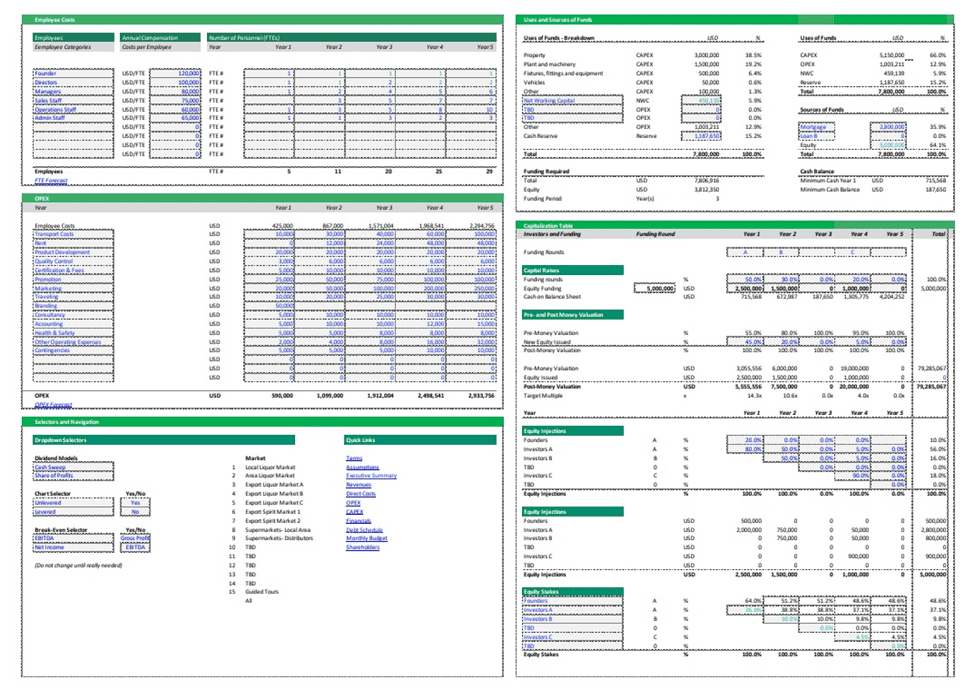
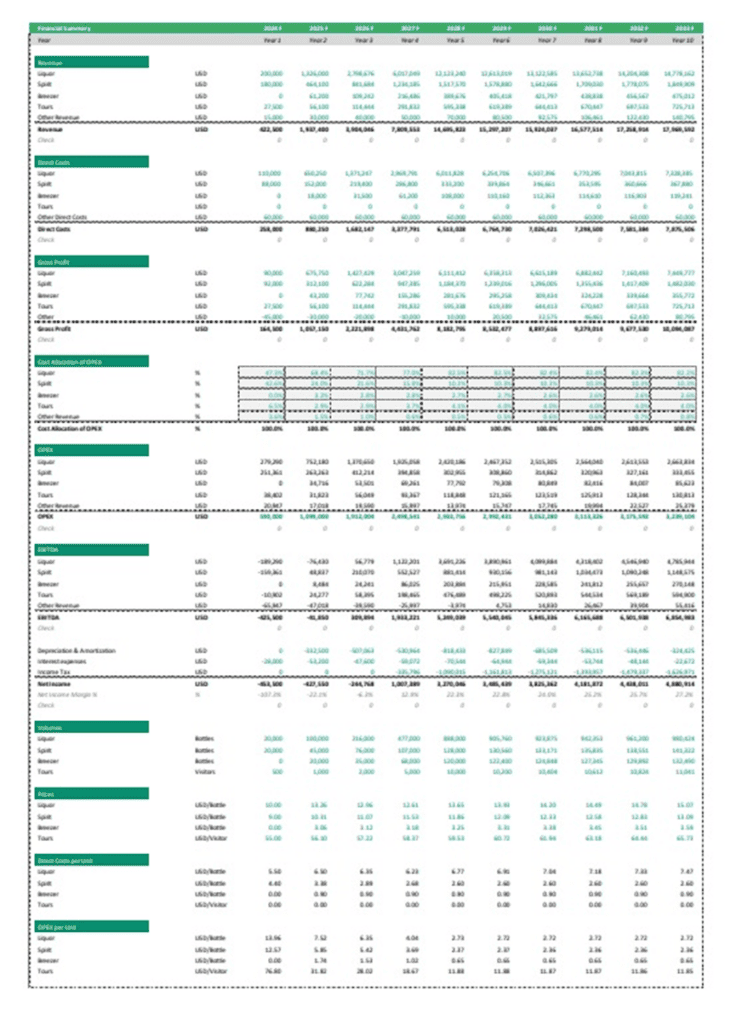
Distilleries require a significant upfront investment in equipment, real estate, licensing, and raw materials. A financial feasibility analysis helps to understand the scale of investment needed and to secure funding, whether from investors, loans, or personal savings. The distillation process, from production to aging and bottling, can be time-consuming, affecting cash flows. Analyzing financial feasibility aids in planning for these time gaps, ensuring the business can sustain itself during periods where expenses may outweigh revenue. Performing a financial feasibility analysis for a distillery startup requires meticulous planning and precise calculations. Let’s break down the process into the critical components:
- Pricing Your Liquor: Pricing strategy is crucial for a distillery startup, especially when dealing with high-end products. Your approach to differential pricing based on distribution channels is wise. Begin by calculating the total cost of production per liter, including raw materials, labor, overhead, and any other relevant costs. Add your desired gross profit margin to determine the minimum selling price. Research competitor pricing in similar quality brackets across different channels. Adjust your pricing within the suggested market standards, generally $10-12/liter for distributors, $15-25/liter for retailers, and $30-50/liter for end customers. A sales volume and price forecast template can help project future sales and revenue under different pricing scenarios. It can also help you understand how varied price points affect demand and revenue, allowing you to make more informed pricing decisions.
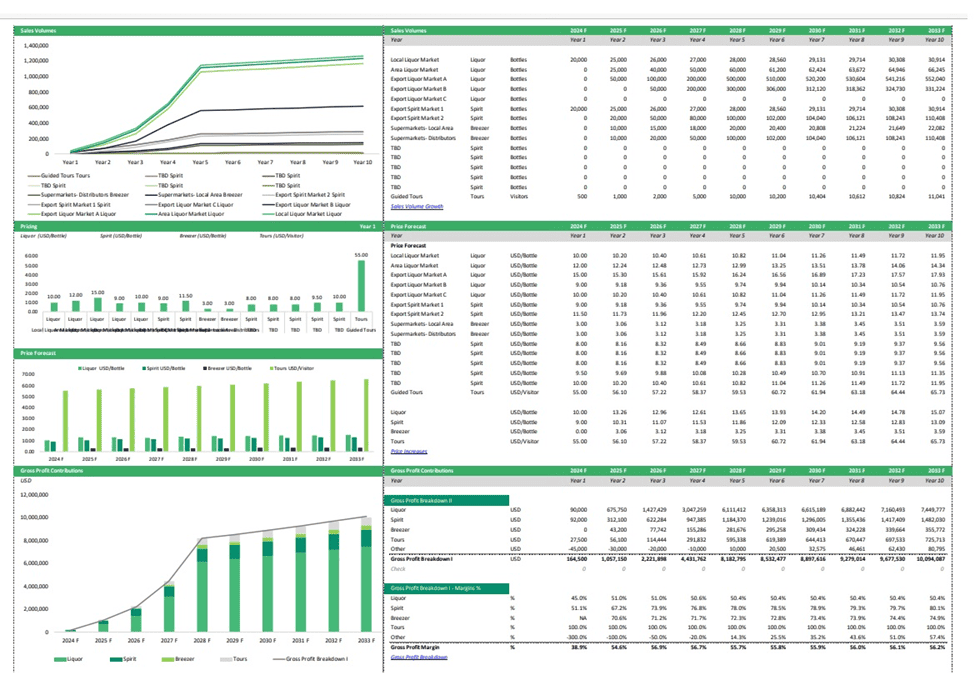
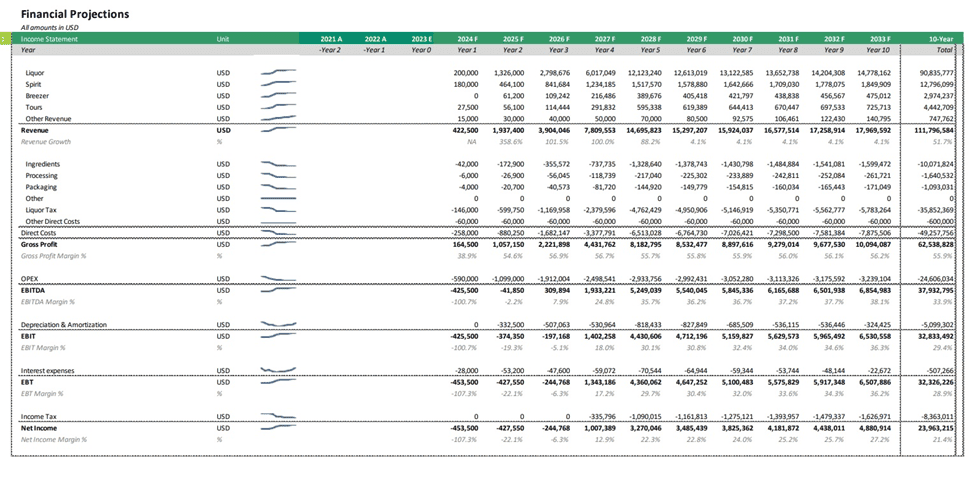
- Projected Revenues: Projected revenues estimate the distillery’s future income. To calculate this, you must create a detailed sales forecast considering production capacity, pricing strategy, market demand, and sales channels. Include diverse revenue streams like on-site sales, distribution, and retail. Each stream may have different pricing and cost structures. A distillery financial projection template can integrate all these variables to provide a comprehensive view of your expected revenues, helping you understand the distillery’s financial viability.
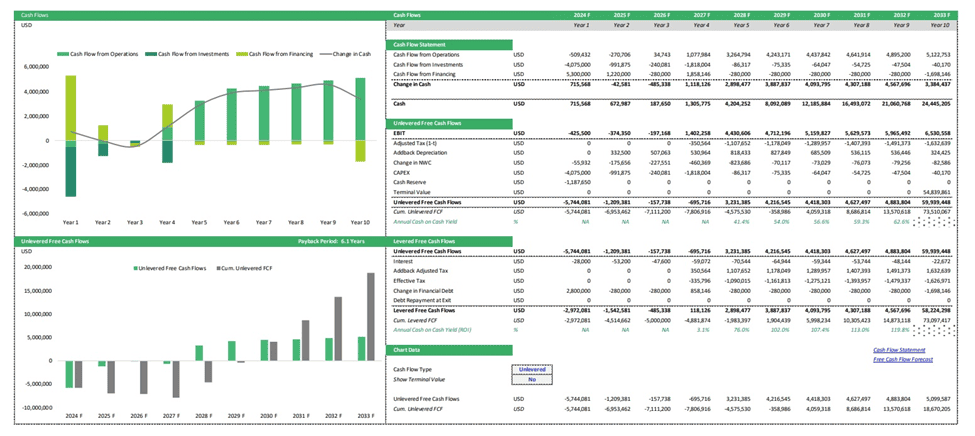
- Free Cash Flows Forecast: Cash flow forecasting is vital for managing your startup’s liquidity. Develop a detailed projection that includes all cash inflows (sales revenue, financing, etc.) and outflows (operational expenses, loan repayments, capital expenditures). Regularly update your cash flow forecast to reflect actual business performance and market conditions. A distillery cash flow forecast sheet can simplify the process by offering a structured way to forecast cash flows, helping you anticipate and manage liquidity needs.
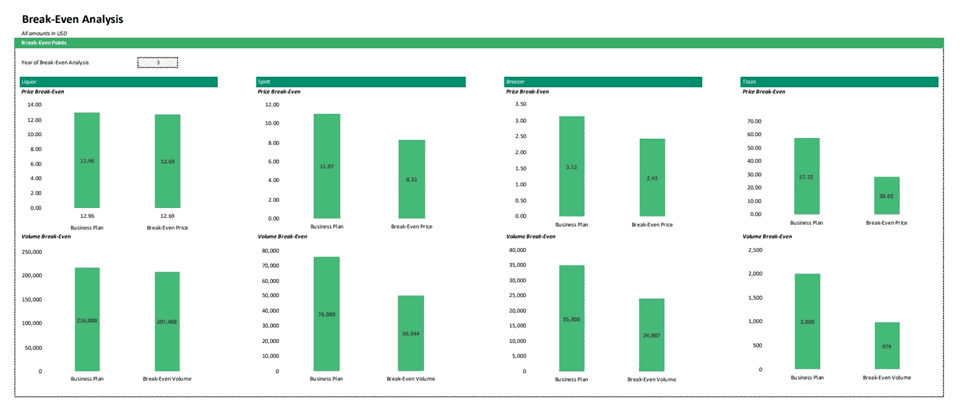
- Profitability Analysis: Analyzing the profitability of your distillery involves several key metrics:
- Break-Even Analysis: Calculate the point at which total revenues equal total costs. It will indicate the minimum sales volume required to start making a profit.
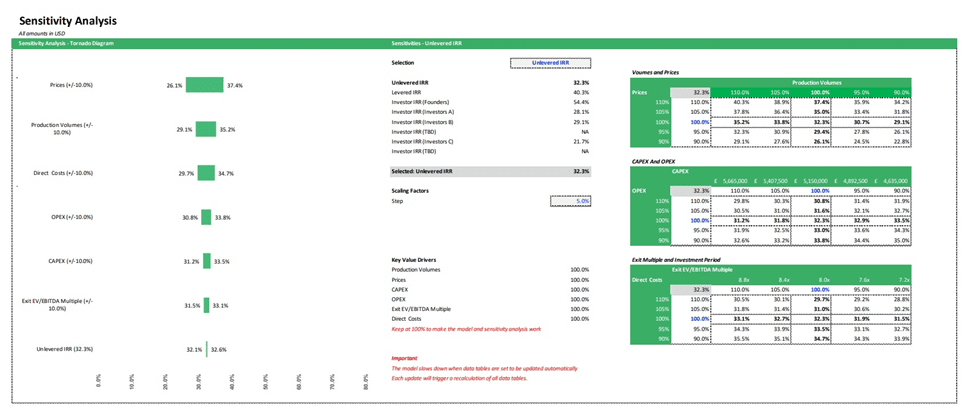
- Profitability Ratios: Key ratios like Gross Profit Margin, Internal Rate of Return (IRR), and Net Present Value (NPV) are crucial for assessing the financial health of your distillery.
- Scenario Analysis: Conducting scenario analyses (best and worst-case scenarios) can help prepare for various market conditions and operational challenges.
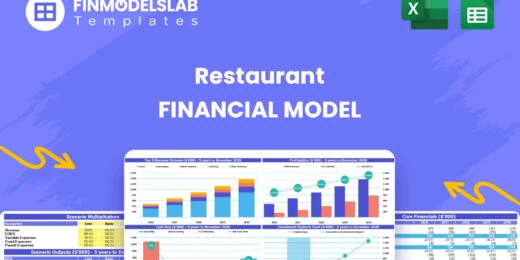
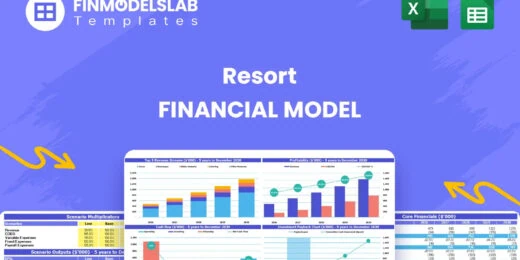
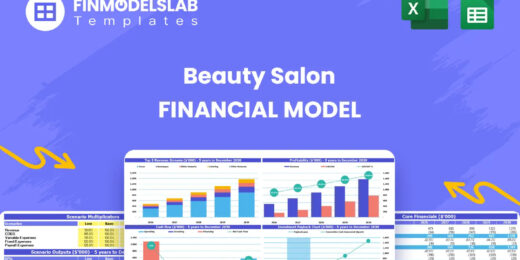
Utilizing a distillery financial plan template helps streamline these analyses. These templates can integrate different aspects of your business model, providing a comprehensive overview of your distillery startup’s financial feasibility analysis.
Step 6 – Raise Capital for the Business
Raising capital for a distillery startup is a multifaceted process that requires a detailed understanding of the initial and ongoing costs and a well-thought-out strategy for securing funding. It involves two phases:
Estimating the Costs of Starting a Distillery
Estimating the costs of starting a distillery is essential, particularly in financial planning and risk management. A thorough cost estimate helps entrepreneurs and investors understand the financial requirements and potential risks of setting up a distillery, enabling them to make informed decisions about resource allocation and funding strategies.
- Facility Acquisition or Construction: This can be a significant expense. It includes purchasing land, building costs, or leasing a facility. Renovations specific to distillery needs (like storage for barrels and production areas) must be considered.
- Distillery Equipment: Essential distillery equipment includes stills, fermenters, mash tuns, and bottling lines. The cost varies greatly depending on capacity and quality.
- Licenses and Permits: The alcohol industry is highly regulated. Costs include federal and state licensing, health and safety permits, and possibly local zoning permits.
- Initial Inventory: This includes raw materials (grains, yeast, water, etc.) and packaging materials. Remember, aging spirits means your inventory will be tied up for potentially years before it can generate revenue.
- Ongoing Operating Costs: Ongoing operating costs for a distillery encompass the continuous expenses involved in running the facility, including raw material purchases, utility bills, labor costs, maintenance, and compliance with safety and legal regulations.
- Labor: Skilled labor for production, marketing, sales, and administrative roles.
- Raw Materials and Utilities: Regular purchases of ingredients and costs of utilities like water, electricity, and gas.
- Maintenance: Regular equipment maintenance and facility upkeep.
- Marketing: Brand building, advertising, and promotional activities are critical for new distilleries.
- Miscellaneous Expenses: Insurance, legal fees, and accounting services.
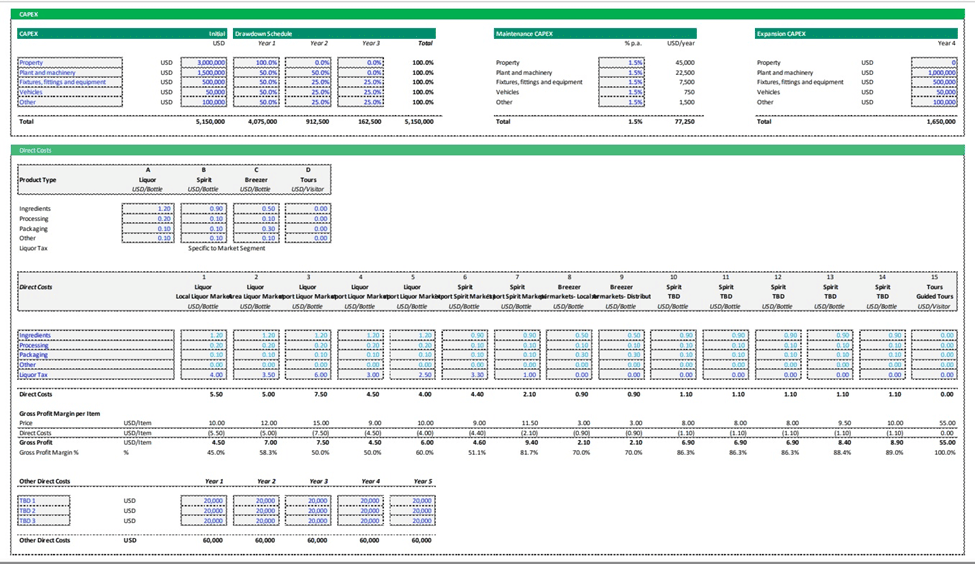
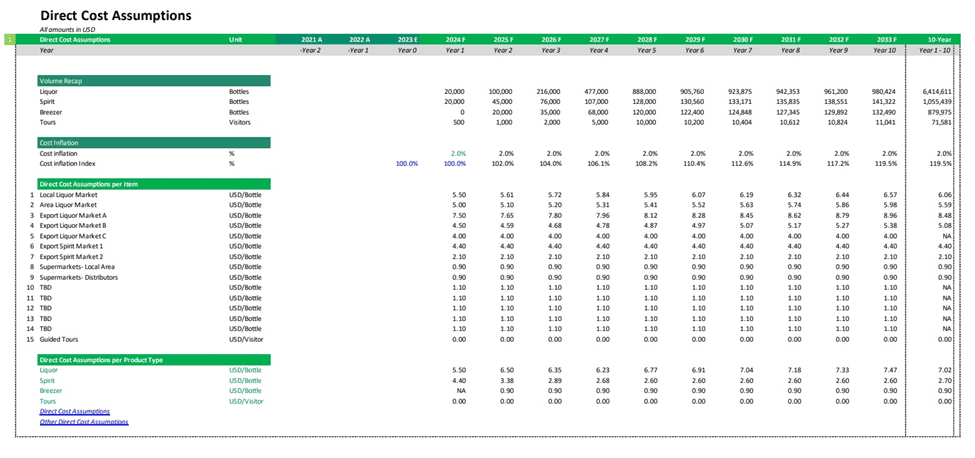
A CAPEX (Capital Expenditure) and Cost Assumption sheet is crucial in funding a distillery startup and is pivotal in several key areas. The CAPEX sheet details the initial investment required to set up the distillery. On the other hand, the Cost Assumption sheet outlines ongoing operational expenses like raw materials, labor, utilities, maintenance, and marketing. Together, they provide a comprehensive view of the startup’s financial needs.
Evaluate Financing Options for Your Distillery
Financing options for a distillery startup typically include traditional bank loans, personal savings, friends and family loans, and investors.
- Bank Loans: Large amounts can be borrowed with structured repayment terms. But it may require a good credit history and collateral.
- Personal Savings: You can make business decisions without interest or debt obligations. However, it can be risky in terms of personal financial loss.
- Friends or Family: These offer flexible repayment terms with lower or no interest rates. Yet, it risks restraining personal relationships if the business struggles.
- Investors: Investors can provide access to more significant sums of money and may offer valuable expertise and networks. However, they may also dilute ownership and exert pressure for growth and returns.
Bank loans and investors often have clear terms for repayment or expectations for returns. Meeting these obligations should be central to your financial planning. Funds from personal savings, friends, and family are more flexible but require careful management to maintain trust and financial health.
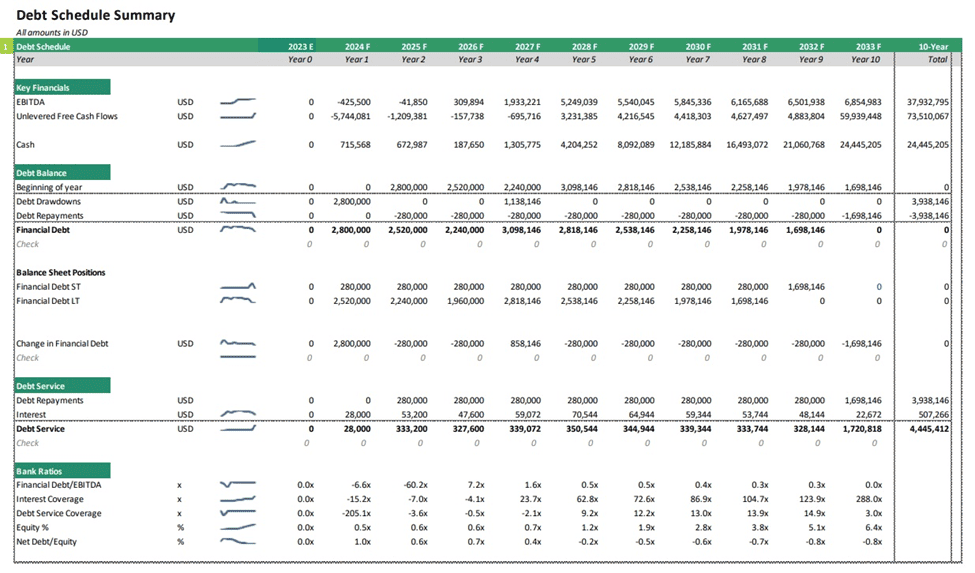
A debt schedule sheet is crucial for a distillery startup as it outlines the timing and structure of repayments for borrowed funds, enabling the business to effectively plan cash flows and budget. This detailed overview of debt obligations assists in presenting a clear financial picture to potential lenders or investors, demonstrating the startup’s ability to manage and repay funding responsibly.
A Smart Guide to Your Distillery’s Success
Creating a successful distillery startup requires meticulous planning and a strategic approach:
- Craft a distillery business plan to understand your customer preferences, target market, and industry trends.
- Size your distillery to determine the scale of your operation.
- Legalize the business to stay compliant with industry-specific regulations.
- Build your distillery team for smooth daily functioning.
- Perform financial feasibility analysis to evaluate viability, potential risks, and mitigation strategies.
- Raise capital for the business by knowing the funding you need and assessing financing options.
A distillery financial plan template can intelligently guide your distillery’s success. It can provide a structured, data-driven approach to decision-making. To streamline your journey, we offer specialized distillery startup templates. These tools are designed to assist in the overall formulation of business strategy. They are tailored to meet the unique needs of entrepreneurs and startups in the distillery industry. Remember, success in the distillery business is not just about spirit distillation; it’s about meticulous planning, understanding the market, and making informed decisions. Our templates and services support you every step of the way.