
0 ITEMS

Solar Farm (PV) – Project Finance
The model is a comprehensive tool designed for assessing the financial viability and investor returns of a Solar Farm Project Finance. It integrates all necessary data for analyzing development costs, energy production, and operating expenses. The model features optimization macros for calculating key financial metrics like IRR and NPV and includes detailed financing components. Through scenario analysis and debt structuring, it aids in strategic decision-making.


The primary objective of this model is to facilitate a comprehensive evaluation of the financial viability of a Solar Farm venture while also assessing potential investor returns. It encompasses the full array of data required to determine development and construction expenditures and project energy output, income, and operating costs. The model intricately details the financing components of a finance project and, through optimizing macros, computes critical return indices such as IRR (Internal Rate of Return), NPV (Net Present Value).
Model Structure:
– Summary: The sheet offers an overview of critical cost and return figures. Given inputs and constraints, the model features several macros to guide users towards an optimized solution.
– Model Report: This sheet compiles integrated summary statements, including a Cash Flow Waterfall, a Profit & Loss statement, and a Balance Sheet.
– Financial Statements: The model encompasses both periodic Three Financial Statements (Quarterly, Semiannually according with the months in the period inputted) and annual Financial Statements Sheet.
– Construction Expenses & Funding: This feature delineates the upfront costs associated with construction and the strategies for funding them. It provides a granular breakdown of expenditures and synchronizes financing solutions with the project’s timeline.
– Operational Calculations: This section serves as the backbone for forecasting the primary operational metrics, such as revenues and expenses, painting a detailed picture of the financial operations post-construction.
– Equity: The equity component reflects capital contributions based on capital structure requirements and financial ratios, echoing the interplay between equity size and economic health.
– Loan: Our model uniquely captures the evolution of project debt, starting as a construction loan before transitioning into a term loan—a strategy reflective of real-world practices where terms are often renegotiated post-construction for more favorable conditions.
– Ratios: We incorporate key project finance metrics such as Debt Service Coverage Ratio (DSCR), Project Life Coverage Ratio (PLCR), and Loan Life Coverage Ratio (LLCR), with several variants for each calculation, ensuring a comprehensive understanding of the project’s financial robustness.
– Debt Service Reserve Account (DSRA): This account is structured to forecast necessary reserves, securing debt service against potential cash flow shortcomings.
– Major Maintenance Reserve Account (MMRA): In this sheet, we project the MMRA account for future major maintenance undertakings.
– Revolver Credit Facility (RCF): The RCF component models a flexible credit line to manage liquidity, crucial for the ebbs and flows of project financing.
– Shareholder Loan (SHL): This tracks shareholder loans, presenting a flexible financing option that can be customized to the project’s financing strategy. This means that the model can better align the equity contribution with project finance practices.
– Taxes: The tax component of the model accounts for various incentives, namely Depreciation Taxes and tax deferments.
– Valuation: Our valuation framework utilizes discounted cash flows and other pertinent valuation metrics to assess the viability of the project.
– Checks: The model incorporates rigorous validation checks to ensure data integrity and consistency, particularly regarding debt sizing, adherence to financial ratios, and other project requirements.
– Tracking: This is a manual sheet that gives users the ability to compare the live cases with previous ones and assess where changes have occurred vis-à-vis the selected scenario.
This model stands as a testament to financial precision in solar project financing, serving as a powerful guide for stakeholders in making enlightened decisions for the PV Solar Project.
File Type: .xlsm and .pdf
Similar ProductsOther customers were also interested in...


 AUT
AUT
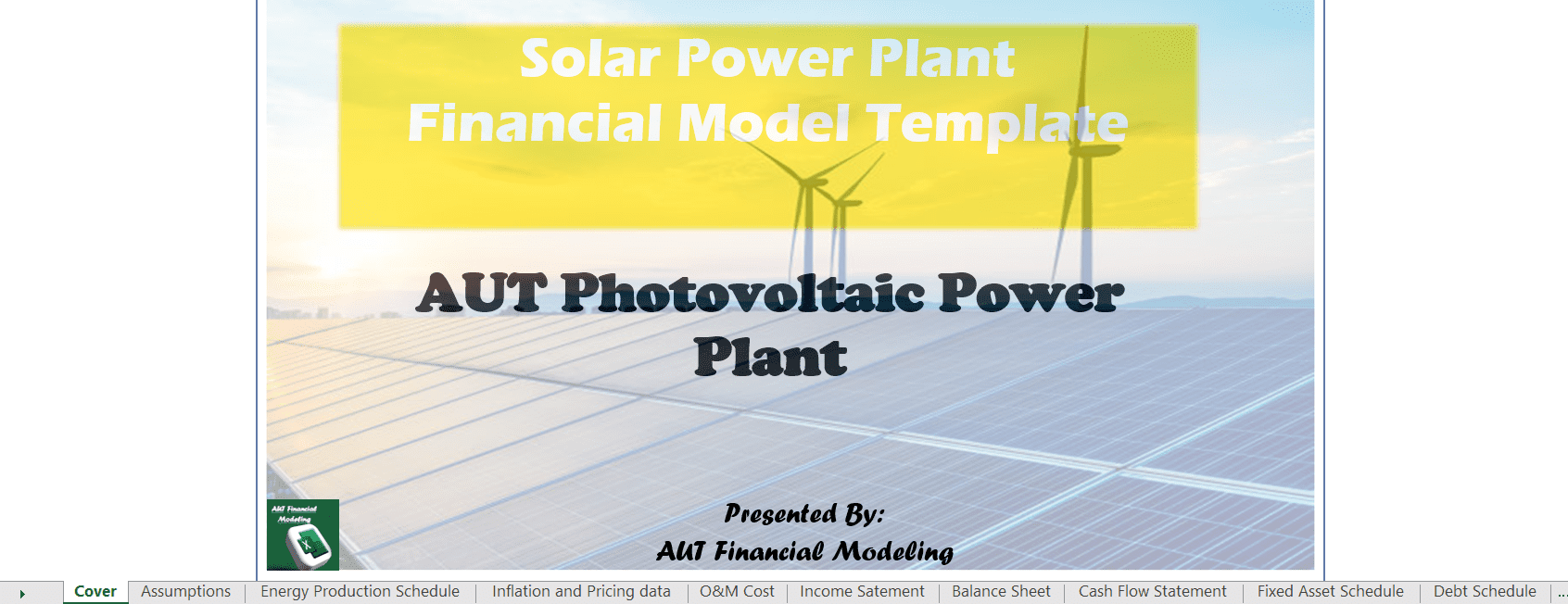
Solar Energy Power Plant Financial Model
In order to assess the financial viability of a Solar Park project, the Solar Energy Financial Model... Read more
 Finexmod
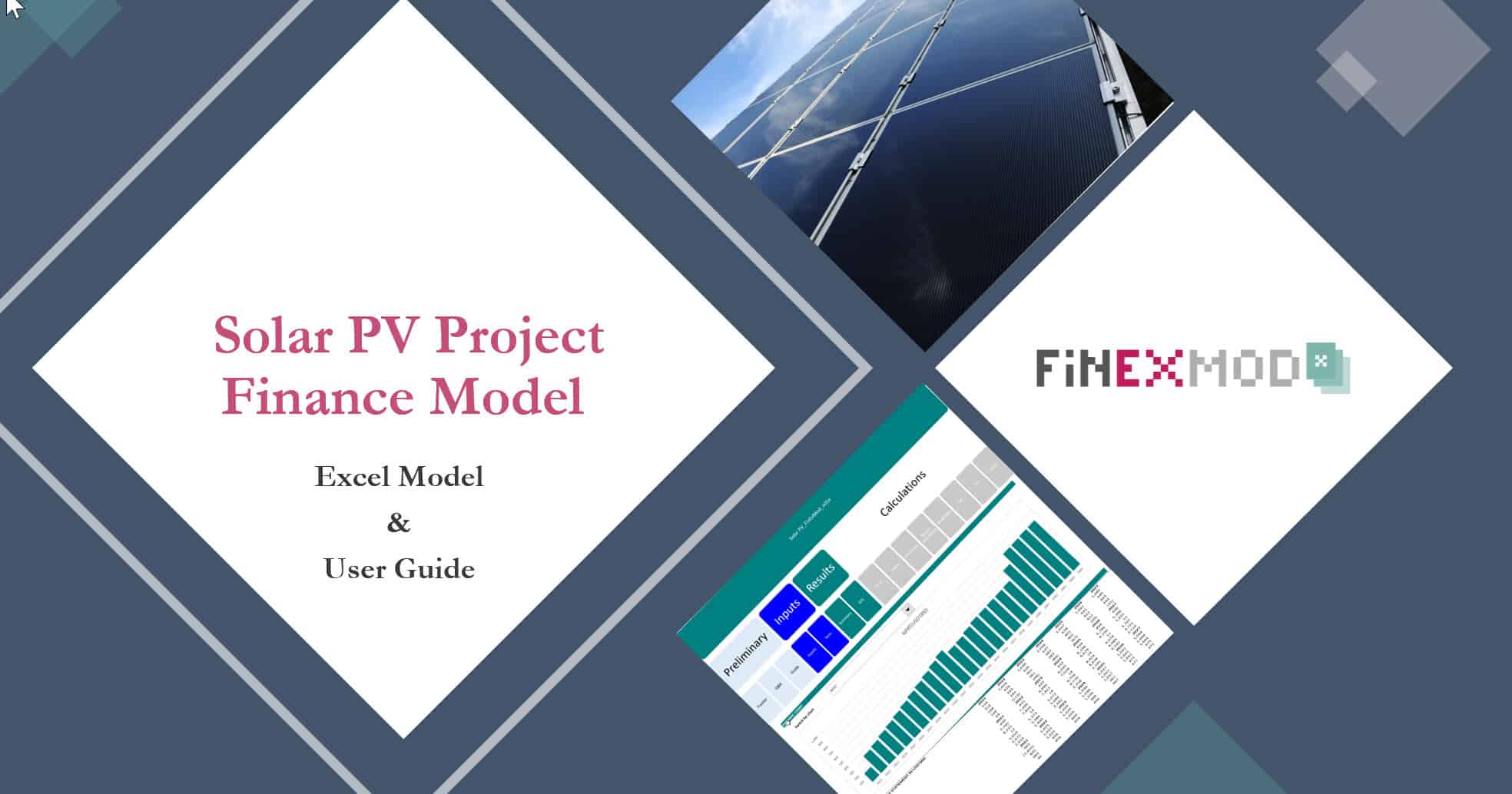
Solar PV Project Finance Model Template
The Financial Model (the “Model”) is a cash flow based project finance model that appl... Read more

 eFinancialModels
Solar Energy Financial Model
The Solar Energy Financial Model Spreadsheet Template in Excel assists you in preparing a sophistica... Read more
 Pushkar
Biomass to Hydrogen Gas PPP Project Model Template
Biomass to Hydrogen Gas PPP Project Model with 3 Statements, Cash Waterfall & NPV – IRR Analys... Read more
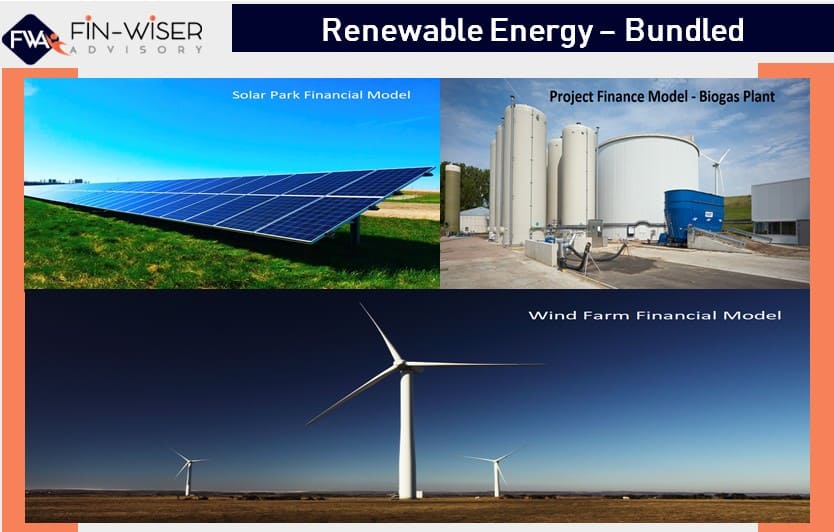
Renewable Energy Financial Model Template Bundle
Take this opportunity and get a discount by getting the Renewable Energy Bundle where you get Solar,... Read more
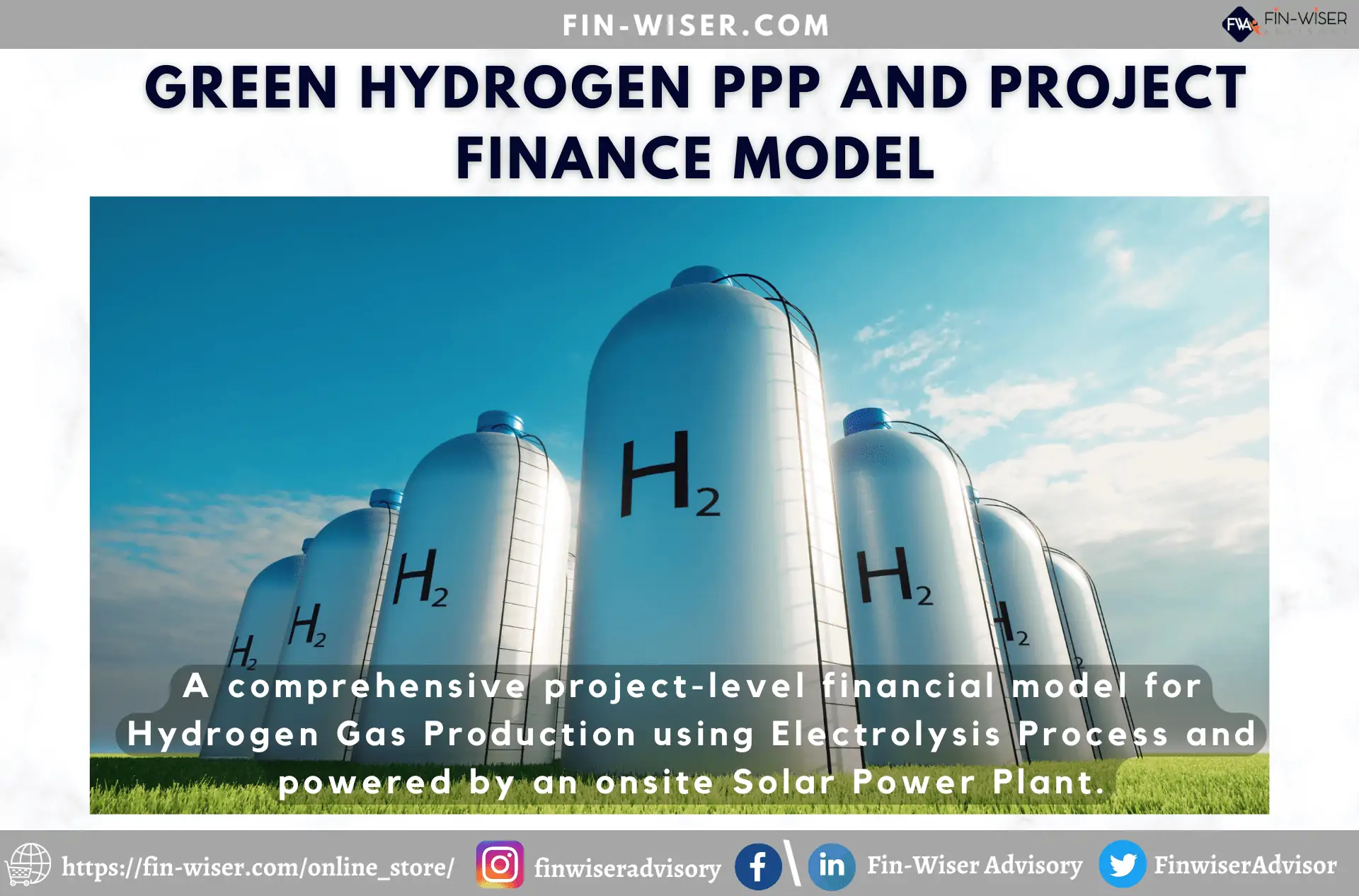
Green Hydrogen Project Financial Model (Electrolys...
A Project-Level Financial Model to assess the financial feasibility of setting up and operating a Gr... Read more
Solar Farm Development Model
Solar Farm Excel Model Template is an excellent tool to assess the financial feasibility of a propos... Read more
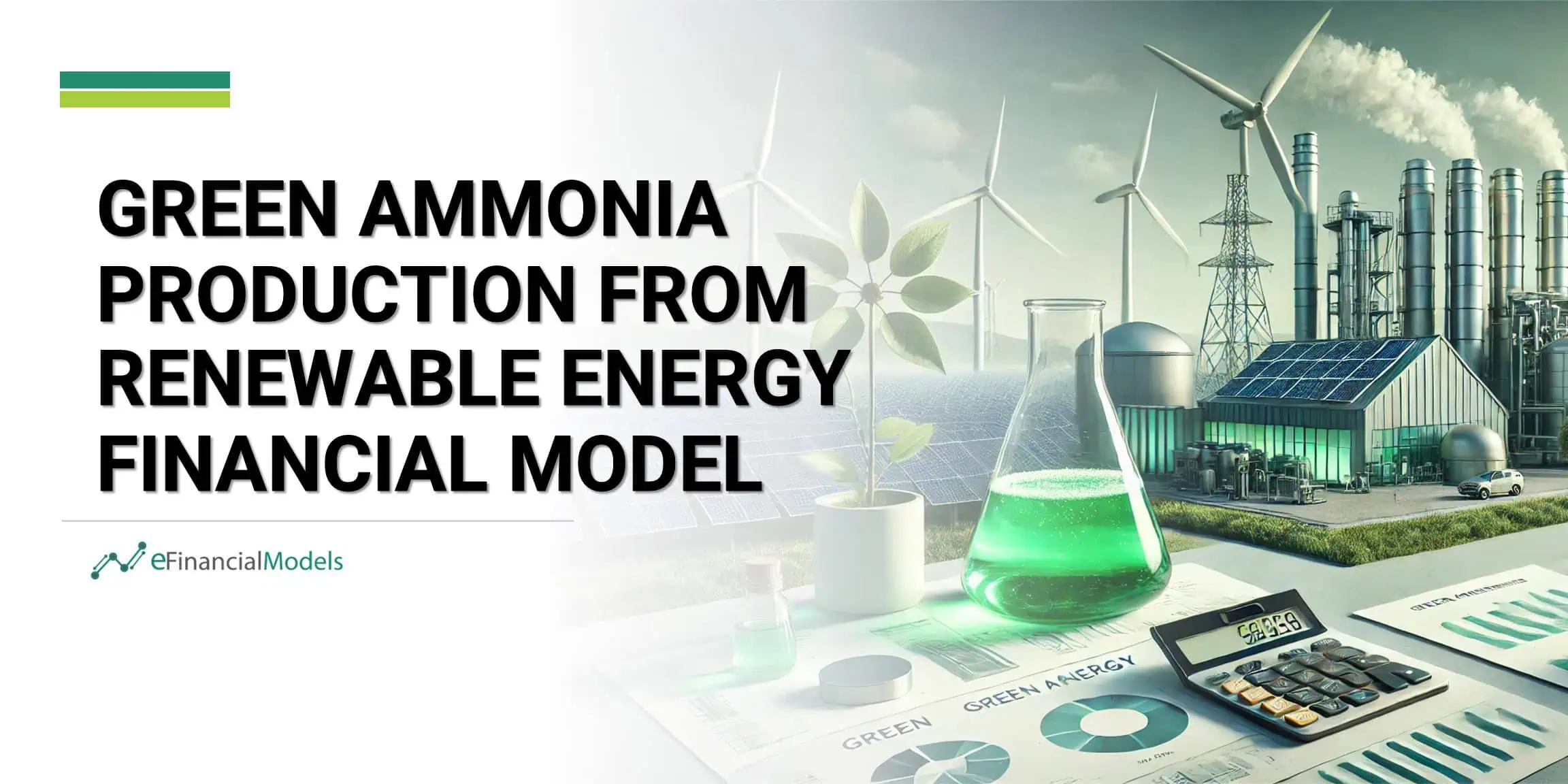
Green Ammonia from Renewable Energy Financial Mode...
This comprehensive 40-year tool aid investors in evaluating potential risks and returns and assess t... Read more

Hydrogen Gas Sales & Tolling Business Plan an...
Hydrogen Gas Sales & Tolling Fee business plan and valuation model is an excellent tool to asses... Read more
 Giorgos
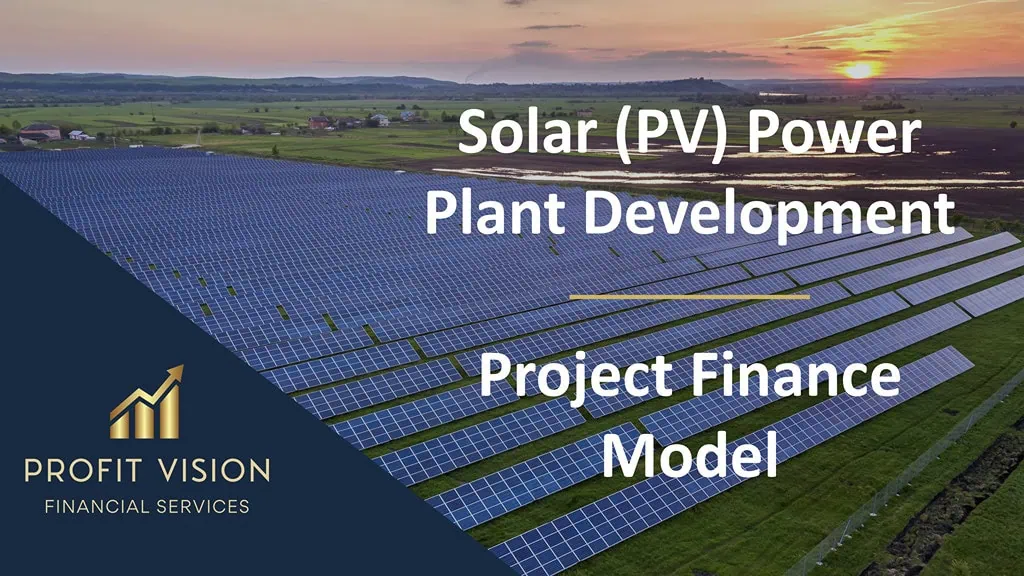
Solar (PV) Power Plant – Project Finance Mod...
Project Finance Model for a Solar (PV) Power Plant projecting revenue, operating costs, and cash flo... Read more
Reviews
 Just Some Recommendations for additions to the Model
Hi
The model is fantastic and delivers what’s required. Is it possible to include the battery energy storage(BESS) where in some of the power generated during the day can be stored for use during peak hours when the sun is not shining. The reason being that the total power generated during the day may not all be utilised during the day for various reasons, so the idea is to store it and release it during the night when is needed, if not stored it gets lost and/or wasted.
591 of 1134 people found this review helpful.
Help other customers find the most helpful reviews
Did you find this review helpful?
You must log in to submit a review.