
0 ITEMS

Return on Investment (ROI)
ROI is a widely used metric to evaluate the profitability of an investment relative to its cost. Our financial model templates include tools to calculate and analyze ROI, helping investors and businesses assess the success of investments and make informed decisions.
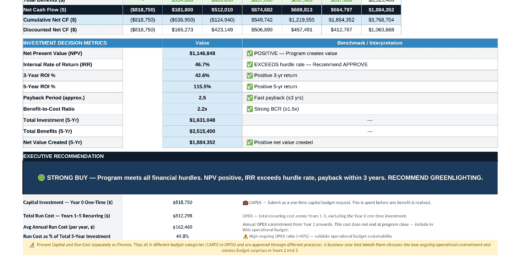

Ten-tab Excel model that appraises an AI investment using the…
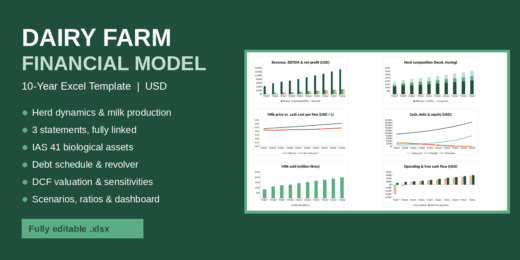

A complete, fully linked Excel financial model for dairy farms,…

A detailed 5-year Excel financial model for a calf fattening…

Find out which assets in your hire fleet actually earn…
Underwrite a small-business acquisition the way a lender will: SBA…


🔥 Premium AI / LLM Company Valuation Financial Model A…


Small Hydropower Bankable Financial Model — Summary This is a…


Plan and forecast your film production business with a ready…
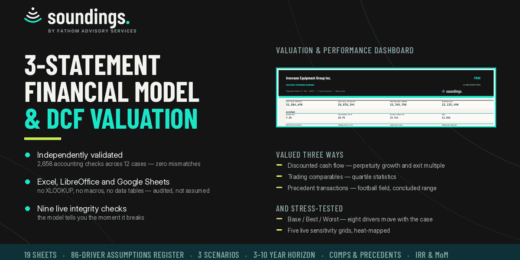

An integrated three-statement operating model valued three ways: discounted cash…
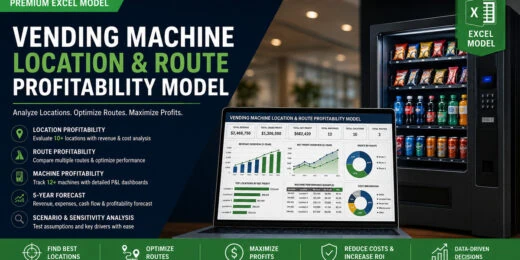
Evaluate a vending-machine business from individual machine economics to location…


Underwrite multifamily deals the way institutional buyers do — without…


Whether you're launching a startup, planning business expansion, preparing for…

Download a ready-to-use Tennis Club Financial Model Template built for…

Premium Private School & University Financial Model designed for integrated…

Premium 30-year Oil & Gas Upstream and Downstream Financial Model…

Premium TCFD / ISSB Physical Climate Risk Financial Model designed…

🔥 Premium Tokenomics & Web3 Token Launch Financial Model A…

Premium Green Hydrogen Production Levelized Cost of Hydrogen model for…

🚀 Premium eVTOL / Urban Air Mobility Financial Model A…

A premium Nuclear Fusion Project Finance Model designed for evaluating…

🚘 Premium Autonomous Vehicle / Robotaxi Fleet Operations Financial Model…
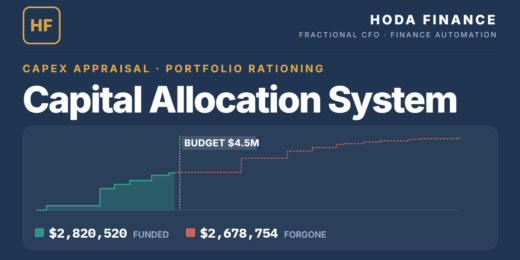

A 26-tab capital allocation system: 20 projects over 25 years,…


10-year financial model for a farmland investment fund providing forecasts,…

A specialized Excel valuation model for longevity and anti-aging biotechnology…
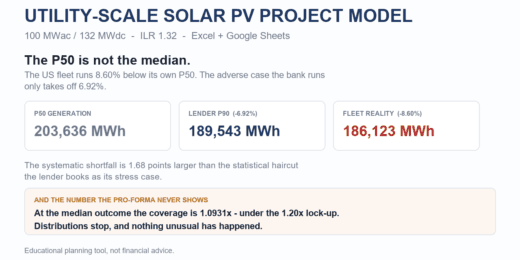

Excel financial model for solar developers, IPPs and lenders, to…

An integrated 10-year real estate portfolio model for underwriting and…

An institutional-style, fully editable model for probability-adjusted pharmaceutical valuation, commercial…


This is a back-of-envelope multifamily development model. It takes a…

A professional Excel financial model for residential building development projects…

The Data Center Development Financial Model by PDMM is a…

🏦 Leveraged Buyout Financial Model Bundle — Lite + Pro…

🚀 A professional Private Equity Buy-and-Build Roll-Up M&A Financial Model…

This Excel model is built for a hybrid P2P +…

A complete, editable Veterinary Clinic Financial Model Pro built for…

Plan, forecast and value a full-service events company with this…


This Excel-based 10-Project Financial Modeling Platform is designed as a…

⚡ Premium Voluntary Carbon Market (VCM) Project Developer Financial Model,…

Poultry Farm Financial Model – 10-Year Forecast, Valuation, Feasibility &…

🚀 AI GPU-as-a-Service / AI Compute Data Center Financial Model…

🚀 Premium Embedded Finance / Banking-as-a-Service Platform Financial Model. A…

A premium Excel financial model bundle created by PDMM for…

Plan, finance, and optimize an EV fleet depot charging project…

A professional PFAS Water Treatment & Remediation Financial Model created…

A professional Excel financial model for planning, forecasting, valuing, and…

A professional Excel financial model for commercial airline planning, aircraft…

A professional Solar + Battery Energy Storage System (BESS) financial…

A professional 5-year integrated financial statements Excel model designed for…

The Waterfall Profit Distribution Model – Up to 4 Tiers…

The Manufacturing Startup Feasibility Financial Model by PDMM is a…

A premium salary-based microfinance lending financial model package built for…

This professional Excel template helps users evaluate a microfinance, digital…

A professional biotech and pharma startup financial model package built…

A ready-to-use Equipment Rental Marketplace Financial Model Template delivering dynamic…

10-year financial model for a Water-as-a-Service project providing forecasts, valuation,…

A professional 8-12 MTPA Liquefied Natural Gas (LNG) Financial and…

A ready-to-use Excel Solar Farm + BESS Financial Model Template…
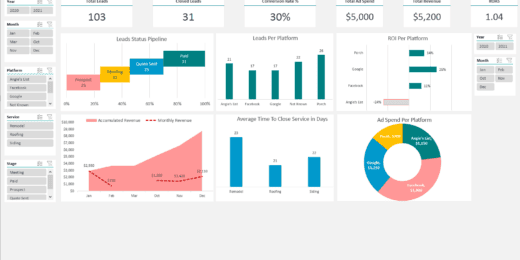

Utilizing this template, you can effectively manage leads generated from…


Professional Excel budget planner developed for small businesses. Includes 5…

Investor-ready financial model for a HVDC interconnector development project providing…


This fully unlocked 5 Year, 12-tab institutional-grade Excel template is…
ROI Essentials: Understanding Your Investment Returns

Understanding Return on Investment (ROI)
Return on Investment (ROI) is a key metric used to evaluate the profitability of an investment. It represents the ratio between net profit and the initial cost of investment. The importance of ROI lies in its ability to help businesses and individuals gauge the effectiveness of their investments, making it an essential tool for financial analysis.
What are ROI marketing services?
ROI marketing services are specialized strategies that optimize marketing efforts to ensure the highest potential return. These services assess campaign performance, identify profitable channels, and refine targeting to maximize conversion rates.What are ROI services?
ROI services encompass a broad range of consulting and analytical tools that guide to improve investment performance. They help businesses and individuals understand where their investments stand and offer actionable insights to achieve better returns.Calculating Return on Investment
Return on Investment (ROI) is a simple yet powerful metric that provides insights into the profitability of an investment. By comparing the gains from an investment to its initial cost, businesses and individuals can assess whether their capital is being used efficiently. ROI serves as a benchmark to gauge performance, compare different investment opportunities, and guide strategic decisions.How is Return on Investment calculated?
The calculation of ROI involves a straightforward formula:
In this formula, "Net Profit" represents the gains or returns generated from the investment, and "Total Investment" denotes the total initial cost. The result is expressed as a percentage, indicating the return relative to the initial investment. For instance, if an investment of $10,000 yields a net profit of $2,000, the ROI would be:

A higher ROI indicates a more profitable investment, while a lower or negative ROI signals a loss.
Can ROI be qualitative?
While ROI is traditionally a quantitative measure, it can also encompass qualitative aspects. Qualitative ROI includes intangible benefits that aren't directly tied to revenue but still provide value, such as improved brand reputation, enhanced customer satisfaction, or increased employee morale. Although these factors are challenging to quantify, they can influence long-term profitability by fostering loyalty and creating a competitive edge. Incorporating qualitative insights alongside quantitative analysis offers a more comprehensive view of investment effectiveness.Importance of accurate data inputs
Accurate data is crucial for reliable ROI calculations. Inaccurate or incomplete data can lead to skewed results, ultimately affecting investment decisions. When calculating ROI , it's vital to consider all relevant costs, such as marketing, operational, and overhead expenses, to reflect the true cost of investment. Precise revenue or profit figures are necessary to gauge returns accurately. Without reliable data, organizations risk drawing misleading conclusions that could lead to poor strategic choices.In summary, calculating ROI involves understanding both its quantitative and qualitative aspects and ensuring accurate data inputs. By doing so, businesses and individuals can leverage ROI as a robust tool to analyze and enhance their financial decisions.
Using an ROI Calculator Excel Template
An Excel-based ROI calculator is a convenient and efficient tool that automates the calculation of Return on Investment. By inputting your financial data into predefined cells, the template uses formulas to compute the ROI based on your specific investment figures. The calculator typically includes fields for costs, revenues, and other relevant parameters, simplifying the analysis process. It's designed to save time, reduce errors, and provide immediate insights into your investments' performance.Benefits of Using a Pre-Built Template

- Time-Saving: A pre-built template provides a ready-to-use framework, eliminating the need to create formulas and charts manually.
- Accuracy: Built-in formulas ensure consistent and accurate calculations, minimizing the risk of human error.
- Customization: Many templates can be adapted to fit specific business needs, allowing you to focus on the metrics that matter most.
- Visualization: Templates often include graphs and charts to help visualize data, making it easier to interpret results and identify trends.
- User-Friendly: They are typically designed for non-experts, requiring minimal technical knowledge to input data and analyze results.
Step-by-Step Guide on How to Use the ROI Calculator
- Obtain or Create a Template: Find a suitable pre-built ROI calculator online, or create your own using Microsoft Excel or similar spreadsheet software.
- Input Investment Data: Fill in the cells related to your initial investment costs, including marketing, production, or any other direct expenses.
- Input Revenue Data: Enter the revenue or net profit generated from the investment.
- Adjust Parameters: If applicable, customize the template's parameters to reflect your specific investment conditions, such as currency, time frame, or sector.
- Review Results: Examine the calculated ROI, typically displayed as a percentage. Most templates also include visualizations like bar graphs or pie charts to help interpret the results.
- Analyze Insights: Compare the ROI with other investment opportunities or historical data. This analysis will help determine if the investment meets your profitability goals and guide future decisions.
- Make Adjustments: Use the insights to refine investment strategies, budget allocations, or marketing efforts. For instance, if ROI is low, investigate areas where costs can be reduced or revenue can be increased.
Key Factors Affecting ROI
Return on Investment (ROI) is influenced by various key factors that directly affect the profitability of an investment. Identifying and understanding these factors is crucial for accurate ROI calculations and strategic financial planning. By measuring and analyzing specific ROI metrics, considering external market conditions, and mitigating potential risks, investors can refine their strategies to improve returns and make better-informed decisions. Evaluating these aspects ensures investments align with profitability goals and minimize potential losses.What Are ROI Metrics?

ROI metrics are measurable indicators that play a role in evaluating the profitability and performance of an investment. These include:
- Revenue/Profit: The income generated from the investment after subtracting all associated expenses.
- Investment Costs: The total amount spent on the investment, including initial capital and operating expenses.
- Time Frame: The period over which the investment returns are evaluated, providing a context for ROI percentages.
- Customer Acquisition Costs: The expenses related to attracting new customers, such as marketing and sales costs.
Factors Affecting ROI Calculations
Several factors can impact the accuracy and interpretation of ROI calculations:- Market Conditions: Economic trends, consumer behavior changes, and competitive dynamics can alter the profitability of an investment.
- Initial Investment Costs: High upfront costs can reduce ROI unless offset by significant returns.
- Revenue Variability: Seasonal trends, market shifts, or changes in consumer demand can cause fluctuations in revenue and ROI.
- Operational Efficiency: Inefficiencies in production or service delivery increase expenses and reduce profitability.
- Regulatory Changes: New laws or regulations may increase compliance costs or disrupt established revenue models.
Strategies to Improve ROI
To enhance ROI, consider these strategies:- Reduce Costs: Identify and minimize unnecessary operational expenses without compromising quality.
- Increase Revenue: Explore new markets, refine pricing strategies, or expand product offerings to generate more income.
- Refine Marketing Efforts: Concentrate marketing campaigns on the most effective channels to attract the right customers.
- Improve Customer Retention: Loyal customers generate repeat business, reducing the need for costly customer acquisition.
- Invest in Automation: Implement technologies that streamline workflows and reduce labor costs.
Risks to Consider in ROI Analysis
When analyzing ROI, it's important to be mindful of potential risks:- Overestimating Returns: Unrealistic revenue projections can lead to inflated ROI expectations.
- Inaccurate Cost Estimates: Misjudging the costs of investments can cause erroneous ROI calculations.
- External Market Risks: Market downturns, supply chain disruptions, or sudden competition can diminish returns.
- Short-Term Focus: Prioritizing short-term gains over long-term strategic value can obscure sustainable investment opportunities.
Real-Life Examples of ROI Calculation
Case Studies Demonstrating ROI Calculation in Different Scenarios
To understand the practical application of ROI, consider these real-life case studies. In the first scenario, a small business invests $10,000 in a digital marketing campaign. After six months, the campaign generates $20,000 in additional revenue, resulting in a net profit of $10,000. Using the ROI formula:
This high ROI highlights the effectiveness of this specific marketing strategy. In another scenario, a company invests $50,000 to streamline its supply chain. By reducing production delays and optimizing inventory management, the company saves $15,000 annually. Here, the ROI over the first year would be:

While not as high as the first case, this long-term investment creates operational efficiencies that continue to generate savings.
Comparison of ROIs in Various Investment Opportunities
Comparing ROIs across different investment opportunities provides valuable insights into which strategies are worth pursuing. For instance, real estate investments often have a stable but moderate ROI, typically ranging from 6% to 12% annually. In contrast, high-growth tech startups may offer higher potential returns but carry significantly greater risk, with ROIs varying widely between positive and negative. Meanwhile, investing in employee training can yield qualitative benefits like increased productivity and reduced turnover, translating into long-term profitability improvements even if the immediate ROI isn't as apparent. These comparisons show ROI calculations must consider industry-specific benchmarks, risk levels, and long-term potential to fully assess the value of each investment.Importance of Tracking ROI Over Time
Tracking ROI for Continuous Improvement
Regularly tracking Return on Investment (ROI) enables continuous improvement by helping organizations identify trends, adjust strategies, and refine investment approaches. This practice allows businesses to measure the performance of their investments in real time, revealing which initiatives yield the highest returns and which require adjustments. With ongoing tracking, companies can optimize resource allocation, improve operational efficiency, and enhance profitability.Reflecting on Past ROI Results to Make Informed Decision
Analyzing past Return on Investment results offers valuable insights into the effectiveness of previous investments, helping businesses recognize successful strategies and avoid repeating mistakes. This retrospective analysis guides future financial decisions by identifying high-yield opportunities and revealing areas where previous assumptions or tactics led to lower-than-expected returns. Past ROI data serves as a benchmark for evaluating current and future investments, promoting data-driven decision-making.Long-Term Implications of Monitoring ROI
Consistent ROI monitoring has significant long-term implications. It allows businesses to align their strategies with profitability goals, ensuring sustained growth and stability. Over time, continuous ROI assessment builds a comprehensive data set, enabling predictive analytics that can foresee trends and guide proactive adjustments. Monitoring ROI also enhances accountability, as stakeholders can track the impact of investments and assess whether the organization remains on course to meet its financial objectives. Ultimately, this practice supports a resilient, adaptive business strategy that withstands market fluctuations and maximizes value creation.Frequently Asked Questions
What are the benefits of using an ROI calculator Excel template? An Excel template simplifies ROI calculations by automating the computation process with built-in formulas. The benefits include:- Time-Saving: It eliminates the need to manually create formulas.
- Accuracy: Pre-set formulas reduce the risk of calculation errors.
- Customization: Templates can be tailored to fit specific business needs.
- Visualization: Many templates include graphs and charts to visualize data.
- User-Friendly: They make the calculation process accessible to non-finance professionals.
What factors impact ROI calculations? Several factors can affect the accuracy and reliability of ROI calculations, including:
- Market Conditions: Economic trends and competitive dynamics influence profitability.
- Initial Investment Costs: High upfront costs can lower ROI unless offset by significant revenue.
- Revenue Variability: Seasonal trends and changing consumer demands can affect income.
- Operational Efficiency: Inefficiencies increase costs, reducing net profit.
- Regulatory Changes: New laws can alter compliance costs and business models.
Maximizing Investment Success with Return on Investment Analysis
Return on Investment (ROI) is vital in financial planning, offering a clear measure of investment profitability and allowing for meaningful comparisons across opportunities. By simplifying the calculation process, an ROI calculator ensures accurate, immediate results and provides valuable insights into performance trends through built-in visualizations. With pre-built templates, investors can customize their analyses, revealing high-yield opportunities and highlighting areas for improvement. Implementing ROI analysis empowers investors to make data-driven decisions, refine strategies, and achieve continuous financial improvement. By regularly tracking ROI over time, individuals and businesses can identify profitable investments, minimize losses, and pave the way for sustainable growth.You might also like: