
0 ITEMS

EPC
EPC (Engineering, Procurement, and Construction) Model is used in project finance for designing, procuring materials, and constructing projects. It's commonly used in industries like infrastructure and energy. We provide financial model templates specifically designed for EPC projects, aiding in budgeting, risk assessment, and project management.
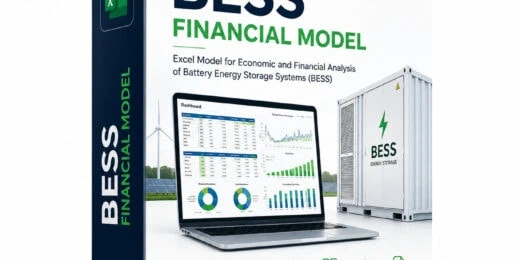

Production-ready Excel financial model for standalone utility-scale BESS projects, bundled…


Helios Nexum is a professional Excel-based financial simulation model purpose-built…


A structured financial forecast model for Solar PV EPC businesses,…
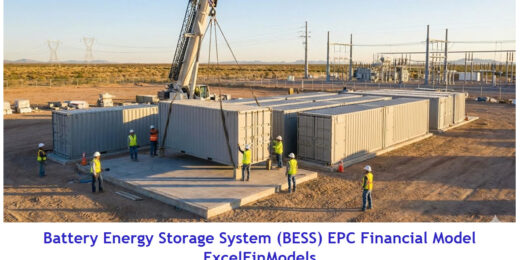
A streamlined, Excel-based financial model built to evaluate the economics…
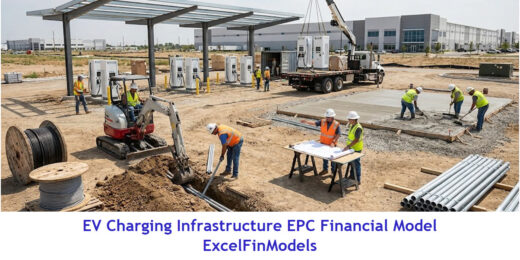
A practical, Excel-based financial model designed to evaluate the economics…




Comprehensive financial model designed for analyzing renewable energy projects, such…


3 statement 5 year rolling financial projection Excel model for…
Effective Financial Planning for Successful EPC Projects

Understanding the EPC Landscape
EPC, which stands for Engineering, Procurement, and Construction, represents a particular contracting arrangement crucial in industries such as energy, infrastructure, and industrial manufacturing. The EPC contractor undertakes a project from initial design through to completion, handing over a fully operational facility to the owner. This turnkey solution is significant because it provides a single point of responsibility, thus minimizing the owner's risk and coordination effort. Unique to EPC projects are their large scale, technical complexity, contract management intensity, and stringent timelines. These characteristics carry inherent risks, such as scope changes, market fluctuations affecting material costs, and logistical challenges. Moreover, EPC contracts are typically fixed-priced and schedule-driven, placing substantial pressure on contractors to deliver within the agreed budget and time. Consequently, meticulous financial planning tailored specifically to EPC projects becomes imperative to mitigate risks and enhance predictability in project execution. Financial planning in the EPC context is not merely about budgeting. It's about creating a robust framework to manage cash flows, costs, and financial risks effectively. It provides the groundwork for making informed decisions, ensuring sufficient resources are available to meet project milestones, and ultimately safeguarding profitability. Accurate financial planning is essential for aligning resources with project demands, allowing for real-time adjustments that can prevent delays and cost overruns.Key Performance Indicators for EPC Financial Planning
Financial planning in the EPC industry pivots around several vital Key Performance Indicators (KPIs), each steering decision-making and project trajectory. At the forefront is Project Cash Flow Management, which underscores the importance of ensuring cash inflows and outflows are timed accurately to maintain project momentum and solvency. Sustaining positive cash flow is crucial as it dictates the ability to pay suppliers, labor, and cover any emergent costs without financial strain. Another cornerstone of EPC financial planning is Cost Estimation Accuracy. Precise budgeting is vital to project success, as inaccuracies can lead to significant financial strain or even project failure. Carefully calculated estimates help in setting realistic budgets and forecasts, allowing for efficient resource allocation and cost control measures throughout the project lifecycle. Return on Investment (ROI) is also a pivotal KPI, providing a measure of the project's profitability relative to its cost. A thorough ROI analysis aids in evaluating the financial benefits and viability, guiding investment decisions and facilitating stakeholder buy-in. Similarly, Contractual Performance Metrics examine the adherence to performance obligations, which have direct financial implications. These metrics are crucial for maintaining project security and ensuring contractual terms are met, thus avoiding costly penalties and disputes. These KPIs are not standalone metrics but interconnected elements that, together, form the backbone of informed decision-making and successful EPC project delivery. By continuously monitoring these indicators, EPC stakeholders can adapt strategies dynamically, ensuring projects remain financially viable and on track.Components of a Robust EPC Financial Plan
Creating a comprehensive financial plan for an EPC project involves several integral components, each requiring detailed consideration to foster a seamless project execution framework. Central to this is an understanding of Cost Structures, which entail distinguishing between fixed and variable costs, as well as direct and indirect costs. Accurate cost classification aids in budget development and financial monitoring, ensuring no surprise expenses arise. Another critical element is the Funding Strategy, which involves identifying sources of capital and determining the most suitable financing methods. Whether through equity, debt, or a mixture of both, the chosen funding strategy impacts project viability by shaping the financial burden and risk profile of the project. Thoughtful selection of financing can greatly influence overall project success. Risk Management cannot be overlooked, as unforeseen events pose significant threats to project timelines and budgets. Contingency planning, therefore, is essential, incorporating financial buffering techniques to absorb shocks from unexpected expenses or delays. Adequate risk management ensures project resilience and financial stability. Equally important is Cash Flow Forecasting, which is vital for ensuring there are sufficient cash reserves at every project phase. Accurate forecasting involves mapping out expected cash movements and preparing for potential cash shortfalls, thus avoiding operational disruptions. It’s this forward-thinking financial vigilance that enables EPC projects to maintain momentum from conception to completion. By focusing on these components, an EPC financial plan equips stakeholders with the necessary insights and strategies for informed decision-making. This, in turn, facilitates a smoother project execution process, where financial issues are preemptively addressed.The Power of Excel Spreadsheet Templates in EPC Financial Planning
In the realm of EPC financial planning, Excel spreadsheet templates stand out as an invaluable tool, offering bespoke solutions tailored to the unique demands of each project. The primary advantage of Excel is Customization, allowing users to craft models specific to their project’s scale and complexity. This customization ensures that all financial aspects are accurately captured and analyzed. Efficiency is another benefit, as Excel excels (pun intended) in expediting calculations and streamlining data management. This capability is crucial for handling large volumes of data, ensuring timely and precise financial insights. Alongside efficiency, Excel's Visualization potential allows users to create intuitive dashboards and reports, which are indispensable for meetings and stakeholder presentations. Scalability further underscores Excel's usefulness, providing models that can be easily adapted for any project size or scope without loss of accuracy or functionality. Excel’s user-friendliness makes it a preferred choice, as its widespread compatibility and ubiquitous use across businesses allow for seamless integration and collaboration. Moreover, the array of templates available through eFinancialModels provides users with a significant head start in financial planning, removing the need to start from scratch and ensuring time is spent analyzing data rather than formatting it. These advantages underscore why Excel remains the preferred tool in the EPC industry for financial modeling. Its compatibility and ease of use make it accessible to financial professionals, enabling them to transform raw data into actionable insights.Conclusion: Elevate Your EPC Financial Planning with eFinancialModels
In conclusion, effective financial planning is the linchpin of success in the EPC sector, serving as a compass to navigate the complexities inherent in project execution. By focusing on key performance indicators such as cash flow management, cost estimation accuracy, ROI, and contractual performance metrics, stakeholders can make informed decisions that drive successful project outcomes. Integrating robust financial plan components ensures that potential financial disruptions are mitigated from the outset. Leveraging Excel's capabilities through tailored spreadsheet templates available from eFinancialModels equips users with powerful tools for enhanced financial planning. These models facilitate accurate data analysis, streamlined projections, and visually engaging presentations, thereby improving decision-making processes and project execution efficiency. To achieve excellence in EPC financial planning, explore eFinancialModels’ extensive library of specialized Excel templates. These resources will empower your project management teams to approach financial planning strategically, enabling a smooth journey from project inception to successful completion.FAQ: Frequently Asked Questions on EPC Financial Planning
- What are EPC projects? EPC stands for Engineering, Procurement, and Construction, and represents a contracting arrangement where the contractor takes a project from initial design through to completion, providing a turnkey solution to the owner.
- Why is financial planning critical in EPC projects? Financial planning is crucial in EPC projects as it helps manage cash flows, costs, and financial risks, ensuring projects are delivered on time and within budget while safeguarding profitability.
- What are key performance indicators in EPC financial planning? Key performance indicators in EPC financial planning include project cash flow management, cost estimation accuracy, return on investment (ROI), and contractual performance metrics.
- How can Excel templates be utilized in EPC financial planning? Excel templates are valuable in EPC financial planning due to their customization, efficiency, visualization, and scalability, allowing for a tailored approach to each project's financial demands.
- What should a comprehensive EPC financial plan include? A comprehensive EPC financial plan should include an understanding of cost structures, a funding strategy, risk management practices, and accurate cash flow forecasting to address potential financial interruptions.
You might also like: