
0 ITEMS

EPC
EPC (Engineering, Procurement, and Construction) Model is used in project finance for designing, procuring materials, and constructing projects. It's commonly used in industries like infrastructure and energy. We provide financial model templates specifically designed for EPC projects, aiding in budgeting, risk assessment, and project management.
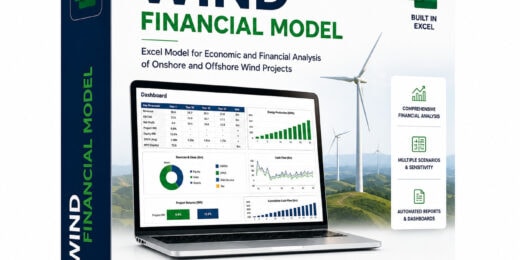

If you develop, advise on or finance utility-scale onshore wind…


A structured financial forecast model for Solar PV EPC businesses,…

A streamlined, Excel-based financial model built to evaluate the economics…

A practical, Excel-based financial model designed to evaluate the economics…


Comprehensive Construction Plant Hire Company Financial Model and Valuation, Cash…

Comprehensive editable, MS Excel spreadsheets for tracking Construction Equipment Manufacturer…
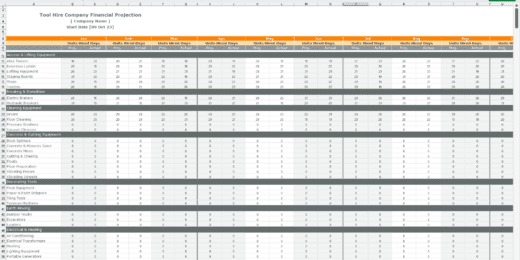
A very comprehensive editable Excel spreadsheet for tracking your tool…


The EPC Financial Model Template for Builders and JV Partners…


3 statement 5 year rolling financial projection Excel model for…
Mastering Cash Flow Management for EPC Sector Success

In the complex and multifaceted world of the Engineering, Procurement, and Construction (EPC) sector, financial success is often contingent upon effective cash flow management. The EPC sector, pivotal to various industries such as infrastructure and energy, presents unique financial challenges, primarily due to its long project cycles and capital-intensive nature. To navigate these challenges, firms must focus on optimizing cash flow, a crucial aspect of ensuring financial stability and growth. This article delves into the importance of cash flow optimization in the EPC industry, the key performance indicators (KPIs) critical to assessing financial health, and the strategies that can be employed for successful cash flow management.
Insights into the EPC Sector and Its Financial Dynamics
The EPC sector is integral to the development and execution of large-scale projects across various industries, including infrastructure, energy, and manufacturing. EPC firms are responsible for the end-to-end management of projects, encompassing design (engineering), sourcing of materials (procurement), and the actual construction. Their ability to complete projects efficiently and cost-effectively is critical to industry progress and development. However, the very nature of EPC projects, often large and complex, presents significant financial challenges. Projects typically have long durations, which can lead to delayed cash inflows, while the capital-intensive nature requires substantial upfront investment. These challenges extend to a heavy reliance on the terms and conditions laid out in contracts, which dictate payment schedules and potential penalties. Navigating these financial waters requires a keen understanding of cash flow. In the EPC sector, cash flow encompasses the management of how funds move through a company during different project stages, ensuring that there is enough liquidity to handle current obligations and future needs.
Critical KPIs for EPC Financial Health
For EPC firms, understanding key performance indicators (KPIs) is essential to effectively manage cash flow and gauge financial health. Among these, Days Sales Outstanding (DSO) stands out as a crucial metric, reflecting how quickly receivables are converted into cash. In the project-based environment of EPC, timely collection of receivables is essential for maintaining liquidity and funding ongoing operations. Work-in-Progress (WIP) management is another significant KPI, focusing on the effective tracking and oversight of ongoing projects. Efficient WIP management helps ensure that ongoing projects are on budget and on schedule, reducing the risk of unforeseen cost overruns that could impact cash flow. The Cash Conversion Cycle (CCC) offers insights into how efficiently a company converts its investments in products or services into cash flows. Lastly, Gross Margin Analysis is vital for assessing profitability on a project basis, enabling firms to determine if a project is falling within expected financial performance parameters. Together, these KPIs provide a framework for understanding and optimizing cash flow, informing key financial decisions, and resource allocations within EPC firms.
Strategies for Enhancing Cash Flow in EPC Projects
To optimize cash flow, EPC firms must prioritize accurate financial forecasting and budget management. Effective cash flow forecasting is not only about predicting future cash needs but also about managing these needs efficiently during the project's life cycle. A phased approach to forecasting can prove beneficial, allowing firms to gain better visibility into their financial requirements and prepare accordingly. Scenario analysis is another valuable tool, enabling firms to anticipate cash flow fluctuations under different project conditions. By modeling various scenarios, EPC firms can develop contingency plans to manage potential risks, ensuring that cash flow remains stable even when unexpected challenges arise. Cost management and efficient procurement processes are also essential for optimizing cash flow. Building strong relationships with suppliers can facilitate better negotiation of terms, while optimizing inventory levels can help reduce overhead costs.
Harnessing Excel for Financial Planning in EPC
Microsoft Excel remains a powerful tool for financial planning within the EPC sector. One of its most significant advantages is the ability to customize financial models to fit specific project needs and scenarios. This customization allows firms to adapt to the unique demands of each project, ensuring relevant and accurate financial planning. Excel's user-friendly interface makes it accessible to individuals with varying levels of financial expertise, promoting collaboration across teams. Dynamic modeling capabilities further enhance Excel's utility, enabling firms to easily incorporate changes and run different financial scenarios. This flexibility is crucial for adapting to the changing landscapes often encountered in EPC projects. To streamline the planning process, ready-to-use financial model templates, such as those offered by eFinancialModels, come equipped with built-in functions for KPI tracking tailored to the EPC sector, saving time and enhancing accuracy.
Achieving Long-term Growth in the EPC Sector
In summary, optimizing cash flow is a critical component of financial success within the EPC sector. By focusing on key performance indicators, such as Days Sales Outstanding, Work-in-Progress management, Cash Conversion Cycle, and Gross Margin Analysis, EPC firms can gain valuable insights into their financial health and identify areas for improvement. Strategies like accurate financial forecasting, scenario analysis, and cost management empower these firms to navigate the complexities of their projects with greater efficacy. Utilizing financial modeling tools, particularly customizable templates in MS Excel, can further enhance financial planning processes. eFinancialModels offers industry-specific templates that facilitate seamless KPI tracking and financial planning, enabling firms to optimize cash flow and drive sustained success in the EPC industry. By leveraging these resources, EPC firms can build a robust financial foundation, ensuring long-term growth and stability.
For those seeking to enhance their financial planning and management capabilities, eFinancialModels provides a range of resources tailored to the unique needs of the EPC sector. Explore our offerings to streamline your financial planning and optimize cash flow management, paving the way for sustained success in your EPC projects.
Essential FAQ on EPC Cash Flow Management
- What are the major financial challenges in the EPC sector? The major financial challenges in the EPC sector include long project durations leading to delayed cash inflows, capital-intensive projects requiring substantial upfront investment, and reliance on contract terms that dictate cash flow.
- Why is Days Sales Outstanding (DSO) an important KPI for EPC firms? DSO is important because it measures how quickly a company converts receivables to cash. Timely collection is critical for maintaining liquidity and funding ongoing operations in the project-based environment of EPC.
- How can effective forecasting benefit cash flow management? Effective forecasting allows firms to predict future cash needs and efficiently manage these needs throughout the project's life cycle, providing better visibility and preparation for financial requirements.
- What role does cost management play in optimizing cash flow? Cost management helps optimize cash flow by controlling expenses, negotiating better terms with suppliers, and ensuring projects stay within budget, reducing the risk of cost overruns.
- How can Excel be utilized for financial planning in the EPC sector? Excel can be utilized for financial planning by customizing models to fit project needs, facilitating scenario analysis, and using templates for efficient KPI tracking, enhancing accuracy and planning processes.
You might also like: