
0 ITEMS

LLCR (Loan Life Coverage Ratio)
LLCR is a financial ratio used to estimate a company's ability to repay its outstanding loans. It's an essential metric for lenders and investors. We offer financial model templates that help you calculate and interpret LLCR, aiding in credit risk assessment.
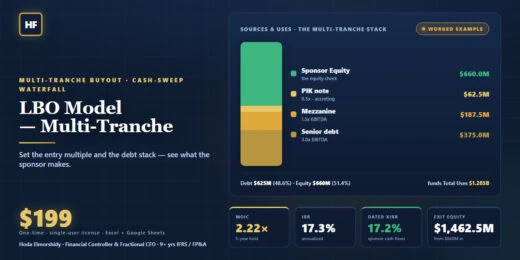

A 7-tab Excel & Google-Sheets LBO model: entry on an…
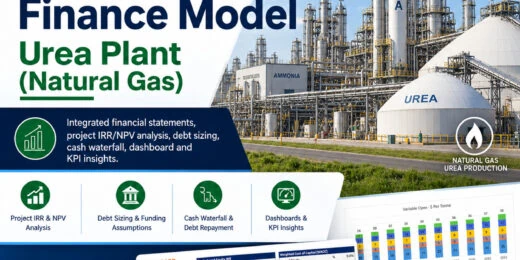

A detailed, institutional-grade urea plant financial model for a natural…
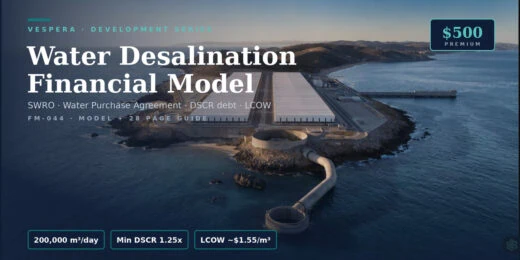

An institutional, lender grade Excel model for a seawater reverse…

An institutional, lender grade Excel model for an urban bus…
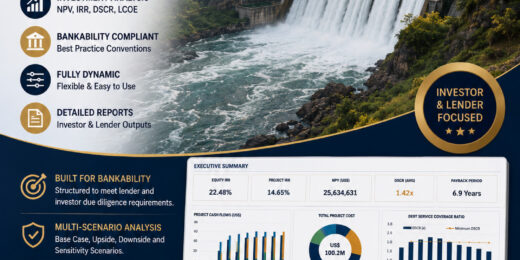

Small Hydropower Bankable Financial Model — Summary This is a…
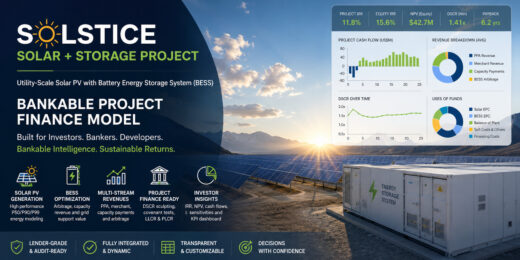
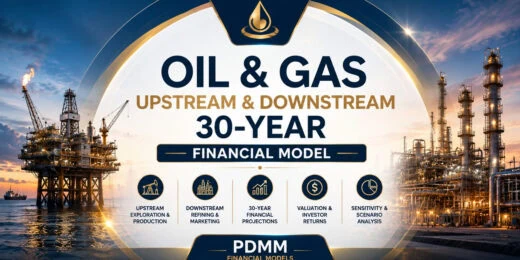

Premium 30-year Oil & Gas Upstream and Downstream Financial Model…

A complete, editable Veterinary Clinic Financial Model Pro built for…


FinModelAI Solar + BESS Project Finance Model Pro is an…
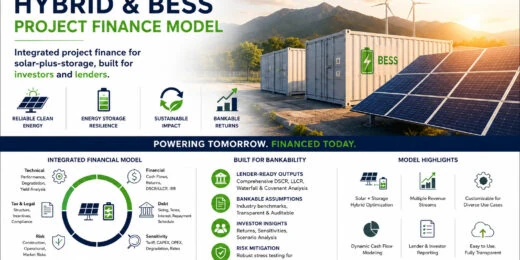
Fin-Wiser’s Solar Off-Grid Hybrid & BESS Financial Model helps users…

A premium Excel financial model bundle created by PDMM for…

Plan, finance, and optimize an EV fleet depot charging project…
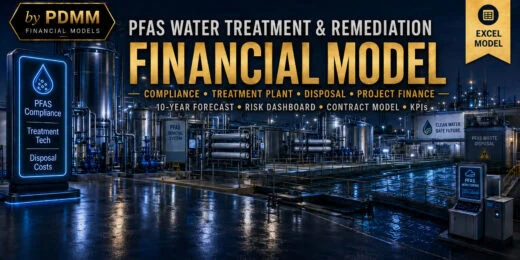
A professional PFAS Water Treatment & Remediation Financial Model created…


Institutional-grade multi-tranche debt schedule in Excel: Revolver, Term Loan A/B,…

A professional Solar + Battery Energy Storage System (BESS) financial…


This Public-Private Partnership (PPP) financial model has been developed to…


Helios Nexum is a professional Excel-based financial simulation model purpose-built…
If you plan to invest in or scale a data center,…


Institutional-quality analysis for your single-asset and SPV (Special Purpose Vehicle)…

Introducing Seasoned Loan Acquisition Pricing Model—a fancy gadget that basically…

This comprehensive Excel model provides sophisticated analysis tools for evaluating…
Professional Syndicated Note Template Excel Model. Transform your real estate…

Carbon transport and sequestration, critical components in the fight against…



Our comprehensive financial model for infrastructure construction projects offers detailed…


The "Tanker Acquisition & Operations - DCF 30Y Financial Model"…


Pro Forma Models created this financial model to calculate and…


This Commercial Real Estate (Multi) Valuation Model will help your…


This is a special project vehicle (SPV) for an Energy…

This Project Finance Model for a Highway SPV Project is…
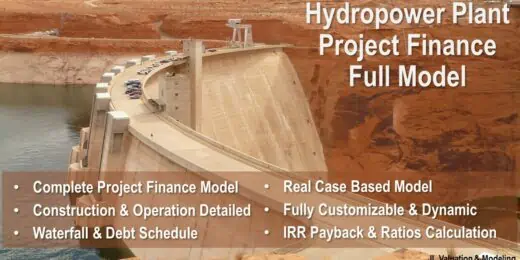


This model provides a complete financial analysis via Dupont methodology…

A Project-Level Financial Model to assess the financial feasibility of…
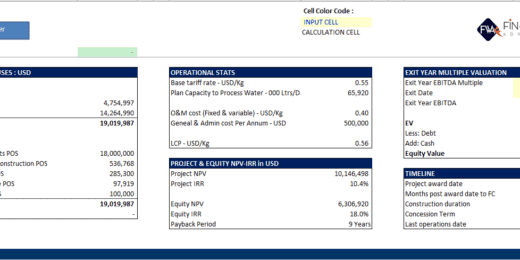
The Perfect tool to assess the financial feasibility, proposal to…

Air Taxi – Build and Operate Business Plan Model with…

Biomass to Hydrogen Gas PPP Project Model with 3 Statements,…

Hydrogen Gas Sales & Tolling Business Plan and Valuation Model…
Investment in an Operating Solar (PV) Power Plant is a…


Financial Model analyzing operations and performing valuation for a Commercial…



Abacus is a bankable, easy-to-use, debt-sculpting financial model for use…
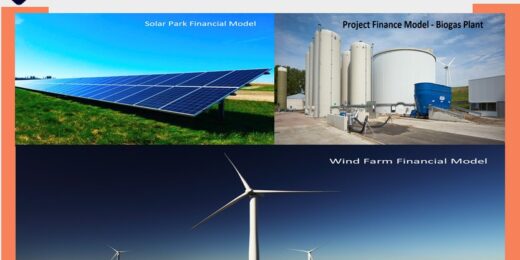
Take this opportunity and get a discount by getting the…
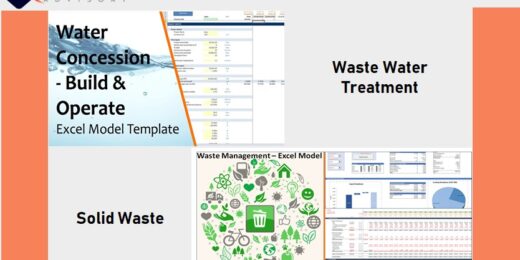

Solar Rooftop FM is a Project Finance Model for construction…

Amusement/Theme Park Excel Model helps user asses financial viability of…

Hotel - Construction and Operations FM is a project finance…


Solid Waste Treatment Plant Model is a project finance model…

Merger and Acquisition Model template consists of an excel model…

Waste Water Concession Model is a Project Finance Model for…

Biogas Plant Model is a Project Finance Model for construction…
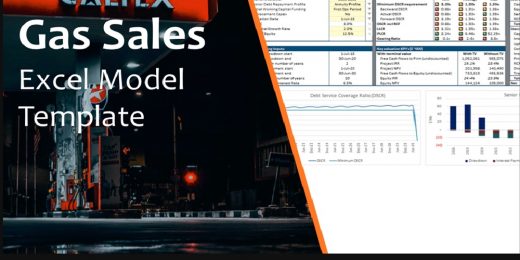
Project Finance - Gas Distribution is a project finance model…

Toll Road Build and Operate financial model is a project…

Solar Park FM is a Project Finance Model for construction…

Wind Farm FM is a Project Finance Model for construction…
Crafting a Robust Financial Plan for LLCR Success

In the world of financial planning and risk assessment, the Loan Life Coverage Ratio (LLCR) emerges as a vital metric. This ratio significantly influences decisions in various sectors, including real estate and infrastructure, by providing insights into a project's financial health and sustainability. Understanding the intricacies of LLCR is essential for stakeholders like lenders, borrowers, and financial analysts to make informed decisions. By leveraging sophisticated financial modeling, especially through accessible Excel templates, stakeholders can ensure the success and sustainability of their investments.
Understanding the LLCR Landscape
The Loan Life Coverage Ratio (LLCR) is a financial metric used to assess a borrower's ability to repay a loan over its entire life. It compares the present value of a project’s net cash flows to the total outstanding debt. Essentially, LLCR offers a long-term view of a borrower's capacity to meet debt obligations, making it a crucial part of financial planning and risk evaluation. In sectors like real estate and infrastructure, where projects often span several years, maintaining an optimal LLCR ensures that projects remain solvent and dependable.
The stakeholders involved in LLCR assessments—lenders, borrowers, and financial analysts—rely on this ratio to gauge project feasibility and financial resilience. Lenders use LLCR to determine loan conditions and interest rates, whereas borrowers need it to understand their repayment capabilities. Meanwhile, financial analysts employ LLCR in assessing a company's financial health and advising both lenders and borrowers on effective financial strategies. Thus, LLCR serves as a shared language among all parties involved, fostering clarity and cooperation in financial dealings.
Key Performance Indicators (KPIs) for LLCR
LLCR is not just a standalone number but part of a broader context of financial ratios that collectively paint a picture of a project's viability and financial sustainability. In this section, we will explore various calculations and complementary ratios that support LLCR analysis.
LLCR Calculations and ImplicationsCalculating the LLCR involves dividing the present value of future cash flows by the outstanding loan balance. The numerator consists of projected cash flows discounted to their present value, reflecting the ability to generate income over the loan's tenure. The denominator is the total debt amount. An LLCR above 1.2 is generally considered optimal; it indicates that the project generates sufficient cash flow to cover the debt, thus lowering default risks.
Complementary Financial RatiosTo gain a comprehensive view of financial health, consider the following complementary financial ratios:
- Debt Service Coverage Ratio (DSCR): Reflects a borrower's ability to cover current debt obligations with net operating income.
- Interest Coverage Ratio (ICR): Indicates how easily a company can pay interest on outstanding debt using its earnings before interest and taxes.
- Leverage Ratios: Assess the extent to which a project is financed by debt compared to equity, affecting overall financial health and directly influencing the LLCR.
Forecasting cash flows is pivotal for sustaining a healthy LLCR. Accurate cash flow projections ensure that financial planning aligns with actual income generation, maintaining a balance between debt obligations and cash availability. Historical data and projected trends are analyzed to anticipate future cash flow scenarios—key to identifying potential financial distress points and taking preemptive action. Tools such as cash flow forecast templates can be invaluable in this process.
Key Elements of Financial Planning for LLCR
Crafting a robust financial plan around LLCR involves developing comprehensive financial models and stress-testing them to withstand various scenarios. The following section provides insights into building these models effectively.
Developing a Comprehensive Financial ModelA thorough financial model integrates sensitivity analysis and scenario planning, allowing stakeholders to foresee how changes in variables—like cash flow variations or interest rates—will impact the LLCR. This foresight aids in identifying funding needs and guiding investment strategies, paving the way for informed, strategic decisions. Incorporating specialized financial model templates can greatly enhance this process.
Stress Testing Financial ModelsExternal factors such as market fluctuations and interest rate changes can adversely affect the LLCR. Stress testing financial models against these factors evaluates their resilience, ensuring that plans can adapt and endure through economic shifts. This process is essential for highlighting vulnerabilities and reinforcing plans to mitigate risks effectively.
Long-term vs. Short-term PlanningLong-term sustainability often requires balancing short-term funding necessities with the broader financial trajectory. Different financing structures can influence LLCR, and a balance must be struck to optimize funding solutions without compromising long-term stability. Financial planners must assess the impact of various financing strategies on the LLCR and align them with organizational goals.
Advantages of Using MS Excel Templates for LLCR Financial Planning
Excel templates provide a robust platform for crafting detailed LLCR financial models, with several key advantages:
Customization and FlexibilityExcel templates can be tailored to meet specific project requirements, financing conditions, and cash flow projections. This adaptability allows for precise modeling that reflects real-world scenarios. Additionally, Excel provides the flexibility necessary for ongoing updates and maintenance of financial data, ensuring that models remain accurate over time.
Enhanced Data Analysis and VisualizationWith Excel’s data visualization tools, such as charts and graphs, users can represent complex financial data clearly and effectively. These features facilitate advanced financial modeling techniques, enabling stakeholders to decipher intricate data trends and make informed decisions based on solid visual evidence. Utilizing data visualization templates can further simplify this process.
Collaboration and AccessibilityExcel’s collaboration features allow multiple team members to contribute to and refine financial plans, ensuring comprehensive input and validation. Furthermore, cloud-based templates enhance accessibility, permitting remote teams to collaborate seamlessly and maintain consistency in financial planning across all locations.
Conclusion: Charting the Course for LLCR Success
A robust financial plan tailored specifically for LLCR is indispensable for ensuring project stability and success. By leveraging MS Excel templates, stakeholders can enhance their financial modeling capabilities, thereby optimizing their LLCR calculations and achieving sustainable growth. Explore eFinancialModels’ specialized financial model spreadsheet templates designed for the LLCR industry to bolster your financial planning efforts. These tools not only simplify the modeling process but also empower users to chart a course towards successful and resilient financial outcomes.
FAQs on LLCR Financial Planning
- What is the primary purpose of LLCR? LLCR assesses a borrower's ability to repay a loan over its entire life by comparing the present value of a project’s net cash flows to the total outstanding debt.
- Why is LLCR important in sectors like real estate and infrastructure? These sectors often have long-term projects, and maintaining an optimal LLCR ensures projects remain solvent and financially dependable.
- What is considered an optimal LLCR value? An LLCR above 1.2 is generally deemed optimal as it indicates a project's capability to generate sufficient cash flow to cover its debt, thus reducing default risks.
- How does stress testing aid LLCR planning? Stress testing evaluates financial models against market fluctuations and interest rate changes, ensuring plans can adapt and endure through economic shifts.
- What advantage do Excel templates offer in LLCR planning? Excel templates are highly customizable, facilitate data analysis and visualization, and support collaboration and accessibility, enhancing financial modeling capabilities for LLCR planning.
You might also like: