
0 ITEMS

Your Brewed Success Roadmap: Starting a Coffee Shop

The coffee shop industry is booming, with billions of cups consumed worldwide and steady growth in urban markets.
- Success depends on a strong business plan that covers market research, location choice, and brand differentiation.
- Conducting detailed industry analysis helps identify current trends, consumer preferences, and competitors’ strategies.
- Defining a clear unique value proposition and target customer profiles is essential for standing out in a crowded market.
- Choosing the right location involves analyzing foot traffic, nearby competitors, and complementary businesses.
- A comprehensive startup checklist includes permits, equipment, inventory, marketing, and solid financial planning.
Continuing will guide you through practical steps to launch and grow a profitable coffee shop.

Step 1 – Conduct Research on the Coffee Industry
The highly competitive coffee industry demands an in-depth analysis of market trends, consumer behavior, and the competitive landscape. So, the first step on how to start a coffee shop is conducting market research. It should begin with an overview of industry statistics and trends, such as annual growth rates, spending patterns, and emerging consumer preferences. For reliable data, use industry reports, publications, and databases such as the National Coffee Association (NCA), Statista, or IBISWorld. This foundational research allows you to understand the current state of the market and anticipate future shifts. Additionally, identifying key players in your region can reveal insights into successful business models and potential gaps in the market that your coffee shop could fill. Observing competitors’ product offerings, pricing strategies, and marketing tactics will help you gauge what works and what doesn’t. Understanding the dynamics of the coffee industry will equip you with valuable insights necessary for crafting a robust business plan.

Step 2 – Define Your Unique Value Proposition
Defining your unique value proposition (UVP) and brand story is paramount when starting a coffee shop. It starts with pinpointing your target customers, which is crucial for tailoring your business approach and maximizing appeal. A coffee shop’s success hinges on great coffee, profound understanding, and catering to its clientele. Your target customers could range from young professionals and college students to neighborhood regulars and tourists, each with distinct preferences and needs. Creating detailed descriptions of your ideal customers should include demographic information (age, gender, occupation, income level) and psychographic details (lifestyle, interests, values, and buying behaviors). For instance, young professionals might favor a coffee shop with fast Wi-Fi and convenient takeaway options for their morning commute. At the same time, students might value a cozy atmosphere with plenty of seating for study sessions. Knowing your target customers’ preferences sets the stage for creating a compelling value proposition. A well-defined UVP sets you apart from competitors and is a beacon for your target customers. To pinpoint what makes your coffee shop unique, you must first analyze what differentiates you from the myriad of other coffee shops in your area. Is it the exotic blend of coffee beans you offer, the personalized customer experience, or a unique ambiance that reflects a particular theme or culture? Perhaps you specialize in eco-friendly operations or community-oriented events. Whatever your distinguishing features are, they must be clear, compelling, and capable of resonating with your audience. To translate these concepts into practical applications, consider how they influence every aspect of your business operations. Every element should reflect your unique value proposition and brand story, from the design of your logo and your shop’s interior to your marketing campaigns and customer service approach. This cohesive approach ensures that your coffee shop is presented consistently across all touchpoints, strengthening your brand and making it easier for potential customers to recognize and support your business.
Step 3 – Discover the Perfect Spot for Your Coffee Shop
The next step is discovering the perfect spot for your coffee shop. It involves evaluating specific locations based on critical criteria. First, prioritize areas with high foot traffic that align with your target demographic. For instance, if your target audience includes young professionals, look for commercial spaces near business districts or transit hubs. Similarly, if you target students, consider locations near universities or colleges. Analyze the pedestrian and vehicular traffic patterns at different times of the day to ensure consistent customer flow. Use tools like heat maps and demographic data from local government or commercial real estate websites to pinpoint high-density areas with your desired customer base.
Next, assess the competition and complementary businesses in the vicinity. While some competition can indicate a thriving market, too many coffee shops might lead to saturation. Look for areas where you can differentiate your offerings and fill a gap in the market. Consider the presence of complementary businesses, such as bookstores, gyms, or coworking spaces, which can drive additional traffic to your coffee shop. Evaluate the physical attributes of potential spaces, such as visibility from the street, accessibility, parking availability, and the overall ambiance of the neighborhood. Secure a location that attracts your target audience and supports a comfortable and inviting atmosphere. By strategically analyzing these factors, you can choose a location that enhances your coffee shop’s appeal and potential for success.













































Step 4 – Generate an Opening a Coffee Shop Checklist
How to start a coffee shop is an exciting venture that combines passion with business acumen. A successful launch requires careful planning and attention to detail. Here’s an opening a coffee shop checklist to guide you with what you need to do:
Starting a Coffee Shop Business Plan
Starting a coffee shop business plan guides your operational strategy and is a persuasive tool to secure funding and support. Begin with a clear and compelling executive summary that outlines your coffee shop’s mission, vision, and unique selling points. This section should capture the essence of your business idea and entice potential investors or partners. Follow this with a detailed market analysis that identifies your target demographic, evaluates competitors, and highlights market trends. Use this research to demonstrate the demand for your coffee shop and justify your business decisions. Additionally, define your coffee shop’s concept, including the ambiance, menu offerings, and customer experience, to paint a vivid picture of what sets your establishment apart.
The financial plan is essential to starting a coffee shop business plan. Outline your startup costs, including rent, equipment, supplies, and initial marketing expenses. Provide detailed financial projections for at least the first three to five years, including expected revenue, operating costs, and profitability. Highlight vital financial metrics such as break-even analysis, cash flow projections, and return on investment. Include a marketing and sales strategy that details how you will attract and retain customers, leveraging social media, local advertising, and partnerships. Finally, create an organizational plan that specifies your staffing needs, management structure, and roles and responsibilities.
Special Permits and Licenses
Securing the necessary permits and licenses is one of the most critical yet often overlooked aspects of how to start a coffee shop. Understanding regulatory requirements and associated costs is essential for ensuring legal compliance and avoiding potential fines or business shutdowns. The type and number of permits and licenses you’ll need can vary significantly depending on your location, the scale of your operations, and specific local regulations. However, most coffee shops will require several joint permits and licenses.
First and foremost, you will likely need a general business license, which authorizes you to operate your business legally within your city or county. This is typically one of the initial licenses you should seek as it establishes the legality of your operations. Next is the health department permit, a must for any establishment that sells food and beverages. This permit ensures that your coffee shop meets health and safety standards and is crucial for passing health inspections. Aside from the general business and health department permits, your coffee shop may necessitate several other specialized licenses. A food service license will be obligatory if you intend to prepare and sell food. This license typically involves a more rigorous inspection and might include requirements for staff training in food safety practices. Additionally, a seller’s permit or sales tax permit is often needed to collect and remit sales tax on your products legally. A liquor license is another crucial requirement for coffee shops intending to serve alcohol as part of specialty coffee drinks or host events. It’s also prudent to consider additional permits like signage permits if you plan to install outdoor signs or sidewalk permits for outdoor seating. These can enhance your shop’s visibility and customer experience but come with regulatory hurdles and costs.
Equipment and Furniture
The backbone of opening a coffee shop checklist lies in its equipment and furniture, which are essential for the operation and customer experience. Critical equipment includes espresso machines, coffee grinders, brewing devices, blenders, refrigerators, and ice machines. These items ensure that high-quality beverages can be consistently produced. The initial investment in equipment can be significant, ranging from $10,000 to $50,000, depending on the brand, quality, and quantity of machinery required. Furniture costs should be considered. Comfortable and stylish seating, tables, counters, and display shelving make your coffee shop inviting and conducive to longer visits. The furniture cost is highly variable, often influenced by design choices and materials. Basic yet comfortable furniture may run between $5,000 and $15,000, but a unique or upscale atmosphere could substantially increase these expenses. Additionally, decor elements that reinforce your brand identity—such as artwork, plants, and lighting—are essential for creating an inviting ambiance.
Inventory and Supplies
Calculating the initial costs of inventory and supplies is another critical component of your coffee shop’s startup expenses. This category includes the raw materials needed to create your menu offerings—such as different types of coffee beans, milk (including non-dairy alternatives), flavor syrups, tea, pastries, and other food items. The starting inventory costs can range from $2,000 to $7,000, depending on the variety and volume of products you plan to stock. Building solid relationships with suppliers can offer significant cost savings and ensure the quality and consistency of your products. Partnering with local roasters for specialty coffee beans or sourcing organic and sustainably farmed ingredients can set your shop apart and possibly even reduce costs through cooperative marketing or bulk purchasing. Don’t overlook the need for small supplies such as napkins, cups, straws, and cleaning supplies, which, although minor individually, can accumulate into a substantial initial expense.
Marketing Plan
A well-crafted marketing strategy is not just a tool but a key to unlocking your coffee shop’s potential for success. It’s the beacon that attracts foot traffic, the glue that ensures customer retention, and the foundation for a loyal customer base. Developing a marketing strategy is not just a task but a journey of understanding your market, leveraging different marketing channels, and building strong community ties.
Start a coffee shop and bring it into the spotlight by unleashing your creativity with a mix of traditional and digital marketing strategies. Conventional methods like flyer distribution and local newspaper ads can be particularly effective in tight-knit communities or areas with high pedestrian traffic. On the digital front, creating a compelling website with a blog section that shares your journey, unique coffee recipes, and behind-the-scenes moments can capture the interest of coffee enthusiasts. In the era of digital communication, social media is a powerful tool for establishing and growing your coffee shop’s presence. Platforms like Instagram, Facebook, and Twitter are perfect for showcasing your unique coffee creations, cozy ambiance, and friendly faces behind the counter. Additionally, email marketing can be an effective tool for keeping your customers informed about new menu items, special promotions, and events.
Further, offering loyalty programs can improve customer retention significantly. Implementing a simple punch card system where customers get a free drink after a set number of purchases can be enticing. Additionally, consider hosting events such as coffee-tasting sessions or live music nights, which can attract new customers and give regulars a reason to visit more frequently. Collaborations with local influencers and bloggers by inviting them for exclusive tastings can also help in spreading the word about your coffee shop.
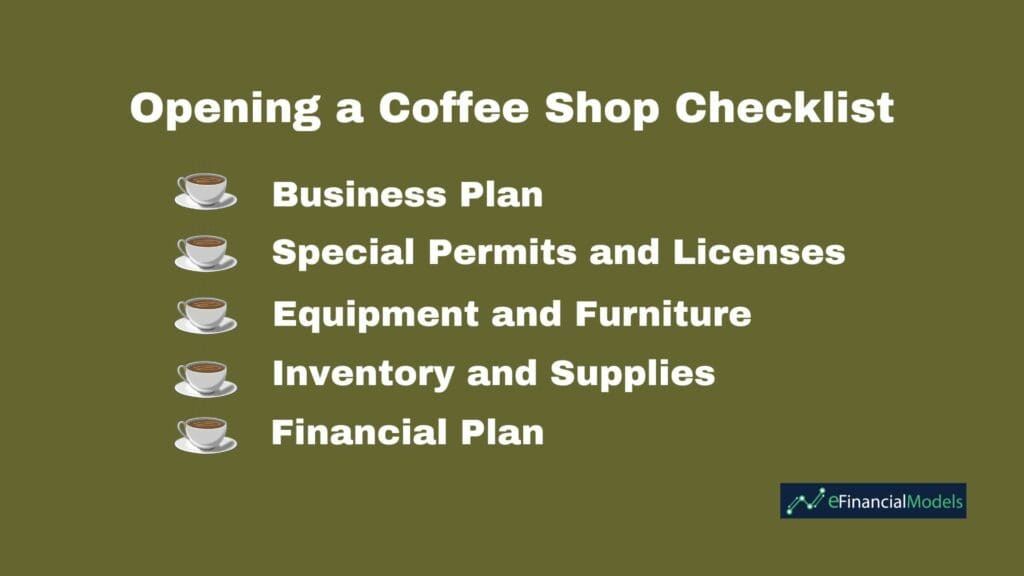
An opening a coffee shop checklist offers numerous benefits for aspiring entrepreneurs. It ensures a structured approach to launching a business by outlining essential steps. This checklist helps prevent oversights, manage time effectively, and streamline tasks, ensuring everything is noticed. Additionally, it provides a clear timeline and budget framework, aiding in financial planning and resource allocation. Ultimately, opening a coffee shop checklist enhances preparedness, reduces stress, and increases the likelihood of a successful and smooth opening.
Step 5 – Secure Easy Funding for Your Coffee Shop
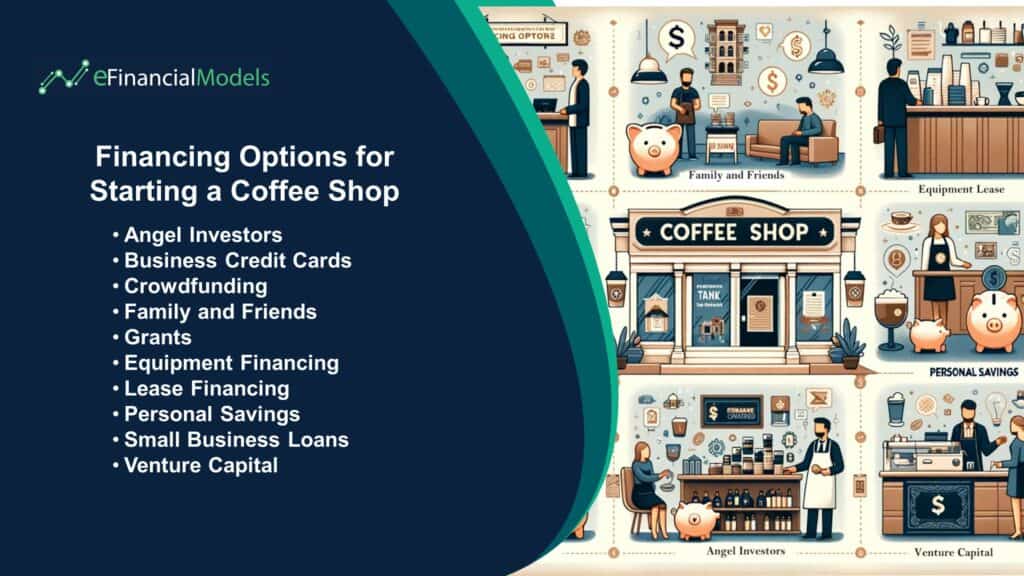
Securing easy funding for your coffee shop involves careful planning, strategic networking, and exploring various financing options. By preparing a comprehensive business plan, building good credit, and leveraging your industry experience, you can attract investors and lenders confident in your business’s potential for success. Several financing options are available to help you on how to start a coffee shop. Each option has its own advantages and requirements, so it’s essential to evaluate which one best fits your needs and circumstances.
- Angel Investors: Angel investors provide startup capital in exchange for ownership equity or convertible debt. They can provide useful advice and helpful connections.
- Business Credit Cards: Business credit cards can provide initial capital and help manage cash flow. Look for cards with low interest rates and rewards programs that benefit your business.
- Crowdfunding: Platforms like Kickstarter, Indiegogo, or GoFundMe allow you to raise small amounts of money from many people. Successful campaigns often offer incentives or rewards to backers.
- Family and Friends: Borrowing from family and friends can be an option. Ensure you document the loan terms to avoid misunderstandings and maintain healthy relationships.
- Grants: Research grants available for small businesses. Although competitive and often specific in criteria, they don’t require repayment.
- Equipment Financing: Some lenders offer financing specifically for purchasing equipment. This type of loan uses the equipment as collateral and typically offers lower interest rates.
- Lease Financing: If you plan to lease your coffee shop space, consider negotiating tenant improvement allowances with your landlord. It can help cover the cost of renovations and equipment.
- Personal Savings: Using your own savings is often the simplest way to fund your coffee shop. It avoids debt and interest payments but also means risking your finances.
- Small Business Loans: Banks and credit unions offer small business loans specifically designed for startups. You will need a solid business plan and a good credit history to qualify.
- Venture Capital: While typically geared towards high-growth startups, some venture capitalists might invest in a promising coffee shop with a unique business model or expansion potential.
When securing funding, investors and lenders want a comprehensive plan outlining your business model, market analysis, marketing strategy, and financial projections. Furthermore, your personal and business credit scores can significantly impact your ability to secure funding and the terms you’ll receive. Be ready to provide detailed financial documents, business plans, and personal financial information during the funding process. Demonstrating experience in the coffee or hospitality industry can boost investor confidence.
Above all these checklists and steps, starting a coffee shop business plan is crucial as it is the foundation for success in this competitive industry. A well-crafted business plan outlines the coffee shop’s vision, mission, and goals, providing a clear roadmap for its development and growth. It ensures that the business can effectively position itself. A comprehensive financial plan within the business plan also helps secure funding and manage expenses. Ultimately, starting a coffee shop business plan acts as a strategic guide, helping to navigate challenges and seize opportunities, ensuring the coffee shop’s long-term success.

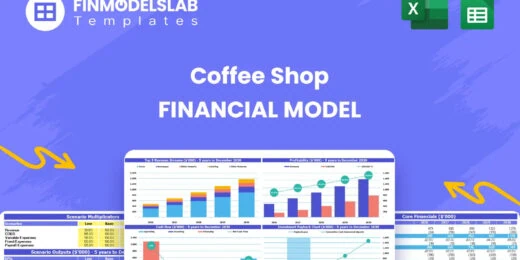
Financial Modeling Brews Success for Coffee Shops
Financial modeling is crucial in launching a successful coffee shop by providing a detailed forecast of potential financial outcomes. This process involves creating a representation of the business’s financial performance, which helps understand various scenarios and make informed decisions. By analyzing startup costs, projected revenues, and expenses, aspiring coffee shop owners can identify the most profitable strategies, avoid potential pitfalls, and secure funding. Financial modeling also aids in setting realistic goals and benchmarks, ensuring that the business stays on track and adapts to market changes effectively.
Moreover, financial modeling assists in cash flow management, a vital aspect of running a coffee shop. By forecasting cash inflows and outflows, owners can ensure they have sufficient funds to cover day-to-day operations and unexpected expenses. This proactive approach helps maintain financial stability and reduce the risk of business failure. Leveraging financial modeling tools and expertise can provide a clear roadmap to profitability and sustainability for those considering starting a coffee shop. Ready to brew your coffee shop’s success? Start building your financial model today and pave the way to a thriving business!
You might also like:
- 10 Tips to Develop a First Class Business Valuation Report
- 10 Main Elements of a Business Plan
- 10 Ideas to Increase Average Revenue Per User
- 5 Practical Tips to Help Raise Funds For Startups
- 10-Step Financial Planning Checklist for Smart Executives
- How to Prepare a Financial Plan for a Chicken Egg Farm?
- How to Prepare a Financial Feasibility Study for Coffee Farming?
- How to Write a Business Plan Step-by-Step
- Financial Modeling for Startups and Small Businesses
- Understanding What is Yield to Maturity and Why It Matters
- How to Value a Business Using a Discounted Cash Flow Model
- Cafes
- Coffee Farming
- Business Valuation
- Startup Financial Models
- Fundraising
- Financial Model Templates Easy to Use
- Restaurant Business
- Financial Ratios Analysis and Its Importance
- Financial Forecasting Models by eFinancialModels