
0 ITEMS

Inventory
Inventory management involves tracking and controlling a company's inventory levels, including raw materials, work-in-progress, and finished goods. Effective inventory management is crucial for maintaining optimal stock levels and reducing costs. Our financial model templates include inventory management tools, helping you optimize inventory levels and improve profitability.
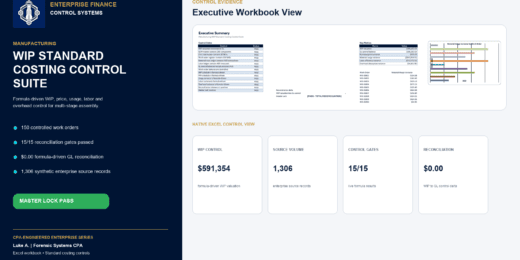

Enterprise Excel controls for WIP roll-forward, cost variances, overhead, and…

Most stocktake sheets report variance one way and quietly mislead…


Poultry Farm Financial Model – 10-Year Forecast, Valuation, Feasibility &…

The Manufacturing Startup Feasibility Financial Model by PDMM is a…



Financial Model providing a dynamic up to 10-year financial forecast…

5-year financial model for a home décor store providing forecasts,…

Financial Model providing a dynamic up to 10-year financial forecast…


A comprehensive editable, MS Excel spreadsheet for tracking equipment rental…


Boost your battery startup’s success with this dynamic, ready-to-use Battery…



Highly Versatile 5-Year financial projection model for a business outsourcing…

Highly versatile infrastructure / construction business 8-Year financial projection model…


Plan a profitable restaurant pop-up with this 365-day Financial Model!…

Highly versatile home good store 5-Year financial projection model with…

Financial Model providing an advanced 5-year financial plan for a…


This financial model is specifically designed for grocery store businesses,…

Ensure daily profitability with our Pop-Up Store Budget Plan Template,…

A comprehensive editable, 5 Year 3 statement MS Excel spreadsheet…

Highly versatile data centre business 10-Year financial projection model with…

This Automotive Manufacturing Company Financial Model Template has been built…
This Manufacturing Startup Financial Model Template has been built for…
This Beverage Manufacturing Company Financial Model Template has been built…

Financial Model providing a dynamic up to 10-year financial forecast…
This Manufacturing Company Financial Model Template has been built for…

Financial Model providing a dynamic up to 10-year financial forecast…


The Home Maintenance and Repair Subscription Model with a 10+…

Highly versatile pet supplies shop 5-Year financial projection model with…

Highly versatile boutique shop 5-Year financial projection model with in-store…

A Three Statement Financial Model Template is a robust tool…

A Working Capital Schedule outlines the short-term assets and liabilities…
This Vending Machines Financial Model Template has been built for…
Discounted Cash Flow (DCF) Valuation is a fundamental financial model…

Simply input your sales and purchases, along with the terms…

The Travel Agency Platform Business Financial Model with a 5…

The Smart Home Services Business Financial Model with a 10+…


By developing a detailed 5-year financial forecast model for a…

The Dentists' Center Financial Model with a 10+ Years DCF…

The Junk Removal Services Business Financial Model with a 10+…
This Amazon FBA Financial Model Template has been built for…


The Drone Delivery Services Financial Model with a 10+ Years…

Retail Store or Clothing store Financial Model is a comprehensive,…

The Micro-Brewery Business Financial Model with a 10+ Years DCF…

Financial Model providing an advanced 5-year financial plan for a…

A comprehensive editable, MS Excel spreadsheet for tracking a Toy…

The Parcel Locker Network Business Financial Model is a comprehensive…


Our CEO Dashboard Excel Template provides a comprehensive overview of…
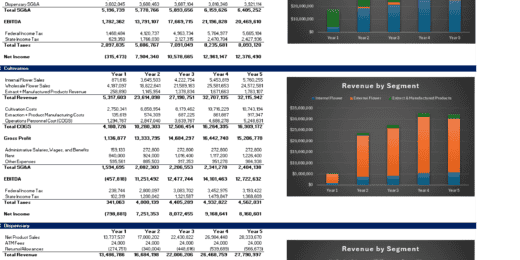

The Cannabis Grow, Manufacturing and Dispensary Pro-Forma Model is a…

The Food Truck Financial Model Template is a comprehensive solution…

CBD Personal Care Financial Model and Valuation Template, a comprehensive…

Financial Model providing a dynamic up to 10-year financial forecast…

This Financial Model Template provides an advanced 5-year financial plan…

This Excel model is an advanced, user-friendly financial planning tool…

The AgroTech Services Financial Model with DCF (Discounted Cash Flow)…

The Online Tutoring Services Financial Model is a comprehensive tool…
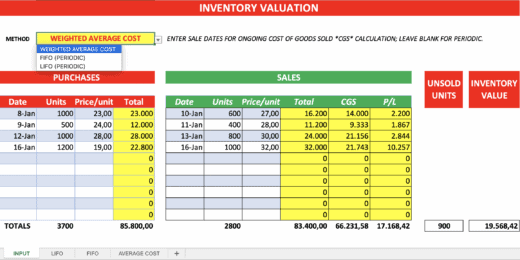

Calculate the value of your inventory (physical items or financial…

The Dog Grooming Services financial model is a comprehensive tool…

This Excel model is a highly adaptable and user-friendly tool…

The Hotel Complex financial model is a comprehensive tool designed…
Smart Financial Planning for Your Inventory Success

In today's fast-paced and ever-evolving business environment, inventory management serves as the backbone of successful operations across multiple industries. Effective inventory management ensures the right products are available at the right time, contributing to customer satisfaction and sustained profitability. However, achieving this balance requires strategic financial planning, a crucial element that can determine the success or failure of inventory management efforts. Smart financial planning for inventory management not only helps in optimizing the supply chain but also enhances the overall financial health of an organization.
The intricate relationship between inventory management and financial planning cannot be overstated. As businesses strive to meet customer demands while minimizing costs, understanding the landscape of inventory management becomes essential. This involves recognizing the specific financial challenges that inventory management presents, particularly in dealing with demand fluctuations, balancing holding costs against stockout costs, and navigating seasonal trends that impact inventory levels. Tailoring financial strategies to address the varying needs of different inventory types—such as raw materials and finished goods—is key to achieving inventory success.
Recognizing Challenges and Needs in Inventory Management
Inventory management is more than just tracking products; it involves a complex system of managing supply chains, vendor relationships, and financial resources. As the inventory industry continuously adapts to technological advances and changing consumer behaviors, the importance of sound financial planning becomes paramount. Inadequate financial planning can lead to inefficiencies, excess costs, and ultimately, lost revenue.
Businesses face numerous challenges in inventory financial planning, starting with demand fluctuations. The unpredictability of demand can lead to overstocking or stockouts, both of which carry financial risks. Overstocking ties up capital and increases holding costs, including storage, insurance, and depreciation. Conversely, stockouts can damage customer trust and result in missed sales. Seasonal trends further complicate inventory management, with periods of low demand leading to excess inventory and high-demand periods risking stockouts. These challenges underscore the need for financial strategies that are responsive and adaptable to changing inventory conditions.
Tailored financial strategies are vital for different types of inventories. Raw materials, work-in-progress items, and finished goods each have unique financial considerations. For example, raw materials must be acquired at optimal costs while maintaining enough on hand to avoid production delays. Finished goods, on the other hand, require forecasting demand accurately to ensure adequate stock levels without overcommitting resources. Financial planners must account for these nuances to develop strategies that support operational efficiency and financial viability.
Leveraging Key Performance Indicators in Inventory Financial Planning
Key Performance Indicators (KPIs) are indispensable tools in measuring and understanding the effectiveness of inventory financial planning. They offer insights into various aspects of inventory management, guiding strategic decisions and resource allocation. Among the plethora of KPIs, several stand out as crucial for assessing inventory success.
The Inventory Turnover Ratio is one such KPI, essential for evaluating stock level efficiency. It measures how often inventory is sold and replaced over a specific period. A high turnover rate suggests efficient inventory management, while a low rate may indicate overstocking or obsolescence. Calculated by dividing the cost of goods sold by the average inventory, this ratio provides a quick snapshot of inventory health.
Another critical KPI is Days Sales of Inventory (DSI), which helps interpret liquidity management. DSI indicates the average number of days it takes for inventory to be sold, offering insights into how quickly a company can convert its inventory into sales. Keeping DSI low is essential for maintaining cash flow and reducing inventory holding costs, which can be effectively achieved with cash flow models.
The Carrying Cost of Inventory is a breakdown of costs associated with storing and managing inventory. These include storage costs, insurance, depreciation, and opportunity costs. Minimizing these costs is vital for improving the profitability of inventory operations, as high carrying costs can erode margins and tie up valuable resources.
The Stockout Rate is also a crucial KPI, especially when customer satisfaction is a priority. Stockouts lead to unsatisfied customers and lost sales, directly impacting revenue. Monitoring the stockout rate helps businesses avoid these situations and ensures they can meet customer demand promptly. The interplay of these KPIs provides a comprehensive picture of inventory performance and informs financial decision-making, helping businesses optimize their operations for sustainable success.
Constructing Robust Financial Models for Effective Inventory Planning
A robust financial model is integral to effective inventory management. These models provide a structured approach to assessing financial scenarios and making informed decisions. Key components of an inventory financial model include sales forecasting, reorder point calculation, and cash flow analysis.
Sales forecasting, a cornerstone of the financial model, involves projecting future sales based on historical data and market trends. Accurate forecasting helps businesses plan their inventory levels, ensuring they can meet demand without tying up excessive resources in unsold stock.
Reorder point calculation is another essential component, determining the optimal inventory level at which new stock should be ordered. This calculation considers lead times, safety stock, and average demand to prevent stockouts while minimizing holding costs.
Cash flow analysis highlights the interdependence of inventory management and cash flow. A well-managed inventory reduces costs, frees up capital, and contributes to a healthier cash flow position. Financial models must account for inventory investments, sales revenue, and associated expenses to provide a clear picture of cash flow dynamics.
Scenario analysis and sensitivity testing within financial models prepare businesses for uncertainties in demand, supply disruptions, and market fluctuations. By simulating various scenarios, businesses can develop contingency plans and adjust strategies proactively. Regular reviews and adjustments based on current market conditions ensure that financial models remain relevant and effective, allowing organizations to maintain flexibility and resilience in their inventory management practices.
Exploring the Advantages of Excel Spreadsheets for Inventory Planning
For businesses seeking cost-effective and versatile tools for inventory financial planning, Excel spreadsheet templates are an ideal solution. Microsoft Excel offers significant flexibility in modeling various inventory scenarios, enabling organizations to customize templates to their specific needs. This adaptability ensures that financial models are aligned with the unique challenges and objectives of each business.
Excel templates are user-friendly, making them accessible for teams with varying levels of financial expertise. Their intuitive interface allows users to input data, run calculations, and visualize results with ease. Furthermore, Excel's compatibility with various business tools and databases provides seamless integration into existing systems, streamlining the financial planning process.
The cost-effectiveness of Excel templates makes them an attractive option for businesses of all sizes. High-quality templates offer robust functionality at an affordable price, saving organizations from investing in expensive, bespoke solutions. Excel's widespread use in business environments ensures that these templates can be leveraged efficiently for inventory financial planning.
When using Excel for inventory management, best practices include regular updates of data, precise documentation of assumptions, and continuous analysis of model outputs. This approach helps ensure that models remain accurate, reliable, and reflective of current business conditions. To support businesses in their inventory planning efforts, eFinancialModels offers specialized Excel templates designed specifically for inventory management, providing comprehensive solutions that empower organizations to optimize their financial strategies.
Empower Your Inventory Strategy with Comprehensive Financial Planning
In conclusion, smart financial planning is essential for achieving inventory success. By leveraging KPIs and robust financial models, businesses can make informed decisions that optimize inventory operations, enhance financial health, and drive sustainable growth. As inventory management continues to evolve, the importance of strategic financial planning will only increase, making it an indispensable element of successful supply chain management.
To enhance your financial planning efforts, consider exploring eFinancialModels' tailored financial model spreadsheet templates. These specialized tools are designed specifically for the inventory industry, offering the expertise and functionality needed to optimize your financial strategies and drive success. With the right tools and strategic approach, you can transform your inventory management practices, ensuring your organization remains competitive and profitable in today's dynamic business landscape.
Frequently Asked Questions: Enhancing Your Inventory Financial Planning
- What is the importance of financial planning in inventory management? Financial planning is crucial in inventory management as it optimizes supply chain operations and enhances financial health by balancing costs and meeting customer demands efficiently.
- How do KPIs help in inventory financial planning? KPIs provide insights into inventory management effectiveness, guiding strategic decisions by measuring factors such as turnover rates, days sales of inventory, carrying costs, and stockout rates.
- What role do Excel spreadsheets play in inventory planning? Excel spreadsheets offer cost-effective, versatile, and user-friendly tools that allow businesses to model inventory scenarios, making them ideal for customizing financial models and improving planning processes.
You might also like: