
0 ITEMS

Real Estate Investment Screening Model – Levered IRR, Unlevered IRR, Cap Rate, DSCR, and More
This model can be used to quickly (5 minutes if you have the required information available) analyze a real estate investment against 11 customizable investment criteria. The model can be used to progress a real estate investment opportunity to a further analysis stage or to make an investment decision.


Video Overview:
This model can be used to quickly (5 minutes if you have the required information available) analyze a real estate investment against 11 customizable investment criteria. The model can be used to progress a real estate investment opportunity to a further analysis stage or to make an investment decision.
The model includes the following modules:
Executive Summary: Provides the high-level output of the analysis including a pass/fail with conditional formatting of the investment criteria, sources, and uses, levered IRR and multiple of capital, unlevered IRR and multiple of capital, capital account balances, and proforma cash flow.
Assumptions: All user input assumptions for the model aside from the floating interest rate assumption (if applicable) are on this tab. The yellow-filled cells with blue text are for user inputs – only type into the yellow fill with blue text cells. The blue-filled cells with blue text are data-validated user dropdowns. Please use the dropdowns to make your selection.
The tab is arranged into the following sections with a description/instruction for each input in column F:
– Investment Criteria: This is where the investment screening criteria are input. The model is loaded for 11 criteria, including acquisition cap rate, purchase price, square feet, year of construction, income coverage, unlevered IRR, unlevered MoC, levered IRR, levered MoC, debt yield, and DSCR.
– Investment Assumptions: This is where assumptions are input for the analysis date, closing date, address, currency, and measurement.
– Property & Demographic Assumptions: This is where assumptions are input for square feet, units, year of construction, and median household income.
– Investment Assumptions: This is where assumptions are input for the purchase price, holding period, transaction costs (acquisition and disposition), as well as the exit cap rate spread.
– Financing Assumptions: This is where assumptions are input for the loan including the loan to value, the loan type (amortizing and/or fixed), the interest-only period, amortization period, the interest rate type, the interest rate, as well as any prepay assumptions.
– Revenue Assumptions: This is where the monthly rental income and other income are input as well as vacancy percentage and the annual revenue growth. This model is a high-level screening tool that keeps the operating assumptions aggregated and quick to enter.
– Expense Assumptions: This is where the operating expense ratio, capital reserve, and expense growth assumptions are input. This model is a high-level screening tool that keeps the operating assumptions aggregated and quick to enter.
Debt Schedule: Models the debt payment schedule based on user assumptions. If the user needs to model using a floating rate, the floating interest rate needs to be input in column E on this tab. This is the only area in the model with an input aside from the “assumptions” tab.
This model is a great tool for quickly screening investment opportunities to save time and be more selective/efficient when it comes to in-depth financial modeling.
This model template comes as both in .pdf and .xlsx file type which can be opened using MS Excel and any PDF File Viewer.
Similar ProductsOther customers were also interested in...



 Jason Varner
Mixed-Use Real Estate Model: Leverage / JV Options
A general real estate model to plan all assumptions for up to 7 'uses' for a given property. Include... Read more

Mobile Home Park / Community Financial Feasibility...
Plan out all aspects of starting up to 40 mobile home communities or parks. End to end from assumpti... Read more

Apartment Building / Self-Storage / Multi-Family A...
This real estate model works great for acquisitions of apartment buildings, multi-family properties,... Read more

 Eastwich Advisors
Multifamily Rehab Model (Includes Investor Returns...
Introducing the Multifamily Rehab Flip Model with Investor Returns Waterfall - a comprehensive tool ... Read more
 JILL LIU
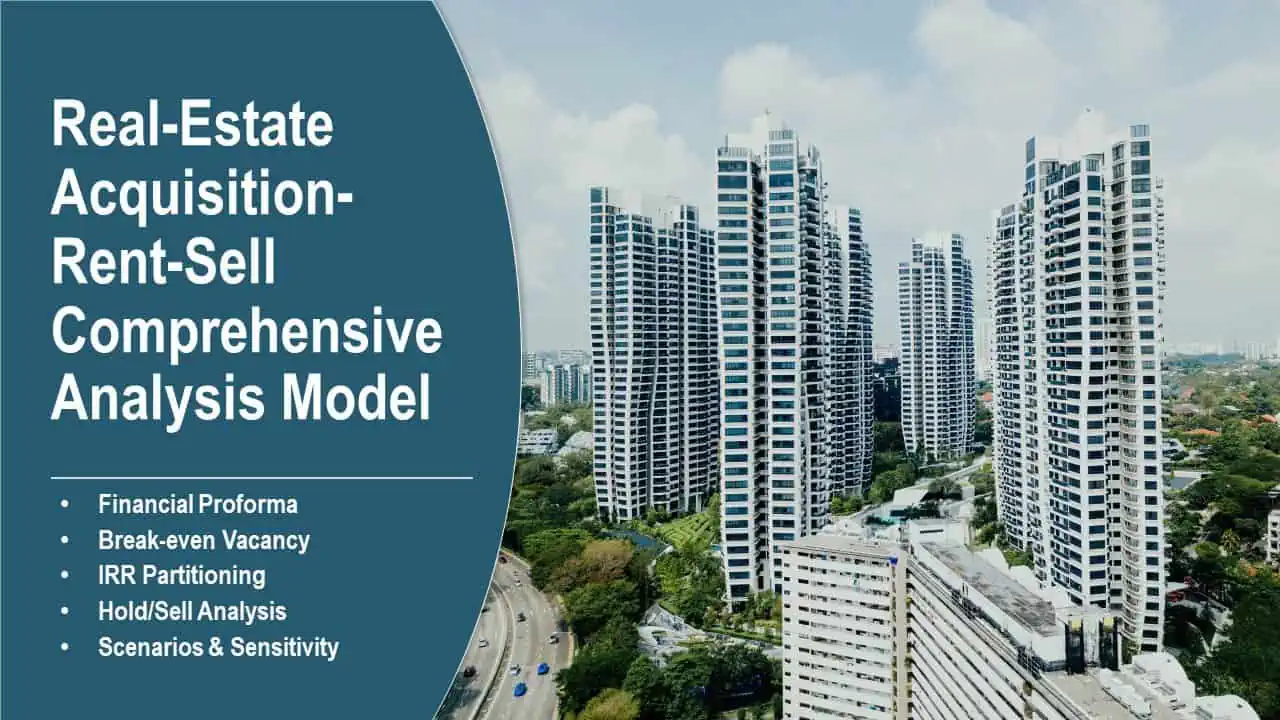
Real Estate Acquisition-Rent-Sell Comprehensive An...
An integrated, dynamic and ready-to-use Real Estate Acquisition-Rent-Sell Comprehensive Analysis Mod... Read more

 anthony
Hotel/Guesthouse/Resort Development Model and Valu...
This Hotel / Holiday Resort Development Model will take you through a 20-year period of Three Statem... Read more
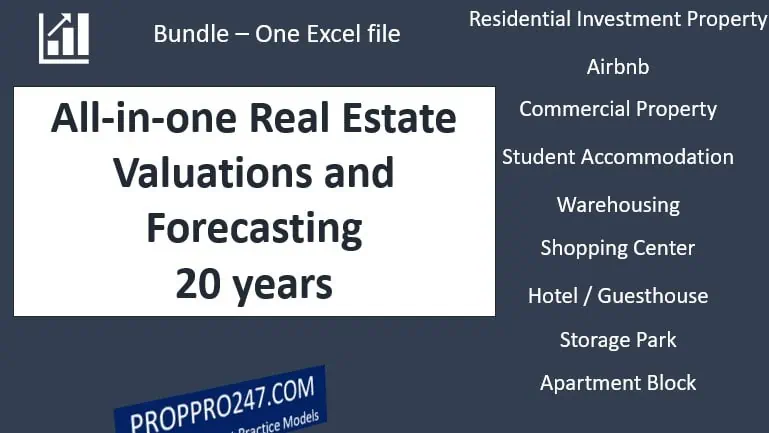
Real Estate Financial Models Excel Template –...
One Excel file for this bundle of Valuation and Financial forecasting models. Storage Parks, Hotels,... Read more

Multifamily Acquisition-Rent-Sell Financial & ...
We are glad to present our new integrated, dynamic and ready-to-use Valuation & Analysis financial m... Read more

 Giorgos
Hotel Development Financial Model (Construction, O...
Financial model presenting a development scenario for a Hotel including construction, operation, and... Read more
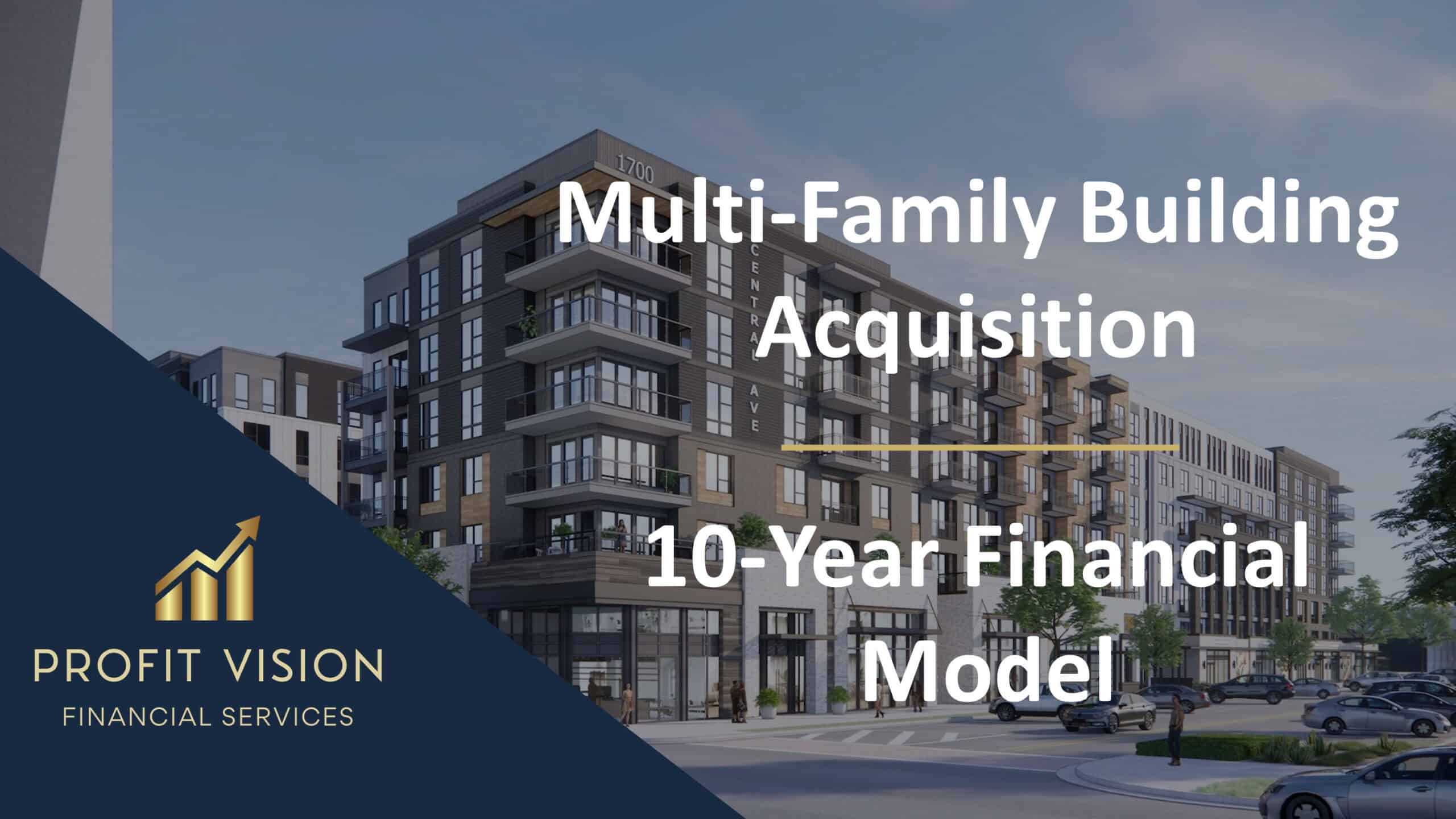
Multi-Family Building Acquisition – 10 Year ...
Financial model presenting an investment scenario of a Multi-Family Building, from the acquisition o... Read more
You must log in to submit a review.