
0 ITEMS

Passive Income
Passive income refers to earnings derived from a rental property, limited partnership, or other enterprise in which a person is not actively involved. Our financial model templates include tools to track and analyze passive income, helping you plan for financial independence and wealth accumulation.


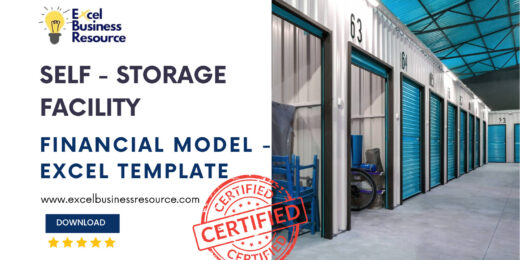

Supercharge your self storage business planning with this dynamic, ready-to-use…

Professional Syndicated Note Template Excel Model. Transform your real estate…

Unlock the Potential of Real Estate Financial Forecasting with our…

Streamline your short-term rental marketplace's financial planning with our Short-Term…

Boost your short-term rental marketplace's financial success with our Excel-based…

Boost your Airbnb like rental marketplace's financial success with our…
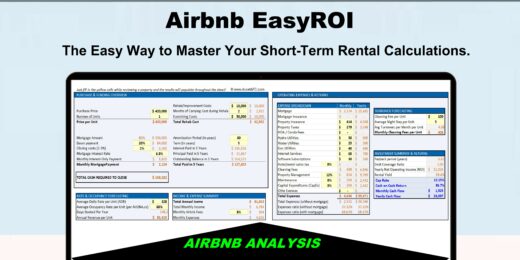

Transform Your Short-Term Rental Strategy with Airbnb EasyROI Airbnb EasyROI…
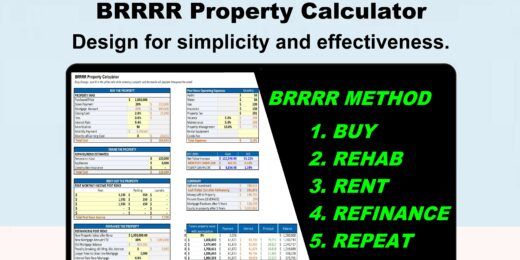
Unlock Your Real Estate Potential with Our BRRRR Property Calculator…
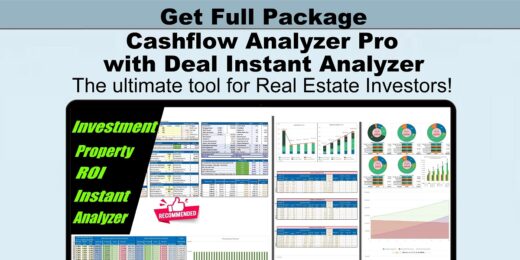
Cashflow Analyzer Pro with Deal Instant Analyzer from AssetAFC.com, is…
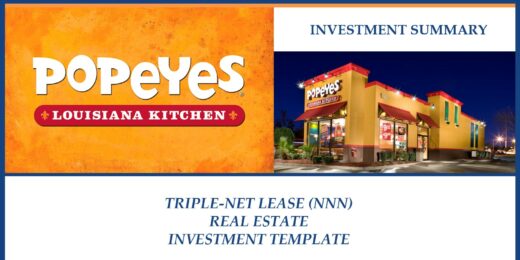

Combo! Easy to use Excel spreadsheet + PowerPoint presentation. That's…
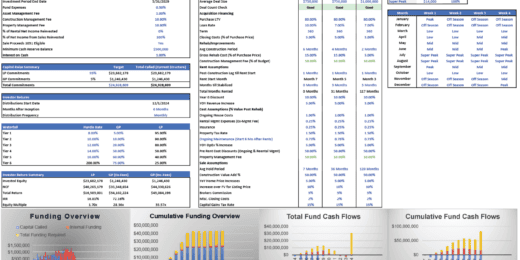
The Rental Property Investment Fund Model is a tool designed…


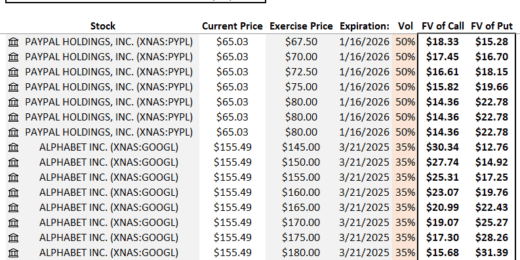
The Equity Options Fair Value Calculator (Black-Scholes) is your go-to…



This real estate financial model is a dynamic tool designed…


This model is built for data-as-a-service startups. If you have…


Configure up to 100 rental property acquisitions and view the…

The financial model for a self-service laundromat is a comprehensive…
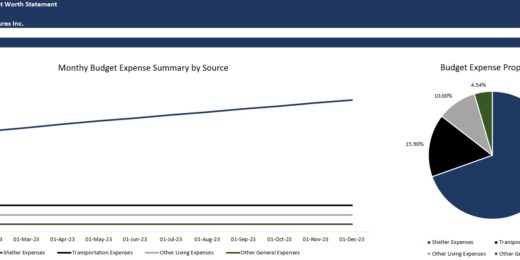

Pro Forma Models created this model to prepare an annual…

Here are all the spreadsheets I've built that involve cash…

Track preferred returns for investors in a fund with this…


Five years rental unit model, includes appreciation and return waterfall…
Simulate all the financial aspects that go into buying properties…
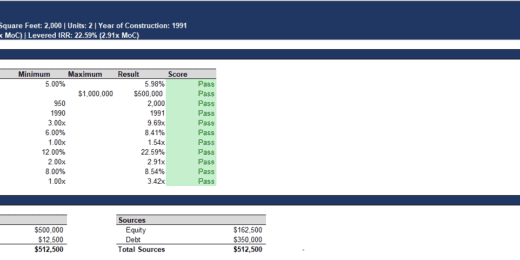
This model can be used to quickly (5 minutes if…
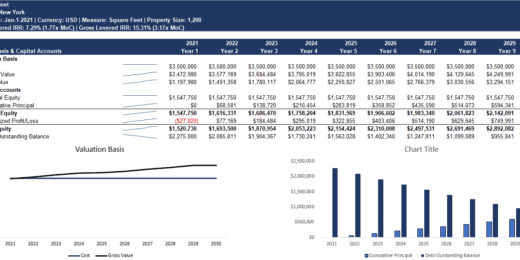
This model can be used to analyze the financial return…
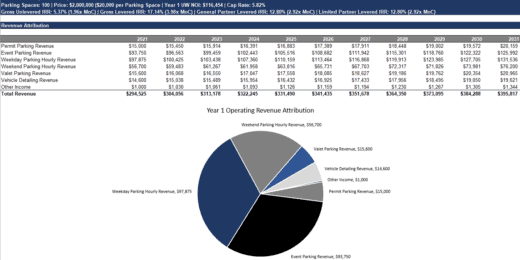
This model can be used to analyze the financial/investment return…
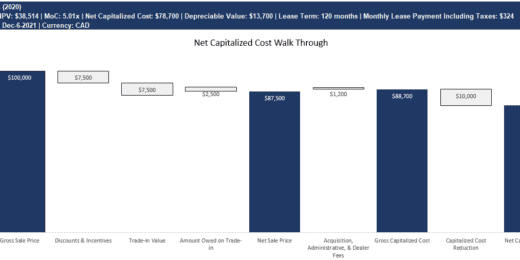
A dynamic model to analyze the financial performance of a…


This is a comprehensive yet very friendly financial model for…


Building Wealth with Smart Financial Planning in Passive Income

In today's fast-paced world, where financial stability often seems elusive, passive income has emerged as a promising avenue for those seeking to build wealth. The allure of earning money with minimal effort is immensely appealing, but achieving true passive income success requires a thoughtful and strategic approach. By employing smart financial planning techniques, individuals can optimize their passive income streams and enhance their financial well-being.
The Foundations of Passive Income and Wealth-Building Opportunities
Passive income involves earnings generated from investments or ventures that require little active involvement from the creator. Unlike active income, which demands continuous effort for financial gain, passive income allows individuals to diversify their income sources, thus providing an added layer of financial security. From real estate investments to dividend stocks and affiliate marketing, the opportunities for generating passive income are both varied and abundant. However, a strategic approach is crucial to truly maximize these streams and ensure they contribute effectively to one's wealth-building journey.
Identifying Key Performance Indicators for Passive Income Fulfillment
Tracking the performance of passive income strategies is vital to ascertain their effectiveness and sustainability. Key Performance Indicators (KPIs) offer measurable insights that help assess the health and success of various income streams, thereby enabling informed decision-making. Key indicators to monitor include:
- Cash Flow: Positive cash flow is the lifeblood of any successful passive income strategy. It involves ensuring that the revenues generated by an investment significantly exceed the costs associated with maintaining that investment. Whether it's rental income exceeding property maintenance expenses or dividend earnings outweighing stock acquisition costs, positive cash flow ensures the investment remains profitable and supports wealth accumulation over time.
- Return on Investment (ROI): Measuring the profitability of a passive income source is crucial, and Return on Investment (ROI) serves as a reliable yardstick for this purpose. ROI calculates the percentage of returns gained relative to the invested capital. Investors should aim for high ROI values, indicating that their money is working effectively to generate expected returns, thereby maximizing their passive income.
- Cap Rate for Real Estate: In the realm of real estate, the capitalization rate (cap rate) is a primary metric for evaluating property investments. It reflects the expected rate of return on a real estate investment by comparing the net operating income to the current market value of the property. A higher cap rate typically suggests a better return on investment, allowing investors to make more informed decisions about buying or holding properties.
- Occupancy Rates: For rental properties, occupancy rates significantly impact revenue streams. High occupancy rates mean more consistent rental income, which is crucial for sustaining positive cash flow and maximizing returns on real estate investments. Monitoring and maintaining high occupancy is therefore paramount for landlords seeking to maximize their passive income from rental properties.
Strategizing a Financial Plan Geared Towards Passive Income Success
Creating a robust financial plan tailored to passive income is essential for achieving long-term financial goals. Such a plan outlines clear objectives and strategies, ensuring that each passive income source is aligned with the investor's financial vision. Key components of an effective financial plan include:
- Investment Horizon: An effective financial plan begins with setting a realistic investment horizon. This involves defining the timeframe within which the investor expects to earn returns from passive income sources. Whether it's a long-term real estate investment or a short-term dividend stock strategy, a clear investment horizon guides the investor's decision-making process and expectations.
- Risk Assessment: Different passive income sources come with varying degrees of risk, making risk assessment a critical element of financial planning. By identifying potential risks—such as market volatility in stocks or vacancy rates in rental properties—investors can implement risk mitigation strategies, thereby safeguarding their investments and ensuring financial stability.
- Budgeting for Investments: Strategic budgeting is a cornerstone of effective financial planning. By allocating financial resources prudently, investors can diversify their portfolios across multiple passive income streams. This diversification not only spreads risk but also enhances the potential for higher returns.
- Forecasting Earnings: Accurately forecasting earnings from passive income streams is crucial for financial planning. By analyzing historical data and market trends, investors can project future income, allowing for more informed and strategic decision-making. These forecasts empower investors to adapt their strategies based on economic conditions and changing market dynamics.
Utilizing MS Excel Spreadsheets for Enhanced Passive Income Planning
In the digital age, MS Excel spreadsheets have emerged as indispensable tools for financial planning, offering unparalleled advantages for managing passive income strategies. Here are some key benefits:
- Customizability: MS Excel offers unparalleled customizability, enabling investors to tailor financial planning templates to fit specific investment or income sources. This adaptability ensures that the spreadsheet accurately reflects the unique characteristics and goals of an investor's passive income portfolio.
- Data Visualization: The ability to create clear charts and graphs is another significant advantage of MS Excel. By transforming raw data into visual representations, investors gain clearer insights into performance metrics, facilitating more informed decision-making.
- Scenario Analysis: Running "what-if" scenarios in Excel allows investors to evaluate the impact of different assumptions on their passive income strategies. By simulating various economic and market conditions, investors can prepare for potential challenges and identify optimal strategies.
- Ease of Use: Despite its complexity, MS Excel is user-friendly, making financial modeling accessible even to non-experts. Its intuitive interface and comprehensive functionalities enable investors to manage and analyze their financial data efficiently and effectively.
Moving Towards Actionable Steps in Passive Income Wealth Building
In conclusion, building wealth through passive income requires a deliberate and informed approach. By understanding the foundations and opportunities within passive income, identifying and tracking key performance indicators, crafting a comprehensive financial plan, and utilizing tools like MS Excel spreadsheets, individuals can effectively navigate their journey toward financial independence. Diligent financial planning and regular reviews are integral to ensuring the success and sustainability of passive income streams.
For those eager to take control of their financial future, exploring the comprehensive range of financial model spreadsheet templates offered by eFinancialModels can be a transformative step. These tailored solutions, designed specifically for passive income planning, empower investors to enhance their financial strategy, optimize performance, and build wealth intelligently. Engage with eFinancialModels today to unlock your potential in the world of smart financial planning and passive income success.
Frequently Asked Questions about Passive Income Financial Planning
- What is passive income? Passive income refers to earnings generated from investments or ventures that require little active involvement from the creator, allowing for income diversification and added financial security.
- Why is strategic planning crucial for passive income? A strategic approach ensures that passive income streams are viable and sustainable, contributing effectively to long-term wealth-building goals.
- What are some common sources of passive income? Common sources include real estate investments, dividend stocks, affiliate marketing, peer-to-peer lending, and royalties from intellectual properties.
- What KPIs should I monitor for my passive income streams? Key performance indicators include cash flow, return on investment (ROI), cap rate for real estate, and occupancy rates for rental properties.
- How can MS Excel spreadsheets aid in passive income planning? MS Excel offers customizability, data visualization, scenario analysis, and ease of use, making it an effective tool for managing and optimizing passive income strategies.
You might also like: