
0 ITEMS

Financial Planning for Contract Packaging Companies

Contract packaging is a key part of modern manufacturing, supporting industries like food, pharma, and electronics by handling packaging processes externally.
- It involves outsourcing tasks such as labeling, filling, and assembling products, allowing companies to focus on core operations.
- The industry is rapidly growing, with projections nearing $119 billion by 2025, emphasizing the importance of strategic financial planning.
- Starting a co-packing business requires careful market research, a detailed business plan, and securing appropriate funding.
- Efficient scaling depends on managing costs, choosing smart materials, and optimizing pricing structures to stay profitable.
- Financial models help forecast demand, control expenses, and ensure sustainable growth; understanding these elements is essential for success.
Continuing with this article provides practical steps and strategies to effectively grow your contract packaging or co-packing business.
The Role of Contract Packaging Companies in Modern Manufacturing
Contract packaging refers to outsourcing a company’s packaging operations to a third-party provider. The contract packager takes on the end-to-end packaging responsibilities, from design conceptualization to sourcing materials to assembling final branded products. Contract packaging companies play a crucial role in modern manufacturing by handling the packaging process for businesses. These companies help streamline operations, reduce costs, and improve efficiency by offering specialized services such as labeling, assembly, and custom packaging. By outsourcing packaging to experts, manufacturers can focus on their core operations, scale production, and meet consumer demands faster. Contract packagers also provide flexibility, allowing businesses to adjust packaging solutions based on market trends and customer needs, ultimately supporting growth and competitiveness in the industry.
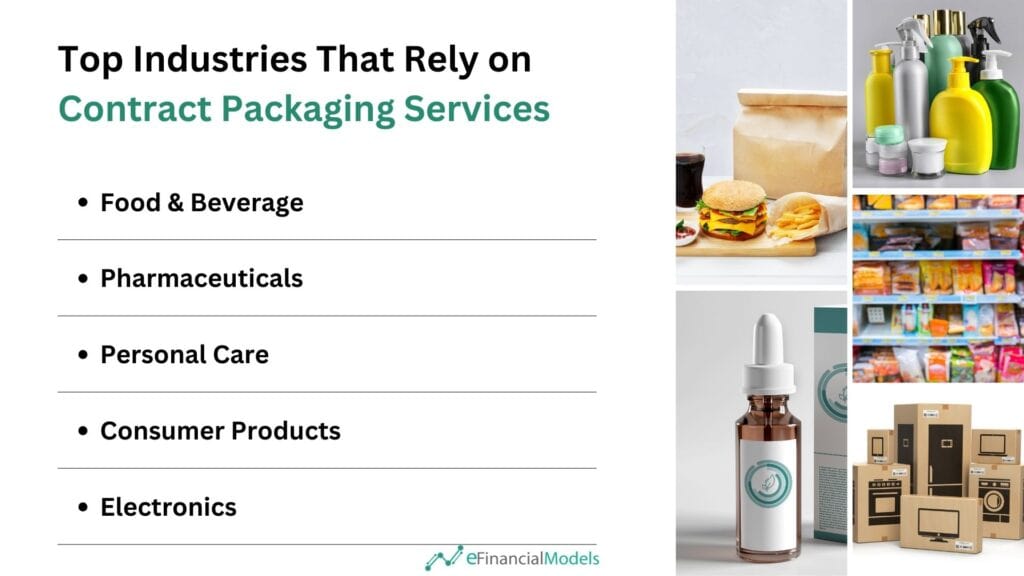
Top Industries That Rely on Contract Packaging Services
Contract packaging services play a crucial role in various industries by handling the packaging needs of businesses without requiring them to invest in costly in-house operations. These services are essential for companies looking to outsource packaging tasks such as filling, labeling, and assembling products. Businesses can focus on production and marketing by partnering with contract packaging companies while leaving packaging to the experts. The top industries that rely on these services include:
- Food & Beverage: This sector extensively utilizes contract packaging services for products such as cookies, crackers, candies, beverages, and more.
- Pharmaceuticals: The pharmaceutical industry requires precise and compliant packaging for medications and medical devices. A contract packaging company ensures adherence to stringent regulations, providing blister packaging and labeling services.
- Personal Care & Cosmetics: Products such as shampoos, conditioners, lotions, and makeup benefit from specialized packaging to maintain quality and appeal. A contract packaging company offers customized solutions to meet the unique needs of this industry.
- Consumer Products: This broad category includes cleaning supplies, pet products, and household goods. A contract packaging company assists in creating attractive and functional packaging that appeals to consumers.
- Electronics: Packaging for electronic components and devices requires precision and protection. A contract packaging company provides solutions that safeguard products during transit and enhance shelf appeal.
By leveraging contract packaging services, companies across these industries can focus on their core competencies while ensuring their products are packaged efficiently and attractively.
How to Start a Co-Packing Company
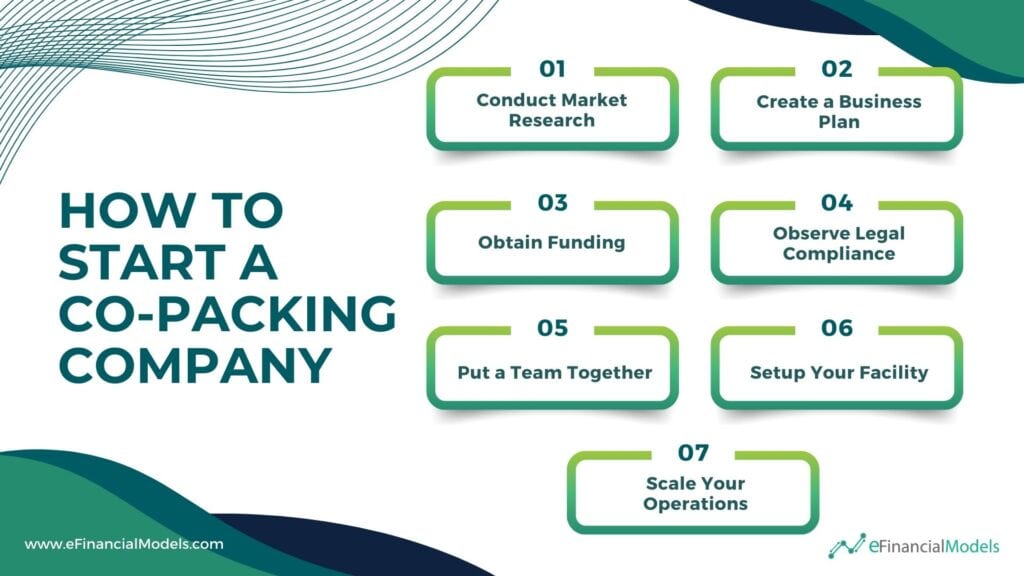
For small businesses seeking to diversify revenue streams, starting a co-packing company can be rewarding in terms of stability and growth. Here are the key steps to undertake:
- Conduct Market Research: Start by understanding your target market. Focus on the types of businesses that need co-packing services and identify potential opportunities that are not yet being served. Analyze the market size, including revenue growth trends and customer pain points. By gathering this data, you can position your co-packing company where demand is highest, ensuring you meet customer needs effectively.
- Create a Detailed Business Plan: Develop a clear business plan outlining your company’s vision, goals, and operations. Define your services, such as specific packaging materials, product categories, or value-added services. The plan should include budget estimates, growth strategies, hiring needs, and risk assessments. A solid business plan helps secure funding and shows investors you are serious and well-prepared.
- Obtain the Necessary Funding: Identify how much capital you need to start your co-packing company. Look into different funding sources, such as loans, investors, or grants. Create a funding plan based on your business projections to ensure you have enough financial backing for startup costs and early operations.
- Observe Legal Compliance: Ensure your co-packing company meets all legal and regulatory requirements. It includes obtaining the right business permits, following industry-specific regulations, and having contracts like non-disclosure agreements with clients. Also, ensure you have the necessary insurance, such as product liability coverage. Consulting with legal experts early can help you avoid issues down the road.
- Put a Team Together: Hiring the right people is crucial. Build a team with the expertise and skills needed for your operations. It includes production, quality control, logistics, and customer service roles. A strong team will support smooth day-to-day operations and drive growth.
- Setup Your Facility: Choose a location based on your market research and operational needs. The facility should have the necessary machinery, storage space, and safety protocols. Ensure the layout is designed to support efficient production workflows. It will help meet demand while maintaining quality.
- Scale Your Operations: Once your business is up and running, focus on scaling. Expand your customer base, invest in more equipment, and hire additional staff. Streamline processes to increase efficiency and handle larger volumes. Scaling smartly will allow your co-packing business to grow sustainably.




















































Smart Financial Strategies for Co-Packing Companies
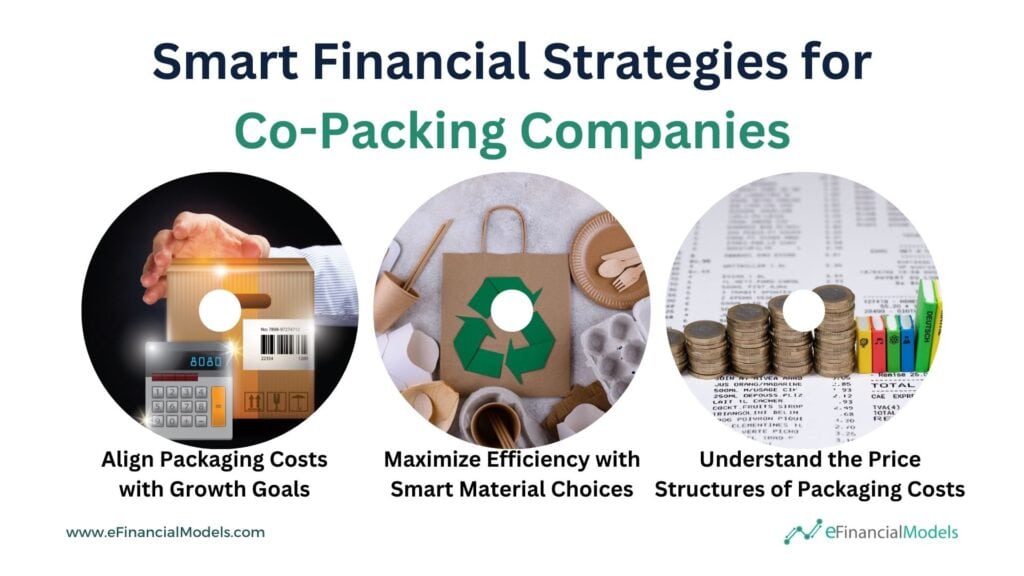
Co-packing companies should adopt smart financial strategies to support long-term success. These strategies help achieve better margins and maintain product quality. These approaches also ensure that packaging is not just an expense but a strategic investment that drives growth and profitability.
Align Packaging Costs with Growth Goals
Co-packing companies must align packaging costs with growth goals. It is a smart strategy to ensure efficient scaling. They must consider the balance between expanding capacity, maintaining cost-efficiency, and aligning with market demand. By forecasting the right level of investment in equipment, labor, and materials to meet increasing production needs, businesses can minimize waste and avoid overextending resources. This approach allows for an optimized cost structure, ensuring that as demand grows, the company’s financial and operational capabilities can scale effectively to support expansion without compromising quality or customer satisfaction.
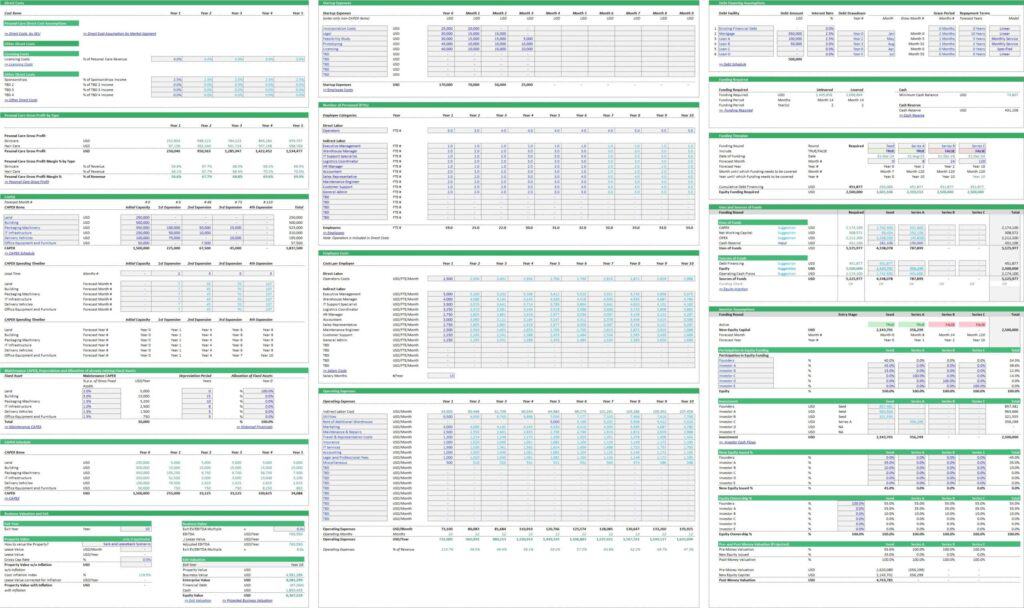
The above funding plan from a Co-Packaging Production Business Financial Model offers a structured roadmap for financing the scaling process. This model outlines the required funding amounts across different investment rounds, such as Seed and Series A, to ensure adequate capital for expansion. It also includes detailed financial projections for employee costs, operational expenses, and machinery investments, which are critical for aligning packaging costs with business growth. By analyzing these projections, investors and stakeholders can assess the viability of the business plan and determine the optimal funding structure to support the scaling objectives sustainably.
Maximize Efficiency with Smart Material Choices
Maximizing efficiency with smart material choices is a key strategy for scaling contract packaging companies. As production volumes grow, the selection of cost-effective, high-quality materials can significantly impact the overall profitability of the business. Co-packing companies can reduce waste, improve production speed, and maintain high-quality standards by choosing materials that best balance cost and performance. Additionally, strategically sourcing materials based on supply chain considerations—such as availability, sustainability, and price stability—can help reduce unexpected cost fluctuations, ensuring that businesses are able to maintain consistent margins while scaling production to meet demand.
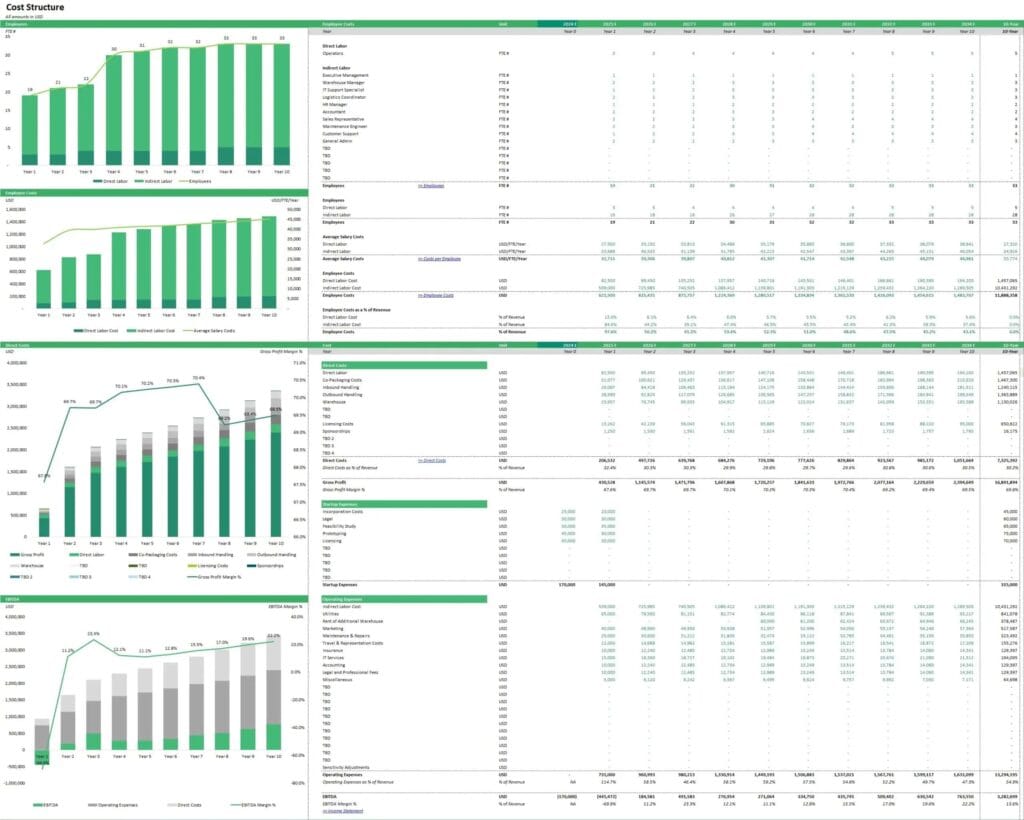
The above cost structure analysis in the Co-Packaging Production Business Financial Model offers valuable insights into how the company’s cost structure evolves. It includes a detailed breakdown of labor, material, and operational costs, as well as key metrics like gross profit and EBITDA margins. The analysis also highlights the impact of direct labor costs and packaging materials on overall profitability, making it clear how smart material choices can directly influence the company’s ability to scale efficiently. By closely monitoring these costs and adjusting material choices accordingly, businesses can make informed decisions that drive growth while maintaining a healthy profit margin.
Understand Pricing Structures in Packaging Costs
Understanding pricing structures in packaging costs is an essential strategy for scaling co-packing companies effectively. As packaging volumes increase, businesses must evaluate how the costs of packaging materials, labor, and shipping impact the final product price. By breaking down the pricing structure into components—such as raw materials, labor costs, and overheads—companies can identify areas for improvement, such as negotiating better rates for bulk orders or optimizing production processes to reduce waste. This insight allows for better cost management and ensures businesses can maintain profitability while accommodating larger order volumes.
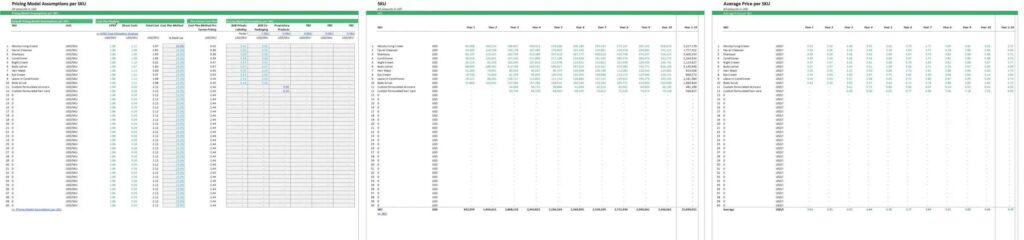
The above product pricing strategy from the Co-Packaging Production Business Financial Model showcases detailed pricing assumptions for various SKUs across the years. It includes the cost per unit, direct costs, total costs, suggested markup, and forecasts for each product over the next decade. By analyzing this data, the business can forecast the potential impact of pricing adjustments on profit margins and revenue. This approach helps co-packing companies align their pricing strategy with their scaling goals, ensuring that pricing remains competitive as demand increases while maintaining profitability.
Financial Modeling: The Key to Co-Packing Profitability
Financial modeling is crucial in ensuring co-packing companies remain profitable and competitive. By aligning packaging costs with growth goals, companies can optimize their cost structures and scale efficiently without compromising quality. Smart choices in materials, labor, and equipment can reduce waste and improve margins while understanding pricing structures helps manage costs effectively. Detailed financial projections, including cost breakdowns and pricing strategies, clarify how scaling will affect profitability.
A Co-Packaging Production Business Financial Model empowers co-packing businesses to forecast demand, manage resources, and secure the right funding to support long-term growth. The model provides the necessary insights to make informed decisions about capital investments, operational costs, and potential profit margins. Empower your business with precise financial planning today!





























You might also like:
- 10 Main Elements of a Business Plan
- 10-Step Financial Planning Checklist for Smart Executives
- Calculating Revenue Growth Rate: A Key Metric for Business Success
- The Essential Elements of an Income Statement
- Cost per Click (CPC): How to Maximize Profits
- How to Prepare a Financial Feasibility Study?
- Food & Beverages
- How to Write a Business Plan Step-by-Step
- Financial Planning
- Fundraising
- Setting Sail: Strategies for Starting a Boat Rental Business
- Steps to Building Financial Models in Excel
- Business Valuation
- Top 5 Tips For a Good Financial Due Diligence
- Financial Modeling for Startups and Small Businesses
- Manufacturing
- Why Financial Forecasting Models Are Vital for Your Business
- Real Estate Financial Modeling in Excel
- 10-Step Financial Planning Pocket Guide
- Cash Flow Analysis in Excel