
0 ITEMS

Breaking down Microbrewery Startup Costs

Imagine stepping into a cozy, local microbrewery where the rich aroma of freshly brewed hops and malt filled the air. That is what makes a microbrewery unique! It’s a haven for beer enthusiasts craving unique, handcrafted ales and lagers. Every batch is a small-batch masterpiece created with an artisanal touch that large-scale breweries can’t replicate. What truly sets a microbrewery apart is its commitment to community, hosting events like beer tastings, food pairings, and live music nights that transform it into a vibrant hub. That’s where locals gather, stories are shared, and friendships are brewed alongside the beer. With the uniqueness of a microbrewery comes financial challenges, being a capital-intensive business. Microbrewery startup costs can be a significant investment. So, a well-crafted microbrewery business plan is its roadmap to success. This comprehensive document goes beyond basic financial projections, delving into the heart of your brewery’s mission, vision, and values. It also outlines what is a microbrewery and the microbrewery startup cost. By detailing everything from ingredient sourcing to customer engagement, a solid business plan helps you anticipate challenges and seize opportunities, making your brewery more adaptable and resilient.
What Is a Microbrewery?
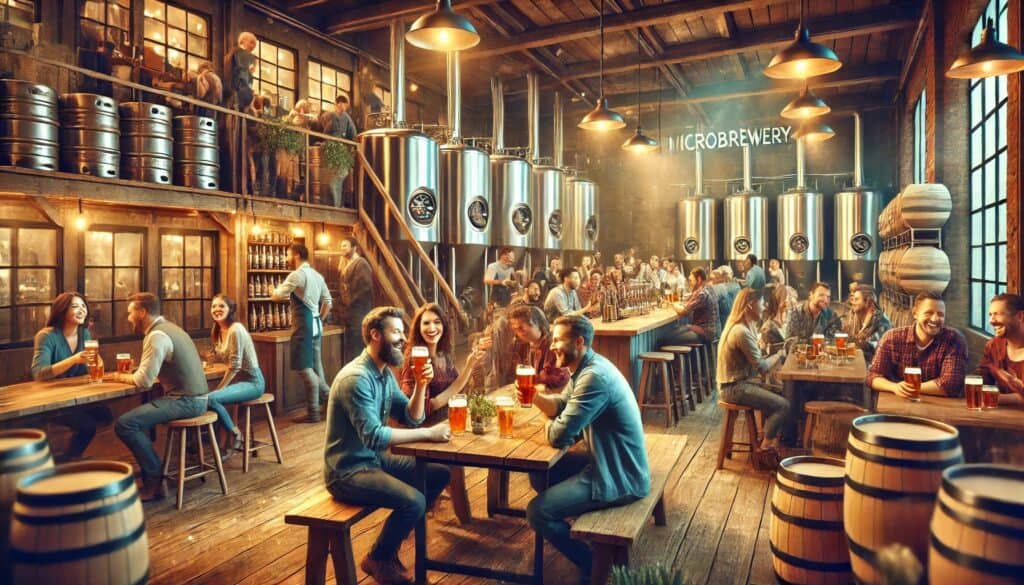
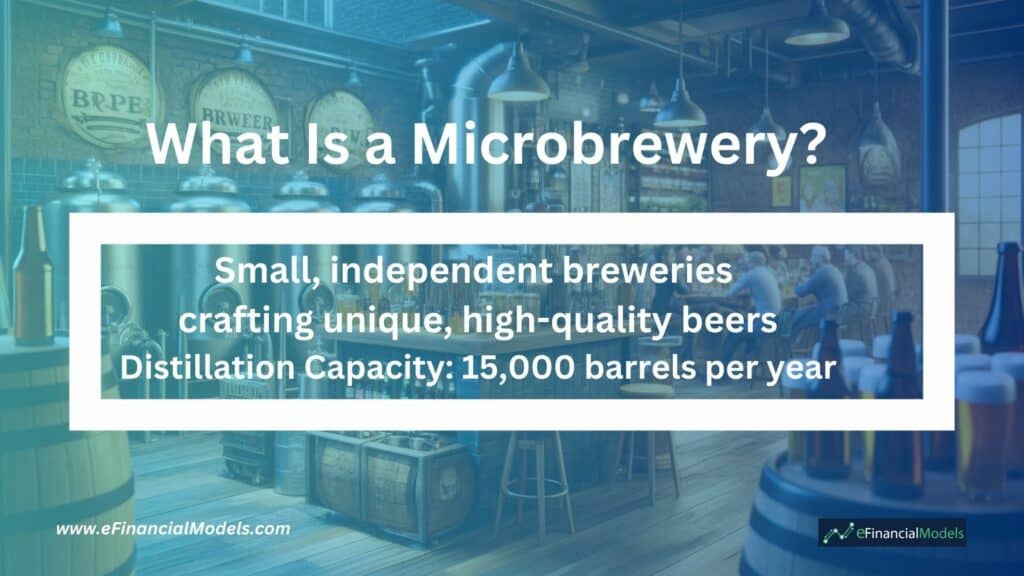
Microbreweries are small, independent breweries that produce unique, high-quality beers in limited quantities, setting them apart from large-scale, mass-production breweries. What is a microbrewery often involves experimenting with innovative ingredients, brewing techniques, and flavoring profiles to create distinctive and flavorful beers that cater to the tastes of beer enthusiasts.
Microbreweries are known for using unique ingredient combinations to craft distinctive and flavorful beers. Brewers often experiment with alternative grains like rye, wheat, and oats to add complexity and enhance mouthfeel. Fruits and vegetables, such as berries, pumpkins, and even peppers, are incorporated to introduce tartness, seasonal flavors, and a new dimension to beer profiles. Herbs and spices, including coriander, orange peel, lavender, and exotic additions like cardamom and clove, bring floral, aromatic, and unexpected flavor profiles to the brews.
Some adventurous brewers even venture into the realm of wild and sour beers by introducing funky Brettanomyces yeast strains or tangy Lactobacillus and Pediococcus bacteria. These unique ingredient combinations allow microbreweries to push the boundaries of traditional beer styles and offer beer enthusiasts a diverse range of flavors to explore and enjoy.
What Is the Difference Between a Microbrewery and a Regular Brewery?
The primary difference of what is a microbrewery and a regular brewery is scale. Microbreweries usually produce beer in small quantities, typically less than 15,000 barrels per year, while regular breweries, also known as macro breweries, manufacture significantly larger quantities. Microbreweries focuses on crafting small-batch, high-quality beers with unique flavors, ingredients, and brewing techniques. They often prioritize experimentation and innovation, creating seasonal and specialty beers showcasing creativity. In contrast, regular breweries mass-produce a more standardized range of beers, prioritizing consistency and wide distribution. Microbreweries also tend to have a strong local focus, often serving their communities through taprooms, brewpubs, or limited distribution, whereas regular breweries generally have a broader regional or national reach.
How Much Beer Does a Microbrewery Produce?
Microbreweries are defined by their limited beer production, capped at 15,000 barrels (or approximately 460,000 gallons) annually in the United States. It is a fraction of the output of large-scale macro breweries, which can produce millions of barrels annually. The restricted production allows microbreweries to focus on quality, consistency, and experimentation with unique ingredients and brewing techniques. Some microbreweries produce smaller quantities, such as nanobreweries, which typically manufacture less than 2,000 barrels annually. Despite their limited output, microbreweries have gained popularity among beer enthusiasts who appreciate these small-batch producers’ diverse flavors and styles.
Microbrewery Startup Costs
Are you considering a venture into the world of microbreweries? If so, it’s crucial to understand the financial commitment. In 2024, the average startup cost for a microbrewery can vary significantly, ranging from around $250,000 to $500,000 on the lower end. Starting a microbrewery demands a significant capital investment, reflecting the intricate process of brewing quality craft beer. As such, this endeavor requires meticulous strategic financial planning to ensure that all aspects, from equipment procurement to marketing and distribution, are adequately funded.
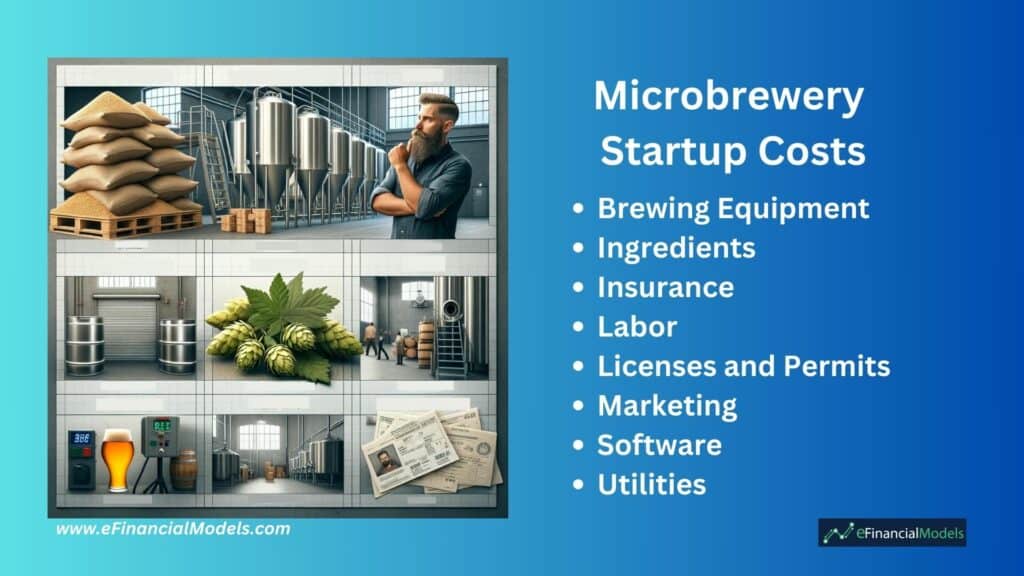
Brewing Equipment
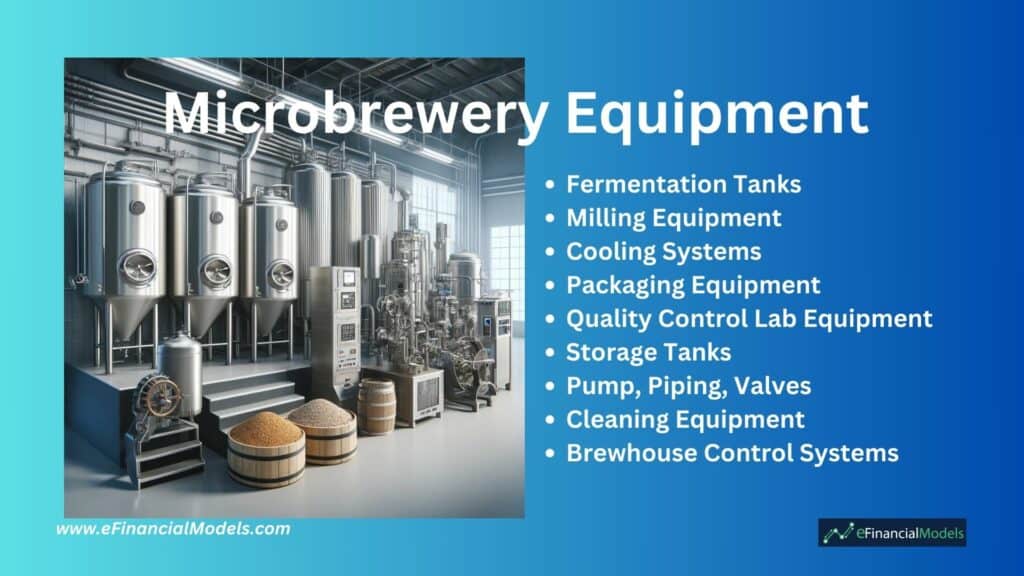
Brewing equipment represents a significant portion of the initial microbrewery startup cost.
Brew Kettles
Brew kettles are essential for brewing, where the wort—the liquid extracted from the mashing process—is boiled with hops and other ingredients. This equipment can range from $20,000 to over $100,000, depending on the size and complexity. The boiling process in the brew kettle helps to sterilize the wort, extract flavors from the hops, and evaporate undesirable volatile compounds. BBrew kettles are generally constructed from stainless steel and have various features, such as temperature controls and automated stirring mechanisms, to ensure consistent brewing quality.
Fermentation Tanks
Fermentation tanks are where the magic of beer production happens. These tanks, costing between $2,000 and $10,000 each, are where the wort is fermented by yeast to produce alcohol and carbonation. Fermentation tanks come in various sizes and can be equipped with cooling jackets to maintain the optimal temperature for yeast activity. Proper fermentation is crucial for developing the beer’s flavor profile and ensuring the final product meets quality standards.
Milling Equipment
Milling equipment, priced between $1,000 and $5,000, crushes malted barley into grist, a coarse powder that facilitates the extraction of fermentable sugars during the mashing process. The efficiency of the milling process directly impacts the quality and yield of the wort. Well-milled grain ensures that the starches are readily accessible for conversion into sugars, which are then fermented by yeast to produce alcohol.
Cooling Systems
Cooling systems are vital for maintaining the proper temperature during various stages of the brewing process, particularly during fermentation and after boiling the wort. These systems, which can cost between $5,000 and $20,000, typically include glycol chillers and heat exchangers. Efficient cooling systems ensure the beer is fermented at the right temperature, which is critical for flavor development and preventing unwanted bacterial growth.
Packaging Equipment
Packaging equipment, such as bottling lines, is essential for transferring the finished beer into bottles, cans, or kegs. This equipment can vary in cost from $20,000 to $100,000. A reliable packaging system ensures that the beer is packaged efficiently, minimizing oxygen exposure, which can degrade the beer’s quality. It also includes labeling and sealing components, ensuring the product is prepared for distribution.
Quality Control Lab Equipment
Quality control lab equipment is necessary for testing and ensuring the consistency and safety of the beer. This equipment, which can cost a few thousand dollars or more, includes instruments for measuring alcohol content and pH levels and detecting microbial contamination. A well-equipped lab helps maintain the high standards of the brewery’s products, ensuring that each batch meets the desired specifications.
Storage Tanks
Storage tanks, costing between $5,000 and $15,000 each, hold both raw ingredients and finished beer. They are essential for maintaining a steady production flow and ensuring the beer is stored optimally before packaging. Storage tanks need to be hygienic and often have temperature control features to preserve the quality of the beer.
Pumps, Piping, and Valves
Pumps, piping, and valves are integral to the brewery’s infrastructure, facilitating the movement of liquids between various stages of production. These components, costing a few thousand dollars, must be durable and sanitary to prevent contamination. Efficient pumps and valves ensure that the brewing process is smooth and that each stage, from mashing to packaging, is properly connected and managed.
Cleaning Equipment
Cleaning equipment, which can cost between $2,000 and $10,000, is crucial for maintaining a microbrewery’s hygiene and operational efficiency. It includes systems for cleaning and sanitizing tanks, pipes, and other brewing equipment. Regular and thorough cleaning prevents microbial contamination and ensures the brewing environment is safe and clean, which is essential for producing high-quality beer.
Brewhouse Control Systems
Brewhouse control systems, costing between $10,000 and $50,000 or more, are advanced systems that automate and monitor various aspects of the brewing process. These systems can control temperature, timing, and other critical parameters, ensuring consistency and precision in brewing. Automation helps scale production efficiently while maintaining high-quality control and operational efficiency standards.





















































Ingredients
Ingredients are a significant part of a microbrewery’s startup costs. The process of planning and budgeting for these costs, including initial bulk purchases, storage, quality, and the specific needs of the brewery’s beer styles, is a key factor in the successful launch and operation of a microbrewery.
Alternative Grains
Incorporating alternative grains like oats, rye, and wheat can bring diversity and unique flavors to your beer. These grains, however, are generally more expensive than standard barley malt. To manage these costs, it’s essential to budget for bulk purchases to secure better rates and ensure you have the appropriate storage conditions to maintain their quality.
Fruits
Fruits can be vital in creating specialty beers with unique flavor profiles. The type, quantity, and seasonality influence the cost of fruits. Fresh fruits, while more expensive and with a shorter shelf life, can significantly enhance the flavor of your beer. When budgeting for fruits, it’s crucial to consider potential price fluctuations due to seasonality and prioritize sourcing high-quality produce to ensure the desired flavor impact.
Herbs & Spices
Herbs and spices like coriander and lavender can add distinctive aromas and flavors to your beer. These ingredients are typically used in smaller quantities, but their cost can still increase, especially for high-quality or organic options. The startup cost should account for initial bulk purchases to experiment with recipes and create consistent batches and storage solutions to keep these ingredients fresh.
Hops
Hops are a crucial ingredient in beer, providing bitterness, aroma, and flavor. The cost of hops varies widely depending on the variety and origin. Popular and high-demand hops tend to be more expensive. Purchasing hops in bulk can reduce costs for a microbrewery, but this requires adequate storage facilities to maintain their freshness. Budgeting for hops includes considering the variety and quantity needed for different beer styles.
Malt
Malt is the primary ingredient in beer, providing fermentable sugars and contributing to the beer’s body and flavor. The cost of malt can vary based on the type (pale, caramel, roasted) and the quality. Purchasing malt in bulk is usually more cost-effective, but it requires significant storage space and proper conditions to prevent spoilage. Initial costs will also include equipment for milling the malt to prepare it for brewing.
Vegetables
Vegetables can add unique flavors to certain beer styles. The cost of vegetables will depend on the type, quantity, and seasonality. Fresh vegetables are typically more expensive and have a limited shelf life, whereas frozen or preserved options might be more economical. Budgeting for vegetables should include considerations for their sourcing, potential price fluctuations, and proper storage to ensure quality.
Water
Water is the most significant ingredient by volume in beer. While water itself is relatively inexpensive, the cost for a microbrewery includes ensuring a reliable and high-quality water supply. It might involve water treatment systems to adjust the chemical composition of the water to suit different beer styles. The startup budget should include initial setup costs for water treatment equipment and ongoing costs for maintaining water quality.
Yeast
Yeast is essential for fermentation, converting sugars into alcohol and carbon dioxide. The cost of yeast can vary depending on whether you use dry or liquid yeast and whether it is a common strain or a specialty one. Yeast can also be propagated and reused, which can reduce long-term costs. However, initial startup costs should include purchasing a variety of yeast strains to experiment with and the equipment needed to maintain yeast health and viability.

Labor
What is a microbrewery? In a microbrewery, the brewmaster is a key figure, ensuring the quality and uniqueness of the beer. Their annual salary, which can range from $40,000 to $100,000, reflects their high level of skill, years of experience, and the geographical location of the brewery. The rest of the team, including assistant brewers, servers, and other support roles, each contribute to the overall labor budget, which is determined by the number of employees and their salaries.
Licenses and Permits
Starting a microbrewery involves navigating a complex landscape of licenses and permits, another significant microbrewery startup cost. The necessary documents, such as a brewery license, a federal brewer’s notice from the Alcohol and Tobacco Tax and Trade Bureau (TTB), and various state and local permits, are crucial for ensuring the brewery’s compliance with all legal and safety regulations. The costs for these licenses and permits, which can vary based on location and the specific requirements of the area, often total several thousand dollars.
Marketing
Effective marketing is essential for a microbrewery to attract customers and build a brand. Initial marketing costs typically include website development, which ensures an online presence; advertising, both online and offline, to reach potential customers; and logo design, which helps establish brand identity. These marketing efforts can be a significant investment, often amounting to several thousand dollars, depending on the scope and quality of the services used.
Software
Investing in the right software is crucial for efficient brewery operations. Critical software needs include Customer Relationship Management (CRM) software, which helps manage customer interactions and improve service, and a Point of Sales (POS) system, which facilitates sales transactions and inventory management. The cost of these software solutions can vary based on the features and scale of the operation, but they are essential investments for ensuring smooth and effective business operations.
Utilities
Utilities are another significant ongoing microbrewery startup cost. These include electricity, water, gas, and waste disposal services, all critical for brewing operations. The fees can vary depending on the brewery’s size, the beer volume produced, and local utility rates. Efficient management and potential investments in energy-saving equipment can mitigate these expenses over time.
Funding Your Dream Microbrewery
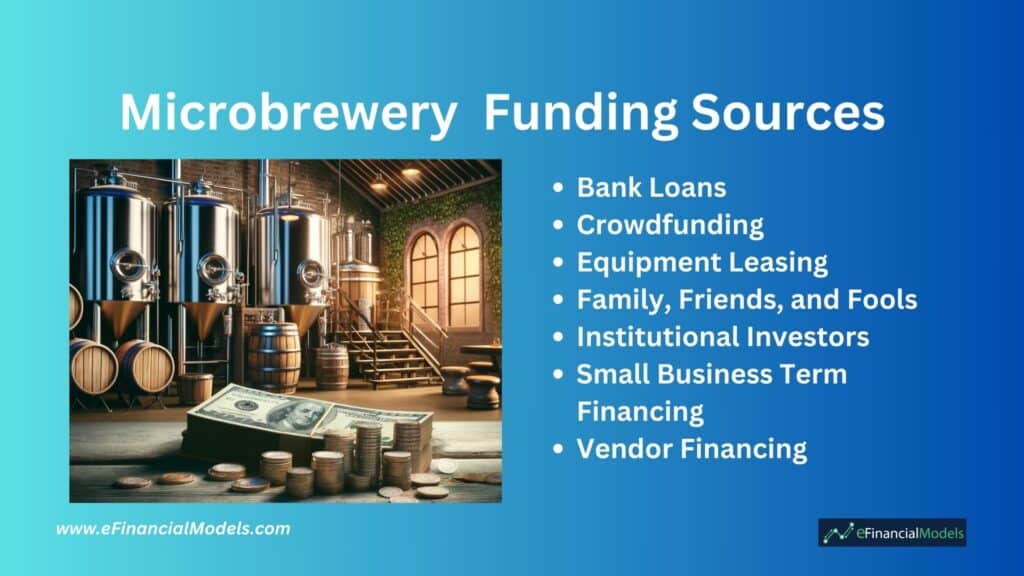
Embarking on the journey to open your dream microbrewery is exhilarating, but securing the necessary funding can be daunting. Understanding the various financing options is critical to turning your vision into reality.
- Bank loans are a traditional funding source. Microbreweries can borrow money from a bank and agree to pay back the principal and interest over a specified period. These loans can be secured (backed by collateral) or unsecured (no collateral). Bank loans offer relatively lower interest rates than other financing options, but they require a solid credit history, a detailed business plan, and sometimes a personal guarantee from the borrower.
- Crowdfunding involves raising small amounts of money from a large number of people, typically via online platforms. Microbreweries can create campaigns to attract funds from the general public, often offering rewards or equity in return. This method helps secure the necessary funds and builds a community of supporters and potential customers. Crowdfunding benefits new breweries looking to validate their business concept and generate initial buzz.
- Equipment leasing allows microbreweries to obtain necessary brewing equipment without purchasing it outright. Instead, they enter into a lease agreement, making regular payments over a specified period. This option conserves cash flow and allows breweries to access the latest equipment without a large upfront investment. At the end of the lease term, the brewery may have the option to purchase the equipment, renew the lease, or return it. Leasing can be a cost-effective way to acquire high-quality equipment and maintain operational flexibility.
- Family, friends, and fools (FFF) represent informal funding sources where microbreweries seek financial support from personal connections. This method relies on the trust and goodwill of those close to the brewery’s founders. While it can provide quick and flexible funding with potentially favorable terms, it carries the risk of damaging personal relationships if the business struggles or fails. Clear communication and formal agreements are crucial to manage expectations and protect relationships.
- Institutional investors include angel investors, private equity firms, and venture capitalists who provide significant funding in exchange for equity in the microbrewery. Angel investors are typically high-net-worth individuals who invest their personal funds and may offer mentorship. Private equity and venture capital firms invest considerable sums and often play an active role in the business’s strategic direction. While this funding source can provide substantial capital and valuable expertise, it may also involve giving up a significant portion of ownership and control.
- Small business term financing refers to loans explicitly designed for small businesses, typically offered by banks, credit unions, or online lenders. These loans provide a lump sum of capital that is repaid over a fixed term with regular principal and interest payments. Term loans can be used for various purposes, including working capital, expansion, or purchasing equipment. They offer predictable repayment schedules but require a good credit score and a proven business track record.
- Vendor financing, or trade credit, involves obtaining goods or services from a supplier and agreeing to pay for them later. This arrangement helps microbreweries manage cash flow by deferring payments, often for 30, 60, or 90 days. Some vendors may also offer discounts for early payments. Vendor financing is beneficial for maintaining inventory and managing expenses without immediate cash outlays, but it requires maintaining good relationships with suppliers and consistent payment practices.
Boost Your Microbrewery’s Success a Microbrewery Business Plan
What is a microbrewery is an exciting venture with significant financial commitments. Breaking down the microbrewery startup costs reveals a range of expenses, from securing a location and acquiring brewing equipment to obtaining licenses and marketing the brand. The industry’s capital-intensive nature means that substantial upfront investment is required to ensure the quality and sustainability of the business.
A well-crafted microbrewery business financial model is essential for boosting your brewery’s success. The plan should include a clear marketing strategy to reach your target customers effectively. By meticulously outlining each aspect of your business in a microbrewery business plan, you can identify potential challenges and opportunities, ensuring a clear roadmap for growth. A well-crafted business plan attracts investors and provides a structured approach to achieving your goals. Start planning today!
















































You might also like:
- 10 Tips to Develop a First Class Business Valuation Report
- 10 Main Elements of a Business Plan
- Mastering Financial Planning for Small Business Owners – Taking an SBA Loan
- 5 Practical Tips to Help Raise Funds For Startups
- 10 Ideas to Increase Average Revenue Per User
- 12 Funding Sources for Businesses and Startups
- Startup Model Templates in Excel that can help your Business Grow
- Understanding the Levelized Cost of Energy Formula
- How to Start a Distillery Business: What You Need to Know?
- Business Valuation Service
- Financial Modeling for Startups and Small Businesses
- Restaurant Business Financial Model
- Financial Planning for Gym Startups
- Financial Model for Mobile App | Mobile App Business Plan
- Improving Days Payable Outstanding for Better Cash Flow
- Master the Free Cash Flow Formula for Smarter Financial Decisions
- Financial Projections Templates – The Easy Way
- How to Write a Business Plan Step-by-Step
- Financial Model Templates Easy to Use