
0 ITEMS

Equipment Rental
Discover the efficiency and financial clarity our comprehensive suite of rental equipment financial model templates can bring to your business. Whether you're leasing out heavy machinery, construction equipment, or specialized tools, our templates are designed to streamline your financial planning and analysis. Each template is tailored to help you manage cash flows, predict profitability, and assess the financial viability of your rental operations. With easy-to-use features, detailed revenue projections, and robust expense tracking, you can make informed decisions that propel your business forward. Embrace a strategic approach to your equipment rental business with our expertly crafted financial models.

Find out which assets in your hire fleet actually earn…


This Excel model is built for a hybrid P2P +…


A ready-to-use Equipment Rental Marketplace Financial Model Template delivering dynamic…

Highly versatile Excel model for building 5-year, monthly RaaS financials…

A comprehensive editable, MS Excel spreadsheet for tracking equipment rental…


Unlock financial clarity with our customizable 3-Statement Excel Template, designed…
Comprehensive editable, 5-year 3 statement MS Excel spreadsheets for tracking…
Very comprehensive editable Financial models for tracking CNC Component Manufacturer…

The P2P Equipment Rental Platform Financial Model with a 10+…


This Student Bundle includes financial model templates from various industries…

A comprehensive editable, MS Excel spreadsheet for tracking Solar Farm…
Comprehensive Construction Plant Hire Company Financial Model and Valuation, Cash…
Comprehensive editable, MS Excel spreadsheets for tracking Construction Equipment Manufacturer…


Discover the key to financial planning in the construction machinery…
Step into the world of crane rental business success with…
A very comprehensive editable Excel spreadsheet for tracking your tool…

The equipment rental financial model is a comprehensive tool designed…


The purpose of this Bundle of Business Forecasting and Financial…

Financial model providing a dynamic 10-Year Financial Plan for an…


Lifetime access to all future templates as well! Here is…

A great tool for any HR manager that needs to…
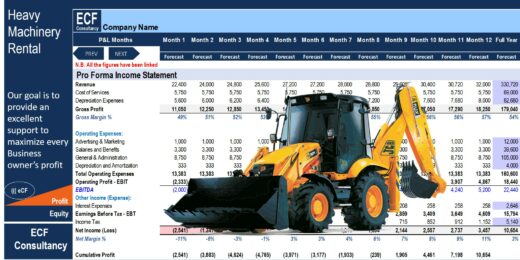

If you dream to start a heavy machinery rental business,…

Analyse the Start or Expansion of a Building Equipment Hire…


The Scooter Rental Financial Model helps users turn a shared…

User-friendly 3 statement 5 year rolling financial projection Excel model…
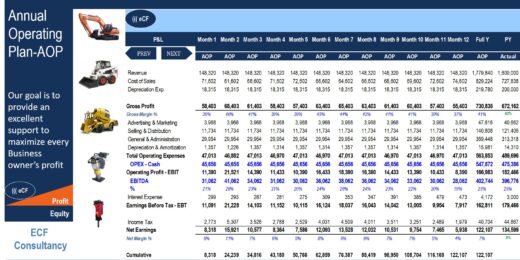
The Annual Operating Plan (AOP) template is the best tools…

The Equipment Rental Subscription Financial Model helps users turn an…

This model has been constructed for startup heavy machinery trading…

This model is a simple method to predict the future…

Highly dynamic financial model that is specific to renting equipment…
Is a Heavy Equipment Rental Company Profitable?

What Is a Heavy Equipment Rental Business?
A heavy equipment rental business specializes in leasing large machinery and vehicles primarily used in construction, mining, agriculture, and other industrial sectors. It includes many equipment, such as bulldozers, cranes, excavators, backhoes, and loaders. These businesses cater to clients who require heavy equipment for specific projects but want to avoid the high costs associated with purchasing and maintaining such machinery. The rental model offers flexibility, allowing customers to use advanced and well-maintained equipment temporarily, which is particularly beneficial for short-term projects or companies trying to reduce capital expenditures. The operation of a heavy equipment rental business involves:- Significant investment in a diverse fleet of machinery.
- Skilled staff for maintenance and operation.
- A robust logistics system to deliver and retrieve equipment from various job sites.
Initial Investments for Starting a Heavy Equipment Rental Company
Starting a heavy equipment rental company requires a substantial initial investment in various areas to ensure smooth operations and compliance with industry standards. Here's a breakdown of the initial investments needed for each key component of the business: Heavy Equipment Fleet: The heavy equipment fleet is the core of a heavy equipment rental business. This investment includes purchasing or leasing various heavy equipment such as excavators, bulldozers, cranes, and loaders. The cost of these machines can vary significantly depending on the type and size of the equipment. For instance, a small excavator may cost around $50,000, while a large crane can cost upwards of $500,000. The fleet should be diverse to cater to customer needs and regularly maintained and updated to ensure efficiency and safety. Insurance: Insurance is a crucial investment for a heavy equipment rental company. It protects the business against financial losses from damage, theft, or accidents involving the rental equipment. The insurance cost will depend on the value, type, and number of equipment, as well as the location and usage of the equipment. Working with an insurance agent specializing in business operations is essential to ensure adequate coverage. Delivery Transportation: A heavy equipment rental business needs reliable transportation to deliver and pick up the equipment from the customer's site. This investment can include purchasing or leasing delivery trucks, trailers, or other specialized transportation equipment. The cost will depend on the type and size of the transportation equipment and the distance and frequency of the deliveries. Warehouse for Equipment Storage: A warehouse or storage facility is necessary to store heavy equipment when not in use. This investment can include purchasing or leasing a warehouse and equipping it with necessary infrastructure such as loading docks, security systems, and maintenance facilities. The cost will depend on the size and location of the warehouse and the local real estate market. Regulatory Compliance: A heavy equipment rental company must comply with various local, state, and federal regulations related to safety, environmental protection, and business operations. These regulations include obtaining necessary permits and licenses, adhering to safety standards, and maintaining equipment records. The cost of compliance can consist of fees, fines, and investments in equipment or training to meet the regulatory requirements. Staffing: A heavy equipment rental business needs skilled and trained staff to operate and maintain the equipment, manage the operations, and provide customer service. This staffing investment can include hiring employees, training, and offering competitive compensation and benefits. The cost will depend on the number and skill level of the employees and the local labor market. Technological Infrastructure: A heavy equipment rental company can benefit from investing in technological infrastructure such as equipment management software, website development, and social media marketing. These investments can help streamline business operations, improve customer service, and enhance marketing efforts. The cost will depend on the type and complexity of the technology and the service providers.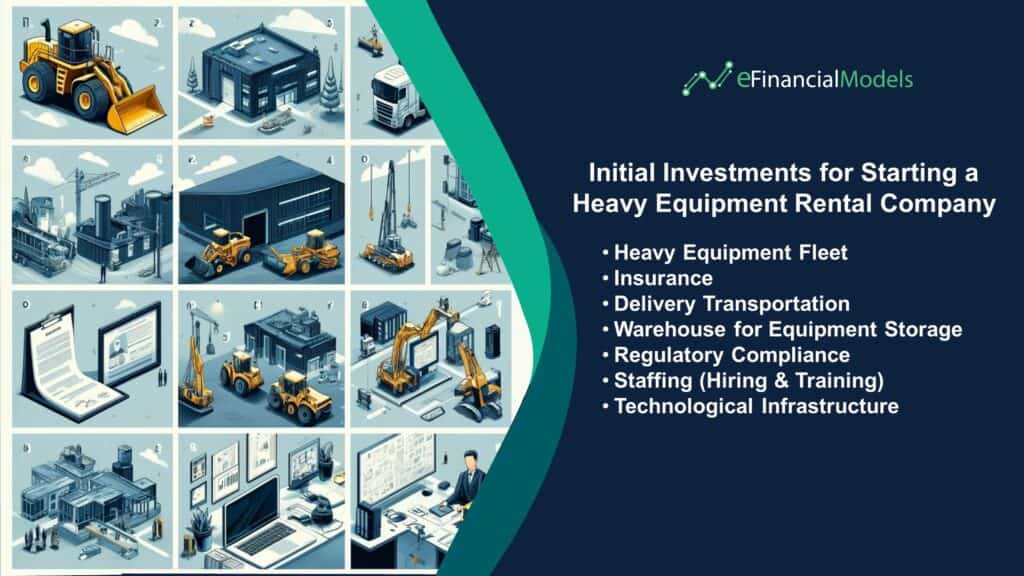
What Are the Costs of Operating an Equipment Rental Business?
Running a heavy equipment rental business involves various operating expenses, each critical to maintaining efficiency and profitability. Here's a breakdown of the costs mentioned, explained per category: Fuel costs are a significant expense for a heavy equipment rental company, mainly if the equipment includes vehicles or machinery that operate on gasoline or diesel. The cost of fuel can fluctuate based on market conditions, which can affect overall operating expenses. For businesses that rely heavily on transportable or motorized equipment, managing fuel consumption and costs is essential to maintaining profitability. Insurance premiums are vital for protecting the business against potential losses from accidents, theft, or damage to rented equipment. Premiums may vary depending on the type and value of the equipment, the risk factors associated with its use, and the coverage extent. This cost is recurrent and necessary to safeguard the business's financial health. Labor costs, including salaries, wages, and employee benefits, are crucial in an equipment rental business. These costs depend on the number of employees and their roles within the company. Offering competitive salaries and benefits is vital for attracting and retaining skilled workers, delivering high-quality service, and managing operations efficiently. Regular maintenance ensures the equipment is in good working condition, extending its lifespan and reducing the likelihood of breakdowns during rental periods. Maintenance expenses include routine checks, repairs, and replacements of worn-out parts. It helps keep the equipment safe and operational and enhances customer satisfaction and trust in the quality of the rental service. Another significant expense is the cost of renting premises for storing and managing the rental equipment. The size and location of the premises will directly impact the rent amount. However, potentially more expensive, strategically located premises can attract more customers and provide easier access to transport equipment. Keeping a stock of spare parts is important for timely maintenance and repairs, which helps minimize equipment breakdown downtime. The cost of spare parts varies depending on the equipment type and the frequency of repairs needed. Efficient inventory management of spare parts can help control costs while ensuring that repairs are handled swiftly and effectively. Many equipment rental businesses leverage online platforms to manage bookings, payments, and customer interactions. The costs associated with these platforms include development, maintenance, and possibly subscription fees for using proprietary software. Investing in a robust online platform can streamline operations and improve customer experience, potentially leading to increased revenue.
How Do You Calculate Heavy Equipment Rental Rates?
Calculating heavy equipment rental rates involves considering several factors to achieve a healthy balance between competitiveness and profitability. This sector's target gross profit margin, often between 20% and 40%, reflects a balance that covers operating costs, depreciation, maintenance, and potentially high capital investment while also allowing for a profit margin that can sustain the business. This range will enable companies to remain competitive with pricing yet ensure they generate enough revenue to cover unforeseen expenses and investments for future growth. A margin less than this may not sufficiently compensate for the inherent risks and costs associated with heavy equipment rental, such as maintenance, repair, and eventual replacement. To calculate heavy equipment rental rates effectively, follow these steps:Step 1 – Calculate the Annual Ownership Cost
Calculate the annual ownership cost by subtracting the salvage value at the end of the lifespan from the initial purchase price and dividing the sum by the expected lifespan (in years). Then, add the annual interest and taxes.
Step 2 – Determine the Annual Operating Costs
These are the costs to operate the equipment, including fuel, maintenance, repairs, and labor, if applicable. These costs can vary depending on the equipment's usage and the conditions under which it is used. It is typically estimated per year based on historical data. Factor in indirect costs include storage, equipment transportation to and from the rental site, and administrative expenses.Step 3 – Estimate the Annual Depreciation
Depreciation is essential when calculating heavy equipment rental rates because it reflects the decreasing value of the equipment over time due to wear and use, ensuring the rental price covers the cost of this value loss. Depreciation can be calculated using various methods, but straight-line depreciation is commonly used.
Step 4 – Set a Profit Margin
Calculate the necessary markup on the total ownership, operating, and indirect costs based on the targeted gross profit margin. This margin will cover your profit and provide a buffer for price negotiations or unexpected cost increases. Furthermore, analyzing the local market rates for similar equipment ensures your calculated rates are competitive. Adjust your rates if necessary, considering the balance between being competitive and maintaining your desired profit margin.Step 5 – Work Out on the Final Rental Rate
Add your total costs and the desired profit to determine the final rental rate for the equipment. This rate should be periodically reviewed and adjusted according to cost changes, market demand, and the equipment's condition.
Sample Calculation
Let's consider an example where we calculate the rental rate for a piece of heavy construction equipment:- Initial Purchase Price: $100,000
- Expected Lifespan: 10 years
- Salvage Value at the end of Lifespan: $20,000
- Interest and Taxes (Annual): $2,000
- Annual Operating Costs: $5,000
- Profit Margin: 25%
How Financial Modeling Elevates Heavy Equipment Rental Success?
Financial modeling is crucial to the success of heavy equipment rental companies. It provides a comprehensive tool for making informed business decisions and strategic planning. Asset Optimization: Financial models can analyze the performance of different equipment types, helping to determine which items yield the highest returns and which are underperforming. It assists in optimizing the fleet composition and improving overall asset utilization. Cost Analysis: These models break down all costs associated with the rental operations, including purchase costs of new equipment, maintenance, repair, insurance, and operational overheads. By understanding these costs, companies can better manage expenses and improve profitability. Investment Appraisal: Financial modeling is essential for evaluating the return on investment for purchasing new equipment versus the potential income from renting it out. This analysis helps in making strategic decisions about asset acquisition and capital allocation. Pricing Strategy: Financial modeling assists in developing effective pricing strategies by analyzing competitor pricing, cost structures, and customer demand patterns. It ensures competitive pricing that maximizes both market share and profitability. Revenue Forecasting: Financial models help estimate potential revenues by considering various factors such as seasonal demand, contract lengths, pricing strategies, and market trends. It allows companies to forecast cash flows and assess the viability of the rental business over different periods. Risk Assessment: Through scenario analysis and sensitivity testing within the financial model, companies can identify and quantify risks, such as equipment downtime, fluctuations in demand, or changes in economic conditions. This proactive risk management can safeguard profits and guide contingency planning. Strategic Planning: By integrating market data and company-specific forecasts, financial models support strategic planning processes. They provide insights into market expansion, potential mergers or acquisitions, and long-term growth strategies. By leveraging financial modeling, heavy equipment rental companies can gain a clear overview of their business dynamics, optimize their operations, and make strategic decisions that lead to sustained profitability and growth.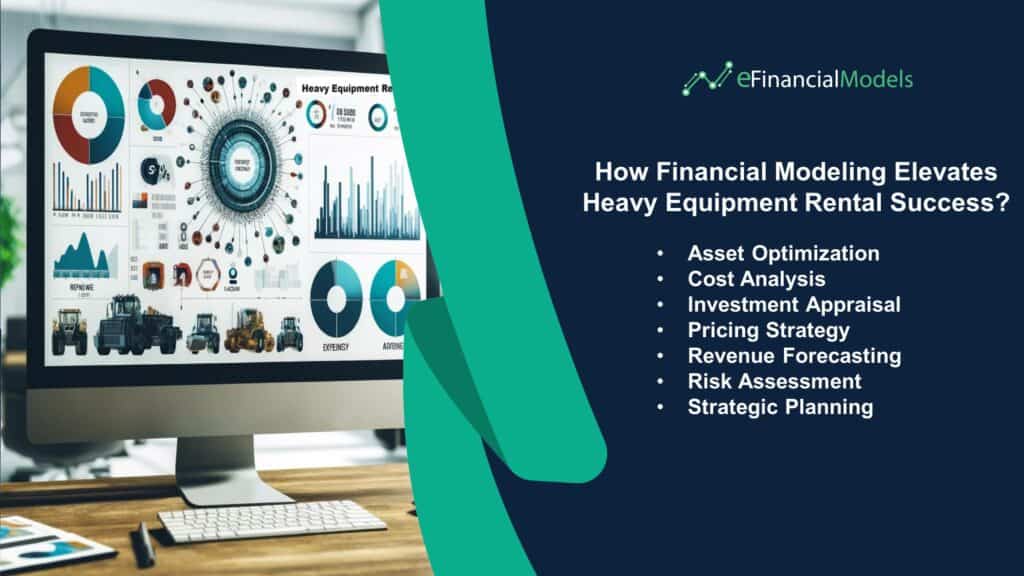
The Profit Potential of Heavy Equipment Rentals
The profitability of a heavy equipment rental business hinges significantly on diligent financial planning and risk management. For these companies, the capital investment is substantial, not only because of the high cost of the equipment but also due to maintenance, storage, and insurance expenses. To navigate these financial complexities effectively, companies must develop robust financial models. Financial models help forecast revenue, manage expenses, and understand cash flow dynamics. They also play a crucial role in scenario planning, assisting businesses in anticipating and planning for various market conditions. By accurately modeling costs, demand, and pricing strategies, companies can identify the most lucrative contracts and avoid those that might lead to financial losses. In conclusion, while the heavy equipment rental industry holds significant profit potential, achieving and sustaining profitability requires meticulous financial planning and proactive risk management. Leveraging financial models can be particularly beneficial, providing the analytical backbone for making informed decisions that drive success.You might also like: