0 ITEMS

A Closer Look at Depreciation and Amortization: When Assets Get Older
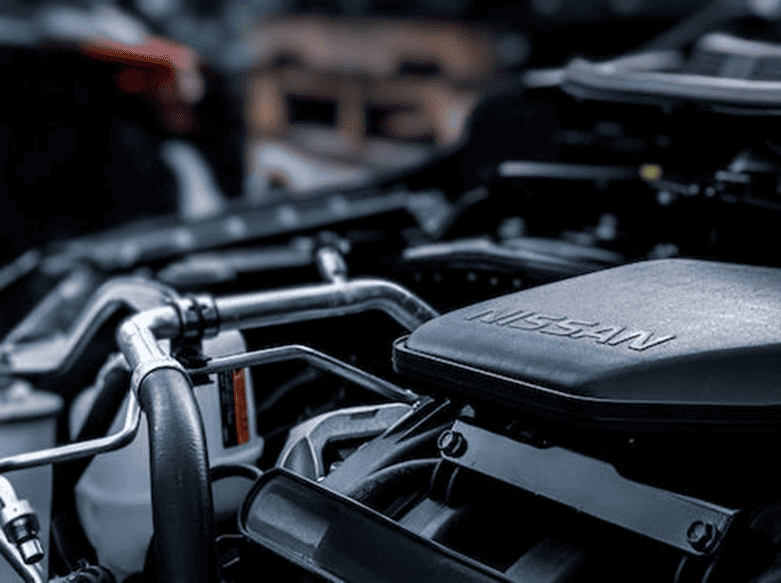
Depreciation and Amortization play a crucial role in the accounting world by helping businesses measure an asset’s value over time. And whether we like it or not, these concepts are here to stay.
Depreciation and Amortization are two important accounting concepts that help businesses record the cost of long-term assets. Depreciation pertains to tangible assets like machinery, buildings, and vehicles, while Amortization refers to intangible assets like patents, copyrights, and trademarks.
Depreciation and Amortization are critical in determining the true value of any asset that has a useful lifespan. By accounting for the decline in value over time, businesses can accurately show the asset’s value in their financial statements. This information is vital for many purposes, including financial reporting to stakeholders, tax filings, and loan applications. In short,
What is Depreciation?
Depreciation refers to the reduction in the value of an asset due to wear and tear over time. This reduction in value can be recorded as an expense against the company’s income. Depreciation is a non-cash expense; although it does not affect the company’s cash flow, it affects its overall profitability.
There are various methods of calculating depreciation, including straight-line depreciation, declining balance method, units of production method, and sum-of-the-years-digits method. Straight-line Depreciation is the most common method and is calculated by dividing the asset’s cost by its useful life.
Each method has advantages and disadvantages and can be used in different scenarios. For example, the declining balance method is used when an asset declines in value more quickly in its earlier years, and the straight-line method is used when the asset declines at a steady rate over time. Generally, the choice of method depends on factors like the type of asset, its useful life, and the business’s accounting policies.
Types of Depreciation
Depreciation refers to the decrease in the value of a tangible asset over time, typically due to wear and tear. In contrast, amortization relates to the gradual reduction in the value of an intangible asset. Regarding depreciation of tangible assets, there are three primary types:
Straight-line Depreciation is the simplest method, involving the same amount of expense each year over the asset’s useful life.
Conversely, Accelerated Depreciation methods, such as the Double-Declining Balance method, enable companies to depreciate their assets more quickly, resulting in higher depreciation expenses in the initial years of the useful life of the assets.
On the other hand, units of production depreciation are often used when the asset’s value is related to how much the asset produces and is based on the asset’s usage during a specific accounting period.
Businesses must consider depreciation when determining their financial well-being. Each asset may be treated differently, and the decision on which method to use depends on the company’s needs, accounting policies, and tax rules.
What is Amortization?
Amortization is allocating the cost of an intangible asset over a specific period. In simpler words, it’s used to expense the cost of non-physical assets over its useful life. It mostly applies to technology-based companies, where intangible assets like patents and copyrights are the primary drivers of revenue.
Unlike Depreciation, Amortization is used to allocate the cost of intangible assets. Depreciation, on the other hand, is used for physical assets. Both methods aim to recognize the expense and reduce the taxable income in the accounting period.
Regarding accounting treatment, Amortization is charged to the Profit and Loss statement, while the cost of assets is lowered in the Balance Sheet. In contrast, Depreciation is charged against profits in the P&L statement and lowers the asset’s value in the Balance Sheet.
Types of Amortization
There are two methods of Amortization:
- The Straight-line method allocates the cost evenly over the asset’s useful life. This method is advisable when the expected usage is equal for each year.
- On the other hand, Accelerated Amortization expensed the asset cost more in the initial years and less in the later years. It is more suitable for assets with higher usage in the initial years.
Key Differences Between Amortization and Depreciation
Depreciation and Amortization are two accounting methods that deal with the valuation of assets. Depreciation covers tangible assets such as buildings, equipment, etc., while Amortization is used for intangible assets such as patents and copyrights. Both are critical for companies to determine accurate financial statements. The meaning and usage of these methods differ in terms of assets, but both are used to spread the cost of an asset over its useful life. Asset value, expected life, and estimated residual life affect their calculations.
Accounting treatment is also different for both methods. Depreciation is reported on the income statement as an expense. In contrast, Amortization is reported as an expense on the income statement and a reduction to the intangible asset on the balance sheet.
Tax treatment varies in both cases, as Depreciation is tax-deductible and reduces taxable income. Amortization is also tax-deductible, but it depends on the asset’s type and how it was acquired.
Both methods are legally mandated for self-respecting accounting departments, and keeping track of these characteristics will only further aid in businesses’ financial health.
Final Thoughts
Depreciation and Amortization are crucial for businesses to maintain financial stability. Different methods exist to calculate Depreciation and Amortization, including straight-line, accelerated, and units of production. Similarly, straight-line and accelerated amortization measures the value of intangible assets.
Although both concepts have similarities, Amortization typically relates to intangible assets, such as copyrights or patents, while Depreciation is usually used for tangible assets, such as buildings or equipment. The correct use of proper accounting and tax treatments is essential. Thus, it’s vital to understand the key differences between these two concepts in detail.