0 ITEMS

How Much Would It Cost To Build A Golf Course The Complete Breakdown

Building a golf course involves significant costs and careful financial planning to ensure long-term success.
- The average cost to build an 18-hole course ranges from $1 million to over $3 million, depending on location and design.
- Land acquisition costs can vary widely, from $1,000 to over $20,000 per acre based on region and land type.
- Construction expenses include earthmoving, landscaping, and installing greens, with total costs influenced by course complexity.
- Professional design teams, including architects and environmental consultants, typically charge between $20,000 and $500,000.
- Managing operational expenses such as maintenance, staffing, utilities, and marketing is essential for profitability.
Understanding these key financial areas helps developers plan accurately and avoid costly surprises.
Importance of Financial Modeling in Golf Course Projects
Financial modeling plays a crucial role in the planning and execution of golf course projects. It provides a structured approach to understanding projections, budgets, and potential returns on investment. Key aspects of financial modeling in this context include:
- Project Projections: Estimating future revenue based on factors such as membership fees, green fees, and food and beverage sales.
- Cost Forecasting: Identifying all initial and operational costs, including land acquisition, construction, staffing, and ongoing maintenance.
- Risk Assessment: Evaluating potential financial risks and creating strategies to mitigate those risks, which is essential for long-term sustainability.
- Investment Appraisal: Analyzing the feasibility of the project while considering return on investment and payback periods.
Utilizing financial modeling empowers stakeholders to make informed decisions, minimizing potential pitfalls that may arise during the development process. Additionally, a firmly grounded financial model can attract investors by showcasing the project’s viability and potential for profitability.
Key Expenses in Golf Course Construction
Understanding the complete list of expenses associated with building a golf course helps to create a well-informed budget. Below is a breakdown of the primary cost components involved:
| Expense Category | Description |
|---|---|
| Land Acquisition | Cost of purchasing land suitable for a golf course, influential in overall project costs. |
| Design and Permitting | Fees for architects, engineers, and necessary permits for construction. |
| Construction | Expenses related to building the course, including grading, landscaping, and installing greens and fairways. |
| Infrastructure | Costs for utility installations (water, electricity), clubhouses, parking lots, and restroom facilities. |
| Operational Costs | Recurring expenses post-construction, including staffing, maintenance, and marketing. |
Each of these expenditure categories varies significantly based on geographical location, desired course quality, and specific site characteristics. For example, the cost of land will differ vastly in urban areas compared to rural locales, where land may be less expensive but could come with infrastructure challenges. A well-developed budget that factors in each of these categories enables developers to prepare financially and strategically for the project.
In conclusion, understanding the financial landscape of building a golf course is essential for maximizing both enjoyment for golfers and profitability for investors. Financial modeling serves as a valuable tool in this process, providing clarity around costs, potential revenues, and risk management strategies. By familiarizing oneself with the critical expenses involved and harnessing effective financial planning techniques, stakeholders can confidently approach the challenges of launching and sustaining a successful golf course.
The Process of Securing a Location for a Golf Course
Building a golf course is a significant investment that begins with selecting the right location. The cost of securing land can fluctuate wildly and is influenced by several crucial factors, including the size of the plot, its geographic and economic positioning, and the current zoning laws that govern its use. Typically, land prices can range from as low as $1,000 to over $10,000 per acre. Understanding these variables is essential to formulating an accurate budget and strategic plan.
Cost Variations Based on Geographic Regions
To help prospective golf course developers understand the potential costs involved, we have compiled a comparison of land prices based on different geographic regions and types of land. This can help you gauge whether the location you are eyeing is within a reasonable price range or a budget-breaking investment.
| Geographic Region | Urban Land Cost (per acre) | Rural Land Cost (per acre) |
|---|---|---|
| East Coast | $7,000 – $15,000 | $2,500 – $5,000 |
| West Coast | $10,000 – $20,000 | $3,000 – $8,000 |
| Midwest | $4,000 – $10,000 | $1,500 – $3,500 |
| South | $5,000 – $12,000 | $2,000 – $4,500 |
The table above illustrates how the cost of land can differ dramatically between urban and rural areas, alongside various geographic regions. Understanding these prices can greatly assist in assessing the feasibility of your golf course project. Keep in mind that prices are subject to change based on market trends, availability, and regional economic conditions, which could affect your long-term planning.
Additional Costs Associated with Land Preparation
Securing suitable land is only the beginning. Land preparation is a critical step that incurs additional costs and requires careful planning. The following breakdown provides insight into the various components involved in land preparation and their corresponding costs:
- Site Clearing: Removal of trees, debris, and existing structures to create an unobstructed area for the golf course.
- Grading the Terrain: Adjusting the land’s topography to ensure proper drainage and a suitable playing surface.
- Utility Connections: Installing or upgrading water, electricity, and sewage systems to support the facility.
- Soil Preparation: Testing and amending soil conditions to create optimal growing environments for the grass and landscaping.
- Drainage Systems: Implementing drainage solutions to prevent water accumulation on the course, which can damage the greens.
Focusing on these components not only helps achieve the desired aesthetic and functional quality of the golf course but also contributes to its long-term maintenance and usability. Ignoring any of these necessary preparations may lead to complications down the line, which could impact visitor experience and operational efficiency. Thus, integrating these costs into your overall budget and ensuring thorough planning is essential for a successful golfing facility.
Engaging Professionals for Your Golf Course Design
After securing the ideal land for your golf course, the next crucial step involves enlisting the expertise of professionals to create a captivating and functional course layout. The design phase is essential, as it lays the groundwork for both the aesthetics and functionality of the course. It is important to understand that hiring skilled architects, landscape designers, and other specialists can profoundly influence customer satisfaction and the profitability of your venture. Investing in quality design can lead to a unique golfing experience, which not only enhances customer enjoyment but also maximizes potential revenue streams.
Key Professionals in Golf Course Design
Several professionals collaborate to develop a golf course that meets industry standards and customer expectations. Here is a brief overview of these key players, their roles, and the anticipated costs associated with each:
- Golf Course Architect: Responsible for the overall design, layout, and strategic placement of golf holes to enhance playability and aesthetics. Cost: $50,000 to $500,000.
- Landscape Designer: Works alongside the architect to ensure the environment surrounding the course complements the overall design. Cost: $20,000 to $150,000.
- Environmental Consultant: Assesses the ecological impact of the golf course and ensures compliance with environmental regulations. Cost: $5,000 to $50,000.
- Geotechnical Engineer: Evaluates soil and site conditions for construction feasibility and assists in drainage and irrigation planning. Cost: $10,000 to $30,000.
- Irrigation Specialist: Designs an efficient irrigation system to maintain turf health and reduce water waste. Cost: $10,000 to $25,000.
This range of expertise underscores the multifaceted approach needed to craft a successful golf course. Each professional not only contributes unique skills but also ensures that the project adheres to regulations and resonates with golfers’ preferences. With an investment in these key players, you can expect to see enhancements in the overall design quality, leading to an enjoyable and sustainable golfing environment.
Overview of Design Fees
The following table summarizes the average fees associated with hiring professionals based on the complexity of the project and the region in which it is located. Understanding these costs is essential for budgeting and financial planning for your golf course.
| Professional | Average Fee (Low-End) | Average Fee (High-End) |
|---|---|---|
| Golf Course Architect | $50,000 | $500,000 |
| Landscape Designer | $20,000 | $150,000 |
| Environmental Consultant | $5,000 | $50,000 |
| Geotechnical Engineer | $10,000 | $30,000 |
| Irrigation Specialist | $10,000 | $25,000 |
By reviewing this table, it becomes evident that the costs of hiring these professionals can vary significantly. Factors such as the complexity of the layout and the location of the course will heavily influence final fees. Effective planning and assembling the right team can lead to substantial long-term benefits, such as improved customer retention and increased revenue. For instance, a well-designed course can attract tournaments and increase memberships, underscoring the value in investing in expert design services.
Ultimately, engaging the right professionals in golf course design is not merely an expense; it is a critical investment that can yield returns in both customer satisfaction and revenue generation. The design phase sets the stage for everything that follows, so select a team that aligns with your vision for creating a distinctive and enjoyable golfing experience.
Construction Phase: An In-Depth Analysis
The construction phase of developing a golf course involves a variety of activities aimed at making the land ready for play. This can include everything from earthmoving to landscaping and the installation of essential amenities. The costs incurred during this phase can exhibit considerable variability depending on several factors, including the type of course being constructed—public, semi-private, or private. On average, the financial outlay for this phase can range from $1 million to $3 million for constructing an 18-hole golf course. Below is a detailed breakdown of the key activities and their associated costs.
Key Activities in the Construction Phase
Understanding the different activities involved in the construction phase helps in developing realistic budgets and financial models. Here are the main activities included in this phase:
- Earthmoving: This includes excavation, grading, and the preparation of green sites.
- Landscaping: Involves planting grass, shrubs, trees, and creating water features.
- Building Amenities: This can involve the construction of clubhouses, restrooms, parking lots, and maintenance buildings.
- Installation of Irrigation Systems: Essential for maintaining the course and includes both surface and subsurface irrigation systems.
- Installation of Tees, Greens, and Fairways: This includes shaping and manicuring playing surfaces.
Each of these activities contributes to the overall cost and timeline of the project. A detailed financial model will account for these variables to ensure accurate forecasting and budget management.
Average Costs by Type of Course
Certain factors can influence the cost of construction depending on whether the course will be public, semi-private, or private. The following table summarizes average costs associated with constructing each type of golf course.
| Type of Course | Average Cost (in million USD) |
|---|---|
| Public Course | 1 to 2 |
| Semi-Private Course | 1.5 to 2.5 |
| Private Course | 2 to 3 |
This table provides a clear view of how different projects can vary significantly in cost based on their classification. A deeper understanding of these distinctions can facilitate better planning and investment in construction projects. The investment in a golf course is substantial, and having a solid financial model can help stakeholders manage expectations and financial outcomes effectively.
Potential Unexpected Costs
While most construction projects will have a defined scope and associated costs, there are several potential unexpected expenses that can arise during the construction phase. Here are some considerations that should be kept in mind:
- Site Conditions: Unforeseen geological or environmental challenges may require additional earthmoving or site assessments.
- Environmental Assessments: Costs may accrue for compliance with environmental regulations, affecting timelines and budgets.
- Weather Delays: Adverse weather conditions can lead to project delays, resulting in increased labor costs and a prolonged timeline.
- Material Price Fluctuations: Prices for construction materials can vary significantly and should be factored into the budget.
Being aware of potential unexpected costs and incorporating some flexibility in financial planning can help mitigate their impact. A comprehensive financial model can provide insights not only into expected costs but also into managing deviations from the budget that may occur due to these unforeseen circumstances.
In summary, the construction phase of a golf course requires careful planning and detailed financial modeling to accommodate varied expenses and unexpected challenges. By understanding the breakdown of costs and potential pitfalls, stakeholders can make more informed decisions and steer their projects towards successful outcomes.
Enhancing the Golf Experience: Essential Facilities for Your Golf Course
To create a fully functional and appealing golf course, developing additional facilities is essential. These facilities are vital in providing a comprehensive experience for members and visitors alike. Well-planned amenities can enhance customer satisfaction and encourage long-term membership retention. Below, we have outlined several key facilities that can be developed, along with a cost comparison to help in decision-making.
Key Facilities to Consider
When developing a golf course, the following facilities are essential for an elevated experience:
- Clubhouse: The central hub for socializing, dining, and events.
- Locker Rooms: Secure and comfortable spaces for storing personal belongings before and after play.
- Pro Shop: A retail space offering golf equipment, apparel, and accessories.
- Parking Lots: Ample space for convenient access to the golf course.
- Practice Facilities: Areas for warm-ups and practice sessions, including putting greens and driving ranges.
- Dining Options: On-site restaurants or snack bars for refreshments post-game.
- Event Space: A venue for tournaments, weddings, and corporate events.
These facilities significantly enhance the customer experience, making them vital components of a successful golf course. With thoughtful planning, these amenities can attract a broad audience and encourage repeat visits.
Cost Comparison of Facilities
The investment required for different facilities can vary significantly based on the level of service and amenities provided. Below is a table presenting a comparative cost analysis between luxury and standard facility options.
| Facility | Standard Option Cost | Luxury Option Cost |
|---|---|---|
| Clubhouse | $300,000 | $1,500,000+ |
| Locker Rooms | $50,000 | $200,000+ |
| Pro Shop | $100,000 | $300,000+ |
| Parking Lots | $75,000 | $200,000+ |
This table illustrates the broad spectrum of investment options for different facilities at a golf course. By weighing the costs against potential benefits, owners can make informed decisions on which amenities will provide the best return on investment. Offering luxury options may cater to high-end clientele while standard options can appeal to a broader audience, influencing membership rates and overall profitability.
The Impact of Facilities on Membership and Profitability
The choice of amenities influences not only the overall experience but also the financial sustainability of the golf course. Facilities play a crucial role in attracting and retaining both new and existing members. Here are a few points to consider:
- Quality facilities can justify higher membership fees.
- Amenities such as restaurants and event spaces can generate additional revenue streams.
- Well-maintained practice areas can enhance member satisfaction and draw in new golfers.
- Luxurious facilities can create a premium brand image that attracts affluent clientele.
In conclusion, investing in the right facilities is not merely an expense; it is a strategic decision that can lead to lasting growth and profitability for a golf course. Carefully balancing standard and luxury options ensures that you cater to a diverse clientele while maximizing membership retention and engagement opportunities.
Understanding the Operational Expenses of a Golf Course
Once your golf course becomes operational, managing recurring expenses is crucial to maintaining profitability. Operational costs will consist of various categories, each carrying its own set of responsibilities and financial implications. To effectively handle these expenses, it is essential to have a structured budget and a clear understanding of what each category entails. Below, we will break down operational costs into specific categories and provide strategies for managing these costs effectively while also exploring potential revenue-generating opportunities.
Categories of Operational Expenses
Managing a golf course involves several recurring expenses, which can be classified into the following key categories:
- Maintenance: This includes groundskeeping, equipment upkeep, and overall facility maintenance to ensure that the course is in optimal condition.
- Staffing: Hiring and maintaining qualified staff, such as groundskeepers, hospitality workers, and management, which is essential for operations and guest satisfaction.
- Utilities: Regular expenses related to electricity, water, and gas needed for operations.
- Marketing: Costs related to promoting the golf course, attracting new customers, and maintaining engagement with existing members.
Each of these categories has its own complexities and requires careful planning and monitoring. For instance, maintenance is paramount as neglect can lead to deteriorating conditions, affecting customer satisfaction and revenues. Likewise, appropriate staffing is crucial; overstaffing can inflate costs, while understaffing can degrade service quality. Thus, understanding the intricacies of these expenses will empower golf course operators to make informed decisions and drive profitability.
Summary of Average Annual Costs
Understanding the average annual costs related to different golf course types can help in forecasting budget needs and developing a financial strategy. The following table outlines average annual costs based on different types of golf courses:
| Golf Course Type | Average Annual Maintenance Cost | Average Staffing Cost | Average Utilities Cost | Average Marketing Cost |
|---|---|---|---|---|
| Public Course | $500,000 – $750,000 | $250,000 – $400,000 | $50,000 – $100,000 | $30,000 – $60,000 |
| Private Course | $750,000 – $1,000,000 | $300,000 – $500,000 | $70,000 – $120,000 | $50,000 – $100,000 |
| Resort Course | $1,000,000 – $1,500,000 | $500,000 – $750,000 | $100,000 – $150,000 | $80,000 – $150,000 |
This table provides a comparative overview of the average annual expenses across different types of golf courses. It is evident that the costs can vary significantly based on the course’s classification and expected amenities. For instance, resort courses have the highest maintenance and staffing costs due to the additional services and higher standards expected by their clientele. Such comparisons allow golf course managers to gauge their competition and adjust their financial strategies accordingly.
Strategies for Managing Operational Costs
To ensure these operational costs do not jeopardize the profitability of your golf course, implementing effective cost-management strategies is vital. Here are several approaches to help navigate these expenses:
- Regular Financial Reviews: Consistently review and analyze financial statements to identify cost-saving opportunities and make necessary adjustments.
- Outsourcing Services: Consider outsourcing tasks like maintenance or cleaning services, which can often provide higher quality at a lower cost.
- Utilizing Technology: Leverage software which can assist in scheduling staff and managing utilities effectively, thereby reducing wasted resources.
- Enhanced Marketing: Focus on targeted marketing strategies that yield higher returns on investment. Use data analytics to identify the most effective channels and methods.
Effective management of operational costs requires a proactive approach. By regularly reviewing financial performance and leveraging technology and outsourced services, golf course operators can not only manage but also potentially reduce their recurring expenses. Furthermore, focusing on the right marketing efforts can enhance revenue with minimal additional costs, ensuring the long-term viability of your business.
In conclusion, understanding and managing the ongoing expenses of running a golf course is crucial for maintaining profitability. From routine maintenance to adequate staffing and effective marketing strategies, each category plays a pivotal role in shaping the operational landscape of your golf course. By incorporating a nuanced approach to budgeting and cost management, you set the stage for sustained success in a competitive golfing environment.
Budget Breakdown for a Mid-Range Golf Course Development
When considering the construction of a mid-range golf course on a sizable area of 150 acres in a suburban location, a detailed financial plan becomes crucial. The budget will vary significantly depending on the type of golf course and the amenities included. Below is a breakdown of a potential budget for a mid-range course, alongside examples of other types of golf courses and their typical budget allocations, which can be invaluable for comparison.
Typical Budget Breakdown for a Mid-Range Golf Course
The following table outlines a proposed budget breakdown for a mid-range golf course development. Understanding the allocation of funds across different categories provides insight into the financial requirements of such a project.
| Expense Category | Estimated Budget Allocation (%) | Estimated Cost (in USD) |
|---|---|---|
| Land Acquisition | 20% | $600,000 |
| Construction Costs | 40% | $1,200,000 |
| Landscaping | 15% | $450,000 |
| Equipment and Maintenance | 10% | $300,000 |
| Marketing and Promotion | 5% | $150,000 |
| Administrative Expenses | 5% | $150,000 |
| Contingency Fund | 5% | $150,000 |
The total estimated cost for this mid-range golf course development would be approximately $3,000,000. Each percentage allocation and corresponding cost reflect common practices in the industry when planning such projects. This table illustrates the typical financial demands faced by developers, emphasizing the importance of budgeting.
Comparative Analysis of Different Types of Golf Courses
Golf courses come in various forms, from exclusive private clubs to community courses. Below is a comparison of the budget allocations for three categories of golf courses: private, semi-private, and public (mid-range), reflecting how the type of course influences the financial outline.
| Type of Golf Course | Land Acquisition (%) | Construction Costs (%) | Landscaping (%) | Marketing (%)</th |
|---|---|---|---|---|
| Private Golf Course | 25% | 45% | 10% | 5% |
| Semi-Private Golf Course | 20% | 40% | 15% | 10% |
| Public Golf Course | 20% | 40% | 15% | 5% |
This comparative analysis offers a deeper understanding of how financial planning varies among different types of golf courses. The percentage allocations indicate that private golf courses often demand a higher investment in construction costs and land acquisition, reflecting their exclusivity and premium offerings. In contrast, public and semi-private courses are designed to be more accessible, which results in a different allocation of resources, often emphasizing community engagement and landscaping.
Conclusions and Common Pitfalls
In summary, developing a golf course requires careful financial planning and an understanding of the unique demands associated with different course types. A well-structured budget helps mitigate the risk of overspending, ensuring that each component receives appropriate financing. Common pitfalls can include underestimating construction costs, neglecting marketing expenses, or failing to set aside sufficient contingency funds. It is crucial for developers to engage in thorough financial planning to navigate the complexities of the project successfully.
By learning from the observations within this budget analysis, potential golf course developers can better prepare for the financial landscape of their projects. Ultimately, a strong financial model not only aids in initial budgeting but also supports effective decision-making throughout the course’s development and operational phases.
Understanding the Costs of Building a Golf Course
Determining the costs associated with building a golf course can initially appear daunting. However, by systematically dissecting the various expense categories, you can establish a comprehensive financial strategy. Each phase of development, from land acquisition to design, construction, and ongoing operations, holds critical significance in ensuring the long-term viability of the course. Below, we will delve into each area of expense to highlight their importance and help you navigate the financial landscape more effectively.
Key Cost Categories for Golf Course Development
When planning for a golf course project, it is crucial to understand the different components that contribute to the overall cost. The following table outlines the primary cost categories and their significance:
| Cost Category | Description | Importance |
|---|---|---|
| Land Acquisition | Costs related to purchasing or leasing land. | This is often one of the largest upfront expenses and influences the overall location and appeal of the golf course. |
| Design | Fees paid to architects and designers to develop the layout. | A well-designed course can enhance playability and attract more golfers, impacting revenue positively. |
| Construction | Costs incurred during the actual building phase of the course. | This includes landscaping, infrastructure, and irrigation systems, all crucial for maintaining course conditions. |
| Facility Construction | Expenses for building clubhouses, maintenance buildings, and other necessary facilities. | These structures provide essential services and contribute to the overall golfer experience. |
| Ongoing Operations | Recurring costs for maintenance, staff, and utilities. | Effective management of operational costs is vital for sustaining profitability and ensuring high-quality experiences for golfers. |
The breakdown of these cost categories provides insight into various aspects of golf course development. By understanding each component, project planners can allocate budgets accordingly and anticipate potential financial challenges. Each category not only entails direct costs but also long-term implications for revenue generation and sustainability.
Actionable Next Steps for Golf Course Developers
If you are considering embarking on a golf course project, the following steps can help ensure a prosperous development process:
- Consult with Financial Experts: Engaging with financial advisors who specialize in real estate can provide valuable insights into budgeting and funding strategies.
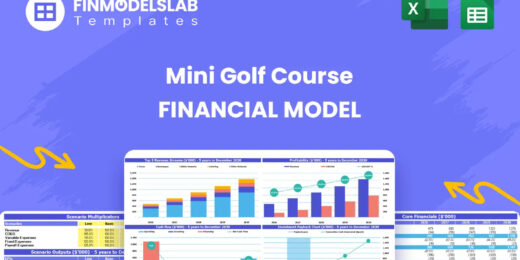
- Utilize Financial Modeling Tools: Employ financial modeling Excel templates tailored for the golf course or real estate sectors to create projections and assess profitability.
- Conduct a Feasibility Study: Understanding market demand and local competition can guide decision-making and financial planning.
- Develop a Comprehensive Business Plan: A solid business plan outlines your vision, operational strategies, and financial assessments to attract potential investors and lenders.
Taking these actionable steps can prepare you better for the complex financial landscape of a golf course development project. By leveraging expert guidance, effective tools, and detailed planning, you will improve your chances of realizing a successful endeavor. Always remember, preparation is key to navigating the multifaceted nature of golf course development.
Understanding the complete financial picture begins with being informed about the various cost categories and developing a clear strategy. We encourage you to explore financial modeling resources on eFinancialModels to further enhance your planning process. Whether you are seeking specific templates or comprehensive guidance, getting started with professional tools can set the stage for a well-structured golf course project.
Q: What is the average cost to build a golf course?
A: On average, the cost to build an 18-hole golf course can range from $1 million to over $3 million. However, this figure can vary significantly based on several factors such as location, design aesthetics, available land, and the quality of materials used in construction. Understanding these variables can provide a clearer picture of the overall investment required. Below, we explore some common questions associated with the costs of building a golf course.
FAQs about Golf Course Development Costs
Q: What factors influence the cost of building a golf course?
Several factors determine the final cost of a golf course project. These include:
- Location: Land prices can vary dramatically based on geographical area, proximity to urban centers, and local demand for recreational facilities.
- Design: The complexity of the course design, including landscaping features, water hazards, and bunkers, will impact both cost and construction time.
- Labor Costs: The availability and cost of skilled labor can significantly affect the overall expenditure, especially in regions with higher wage demands.
- Materials: The type and quality of materials selected for greens, fairways, and infrastructure will play a significant role in determining total costs.
- Regulatory Requirements: Adherence to environmental regulations may necessitate additional expenses related to permits, assessments, and sustainable landscaping practices.
Each of these factors can influence the overall budget, so careful planning and consideration during the initial stages are crucial for financial success. Identifying and prioritizing these factors can help stakeholders make informed decisions and reduce unforeseen costs.
Q: What additional costs should I consider?
In addition to direct construction costs, various ancillary expenses can accumulate. Below are common additional costs that developers often overlook:
- Land Acquisition: Purchasing land may encompass transaction fees, surveying costs, and environmental impact assessments.
- Maintenance Costs: Ongoing costs for course maintenance post-construction include landscaping, irrigation, and labor.
- Marketing and Promotion: Expenses related to advertising and promoting the new golf course to attract memberships and clients.
- Insurance: Liability insurance and other policies to protect against potential lawsuits or accidents on the property.
- Utilities Setup: Costs for establishing necessary utilities, such as water and electricity, can be significant depending on the site’s location.
Understanding these additional costs can help create a more comprehensive financial model, ensuring that stakeholders are fully aware of the financial commitments needed both during and after construction. When considering golf course development, it is vital to budget not only for the immediate construction costs but also for the long-term operational expenses.
Q: Are there any environmental considerations when building a golf course?
Building a golf course involves various environmental considerations that can significantly impact costs and procedures. Here are some key aspects to be aware of:
- Water Usage: Golf courses often require extensive irrigation, making it essential to assess local water supply and regulations.
- Biodiversity Concerns: Environmental impact assessments may be necessary to ensure that construction will not negatively affect local wildlife and plant species.
- Soil and Erosion Control: Implementing strategies for soil conservation and preventing erosion can add to initial construction costs but is critical for eco-sustainability.
Environmental considerations must not be an afterthought. By addressing these concerns upfront, stakeholders can avoid potential delays, fines, or modifications post-construction, ultimately saving significant resources in the long run.
Q: How can I estimate the financial feasibility of my golf course project?
Conducting a comprehensive financial feasibility study is essential for evaluating the potential success of a golf course venture. Key elements to consider in your assessment include:
| Element | Description |
|---|---|
| Initial Investment | Estimate the total capital required for land acquisition, construction, and initial setup. |
| Revenue Projections | Assess potential income from memberships, green fees, and facilities (e.g., restaurants, pro shops). |
| Operational Costs | Calculate the ongoing expenses associated with maintenance, staffing, utilities, and administrative costs. |
| Break-even Analysis | Determine how long it will take to recoup the initial investment based on projected revenues and costs. |
By carefully analyzing these elements, developers can create a realistic roadmap for the golf course project, enhancing the chances of financial success. Conducting thorough research and obtaining expert consultation can further refine estimations, minimizing risks associated with unforeseen costs and maximizing profitability.
In conclusion, understanding the intricacies of the costs associated with building a golf course is crucial for any potential developer. By addressing factors such as direct construction costs, additional expenditures, environmental considerations, and financial feasibility assessments, stakeholders can make informed decisions that lead to a successful venture. Proper financial planning not only enhances the likelihood of the project’s success but also contributes to sustainable and environmentally responsible development practices.