
0 ITEMS

Revenue Retention vs. Subscriber Retention: The Difference
Table of Content
- Customer Retention Metrics Matter Most for Subscription-Based Businesses
- Subscriber Retention Means Building Relationships
- Revenue Retention is About Delivering Value
- Key Difference Between Revenue Retention and Subscriber Retention
- Proven Strategies for Tracking and Managing Revenue and Subscriber Retention
- Boost Business Insights: Track Revenue and Subscriber Retention Metrics with Financial Modeling

Tracking customer retention metrics like revenue retention and subscriber retention reveals how well a business maintains customer value over time.
- Subscriber retention rate measures the percentage of subscribers who stay enrolled from period to period, indicating customer satisfaction.
- Revenue retention shows how much revenue is retained and grown from existing customers, accounting for upsells and cross-sells.
- Revenue retention can exceed 100% when customers upgrade or purchase additional services, while subscriber retention is capped at 100%.
- Analyzing these metrics helps identify at-risk customer segments and optimize retention strategies.
- Combining these insights guides businesses to boost revenue growth and improve customer loyalty.
Understanding the differences enables better decision-making and sustainable growth.
Customer Retention Metrics Matter Most for Subscription-Based Businesses
Customer retention measures a company’s success in maintaining its customer base over an extended period. It’s a critical metric because maintaining existing customers is often more cost-effective than acquiring new ones. For businesses aiming for longevity, fostering customer loyalty ensures a stable revenue stream, reduces churn rates, and enhances brand reputation through positive word-of-mouth. It is particularly crucial for subscription-based businesses, where consistent revenue depends on subscribers renewing their services. A thorough analysis of retention rates allows these businesses to identify potential issues, improve customer satisfaction, and develop strategies to enhance customer loyalty, ultimately securing their financial stability and growth.
Subscription-based businesses are companies that offer products or services to customers on a recurring basis, typically through monthly or annual subscriptions. These businesses provide consistent revenue and ongoing customer relationships. Famous examples of subscription-based businesses include Software as a Service (SaaS) platforms, which offer cloud-based software solutions on a recurring payment basis, and streaming services, which provide access to movies, TV shows, and music for a monthly or annual fee. Other examples include meal kit delivery services that supply pre-portioned ingredients and recipes to subscribers and beauty and grooming product subscriptions that regularly send curated boxes of items. Additionally, fitness and wellness subscriptions offer virtual workout classes and wellness resources, while membership services provide benefits such as free shipping, exclusive content, and discounts on products or services. These subscription models cater to diverse consumer needs and preferences, ensuring consistent revenue streams and fostering long-term customer relationships.
Among B2B businesses, the customer base is typically smaller than in B2C businesses. However, the value of each customer relationship is significantly higher. Given this dynamic, B2B companies often focus on growing their customers’ accounts over time. It makes revenue retention rate a critical metric. Unlike B2C businesses, where the focus might be on acquiring a large volume of customers, B2B companies benefit more from deepening relationships with existing clients, increasing the lifetime value of each customer. Effective revenue retention strategies ensure that B2B businesses retain their clients and grow spending over time, leading to increased profitability and long-term success.
Understanding customer retention metrics is crucial for subscription-based businesses fostering long-term client relationships. These metrics offer valuable insights into how well a company maintains its customer base, highlighting areas of strength and pinpointing opportunities for improvement. Businesses can develop targeted strategies to enhance customer loyalty, reduce churn, and drive sustainable growth by analyzing customer retention data. In an increasingly competitive market, clearly grasping customer retention metrics can be the key to maintaining a loyal and satisfied customer base.
- Subscriber Retention Rate (SRR) is a critical metric for subscription-based businesses as it directly influences recurring revenue and growth potential. It measures the percentage of subscribers who continue their subscription over a specific period. A high SRR indicates that customers find consistent value in the service, leading to longer subscription durations and lower churn rates. A low SRR suggests potential issues that could lead to customer churn and revenue loss. By improving the subscriber retention rate, companies can enhance customer loyalty, reduce acquisition costs, and create a more predictable revenue model. This metric enables businesses to assess the success of their customer engagement and retention initiatives.
- Revenue Retention Rate is a metric that assesses the percentage of revenue retained from existing customers, excluding new sales. It measures a subscription-based business’s ability to maintain and grow revenue from its existing customer base over a specific period. A high revenue retention rate indicates that customers continuously find value in the service, leading to renewals, upgrades, and potentially increased usage, generating more revenue. Conversely, low revenue retention signals customer dissatisfaction or high churn rates, which can severely impact the business’s long-term profitability and growth. The revenue retention rate is a critical customer retention metric because it reflects not only the loyalty and satisfaction of customers but also the company’s capacity to expand its revenue without relying solely on acquiring new customers.
- Average Revenue Per User (ARPU) is a vital metric for assessing customer retention because it clearly measures the revenue generated per customer over a specific period. This metric is crucial for businesses with long-term customer relationships, as it highlights the value derived from customers the longer they stay with the company. For business customers, ARPU underscores the importance of customer age; as customers age with the company, their lifetime value increases, reflecting greater loyalty and consistent revenue streams. Thus, a higher ARPU often indicates successful retention strategies and stronger customer relationships, which are essential for sustained business growth.
- ARPU Growth, or Average Revenue Per User Growth, measures the increase in revenue generated per user over a specific period. It is a crucial metric for assessing customer retention because it reflects how effectively a company can maximize the value extracted from its existing customer base. Higher ARPU Growth indicates that customers are staying with the company and spending more, suggesting strong engagement and satisfaction with the product or service. This metric helps businesses understand the effectiveness of their upselling, cross-selling, and customer loyalty strategies, providing insights into long-term sustainability and growth potential.
- Customer Lifetime Value (CLV) is a customer retention metric that predicts the total revenue a business expects to earn from a single customer account throughout their relationship. CLV helps companies understand their customers’ long-term value, guiding them in making informed decisions about marketing investments, customer acquisition costs, and retention strategies. Businesses can enhance profitability by increasing customer lifetime value (CLV) and creating sustainable growth. This metric encourages firms to look beyond short-term gains and invest in building lasting relationships with their customers. Maximizing CLV is the end goal of most businesses because it represents the total revenue a company can expect from a customer over the entire duration of their relationship, directly influencing long-term profitability and growth.
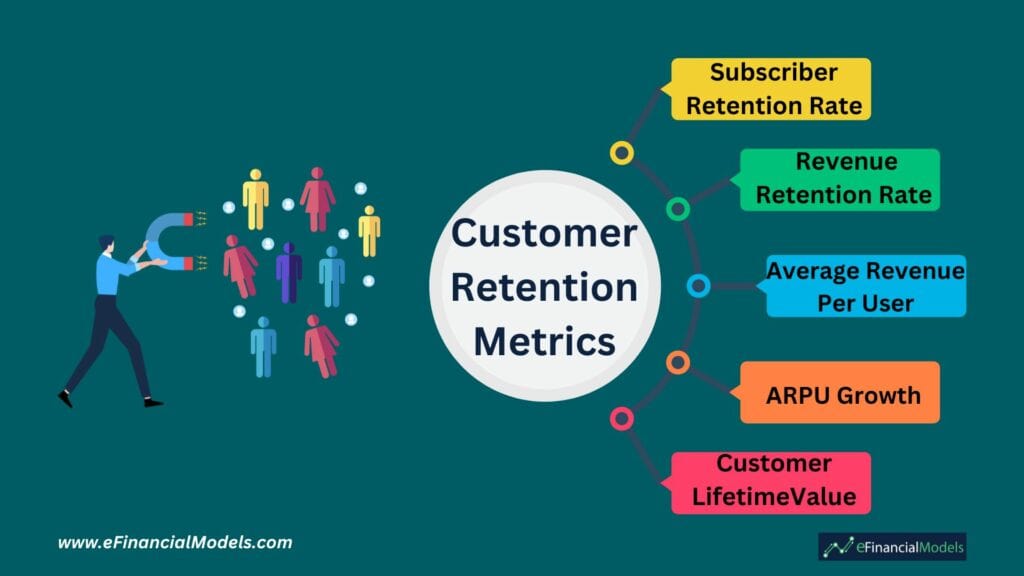
Understanding the difference between Revenue Retention Rate vs. Subscriber Retention Rate is crucial for subscription-based businesses because they offer complementary insights into customer retention and business growth. These metrics provide a comprehensive view of business performance, guiding strategies to enhance customer lifetime value and sustainable revenue growth.
Subscriber Retention Means Building Relationships
Subscriber retention, the cornerstone of a company’s long-term relationship with its customers, holds the key to sustained growth for subscription-based businesses. By nurturing this relationship, companies cannot only increase customer lifetime value but also drive long-term revenue growth, painting a promising picture for the future.
The subscriber retention rate is crucial for businesses because subscribers are the primary source of revenue; without them, income ceases. Retaining existing customers is more cost-effective than acquiring new ones, as marketing and onboarding expenses are significantly lower. High retention rates also serve as a critical indicator of the value and demand for your product or service, demonstrating that your offerings meet customer needs and satisfaction. This validation underscores the importance of focusing on customer satisfaction and loyalty to sustain and grow revenue.
Strong relationships, fostered through personalized communication, are the bedrock of high subscriber retention, as they encourage continuous engagement and reduce the likelihood of churn. A high subscriber retention rate suggests customers find value in the product or service and are unlikely to churn or cancel their subscriptions. However, it only equates to high revenue retention if revenue per subscriber declines over time. So, it’s more about building relationships because it hinges on creating a robust and ongoing connection between the business and its subscribers. It involves more than just providing a product or service; it requires understanding subscriber needs, preferences, and feedback to tailor experiences that resonate personally.
How to Calculate Subscriber Retention Rate
The subscriber retention rate can be easily calculated using the following simple formula:

Where:
- Retained Subscribers = the number of subscribers who stick around for the next period.
- Subscribers of the Previous Period = the number of subscribers of the previous period.
A variation to calculate the Subscriber Retention Rate uses the formula:

This method measures retention based on the total number of subscribers at the start of the observed period, providing a more holistic view of retention over time. It accounts for the original subscriber base, offering insights into the effectiveness of retention strategies from the beginning to the end, regardless of fluctuations in subscriber numbers during the intervening periods.
Example Subscriber Retention Rate Calculation
For instance, Company A started with 500 subscribers in January 2024, and 450 of them are still subscribed in February 2024:

The above subscriber retention rate calculation for Company A, which retained 90% of its subscribers during the first 2 months of 2024, underscores the significance of this metric. It is also important to note that the churn rate is the inverse of the subscriber retention rate, which measures the percentage of subscribers lost over a period. If the retention rate is the percentage of subscribers who remain, the churn rate is the percentage of subscribers who leave. Together, the churn and retention rates account for 100% of the subscribers from the previous period


















































Revenue Retention is About Delivering Value
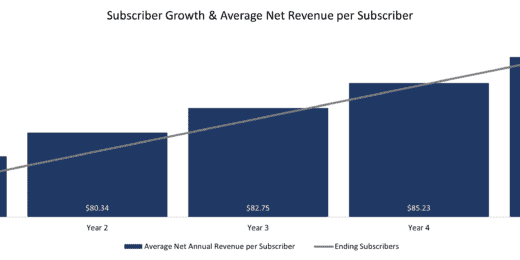
The opposite of subscriber retention rate is revenue retention rate. While subscriber retention focuses on the percentage of customers who continue their subscription over time, revenue retention measures the amount of revenue retained from existing customers, accounting for upsells and cross-sells. Notably, revenue retention can exceed 100%, as an increase in average order value (AOV) from remaining customers can offset losses from subscriber churn, leading to overall revenue growth despite a decrease in the number of subscribers.
Revenue retention is fundamentally about consistently delivering value to customers and ensuring they continue to see the benefits of maintaining their relationship with your business. By focusing on providing exceptional value, customers are more likely to renew their subscriptions, upgrade their services, or make repeat purchases, directly impacting the Average Revenue Per User (ARPU). When customers trust your business and perceive that your products or services significantly enhance their operations or lives, they are more inclined to invest further, leading to higher ARPU.
At the heart of revenue retention is the delivery of value. This is the key to building a loyal customer base that will continue to pay for your product or service over time. When customers perceive tangible benefits and results from your offering, they’re more likely to renew their subscription, purchase additional features, or recommend your business to others. Conversely, if customers don’t see the value, they’ll quickly churn and take their business elsewhere. By focusing on delivering value, you’re not only reducing churn but also increasing the likelihood of upselling and cross-selling opportunities. Satisfied customers are more open to exploring additional offerings that can further address their needs.
Revenue retention can be measured as monthly recurring revenue (MRR) or annual recurring revenue (ARR). MRR calculates the total revenue generated from recurring subscriptions in a single month, providing a snapshot of a company’s current revenue performance. ARR, on the other hand, measures the total revenue generated from recurring subscriptions over a 12-month period, offering a longer-term view of a company’s revenue stability and growth. Through revenue retention, you can identify high-value subscriber cohorts to target by analyzing revenue retention patterns. Additionally, monitoring revenue retention reveals opportunities to optimize pricing, reduce premium customer churn, and upsell subscribers. Companies with high revenue retention rates are better positioned for sustainable growth. Even if they aren’t acquiring new customers, their existing customers continue to provide a stable revenue stream.
How to Calculate Revenue Retention Rate
The Revenue Retention Rate formula is a powerful tool for assessing the financial performance of a business. It compares the recurring revenue at the end of a period to the recurring revenue at the start of that period, helping you understand how well your business is retaining its customers. Here’s the formula:

Where:
- Revenue at the End of Period = the total recurring revenue at the end of the period, excluding any new revenue from new customers acquired during that period.
- Revenue at the Start of the Period = the total recurring revenue at the start of the period
Another way to calculate the revenue retention rate is by using this formula:

This method focuses on the spending patterns of retained customers, indicating how effectively the company retains and upsells to its existing customer base. A crucial aspect of this approach is the comparison of the end-period revenue from these customers to the initial revenue, which highlights whether old customers are spending more over time. This comparison provides insights into customer loyalty and the effectiveness of retention strategies.
When calculating revenue retention, it’s crucial to focus on a cohort of customers who signed up at a defined point in time. This cohort-based approach ensures that the analysis accurately reflects the revenue dynamics of a specific group, excluding new customers acquired after the initial period. By comparing the recurring revenue generated by this cohort at the start and end of the period, businesses can assess the true retention and growth of revenue from their existing customer base, accounting for factors like upsells and cross-sells while isolating the impact of customer churn. This method provides a clear and precise measure of revenue retention over time.
Example Subscriber Retention Rate Calculation
For instance, let’s say a cohort of customers for Company B signed up in January 2023. This cohort generated $100,000 in total recurring revenue in the same month. By January 2024, the same cohort generated $110,000, considering upsells and cross-sells but excluding any revenue from new customers.

The Revenue Retention Rate calculation above means that the revenue from the cohort group over the one year is 110%, showing an increased revenue retention rate despite any potential churn within the cohort.
Key Difference Between Revenue Retention and Subscriber Retention
Revenue retention and subscriber retention are pivotal customer retention metrics in understanding the health and growth potential of subscription-based businesses. While both metrics play crucial roles in evaluating performance, they offer unique insights into customer behavior and business sustainability.
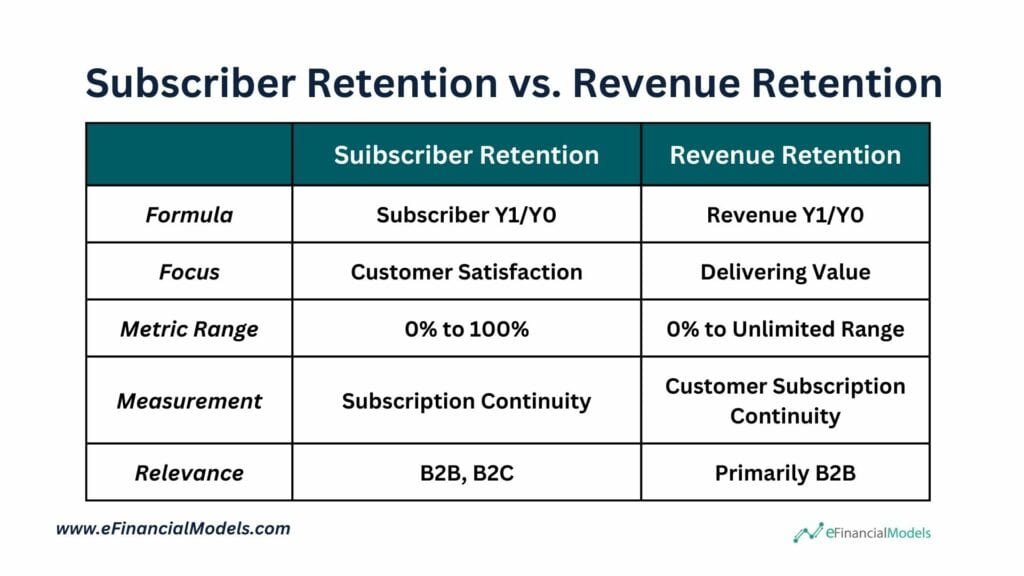
1. Formula
The subscriber retention rate formula and the revenue retention rate formula serve different purposes in evaluating the success and stability of a subscription-based business. Please note that subscribers refer specifically to those who signed up during a specified period of time (n). The subscriber retention rate focuses on how many of these subscribers renewed their subscriptions by the end of the period. On the other hand, the revenue retention rate examines the total revenue obtained from these subscribers at the end of the period compared to the start, highlighting the financial impact of subscriber renewals, upgrades, and downgrades.
The subscriber retention formula provides insights into customer loyalty and the effectiveness of retention strategies by tracking how many subscribers out of the total at the beginning of a period (e.g., the start of the year) remain subscribed at the end of that period. In contrast, the revenue retention formula measures the ability of a business to maintain its revenue stream over time. This formula considers not only the number of retained subscribers but also changes in subscription prices, upsells, and any downgrades or cancellations. It offers a more comprehensive view of financial stability by showing whether the revenue generated from subscribers is being sustained or growing.
2. Focus
Subscriber retention rate is vital in understanding customer satisfaction, loyalty, and overall experience, as it directly impacts customer churn rates and the long-term viability of the business. It determines whether or not you’re retaining a specific number of customers. On the other hand, revenue retention rate is a metric of significant value that zeroes in on the financial value of revenue retained. It measures the percentage of income a company can keep from existing customers over a certain period. This metric is not just essential; it’s a gateway to understanding the monetary value of customer relationships and identifying opportunities to upsell or cross-sell for substantial revenue growth.
Subscriber retention focuses on customer satisfaction by ensuring customers have a positive experience with the product or service, promptly addressing their needs and concerns, and fostering a solid relationship through personalized interactions and support. This approach keeps subscribers engaged and loyal by making them feel valued and heard. On the other hand, revenue retention concentrates on delivering value to customers by consistently providing high-quality products or services that meet or exceed customer expectations, demonstrating the tangible benefits and return on investment that customers receive. This strategy prioritizes the long-term financial health of the business by ensuring that customers perceive ongoing value, encouraging continued spending, and minimizing churn.
3. Metric Range
One key difference between revenue retention and subscriber retention is that subscriber retention is capped at 100%. A company can’t retain more than 100% of its subscribers, as this would imply that it has somehow managed to keep customers that it didn’t have in the first place. In contrast, revenue retention can be greater than 100%. Customers may upgrade to more expensive services or add more users, increasing revenue from existing customers. For example, if a customer paid $100 per month for a service last year and upgraded to a more expensive plan that costs $150 per month, the revenue retention would be 150%. It means that the company has retained the customer and increased its revenue from that customer.
Subscriber retention is a binary metric. It measures whether a customer continues or cancels their subscription, providing a clear, yes-or-no indication of retention success. While revenue retention can give insight into the growth potential of a company’s existing customer base, subscriber retention offers a more straightforward measure of a company’s ability to keep its customers engaged and satisfied with its products or services.
4. Measurement
Subscriber retention and revenue retention rates are two critical metrics in evaluating the health and performance of subscription-based businesses. Still, they focus on different aspects of the customer relationship. Subscriber retention rate measures frequency, explicitly tracking the proportion of customers who continue their subscription over a given period. It reflects how effectively a company can maintain its customer base, emphasizing the ability to keep subscribers engaged and satisfied with the service. A high subscriber retention rate indicates a loyal customer base, reducing the need for extensive marketing efforts to acquire new customers to replace those lost.
On the other hand, the revenue retention rate measures volume, concentrating on the total revenue retained from existing customers over a specified timeframe. This metric accounts for the number of subscribers retained and any changes in their spending levels, such as upgrades, downgrades, or additional purchases. The revenue retention rate provides a comprehensive view of a business’s financial stability and growth potential by highlighting how well it can maintain or increase revenue from its existing customer base. Unlike subscriber retention, this rate captures the financial contributions of retained subscribers, making it a vital indicator of long-term revenue sustainability and profitability.
5. Relevance to Customer Types
Revenue and subscriber retention are essential customer retention metrics for subscription-based businesses. They measure a company’s ability to maintain its customer base and prevent churn. While they are related, they focus on different aspects of customer retention, making them more or less relevant depending on the business model and target market.
Subscriber retention rate is particularly important in B2C (Business-to-Consumer) and B2B (Business-to-Business) contexts, where maintaining a steady customer base is critical for sustained growth. High subscriber retention rates indicate customer satisfaction and loyalty, which are essential for the long-term viability of both B2C and B2B businesses. In B2C, companies often deal with many individual customers, making subscriber retention a vital indicator of customer happiness and the effectiveness of marketing and service efforts.
On the other hand, the revenue retention rate measures a business’s ability to retain the revenue generated from its existing customers over a period. This metric is more pertinent to B2B businesses and is less commonly applied in B2C contexts. Revenue retention accounts for factors such as upselling, cross-selling, and expanding services or product usage among existing clients, making it a comprehensive measure of customer value over time. In B2B scenarios, where clients are typically larger and more valuable on a per-customer basis, focusing on revenue retention helps businesses understand how well they are growing their customer relationships and increasing the overall revenue per account.

































Proven Strategies for Tracking and Managing Revenue and Subscriber Retention
In today’s competitive business landscape, tracking and managing revenue and subscriber retention is crucial for sustainable growth. Companies must develop comprehensive strategies to maintain a steady income stream while keeping their customer base engaged and loyal. Focusing on the critical metrics that drive revenue and subscriber retention can help businesses gain valuable insights into customer behavior, identify potential risks, and implement proactive measures to enhance overall performance. Understanding and optimizing these retention strategies ensures a stable financial foundation and fosters long-term relationships with customers, driving continuous success and profitability.
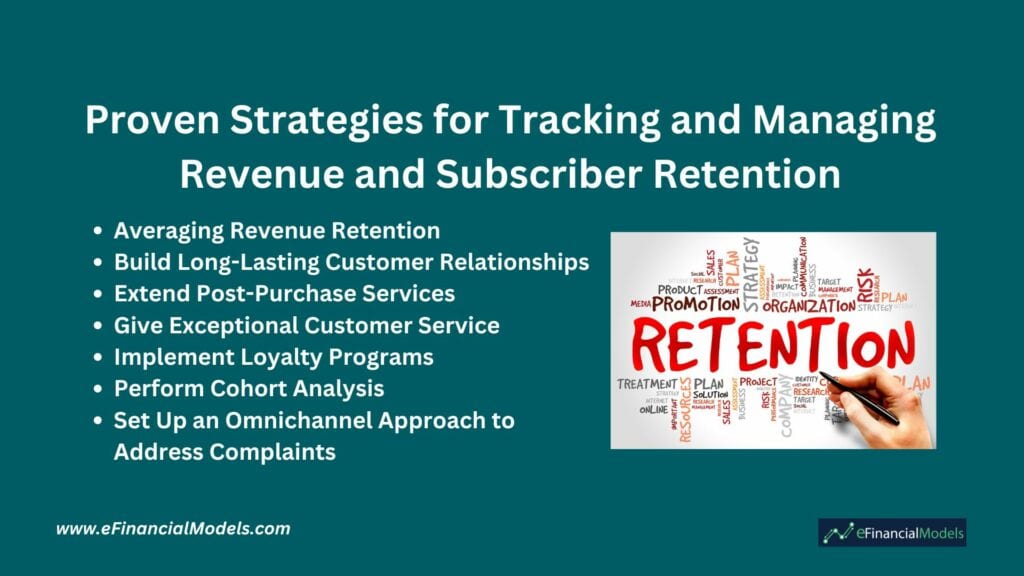
- Averaging Revenue Retention: Averaging Revenue Retention is a crucial strategy for tracking and managing revenue and subscriber retention. This method focuses on maintaining and analyzing the average revenue generated from existing customers over a specified timeframe. By implementing this strategy, companies can identify trends, predict future revenue, and make informed decisions to enhance customer retention efforts. For instance, if you charge by the number of users, as Semrush does, heavy users will naturally pay more, leading to increased average revenue retention. This approach ensures that revenue growth is aligned with customer usage patterns, fostering a sustainable business model.
- Build Long-Lasting Customer Relationships: Building long-lasting customer relationships is crucial for retention. Utilize robust CRM tools to maintain detailed customer interactions and preferences records, allowing you to personalize communication and offers. Understanding customers’ needs and responding to feedback can significantly enhance their loyalty and satisfaction. This proactive approach not only improves the customer experience but also fosters a sense of community and trust between your business and its customers.
- Extend Post-Purchase Services: Extending post-purchase services is a powerful retention strategy. Offer value-added services such as free consultations, periodic checks, and follow-up communications to ensure customers feel supported even after their purchase. These services demonstrate your commitment to their ongoing satisfaction and success with your product or service. By providing continuous support, you create an opportunity to address any issues early on, enhancing the overall customer experience and encouraging repeat business.
- Give Exceptional Customer Service: Exceptional customer service is a cornerstone of strong customer retention. Providing 24×7 support ensures that customers can reach out whenever they encounter issues, fostering a sense of reliability and trust. Self-service options, such as comprehensive FAQs and tutorials, empower customers to find solutions independently. Additionally, engaging with customers through social media chats offers a convenient and modern way to resolve queries quickly. By prioritizing customer service, you build a reputation for reliability and responsiveness, which are critical factors in retaining subscribers and revenue.
- Implement Loyalty Programs: Loyalty programs are effective ways to encourage repeat business and foster customer loyalty. Offer points and rewards for purchases, exclusive features for long-term customers, and gamification elements to make the experience engaging and rewarding. Loyalty programs incentivize repeat purchases and create a sense of exclusivity and appreciation among your customers. This approach can significantly boost retention rates by making customers feel valued and recognized for their continued patronage.
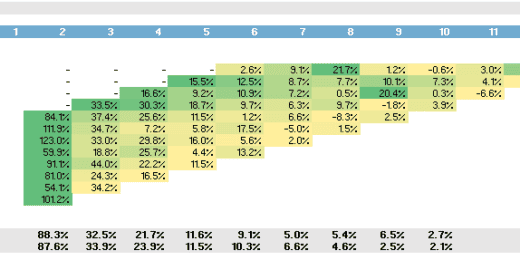
- Perform Cohort Analysis: A cohort analysis is a powerful tool for tracking and managing revenue and subscriber retention by segmenting customers into distinct groups based on their acquisition date or other relevant characteristics. By analyzing the behavior and performance of each cohort over time, businesses can identify trends and patterns in customer churn, revenue growth, and retention rates. This enables them to pinpoint specific issues or opportunities, such as determining which cohorts are most at risk of churning or have the highest revenue potential. With these insights, businesses can develop targeted strategies to improve retention, such as offering personalized promotions or loyalty programs to high-risk cohorts or investing in upsell and cross-sell opportunities with high-value cohorts. By regularly monitoring and analyzing cohort performance, businesses can refine their retention strategies, optimize their customer lifecycle, and drive revenue growth and long-term customer loyalty.
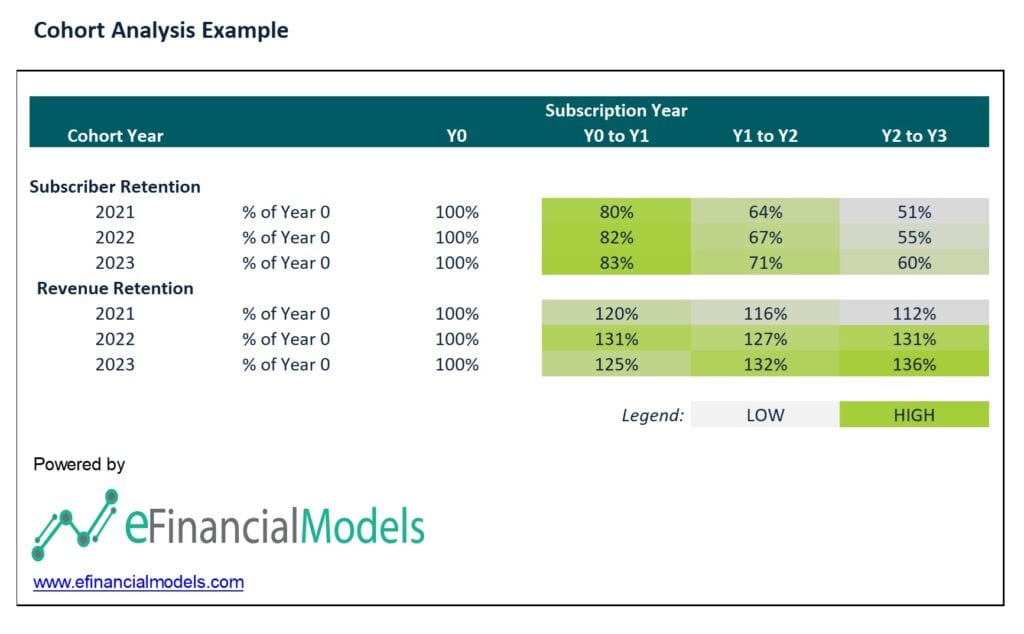
The above cohort analysis example illustrates the retention and revenue metrics for different groups (cohorts) of subscribers who signed up in specific years. Each row represents a different cohort based on the year subscribers signed up (2021, 2022, and 2023). The analysis tracks how many subscribers remained (Subscriber Retention) and the revenue generated (Revenue Retention) year over year. For example, the 2021 cohort retains 80% from Y0 to Y1, 64% from Y1 to Y2, and 51% from Y2 to Y3. Similarly, the revenue retention for the 2021 cohort is 120% from Y0 to Y1, 116% from Y1 to Y2, and 112% from Y2 to Y3.
The data suggests that while subscriber numbers decline over time, revenue retention can remain strong or even grow (mostly high or in green), indicating potential increased revenue per remaining subscriber. That’s the difference between subscriber and revenue retention. While the number of subscribers tends to decline over time, revenue retention can stay strong or even increase, suggesting that the remaining subscribers generate more revenue per person.
- Set Up an Omnichannel Approach to Address Complaints: Setting up an omnichannel approach to address complaints ensures that customers can reach out through their preferred communication channels. Whether through email, phone, social media, or in-person interactions, providing multiple avenues for customers to voice their concerns demonstrates your commitment to resolving issues promptly and effectively. An integrated system ensures that all complaints are tracked and managed consistently, regardless of the channel used. This comprehensive approach helps maintain high customer satisfaction and retention by ensuring no complaint goes unnoticed or unresolved.
Boost Business Insights: Track Revenue and Subscriber Retention Metrics with Financial Modeling
Revenue and subscriber retention are pivotal growth metrics for businesses to monitor, as they directly influence a company’s ability to sustain and accelerate growth over time. By keeping a close eye on these metrics, companies can identify areas for improvement in their customer relationships, product offerings, and pricing strategies. High revenue and subscriber retention rates indicate that customers are content with the value they’re receiving. This can lead to positive word-of-mouth, referrals, and, most importantly, increased revenue through upselling and cross-selling opportunities. By prioritizing revenue and subscriber retention, businesses can cultivate a loyal customer base, reduce acquisition costs, and drive sustainable, long-term growth.
Understanding and optimizing revenue retention and subscriber retention are pivotal for the long-term success of subscription-based businesses. While revenue retention focuses on maintaining and growing the income generated from existing customers, subscriber retention emphasizes keeping the customer base intact. Both metrics offer unique insights into customer behavior and business health, highlighting the importance of a balanced approach. A comprehensive approach to tracking and managing these retention metrics ensures financial stability, fosters strong customer relationships, and unlocks unparalleled business growth.
Tracking revenue and subscriber retention metrics is crucial for any business aiming to boost its insights and performance. By leveraging financial modeling, companies can comprehensively understand their financial health, identify trends, and make data-driven decisions. Financial models enable businesses to assess the impact of different retention strategies, optimize resource allocation, and project future revenue. This proactive approach enhances economic stability and fosters sustainable growth, ensuring businesses remain competitive in a dynamic market. Furthermore, cohort analysis financial models can help boost revenue and subscriber retention by providing detailed insights into customer behavior and identifying effective strategies for improving long-term engagement and profitability.
Maximize growth potential now!













You might also like:
- 10 Ideas to Increase Average Revenue Per User
- How to Calculate SaaS Monthly Recurring Revenue?
- Measuring Monthly Recurring Revenue For SaaS Business
- How to Build a Thriving Taxi Company?
- 10 Main Elements of a Business Plan
- Financial Modeling for Startups and Small Businesses
- Understanding the Debt Service Coverage Ratio: An Essential Metric for Financial Analysis
- How to Make Smart Decisions with 6 Key Financial Metrics?
- How to Start a Distillery Business: What You Need to Know?
- How to Write a Business Plan Step-by-Step
- Revenue Model Templates and their Characteristics
- 5 Best Practices for Managing Days Receivables
- Revenue Projections
- SaaS Business Financial Model
- Simple Budget Planner Template
- Investing Cash Flows
- Understanding What is Yield to Maturity and Why It Matters
- Master the Free Cash Flow Formula for Smarter Financial Decisions
- Finding a Valuation Model for Your Business
Tags: financial metrics