
0 ITEMS

Unlocking Opportunities How To Buy A Bed And Breakfast With No Money

Buying a bed and breakfast without upfront capital is possible with creative financing and strategic planning.
- Seller financing allows you to pay over time directly to the seller, often with flexible terms.
- Lease options give you time to generate income while saving for a future purchase.
- Partnering with investors or joining joint ventures can pool resources and reduce personal financial risk.
- Local government grants and small business loans can provide additional funding, but often come with restrictions and a competitive process.
- Using sweat equity by doing renovations yourself can increase property value and cut costs.
Effective networking and community involvement can open doors and uncover funding opportunities.
Continue reading to understand how each method works and how to apply these strategies in your B&B journey.
Inspiring Success Stories
Many individuals have turned seemingly unattainable dreams into successful bed and breakfast businesses without extensive financial resources. Here are a few promising examples:
| Name | Property Location | Strategy Used | Outcome |
|---|---|---|---|
| Jane Doe | Adirondack Mountains | Crowdfunding & Renovation Loans | Transformed an old lodge into a popular B&B within 18 months. |
| John Smith | Southern California | Selling Partnership | Established a thriving coffee & arts gallery alongside the B&B. |
| Mary Johnson | Vermont | Government Grants | Utilized local funding to restore and resume operations of a historic inn. |
The stories of these successful B&B owners highlight the vast potential for those who are resourceful and willing to take unconventional routes toward financing. By tapping into community resources, creativity, and innovative collaboration, you can replicate their success and make your B&B dreams a reality.
Conclusion
Venturing into bed and breakfast ownership does not have to be impeded by financial limitations. By considering alternative financing options, forming partnerships, and learning from others who have successfully navigated this path, you can significantly lower the barriers to entry. The journey may require you to move beyond traditional financing methods, but the rewards of entrepreneurship often outweigh the challenges. Stay motivated, conduct thorough research, and embrace the possibilities that lie ahead.
If you are interested in further exploring financial strategies, you can also dive into our comprehensive guides on [financial modeling in the hospitality industry](https://www.efinancialmodels.com/downloads/category/financial-model/hospitality/) to equip yourself with the knowledge needed to succeed in your B&B venture.
Understanding the Bed and Breakfast Market Before Investing
Before embarking on the journey of purchasing a bed and breakfast with no money, it is crucial to grasp the market landscape fully. The bed and breakfast sector has experienced considerable expansion in recent years as travelers increasingly pursue personalized experiences that depart from the typical hotel stay. According to the American Hotel and Lodging Educational Institute, the bed and breakfast market is projected to grow at a compound annual growth rate of 7.4% between 2021 and 2026. This uptick in demand presents an opportunity for aspiring B&B owners to capitalize on a thriving industry, enhancing their chances for profitability.
Familiarizing oneself with current market trends and customer preferences is essential for making educated decisions about acquisitions. The following sections discuss some key trends influencing the bed and breakfast market today:
- Increased Demand for Unique Experiences: Travelers are shifting their preferences from standardized hotels to unique lodging options that offer personalized experiences.
- Demographic Preferences: Millennials and Generation Z travelers are leading the charge, seeking more immersive and authentic stays that reflect local culture.
- Growth of Online Travel Platforms: Platforms like Airbnb have revolutionized the way people book their stays, increasing visibility for smaller lodging options, including bed and breakfasts.
- Focus on Health and Safety: Post-COVID-19, travelers prioritize cleanliness and hygiene, influencing their decision on accommodation.
- Experience over Quantity: Guests are willing to pay a premium for unique amenities and memorable experiences, creating a niche for boutique B&Bs that stand out.
Understanding these market trends is crucial for anyone considering entering the bed and breakfast business. They not only help in shaping business strategies but also provide insights into what guests seek in today’s hospitality landscape.
Comparing Bed and Breakfasts with Traditional Hotels
To further understand the advantages of investing in a bed and breakfast, it is worthwhile to compare it against traditional hotels based on key metrics that potential owners and investors should consider:
| Criteria | Bed and Breakfasts | Traditional Hotels |
|---|---|---|
| Customer Satisfaction | Typically high due to personalized service and unique experiences. | Varies greatly but often averaged below B&Bs due to standardized service. |
| Pricing | Generally lower prices for personalized stays, attracting budget-conscious travelers. | Higher average prices due to additional amenities and facilities. |
| Customer Interaction | Closer interactions with owners, enhancing guest experiences. | Limited interaction with staff; often a more impersonal experience. |
| Flexibility in Services | Customizable experiences, including meal options and local activities. | Standardized services and amenities that may not cater to individual guest preferences. |
This comparison illustrates that bed and breakfasts often excel in areas that matter most to travelers seeking a unique, personalized experience. With higher customer satisfaction ratings and a focus on customized service, B&Bs hold strong potential for profitability when managed well. Additionally, the lower average pricing can attract diverse clientele, making it a versatile investment choice.
In conclusion, understanding the growth trends and the competitive advantages of bed and breakfasts provides a solid foundation for anyone considering purchasing one without significant financial investments. By focusing on personalized service and leveraging market demands, prospective owners can create appealing business models that resonate with contemporary traveler preferences.
How to Buy a Bed and Breakfast with No Money: Alternative Financing Options
One of the most effective methods for purchasing a bed and breakfast without upfront cash is to explore creative financing options. Below, we discuss various strategies that can help you secure the funds needed for such an investment. Each option has its unique advantages and disadvantages, and it is essential to consider these factors before making any commitments.
Seller Financing
Seller financing is an arrangement where the current owner or seller of the property lends money to the buyer to purchase the property. This method allows you to make payments directly to the seller in installments, eliminating the need for traditional bank loans.
Pros:
- Flexible Payment Terms: Sellers may offer customized payment plans that could align better with your financial situation.
- No Bank Fees: You can avoid various bank fees and hurdles associated with traditional financing.
- Faster Closing Process: The closing process can be quicker than conventional loans because fewer third parties are involved.
Cons:
- Higher Interest Rates: Interest rates may be higher compared to traditional loans, depending on the seller’s requirements.
- Seller’s Risk: The seller may face the risk of foreclosure if payments are not made on time.
- Limited Availability: Not all sellers are open to financing arrangements.
This option has proven successful for many purchasers. For instance, a couple who sought to acquire a bed and breakfast in a competitive market successfully negotiated a seller-financed deal, enabling them to manage their payments according to their income fluctuations.
Lease with an Option to Buy
A lease with an option to buy is an agreement where you rent the property for a specified period, during which you have the right to purchase it before the lease ends. This strategy can enable you to operate the bed and breakfast and generate income while saving for the necessary down payment.
Pros:
- Income Generation: Allows you to earn rental income while building equity for the purchase.
- Lower Upfront Costs: Often requires less upfront capital than purchasing outright.
- Test the Business: You can evaluate the business’s viability before committing to buy.
Cons:
- Rent Payments: You may end up paying significant amounts in rent without ever owning the property, depending on the agreement terms.
- Market Fluctuations: The property’s market value may increase during the lease period, raising your potential purchase price.
- Complex Agreements: Lease agreements can be complicated and may require legal help to draft properly.
This financing method allows prospective owners a trial period. A previous buyer used this strategy to manage their cash flow, operating the B&B for a year to assess profitability before making a purchase decision.
Joint Ventures
Another option is to seek a joint venture with an investor or partner specializing in real estate investments. This would enable you to pool financial resources and share operational duties, greatly reducing the capital required from each party.
Pros:
- Shared Financial Burden: You can share expenses, making the financial load lighter.
- Diverse Expertise: Leveraging each partner’s expertise can help improve operational efficiency.
- Access to Larger Investments: With additional capital from investors, you might look for more lucrative properties.
Cons:
- Potential Conflicts: Different management styles may result in conflicts between partners.
- Shared Profits: You will need to split profits with your partner, potentially reducing your earnings.
- Dependence: You may become reliant on your partner’s financial commitment.
Such collaborations have worked for others in the hospitality space, where individuals combined skills and resources. An example includes two partners who previously owned hotels and pooled resources to purchase a bed and breakfast together, ultimately benefiting from shared insights and risk-taking.
Grants and Loans for Small Businesses
Investigating government grants and low-interest loans tailored for small businesses can also be fruitful. There are many local government initiatives that provide financial assistance to promote entrepreneurship and tourism, which can be particularly relevant for a bed and breakfast.
Pros:
- Non-Repayable Grants: Some grants may not require repayment, offering free capital.
- Lower Interest Rates: Loans from government programs typically have lower rates than commercial lenders.
- Encouragement of Local Business: Grants may encourage you to contribute to the local economy and tourism sector.
Cons:
- Competitive Applications: Securing grants can be highly competitive, with many entrepreneurs vying for limited funds.
- Specific Use Restrictions: Funds may come with stipulations on how they can be used.
- Time-Consuming Process: The application and approval processes can be lengthy.
Those who have successfully utilized this route have often noted the importance of thorough research. For example, an individual seeking to open a bed and breakfast applied for a community development grant, showcasing the business’s potential to enhance tourism and received funding that significantly aided their startup phase.
Comparative Table of Financing Methods
The table below summarizes each financing option’s pros and cons, allowing interested buyers to quickly evaluate their choices:
| Financing Method | Pros | Cons |
|---|---|---|
| Seller Financing |
|
|
| Lease with an Option to Buy |
|
|
| Joint Ventures |
|
|
| Grants and Loans |
|
|
This comparative analysis encapsulates the essential aspects of each financing strategy. Taking the time to consider the benefits and challenges associated with each option will empower aspiring bed and breakfast owners to make informed decisions that align with their financial capabilities and business aspirations.
Sweat Equity: Enhancing Property Value and Business Success
Leveraging sweat equity is a powerful approach for those looking to invest in a bed and breakfast with minimal cash outlay. By dedicating your time and expertise, you can significantly enhance the property and its overall appeal. This not only helps in increasing its market value but also contributes to making the business more successful by attracting more guests and generating higher revenue. Below, we delve into specific tasks that can be undertaken to maximize the impact of sweat equity on a bed and breakfast property.
Specific DIY Tasks to Enhance Property Value
Undertaking DIY renovations and improvements can drastically raise the value of a property. Here are some specific tasks that individuals can tackle without a professional contractor:
- Exterior Painting: A fresh coat of paint can do wonders. Select inviting colors that reflect the property’s charm.
- Landscaping: Improving garden spaces with flowers, shrubs, or practical features like pathways can enhance curb appeal.
- Updating Fixtures: Replacing outdated light fixtures, door handles, and faucets can modernize the look of any room.
- Kitchen Enhancements: Small updates like painting cabinets, adding a backsplash, or installing new appliances can elevate the overall ambiance.
- Restroom Renovations: Modernizing bathrooms can greatly increase guest satisfaction and enhance property value.
- Decor Updates: Incorporating contemporary decor themes with accessories, paintings, and furnishings can create a warm and welcoming environment.
Completing these tasks can lead to substantial improvements in property value. Not only does each renovation increase the aesthetic appeal, but they can also result in higher nightly rates. Potential guests are often willing to pay more for a property that feels modernized and well cared for.
Successful Case Studies
Numerous bed and breakfast owners have effectively utilized sweat equity to revamp their properties and enhance guest experience. For instance:
- A couple in Vermont renovated their historical bed and breakfast by updating the bathrooms and kitchen through DIY efforts. As a result, they experienced a 40% increase in bookings within the first year.
- In California, a retired schoolteacher transformed a rundown property by focusing on landscaping and exterior painting, resulting in positive online reviews that significantly raised their Airbnb ratings.
- A passionate hobbyist, who adapted her artistic skills to redecorate her B&B in Florida, reported a doubling of her annual revenue within two years.
These examples illustrate the tangible benefits of putting in sweat equity. The combined effects of personal investment and strategic renovations have proven to increase both revenue and guest satisfaction, reinforcing the merit of this approach.
Cost Comparison: DIY vs. Professional Renovations
To better understand the financial implications of DIY efforts versus hiring professionals, the following table outlines average costs and potential returns on investment.
| Renovation Task | DIY Cost Estimate | Professional Cost Estimate | Potential Increase in Property Value |
|---|---|---|---|
| Exterior Painting | $500 – $1,000 | $2,500 – $5,000 | 10% increase |
| Kitchen Upgrade | $1,000 – $3,000 | $7,000 – $15,000 | 20% increase |
| Bathroom Renovation | $500 – $1,500 | $4,000 – $10,000 | 15% increase |
| Landscaping | $300 – $800 | $2,000 – $4,000 | 5% increase |
Taking a closer look at the financials illustrates that while DIY renovations may appear labor-intensive, they present a more affordable alternative to hiring professionals. The potential return on investment can be staggering, especially when calculated over several projects. In the long run, combining diligent efforts with targeted improvements can make a significant difference in enhancing both the property’s value and its appeal to guests.
In summary, the application of sweat equity in developing a bed and breakfast not only saves financial resources but also allows for personalized touches that can create a unique guest experience. By carefully selecting DIY projects and understanding their costs and impacts, new owners can significantly boost their business potential.
Networking: A Key to Buying a Bed and Breakfast with No Money
Networking is an essential element in acquiring a bed and breakfast without substantial financial backing. It is not just about meeting people; it is about building meaningful relationships that can significantly influence your journey. Effective networking can lead to immediate opportunities, insights, and even funding options that you might not discover through traditional means. Engaging with professionals in the hospitality sector can provide mentorship opportunities that are invaluable in guiding you toward your goals. This kind of support can equip you with the knowledge and strategies you need for success.
Effective Networking Strategies
To maximize your networking efforts, consider implementing the following strategies:
- Be prepared with a clear introduction of who you are, what your goals are, and how you can add value.
- Listen actively and engage in genuine conversations rather than just promoting your own agenda.
- Follow up with new contacts promptly, thanking them for their time and referencing specific points discussed to solidify the connection.
- Utilize business cards or a digital equivalent to ensure people can easily reach out to you later.
- Be visible and active on social media platforms and industry forums to enhance your online presence.
By integrating these strategies into your approach, you can create a lasting impression and build a network that supports your aspirations. Engaging with like-minded individuals can offer unique perspectives that may lead to unexpected opportunities in your bed and breakfast journey.
Events and Organizations to Consider for Networking
There are multiple avenues to explore to expand your network within the hospitality industry. Here are key events and organizations that can help you make valuable connections:
| Event/Organization | Description |
|---|---|
| Local Chamber of Commerce | A platform to connect with local business owners and professionals, who can provide insights and support. |
| Tourism Board Meetings | Gathering spots where tourism professionals discuss opportunities that can inspire and inform your business plan. |
| Hospitality Trade Shows | Events showcasing the latest trends and innovations in the industry, ideal for making contacts with vendors and fellow business owners. |
| Local Business Meetups | Informal gatherings that allow for easy conversation and relationship building among community entrepreneurs. |
| Networking Associations (e.g., BNI) | Structured networks that facilitate connection and collaboration between business owners. |
Attending these events and participating in relevant organizations can drastically boost your networking effectiveness. Meeting industry professionals, sharing experiences, and learning from their journeys provides invaluable perspective and insight. Make sure to take the initiative to nurture these connections as they can yield significant benefits down the line.
Leveraging Online Platforms for Networking
In today’s digital age, online networking is equally crucial. Platforms such as LinkedIn and industry-specific forums enable you to connect with professionals from around the world, offering unparalleled access to knowledge and experience. Here are some tips for effective online networking:
- Keep your profile updated and professional, highlighting your aspirations in the hospitality industry.
- Engage with relevant content by liking, commenting, and sharing insights to display your interest and expertise.
- Join groups where industry discussions occur and participate actively to gain visibility.
- Utilize direct messaging to reach out to potential mentors or connections, making your outreach personalized to catch their interest.
By harnessing these online tools, you can amplify your networking initiatives beyond local events and gain access to a global pool of knowledge and resources. Remember that building a network is a two-way street; offer value and support to your connections as well. In doing so, you will create a robust network that is mutually beneficial and enriching as you pursue your goal of purchasing a bed and breakfast.
Jane’s Journey: Building a Successful B&B in Vermont Without Initial Capital
Jane’s story is a testament to how determination, strategic planning, and creativity can enable someone to realize their entrepreneurial dreams, even without significant upfront capital. Embarking on the journey of purchasing and running her bed and breakfast (B&B) in Vermont, Jane faced numerous challenges but overcame them through innovative approaches and tactical decisions. Below, we break down her success story into key milestones and specific actions taken along the way.
Key Steps in Jane’s Journey
To provide clarity on her path, here are the crucial steps Jane took, presented chronologically to illustrate her journey:
- Meeting the Owner: Jane actively sought out opportunities by networking within her community and eventually approached the retiring B&B owner.
- Negotiating Seller Financing: Instead of traditional financing, she proposed a seller financing arrangement, enabling her to pay for the property over ten years.
- Shifting Focus to Operations: Once the deal was secured, Jane immersed herself in the day-to-day management of the B&B, learning about guest services and hospitality management.
- Building Local Partnerships: Jane established relationships with local businesses and attractions, which helped create mutually beneficial promotions and packages.
- Implementing Low-Cost Improvements: Jane undertook small, cost-effective projects to enhance the property’s aesthetic and operational efficiency, such as landscaping, interior decorations, and upgrading amenities.
- Gathering Customer Feedback: She regularly sought feedback from guests to identify areas for improvement and swiftly implemented their suggestions, enhancing guest satisfaction.
- Utilizing Digital Marketing: Jane created a website and utilized social media to reach potential customers and attract more visitors to her B&B.
- Monitoring Financial Performance: Jane diligently tracked her income, expenses, and customer bookings to optimize profitability constantly.
Each of these steps played a significant role in Jane’s journey, emphasizing her proactive approach and resilience in the face of challenges. By leveraging personal connections and thinking outside the box, she was able to navigate the complexities of operating a B&B without having initial capital. Ultimately, her story is more than just about financial success; it reflects a passion for hospitality and community engagement.
Obstacles and How Jane Overcame Them
Jane did not sail through her journey unscathed; she encountered various obstacles that tested her resolve. Here’s a closer look at some of these challenges and the strategic solutions she implemented:
| Obstacle | Solution |
|---|---|
| Limited initial capital for renovations | Focused on low-cost enhancements and DIY projects to boost appeal. |
| Building a customer base from scratch | Leveraged digital marketing and local partnerships to attract visitors. |
| High competition within the local market | Offered unique packages and fostered excellent customer service to differentiate. |
| Adapting to changing customer preferences | Regularly collected and analyzed feedback to improve offerings continuously. |
Overcoming these obstacles required Jane to be agile and responsive. Embracing a hands-on approach and learning from each challenge made her more adaptable in managing her B&B. By carefully considering the needs of prospective guests and integrating their feedback, Jane not only enhanced her services but also built a loyal customer base. Her proactive measures led to a flourishing business that exceeded her initial financial expectations, demonstrating that resilience and innovation can lead to success.
In conclusion, Jane’s journey illustrates that achieving one’s entrepreneurial dreams is possible with strategic planning, effective problem-solving, and community engagement. Her experience offers valuable insights for aspiring B&B owners or anyone looking to pursue a business venture without the cushion of substantial financial investment. If you are considering a similar path and need assistance with financial modeling to outline your vision effectively, explore our range of financial model templates tailored for various industries.
Conclusion: The Path to Bed and Breakfast Ownership Without Capital
In summary, pursuing the dream of owning a bed and breakfast without any upfront capital is not merely a distant fantasy; it is a very achievable reality. By adopting innovative financing strategies and leveraging your unique skills, you can create sustainable pathways to achieve B&B ownership. Furthermore, cultivating relationships through networking and active community engagement can open doors to invaluable opportunities in the hospitality sector.
Here are some effective strategies you can consider to embark on this exciting entrepreneurial journey:
- Creative Financing Options: Consider using seller financing, lease-to-own arrangements, or partnerships with financially capable individuals.
- Utilize Your Skills: Leverage skills such as hospitality management, marketing, or culinary expertise to attract potential investors or partners.
- Networking: Attend local tourism or hospitality events to connect with industry professionals who may offer guidance or partnership opportunities.
- Community Engagement: Build relationships with local businesses and community members to create a support network that can assist in your B&B venture.
- Research and Planning: Conduct thorough market research and develop a comprehensive business plan to present to potential investors.
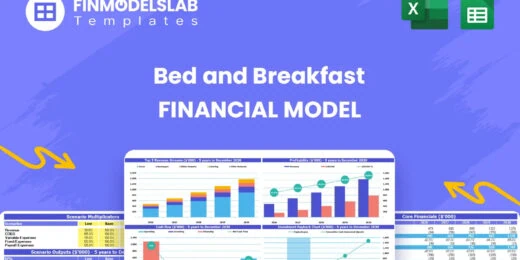
Taking immediate action is essential for making this goal a reality. Start by identifying local networking groups or chambers of commerce that focus on hospitality or small businesses. Additionally, consider reviewing educational resources such as financial modeling services that can help you understand the economics of running a bed and breakfast. For more information on these financial modeling services, consult eFinancialModels.
As you reflect on these strategies, remember that determination and creativity are vital in overcoming financial barriers. With the right approach, you can transform your dream of owning a bed and breakfast into a successful business. Take the first step today, and begin exploring the wealth of possibilities that lie ahead! Your entrepreneurial spirit can turn challenges into unique opportunities for growth and success in the hospitality industry.
1. Is it really possible to buy a bed and breakfast with no money?
Yes, it is indeed possible to acquire a bed and breakfast without any upfront cash by leveraging various alternative financing methods. If you are resourceful and willing to negotiate creatively, you can successfully establish a business without the traditional funding route. Below are several strategies that potential buyers can employ:
- Seller Financing: In this arrangement, the seller allows the buyer to pay for the property over time, often at a lower interest rate than a bank loan would offer. This can significantly ease the financial burden at the beginning.
- Lease Options: A lease option allows you to rent the property with an option to buy it later. This gives you the time to generate income before making a significant financial commitment.
- Joint Ventures: Partnering with investors or friends can bring in the necessary capital as a group investment while spreading the risk among all involved parties.
- Grants and Community Support: Many local governments and organizations offer grants and support to small businesses and tourism-related ventures, which could supplement your initial investment.
All of these options require open communication and thorough negotiation skills. A potential buyer should be prepared to present a solid business plan that demonstrates how the bed and breakfast can be a profitable venture. It is essential to understand your financial obligations and future forecasts to ensure you can sustain the business once it is acquired.
2. What are the typical costs associated with starting a bed and breakfast?
Starting a bed and breakfast involves various costs that can fluctuate considerably depending on the location, size, and scope of your business. A comprehensive understanding of these costs is vital for strategic planning and financial modeling. Below is a detailed breakdown of the typical expenses involved:
| Type of Cost | Description | Estimated Range (USD) |
|---|---|---|
| Property Purchase or Lease | The cost of acquiring or leasing the property to operate your bed and breakfast. | $200,000 – $1,000,000+ |
| Renovations | Upgrading or remodeling the property to meet safety codes and appeal to guests. | $10,000 – $100,000+ |
| Furnishings | Buying beds, linens, furniture, and decor to create a welcoming environment. | $15,000 – $50,000+ |
| Marketing | Initial marketing and advertising to attract customers, including online presence. | $5,000 – $30,000+ |
| Operational Expenses | Recurring costs like utilities, insurance, and maintenance post-launch. | Variable (depending on location and services) |
Each type of cost should be considered while creating your detailed financial model. It is crucial to conduct thorough market research to validate your projected costs against local real estate trends and expenses associated with running a hospitality business. Accurate budgeting will help you avoid unexpected financial strains in the future.
3. How important is location when buying a bed and breakfast?
The location of your bed and breakfast plays a pivotal role in its success. It not only influences guest accessibility but also affects the character and appeal of your offering. Here are key factors that underscore the importance of location:
- Target Market: A prime location will attract your desired demographic, whether it be tourists, business travelers, or retreat seekers.
- Guest Volume: Proximity to attractions, events, and key destinations will likely result in higher occupancy rates.
- Price Competitiveness: Real estate prices in popular locations can be higher but may yield better returns through increased booking rates.
- Local Amenities: Accessibility to restaurants, tours, and recreational activities enhances guest experience and satisfaction.
By assessing these factors, potential buyers can evaluate whether a location supports their overall business strategy and revenue goals. Additionally, in high-demand areas, you may find yourself positioned to charge premium rates, ensuring greater profitability.
4. Can I finance renovations through a seller financing agreement?
Yes, it is possible to incorporate renovations into a seller financing agreement, depending on the terms negotiated with the seller. This arrangement can ease the cash flow burden in the initial phases of your ownership. Consider the following points:
- Discussion of Terms: Negotiating special terms to include renovations as a part of the purchase price can provide immediate financial relief.
- Clear Expectations: Outline the scope of renovations and agree on performance timelines to avoid conflicts in the future.
- Financial Considerations: Factor in potential increases in property value post-renovation when budgeting your repayments.
Make sure to document all aspects of the agreement, as having everything in writing is crucial in establishing clear expectations. A well-structured seller financing agreement can pave the way for smoother operations as you enhance the property and increase its value.
5. How can I market my bed and breakfast effectively on a budget?
Marketing a bed and breakfast effectively, especially when on a tight budget, requires a mix of creativity and strategic thinking. Here are several cost-efficient promotional strategies:
- Social Media Promotion: Create profiles on platforms like Instagram, Facebook, and Pinterest to showcase your property visually.
- Build a Website: Develop a simple, user-friendly website where potential guests can learn more about your offerings and book directly.
- Local Tourism Boards: Network with local tourism offices; being listed on their websites can drive traffic to yours.
- Partnerships with Local Businesses: Collaborate with nearby restaurants and attractions for cross-promotional deals.
Effective marketing does not have to be costly. The key is to create authentic connections and provide valuable experiences that encourage guests to spread the word. Engaging with local communities and utilizing social media platforms can significantly boost your visibility and attract guests to your bed and breakfast.







































You might also like:
- 12 Funding Sources for Businesses and Startups
- 10 Main Elements of a Business Plan
- 5 Practical Tips to Help Raise Funds For Startups
- How to Write a Business Plan Step-by-Step
- Creating a Business Plan for your Food Truck Business
- Fundraising
- Are EV Charging Stations Profitable?
- Hospitality
- Business Plans
- Scenario Analysis
- Top 5 Tips For a Good Financial Due Diligence
- Financial Modeling for Startups and Small Businesses
- How to Start a Construction Machinery Rental
- The Valuation of a Business
- Airbnb
- How to Prepare a Financial Feasibility Study for Coffee Farming?
- Financial Business Plan for Nail Salon
- Why Financial Forecasting Models Are Vital for Your Business
- How to Build a Capitalization Table
- Financial Modelling PDF Examples


