0 ITEMS

The Ultimate Guide to Starting a Mexican Restaurant
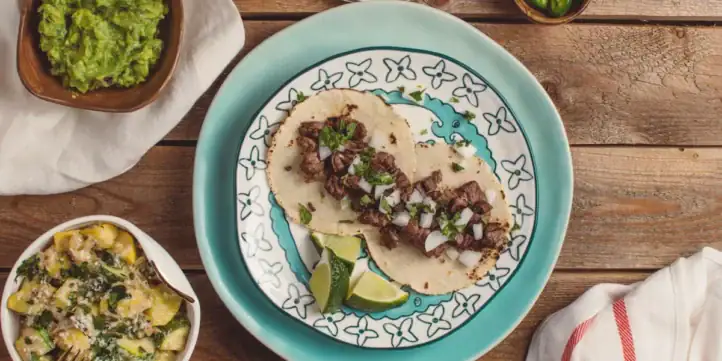
Starting a Mexican restaurant involves careful planning and understanding the culinary culture. Success requires a blend of authentic cuisine, strategic marketing, and excellent customer service.
Embarking on the journey of opening a Mexican restaurant can be both exhilarating and daunting. Entrepreneurs must immerse themselves in Mexico’s rich gastronomic heritage to deliver an authentic dining experience. Engaging in market research is crucial to identify your target demographic and tailor your menu to their tastes.
With the restaurant industry being highly competitive, a strong business plan outlining your vision, budget, and unique selling proposition is essential. Effective branding and a robust digital presence will help you stand out and attract food enthusiasts from everywhere. Providing stellar customer service will ensure diners leave with memorable experiences, turning first-time visitors into regular patrons. A well-rounded introduction to opening a Mexican restaurant must cover these bases, setting you on the path to a successful culinary venture.
Mexican Cuisine: A Spice Of Culture
Mexican cuisine bursts with vibrant tastes and colors. Every bite offers an experience steeped in history and tradition. Food lovers everywhere treasure it as a gift to the taste buds. Are you ready to bring this rich culture to your neighborhood?
The Appeal Of Mexican Flavors
Picture fresh cilantro, tangy lime, and savory cumin. These are just a few staples that create the bold flavors of Mexican dishes. People crave zesty salsas and melting cheese on their enchiladas. Now, consider bringing this joy to your own restaurant.
A restaurant theme based on Mexican cuisine captures the essence of a rich culinary heritage. Your menu can be a fiesta of chilies, beans, and corn. The colors and aromas draw guests like a magnet.
Regional Varieties And Signature Dishes
Not all Mexican food is the same. It changes with geography. Do you know the difference between Oaxacan and Yucatecan cuisine?
Oaxaca, known as the “Land of the Seven Moles”, prides itself on complex sauces. Yucatan dishes offer a unique twist with Mayan influences and a tropical palette.
| Region | Signature Dish |
|---|---|
| Oaxaca | Mole Negro |
| Yucatan | Cochinita Pibil |
| Puebla | Chiles en Nogada |
| Veracruz | Pescado a la Veracruzana |
By exploring these varieties, your menu can be a map of flavors. Choose signature dishes that honor different regions. This way, your guests can travel through Mexico with each course.
Market Research: The Salsa Of Success
Just like salsa unlocks the flavors in a meal, thorough market research spices up your restaurant’s chances for success. Before the grand opening of your Mexican restaurant, it’s essential to dive into market research to tailor your spicy venture to the tastes and demands of your future customers. It’s all about finding the right ingredients: your competition, your customers, and the latest trends. This guide serves as your culinary map to a delicious launch.
Analyzing Competitor Strategies
Finding your unique recipe in the restaurant industry means understanding what others are cooking up. By analyzing your competitors, you can glean insights on what works—and what doesn’t—within your area. Study their menus, pricing, marketing efforts, and customer reviews to pinpoint both their strengths and weaknesses.
- Check popular review sites for customer feedback.
- Examine any loyalty programs they offer.
- Attend their events to observe firsthand.
Understanding Customer Demographics
Knowing who craves your comida is key to crafting a menu and atmosphere that resonate. Demographics can include age, income level, dining preferences, and more. Use surveys, local data, and social media analytics to paint a clear picture of your potential customer base.
- Identify age groups in the vicinity of your location.
- Gauge income levels to set appropriate prices.
- Consider family vs. individual dining habits.
Spotting Market Trends
The food industry is always sizzling with trends. Stay ahead of the curve by spotting what’s hot in the world of Mexican cuisine. Are organic ingredients on the rise? Is there a growing demand for plant-based options? Use online resources, food blogs, and industry reports to keep your menu innovative and attractive.
- Maintain an active presence on foodie forums and social media.
- Subscribe to industry publications for the latest research.
- Network with suppliers for insight into upcoming food trends.
Creating Your Concept: Crafting The Experience
Embarking on the journey of opening a Mexican restaurant is thrilling and full of important choices. Crafting the Experience is a pivotal part in ensuring your restaurant stands out. It’s more than just serving food; it’s about creating a memorable atmosphere that guests will want to return to time and time again.
Themed Decor And Ambiance
The right decor sets the stage for your diners. A well-thought-out theme can transport guests to the colorful streets of Mexico. Consider bold colors, cultural artifacts, and traditional motifs that reflect the vibrancy of Mexican life. Your restaurant’s ambiance should excite the senses. Think about integrating festive music, comfortable seating, and warm lighting to complement the mood. Plants like cacti or brightly painted murals can add an authentic touch to the space.
Menu Selection And Unique Offerings
A standout menu is key to a restaurant’s success. Include classic dishes like tacos, enchiladas, and quesadillas, but don’t shy away from innovation. Consider adding signature dishes or fusion cuisine to intrigue guests. Fresh ingredients and bold flavors are the heart of Mexican cuisine—showcase them in every dish. Remember to cater to various dietary needs with vegetarian, vegan, and gluten-free options. A mix of traditional and modern recipes will keep your menu exciting and give guests a reason to return.
Business Plan: The Recipe For Your Restaurant
A strong business plan is the foundation of a successful restaurant. Think of it as the recipe that will guide you to success. It outlines every ingredient necessary, from financial predictions and marketing tactics to how your restaurant operates daily.
Financial Forecasting
Financial forecasting is crucial for your Mexican restaurant’s success. It predicts your financial health and prepares you for future growth.
- Revenue Projections: Estimate your earnings from food and drink sales.
- Cost Analysis: Include food costs, labor, rent, and utilities.
- Break-even Analysis: Know when your restaurant will start making profits.
Use simple tables to organize your numbers:
| Year | Revenue | Expenses | Net Profit |
|---|---|---|---|
| Year 1 | $500,000 | $300,000 | $200,000 |
| Year 2 | $600,000 | $350,000 | $250,000 |
Marketing Strategies
Your marketing strategies bring customers to your door.
- Create a mouth-watering menu with vibrant pictures online.
- Engage with foodies on social media platforms like Instagram.
- Offer opening week discounts to attract local food enthusiasts.
Remember to track the results of every campaign. Make adjustments for better performance.
Operational Plan
An operational plan ensures your restaurant runs smoothly each day.
- Staff Roles: Define tasks for cooks, servers, and managers.
- Suppliers: Choose reliable providers for fresh ingredients.
- Customer Service: Train staff to provide a memorable experience.
Create checklists for daily tasks. This helps maintain excellence in operations.
Legalities: Compliance With The Law
Embarking on the journey of opening a Mexican restaurant is an exciting endeavor. To ensure a smooth start, adhering to the legal framework is imperative. Compliance with the law is not just about fulfilling a duty; it represents the backbone of a trustworthy establishment. In this section, we’ll navigate through the crucial steps of obtaining necessary licenses and understanding food safety regulations.
Obtaining Licenses And Permits
Before the aroma of savory tacos and enchiladas fills the air, aspiring restaurateurs must secure the correct licenses and permits. This is a vital step to legally operate a business. Here’s a checklist to help guide you through this process:
- Business License: This is the basic permit to operate a Mexican restaurant in your city or town.
- Liquor License: If you plan to serve alcohol, this license is essential.
- Health Department Permit: Ensuring your restaurant meets health standards is a must.
- Fire Department Permit: This confirms that your space is safe from fire hazards.
- Sign Permit: If you’ll be displaying a sign outside your restaurant, this permit might be required.
- Building and Zoning Permits: These are crucial if you plan to construct or remodel your space.
- Music License: If you’ll be playing music, getting a license helps avoid copyright issues.
Food Safety Regulations
Delivering delicious Mexican dishes goes hand-in-hand with upholding strict food safety standards. These regulations are there to protect your customers and your reputation. Key points include:
- Proper Food Handling: Staff training on handling food safely is critical.
- Regular Health Inspections: Expect routine checks by the health department.
- Maintaining Cleanliness: A clean environment is non-negotiable for health and safety.
- Correct Food Storage: Learn the right temperatures and storage techniques for ingredients.
- Allergy Awareness: Always be informed about common food allergens and cross-contamination prevention.
Understanding and integrating food safety protocols firmly into your restaurant operations will set the foundation for a successful culinary haven.
Location, Location, Location
They say in the restaurant business, three things matter most: location, location, and location. Your Mexican restaurant’s success hinges on where you plant your culinary flag. A spot that catches high foot traffic and is easy to find can lead to a bustling dining room. But the wrong choice? That can spell disaster even for the tastiest of tacos. Let’s explore how to nail this crucial first step.
Choosing The Right Spot
Finding the ideal locale is like hunting for hidden treasure. Consider these points:
- Visibility: Choose a place where people can see your restaurant easily.
- Accessibility: Make sure it’s simple for customers to get to your door.
- Demographics: Pick a spot where locals crave Mexican flavors.
- Competition: Too many nearby rivals? Think twice before jumping in.
- Cost: Affordable rent matters for your budget.
Lease Negotiation And Build-out
Once you’ve found your perfect spot, it’s time to negotiate. A good lease is like a good salsa – it needs the right mix of ingredients. Here’s a quick guide to what you need to consider:
- Lease Term: Aim for a length that gives you flexibility, but also stability.
- Costs: Understand all charges, like rent, utilities, and extra fees.
- Improvements: Will the landlord help with restaurant-specific build-outs?
- Exit Strategy: Ensure there’s a way out if things don’t pan out as planned.
Remember, the lease is not just a document, it’s the foundation of your future. So, get everything in writing and double-check the details. Now, roll up your sleeves – it’s time to craft a space where enchiladas and empanadas feel right at home.
Suppliers And Equipment: The Kitchen’s Backbone
Starting a Mexican restaurant? The kitchen needs the best supplies and gadgets. These are key to delicious meals. Good suppliers and quality equipment help your eatery thrive. Let’s dive into how to find trustworthy vendors and the must-have tools for your Mexican cuisine.
Finding Reliable Vendors
Your supplier is your partner in success. A steady relationship means fresh ingredients and timely deliveries. Here’s how to choose them:
- Ask for references – Talk to other restaurant owners.
- Research reputation – Read reviews and testimonials.
- Check delivery schedules – Ensure they fit your needs.
- Assess product quality – High standards are a must.
- Negotiate terms – Aim for the best deal.
Essential Kitchen Equipment For A Mexican Restaurant
Your kitchen equipment is vital. Durable and efficient tools make cooking easier. Here’s what you’ll need:
| Equipment | Use |
|---|---|
| Commercial Grills | Sizzle meats and veggies. |
| Tortilla Press | Make fresh tortillas fast. |
| Blenders | Whip up salsas and sauces. |
| Food Processors | Chop and dice in seconds. |
| Refrigeration Units | Keep ingredients fresh. |
Each piece helps your team work better. Don’t forget smallware, like knives and mixing bowls.
Hiring: Building Your Team
Starting a Mexican restaurant involves more than just great recipes. A dedicated and well-trained team turns good service into great experiences. Let’s dive into building your dream team with effective recruitment and training strategies.
Recruitment Strategies
Finding the right people is crucial to your restaurant’s success. Start with these steps:
- Define the roles clearly to attract suitable candidates.
- Use social media and job portals to reach a wider audience.
- Employee referrals can bring trusted talent through existing staff networks.
- Consider hosting a job fair to meet many candidates in one day.
Always look for passion and readiness to learn as much as experience.
Training Programs For Staff
Once hired, training your team keeps your service top-notch. Implement these training essentials:
- Onboarding sessions to familiarize staff with your restaurant’s culture.
- Cooking classes for kitchen staff to perfect their Mexican cooking skills.
- Customer service workshops for front-of-house employees.
- Regular evaluations to provide feedback and encourage improvement.
Remember, investing in your staff’s growth reflects positively on your restaurant’s reputation.
Marketing: Spreading The Word
Opening a Mexican restaurant stirs excitement and anticipation. Yet, success lies not just in mouthwatering tacos and tangy salsas, but also in effective marketing strategies. With creativity and a dash of spice, the right promotional activities can turn your Mexican restaurant into the local hotspot. Let’s explore ways to captivate your audience and fill those seats every night.
Leveraging Social Media
Picture vivid, colorful dishes that almost jump off the screen. Social media is the perfect stage for showcasing your restaurant’s vibrant flavors. Use visually appealing content to make followers crave your cuisine. Post regularly to keep your audience engaged and hungry for more.
- Instagram: Share high-quality photos of dishes and daily specials.
- Facebook: Post event announcements and collect customer reviews.
- Twitter: Engage in local food conversations and share quick updates.
Local Community Engagement
Build relationships with your neighborhood. Attend local festivals and events, offering a taste of your menu. Sponsor community initiatives to show commitment beyond your restaurant doors. This approach not only builds brand loyalty but also embeds your restaurant into the local culture.
| Activity | Benefit |
|---|---|
| Local Festivals | Brand Visibility |
| Charity Sponsorship | Positive Reputation |
| School Partnerships | Community Support |
Creating Promotions And Events
Entice customers with unique experiences and special offers. Hosting live music nights or cooking classes can turn a meal into an event. Celebrate Mexican holidays with special promotions to draw crowds and honor cultural traditions.
- Weekly Specials: Taco Tuesday or Margarita Wednesday
- Monthly Events: Salsa dance night or a Mexican cooking demo
- Cultural Celebrations: Cinco de Mayo or Día de los Muertos specials
Loyal customers often emerge from memorable experiences, so give them stories to share and reasons to return.
Soft Opening: The First Taste
Launching your Mexican restaurant starts with a soft opening. This crucial step offers a sneak-peek into your culinary world! It’s a chance to dazzle a select few with your recipes and ambiance before the grand opening. This “trial run” helps iron out any service kinks, ensuring your team is ready to wow the masses.
Organizing A Trial Run
A well-planned trial run is key. Aim for a stress-free experience for your staff and guests. Here’s how:
- Invite friends, family, or local influencers for a more relaxed environment.
- Choose a limited menu to showcase your restaurant’s best dishes.
- Test all roles, from chefs to waitstaff, to see how they handle real guests.
- Set specific hours for this event to manage customer flow and kitchen stress.
Gathering Feedback And Making Adjustments
Feedback is your best tool for improvement. Here’s a simple, effective way to collect it:
- Provide comment cards or digital surveys; encourage guests to be honest.
- Keep an eye out for common trends in feedback, both positive and negative.
- Discuss the feedback with your team and make necessary changes swiftly.
- Remember, adjustments could range from menu tweaks to staff training enhancements.
Gathering feedback and refining accordingly will set the stage for a successful grand opening. Your restaurant will soon become the new go-to spot for authentic Mexican flavors!
Grand Opening: A Fiesta To Remember
Welcome to the grand opening of your dream: a Mexican restaurant that promises an unforgettable fiesta. This is not just a launch; it’s the bloom of your passion for authentic Mexican cuisine, a celebration that will set the tone for the legacy of your establishment. Here’s how to make it a grand affair that your guests will talk about for years to come.
Planning A Launch Event
Every memorable party needs careful planning. Begin by marking a date that resonates with Mexican culture, perhaps Cinco de Mayo or the Day of the Dead. Next, create a checklist:
- Set a budget – determines scope of event.
- Venue prep – decorate with vibrant colors and traditional Mexican decor.
- Menu highlights – feature signature dishes and drinks.
- Entertainment lineup – live Mariachi bands, folk dances.
- Marketing push – use social media, invites, local press to advertise.
- Special guests – invite local celebrities or influencers.
Remember, details make the difference. Small touches, such as customized menus or festive centerpieces, impress guests.
Celebrating With Culture And Flair
Incorporate authentic customs into your event; this gives visitors an immersive experience. Offer a free salsa dancing lesson or have a piñata for kids. Consider the following table:
| Cultural Element | Description |
|---|---|
| Music | Mariachi or Salsa bands create an energetic atmosphere. |
| Food | Tacos, enchiladas, and churros introduce authentic flavors. |
| Drinks | Margaritas and Horchata offer tastes guests will love. |
| Décor | Bright flowers, papel picado, and candles set the scene. |
The right mix of music, food, drinks, and decor will create a fiesta your guests will always cherish. It’s not only about selling a meal—it’s about selling an experience. Capture the essence of Mexico, and your restaurant will become the go-to spot for those looking to feast as if they were in the heart of Cancun.
Sustainability And Growth
Embarking on a Mexican restaurant venture is thrilling. Yet, to thrive in this industry long-term, owners must consider two key factors: sustainability and growth. Not only do these elements secure a restaurant’s future, but they also demonstrate a commitment to the environment and community. Developing eco-friendly approaches and expanding sensibly is vital for success.
Incorporating Sustainable Practices
Adopting sustainable methods is crucial for any modern business. It tells customers you care about the planet.
- Source locally to cut down on transportation emissions.
- Introduce energy-efficient appliances in the kitchen to save costs and energy.
- Implement a recycling program for waste management.
- Reduce water usage with low-flow faucets and toilets.
- Compost kitchen scraps and donate leftovers to cut waste.
Simple changes make a big difference. They reduce your restaurant’s carbon footprint. They also attract eco-conscious diners. These moves support the community and preserve local culture.
Expansion Strategies
For a Mexican restaurant dreaming big, planning growth is a must. Growth should be steady and well thought out.
- Research new markets thoroughly before setting foot.
- Keep the core values and quality that won your initial customers.
- Franchise carefully; ensure new locations maintain your brand’s standards.
- Introduce a loyalty program to encourage repeat business.
- Open new outlets in areas with a proven demand for Mexican cuisine.
Increase your footprint thoughtfully. This ensures long-lasting success. A strong foundation allows for a more sustainable expansion. Strategic growth and sustainability lead to robust business architecture.
Frequently Asked Questions
How Do I Start A Successful Mexican Restaurant?
Research local market preferences and demographics. Craft an authentic, diverse menu with fresh ingredients. Secure a prime location with high visibility. Hire experienced staff passionate about Mexican cuisine. Implement robust marketing, including social media outreach.
What Is The Profit Margin On Mexican Restaurants?
Mexican restaurant profit margins typically range from 15% to 20%. This varies based on location, pricing, and operational efficiency.
What Is The Average Revenue Of Mexican Restaurants?
The average revenue for Mexican restaurants varies widely, often ranging from $500,000 to $1 million annually. Factors like location and restaurant size greatly influence this figure.
What Are The Rules For Mexican Dining?
Sure, adhere to the following dining rules in Mexico: 1. Start with a friendly “buen provecho” before eating. 2. Use utensils for most meals, but tacos are hand-friendly. 3. Keep your hands visible and elbows off the table. 4. Tipping around 10-15% is customary in restaurants.
5. Refrain from refusing food offered as it’s polite to accept.
Conclusion
Embarking on your Mexican restaurant journey promises a blend of excitement and challenge. With the insights from this guide, your venture stands on solid ground. Remember, passion paired with strategic planning ignites culinary success. Be bold, embrace the vibrant flavors, and your eatery could become the local go-to for authentic Mexican cuisine.
Bon appétit and buena suerte!